

Polyrhachis turneri
- Scientific Name
- Polyrhachis turneri
- Subgenus
- Hedomyrma
- Tribe
- Camponotini
- Subfamily
- Formicinae
- Author
- Forel, 1895
- Distribution
- Found in 1 countries
Polyrhachis turneri Overview
Polyrhachis turneri is an ant species of the genus Polyrhachis. It is primarily documented in 1 countries , including Australia. Detailed taxonomic data and occurrence records can be further explored via authoritative databases such as AntWeb or the Global Biodiversity Information Facility (GBIF).
Polyrhachis turneri
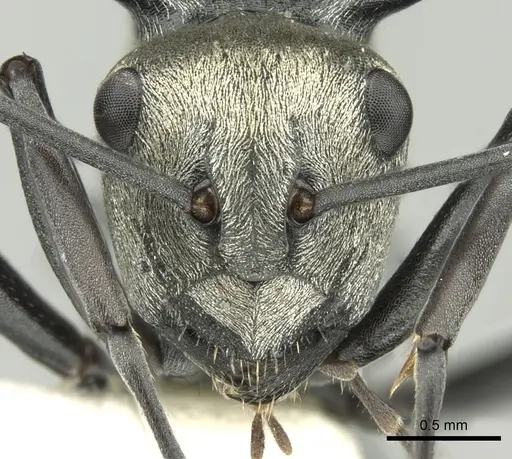
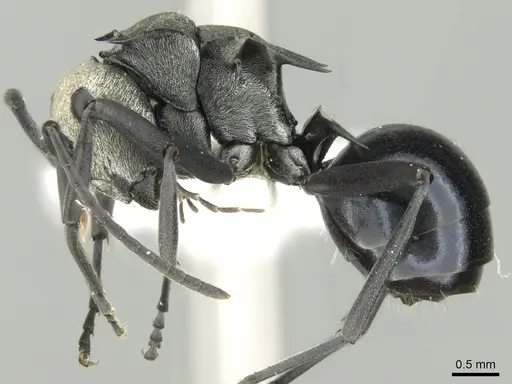
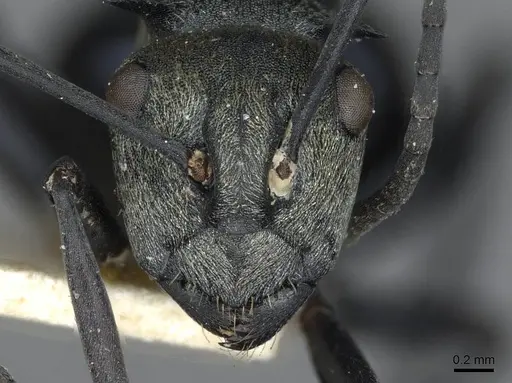
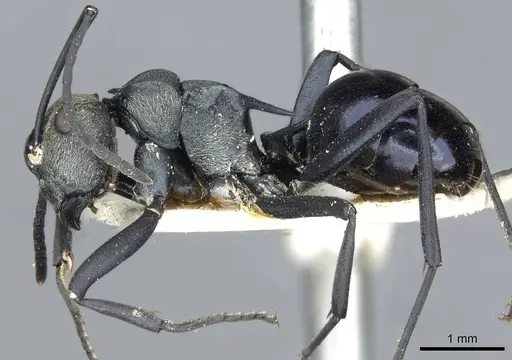
Polyrhachis turneri is a medium-sized ant native to Queensland, Australia, particularly found around Townsville. Workers are characterized by their spiny appearance and dark coloration, typical of the genus Polyrhachis (commonly called spiny ants due to their defensive spines). This species is notable for its unique nesting behavior, unlike most ants that build nests in soil or wood, P. turneri constructs silk nests on rock faces using spider silk stolen from spiders, making them one of the few ants that actively gather silk from external sources [1]. The colony is monodomous (single nest per colony) and they lack the metapleural gland that most ants use for chemical defense [2].
Quick Summary
- Difficulty: Medium
- Origin & Habitat: Queensland, Australia, lithophilic species that nests on rock faces in subtropical to tropical areas [3][4]
- Colony Type: Monodomous (single nest per colony), colony structure unconfirmed but likely single-queen based on genus patterns
- Colony: Monogyne
- Founding: Claustral
- Size & Growth:
- Queen: Estimated 10-12mm based on genus patterns
- Worker: Estimated 6-8mm based on genus patterns
- Colony: Estimated moderate (several hundred workers) based on related Polyrhachis species
- Growth: Moderate, estimated based on similar subtropical Polyrhachis
- Development: Estimated 6-8 weeks at optimal temperature (Development time inferred from genus patterns, not directly studied for this species)
- Antkeeping:
- Temperature: Keep around 24-28°C, they prefer warm conditions typical of their subtropical Australian habitat. A gentle heat gradient allows them to regulate temperature [1].
- Humidity: Moderate to high (50-70%). They nest on rocks which can hold moisture but also dry out. Provide a water tube and mist occasionally, but avoid waterlogging the setup.
- Diapause: Unknown for this species, Australian subtropical species may have reduced activity in cooler months but likely do not require true hibernation
- Nesting: This is the critical challenge, they need a vertical or sloped surface (rock face simulation) to build their silk nests. A naturalistic setup with rough surfaces, bark, or stones works best. They will not thrive in standard horizontal nests. Y-tong or acrylic nests with added vertical surfaces can work, but a naturalistic terrarium-style setup is ideal [1].
- Behavior: Generally peaceful and not aggressive toward keepers. Workers are active foragers and will explore their enclosure. They lack a metapleural gland so they rely on their spines and biting for defense. Escape risk is moderate, they are not tiny but can climb well. Ensure enclosures have tight-fitting lids. Their most fascinating behavior is the unique silk-gathering, workers actively hunt spiders or scavenge spider webs to collect silk for nest construction [1].
- Common Issues: Nesting setup is critical, they will not accept standard horizontal nests and may fail to establish without vertical/sloped surfaces, Providing spider silk is challenging, you may need to offer silk sources or they may not construct proper nests, Slow establishment, founding colonies take time to adapt to captivity, Escape prevention needed despite moderate size, they are excellent climbers, Humidity balance is tricky, too wet causes mold, too dry causes desiccation
Housing and Nest Setup
Polyrhachis turneri presents a unique housing challenge that differs from most ant species. In the wild, they are lithocolous, meaning they nest on rock faces, constructing silk nests attached to vertical stone surfaces [3]. This is fundamentally different from typical ant nesting preferences. For captive care, you need to simulate this rock-face environment. The best approach is a naturalistic terrarium with rough stone surfaces, bark, or slanted surfaces where workers can attach their silk nests. A simple test tube setup will likely fail because these ants need vertical space to exhibit their natural silk-gathering and nest-building behaviors. If using an acrylic or Y-tong nest, add rough surfaces and ensure the setup allows for vertical construction. The key requirement is providing surfaces where workers can spin and attach their silk nests, smooth glass or plastic alone will not work [1].
The Unique Silk-Nesting Behavior
What makes Polyrhachis turneri truly remarkable is its re-evolved nest-weaving behavior through a completely different mechanism than most weaver ants [1]. Most Polyrhachis species that build silk nests get the silk from their own larvae, the workers manipulate larvae to produce silk for nest construction. However, P. turneri has taken a different evolutionary path. Workers actively steal silk from spiders, either by scavenging abandoned webs or by hunting spiders directly. They then use this stolen spider silk to construct their nests. The larvae still produce silk, but they keep it all for their own cocoon needs, none is diverted for nest construction [1]. This means in captivity, you may need to provide silk sources for them to exhibit this behavior. Offering small pieces of silk, cotton, or allowing access to small spider webs (carefully) can help stimulate their natural behavior. Watching workers carry silk pieces to build their nest is one of the most fascinating aspects of keeping this species.
Feeding and Diet
Like most Polyrhachis species, P. turneri is an omnivore that accepts both protein and sugar sources. In the wild, they forage for honeydew from aphids and scale insects, hunt small insects, and scavenge. In captivity, offer a varied diet: sugar water or honey should always be available. For protein, offer small insects like fruit flies, small crickets, mealworms, or other feeder insects. They are not extreme predators like some ant species, so standard ant feeding schedules work well, offer protein once or twice weekly, and keep sugar sources constantly available. Fresh water should always be accessible. One note: because they are arboreal/lithophilic foragers, they may be more active in the upper regions of their enclosure, so place food accordingly.
Temperature and Seasonal Care
As a subtropical species from Queensland, Australia, Polyrhachis turneri prefers warm conditions. Keep the nest area around 24-28°C (75-82°F). They can tolerate slightly cooler temperatures but growth and activity will slow. A small heat gradient (warmer on one end) allows the colony to self-regulate. Room temperature in most homes (20-24°C) may be borderline, consider using a heat mat on one side of the enclosure during active growth periods. Regarding seasonal care, being from a subtropical region, they likely do not require true hibernation but may reduce activity during cooler months. If your room temperature drops significantly in winter, expect slower growth and less activity, but do not force hibernation unless the colony shows signs of stress. Monitor behavior, if workers become sluggish and cluster together, they may be too cold. [1]
Handling and Temperament
Polyrhachis turneri is generally calm and not particularly aggressive toward keepers. They lack a metapleural gland (the antibiotic gland most ants use for colony hygiene), so they rely on their spines and mandibles for defense [2]. While they can bite if provoked, they are not prone to aggressive behavior. Workers are active and curious, exploring their environment. Escape prevention is important, while not as small as some species, they are excellent climbers and can squeeze through small gaps. Use tight-fitting lids and ensure any connections in your setup are secure. When observing the colony, you may see their fascinating silk-gathering behavior where workers carry small silk pieces to the nest construction site, this is a highlight of keeping this species.
Frequently Asked Questions
Can I keep Polyrhachis turneri in a test tube?
Not recommended. This species requires vertical surfaces to build their silk nests, a horizontal test tube setup will likely result in colony failure. Use a naturalistic terrarium with rock faces, bark, or slanted surfaces instead [1].
How long does it take for Polyrhachis turneri to produce first workers?
Estimated 6-8 weeks from egg to worker at optimal temperature (24-28°C). This is inferred from related Polyrhachis species as specific development data for P. turneri is not available.
What makes Polyrhachis turneri different from other ants?
They are one of the few ant species that use stolen spider silk to build nests rather than silk from their own larvae. Workers actively gather silk from spiders or webs, making their nesting behavior unique among ants [1].
Are Polyrhachis turneri good for beginners?
No, their specialized nesting requirements (need for vertical rock-like surfaces and silk sources) make them better suited for intermediate to advanced antkeepers. They are more challenging than common species like Lasius or Camponotus.
How big do Polyrhachis turneri colonies get?
Estimated several hundred workers based on related Polyrhachis species. They are monodomous (single nest) so colonies remain relatively compact compared to some polydomous species [3].
Do I need to provide spider silk for my ants?
It helps significantly. In captivity, offering silk sources like small pieces of silk, cotton fibers, or carefully provided spider webs can stimulate their natural nest-building behavior. Without silk sources, they may not construct proper nests [1].
What temperature should I keep Polyrhachis turneri at?
Keep them warm at 24-28°C (75-82°F). They are subtropical ants from Queensland, Australia and prefer warm conditions. A gentle heat gradient allows them to regulate their temperature naturally.
Can I keep multiple queens together?
Not recommended. There is no documented evidence of pleometrosis (multiple queen founding) for this species, and combining unrelated queens typically leads to fighting. Keep single-queen colonies.
Do Polyrhachis turneri need hibernation?
Probably not. As a subtropical species, they likely do not require true hibernation. They may reduce activity in cooler months but should be kept at normal temperatures year-round unless the colony shows signs of stress from heat.
References

This caresheet is licensed under CC BY-SA 4.0 .
CASENT0906603
View on AntWeb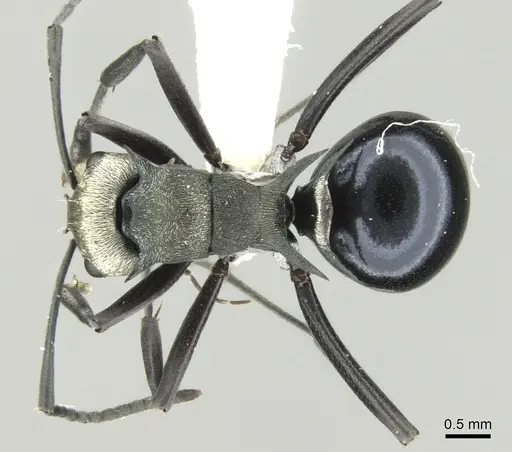
CASENT0910852
View on AntWeb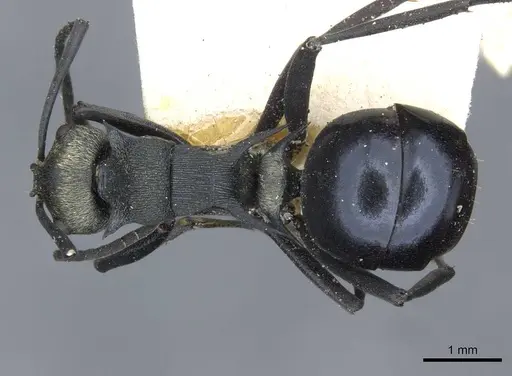
Literature
Loading...Loading products...