

Polyrhachis trapezoidea
- Scientific Name
- Polyrhachis trapezoidea
- Subgenus
- Hagiomyrma
- Tribe
- Camponotini
- Subfamily
- Formicinae
- Author
- Mayr, 1876
- Distribution
- Found in 1 countries
Polyrhachis trapezoidea Overview
Polyrhachis trapezoidea is an ant species of the genus Polyrhachis. It is primarily documented in 1 countries , including Australia. Detailed taxonomic data and occurrence records can be further explored via authoritative databases such as AntWeb or the Global Biodiversity Information Facility (GBIF).
Polyrhachis trapezoidea
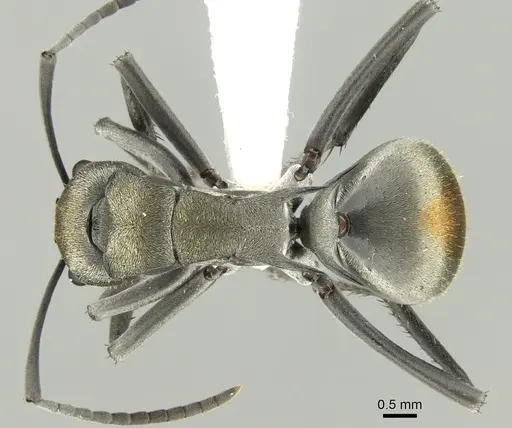
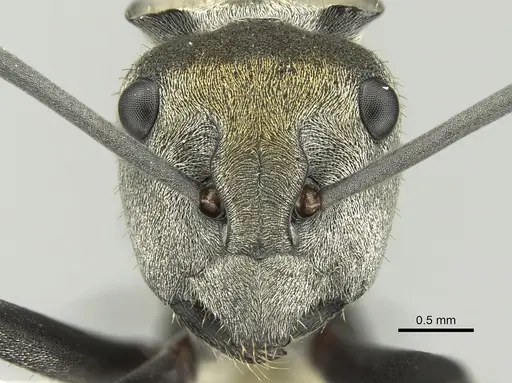
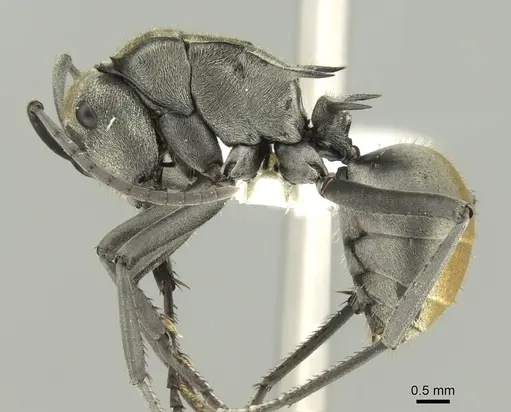
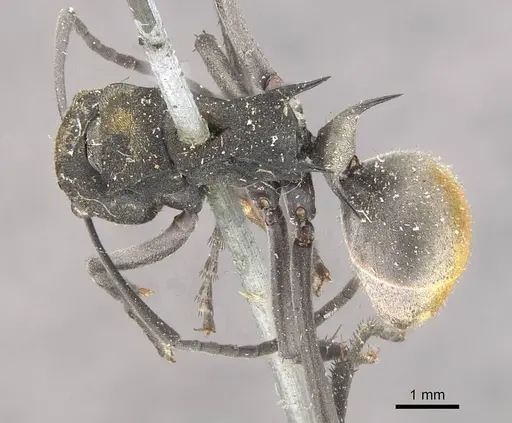
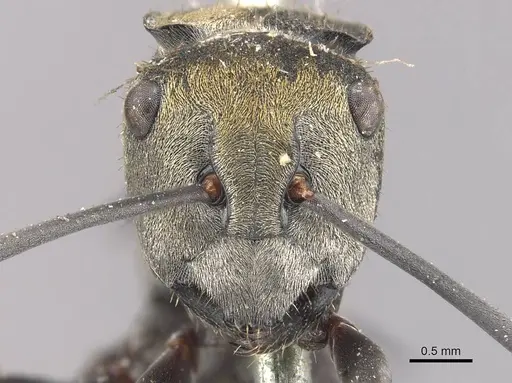
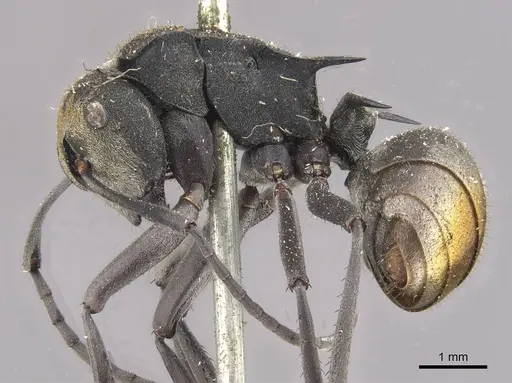
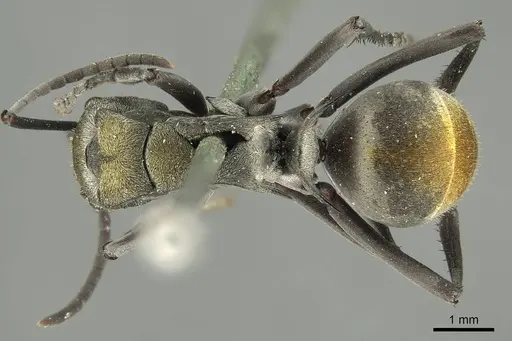
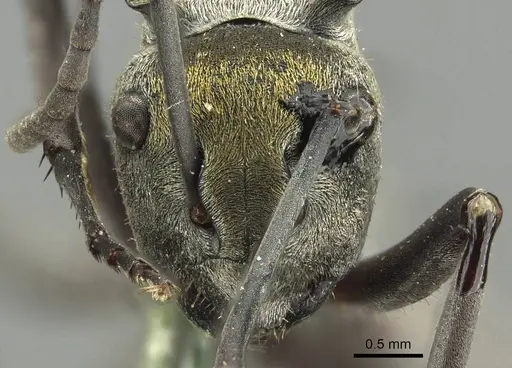
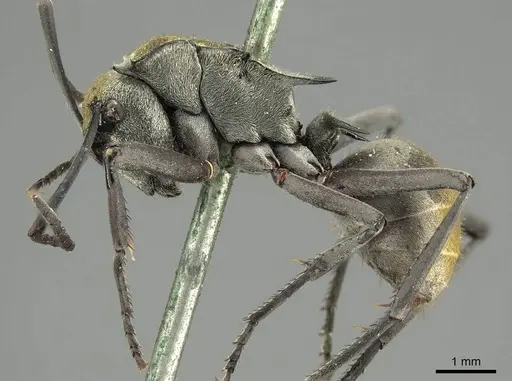
Polyrhachis trapezoidea is an Australian ant species belonging to the subgenus Hagiomyrma. Workers are medium-sized at 7.61-9.42mm with a distinctive black coloration featuring golden pubescence and a narrow reddish-brown band along the mandibular edges. Queens are slightly larger at 9.63-11.09mm. This species is relatively common in open eucalypt forests and savannah woodlands across northern Australia, ranging from Torres Strait south to Gladstone in Queensland, with reports in the northern Northern Territory [1]. Unlike some related Polyrhachis species that are arboreal weavers, this species nests in the ground [1]. They have pupal cocoons, which is important for captive care as the developing pupae need proper humidity to mature properly [2].
Quick Summary
- Difficulty: Medium
- Origin & Habitat: Northern Australia, from Torres Strait south to Gladstone, Queensland, and northern Northern Territory. Found in open eucalypt forests and savannah woodlands [1].
- Colony Type: Likely single-queen colonies (monogyne), which is typical for the genus. Ground-nesting species.
- Colony: Monogyne
- Founding: Claustral
- Size & Growth:
- Queen: 9.63-11.09 mm [1]
- Worker: 7.61-9.42 mm [1]
- Colony: Estimated several hundred to a few thousand workers based on typical Polyrhachis colony sizes
- Growth: Moderate, inferring from related species
- Development: Estimated 6-10 weeks based on typical Formicinae development at optimal temperature (Development time is inferred from related Polyrhachis species and Formicinae patterns. Cocoons require stable humidity to develop properly.)
- Antkeeping:
- Temperature: Keep at 24-28°C. Being from tropical/subtropical Australia, they need warm conditions. A heating cable on one side of the nest creates a suitable gradient [1].
- Humidity: Maintain moderate to high humidity in the nest. Their pupal cocoons need moisture to develop properly, keep the nest substrate consistently damp but not waterlogged [2].
- Diapause: Not required. Being from tropical/subtropical Australia, they do not experience harsh winters. Keep them at stable warm temperatures year-round [1].
- Nesting: Ground-nesting species. A naturalistic setup with soil or a Y-tong/plaster nest works well. They prefer tight chambers scaled to their medium size. Avoid overly dry conditions as their cocoons need humidity [1][2].
- Behavior: Polyrhachis trapezoidea is a ground-nesting species that is generally calm but can be defensive if provoked. They are medium-sized ants with a moderate escape risk, standard barrier methods like Fluon on test tube rims or formicarium edges should suffice. Workers are active foragers that search for food both on the ground and may climb slightly. Unlike their arboreal relatives, they do not exhibit weaving behavior in captivity. They are not known for particularly aggressive swarming but will defend their nest if threatened.
- Common Issues: cocoon desiccation, their pupal cocoons need humidity to develop, dry conditions kill developing pupae, temperature drops below 22°C can slow or stop brood development, colonies may struggle if kept too dry, monitor substrate moisture, escape prevention is needed for medium-sized ants, standard barriers work well, slow founding, claustral queens may take months to raise first workers
Nest Preferences and Setup
Polyrhachis trapezoidea is a ground-nesting species that naturally excavates chambers in soil [1]. In captivity, they do well in naturalistic setups with a soil layer or in formicarium-style nests like Y-tong or plaster nests. The key requirement is maintaining proper humidity for their cocoons, the nest substrate should feel damp to the touch. Use a water reservoir or regular misting to keep moisture levels stable. Because they are medium-sized ants (7-9mm workers), they need chambers scaled appropriately, not too tight like tiny ants, but not overly large either. A small to medium formicarium works well for a developing colony. Avoid completely dry setups as their pupae need moisture to develop properly [2].
Feeding and Diet
Like most Polyrhachis species, these ants are omnivorous. They accept protein sources like small insects (fruit flies, small crickets, mealworms) and will also consume sugar sources such as honey water or sugar water. In the wild, they forage for honeydew and small invertebrates in their forest and woodland habitats. Feed them a varied diet: offer protein prey 2-3 times per week and keep a constant sugar water source available. Remove uneaten prey after 24-48 hours to prevent mold. Fresh water should always be available. Being medium-sized ants, they can tackle prey items that would be too large for very tiny ants. [1]
Temperature and Seasonal Care
Being from tropical and subtropical Australia, Polyrhachis trapezoidea needs warm conditions. Keep the nest area at 24-28°C for optimal brood development. A heating cable placed on one side of the nest creates a temperature gradient allowing ants to self-regulate. Temperatures below 22°C can significantly slow or stop brood development, so monitor closely during cooler months. Unlike temperate species, they do not require a winter diapause, maintain stable warm temperatures year-round. Room temperature in heated homes (around 24-26°C) is often suitable. Avoid sudden temperature fluctuations and keep them away from cold drafts or air conditioning vents. [1]
Behavior and Colony Dynamics
This species is generally calm and not overly aggressive, but workers will defend the nest if threatened. Workers are active foragers that search for food both on the ground and may climb slightly. Unlike some related Polyrhachis species that are arboreal weavers, this ground-nesting species does not exhibit weaving behavior in captivity. They have pupal cocoons, which means developing pupae are enclosed in protective silk cases, this is important for humidity management as the cocoons need moisture but also ventilation to prevent mold. Colony growth is moderate, a claustral queen will seal herself in and raise her first workers (nanitics) alone over several months. Once established, colonies can grow to several hundred or even a few thousand workers over time. [1][2]
Escape Prevention
Polyrhachis trapezoidea workers are medium-sized (7-9mm), placing them in the moderate escape risk category. They are not tiny enough to squeeze through fine mesh gaps like some Micro mania, but they are agile climbers. Use standard ant escape prevention methods: apply Fluon or similar barrier gel to the edges of test tubes, outworlds, and formicarium openings. Ensure all connections between nest areas and outworlds are secure. Check for gaps around water reservoirs and any openings larger than a few millimeters. With proper barriers, these ants are manageable in standard ant keeping setups.
Frequently Asked Questions
How long does it take for Polyrhachis trapezoidea queens to raise their first workers?
Expect 6-10 weeks from egg to first worker at optimal temperature (24-28°C). This is estimated based on typical Formicinae development patterns. The queen seals herself in during claustral founding and relies on stored fat reserves until her first nanitic workers emerge. Patience is key, do not disturb the founding chamber during this time.
Do Polyrhachis trapezoidea ants need hibernation?
No, they do not require hibernation. Being from tropical and subtropical Australia, they are adapted to warm conditions year-round. Keep them at stable temperatures between 24-28°C throughout the year. Do not expose them to cold temperatures or simulate winter conditions.
What do Polyrhachis trapezoidea ants eat?
They are omnivorous. Offer them small insects like fruit flies, small crickets, or mealworms as protein sources 2-3 times per week. Also provide a constant sugar source like honey water or sugar water. Fresh water should always be available. Remove uneaten prey after 24-48 hours to prevent mold.
Are Polyrhachis trapezoidea good for beginners?
They are rated as medium difficulty. While not the easiest species, they are manageable for keepers with some experience. The main challenges are maintaining proper humidity for their cocoons and keeping temperatures warm. They are more forgiving than some tropical species but require more attention than common temperate ants like Lasius.
Can I keep multiple Polyrhachis trapezoidea queens together?
Not recommended. Like most Polyrhachis species, they are likely monogyne (single-queen colonies). Combining unrelated queens typically results in fighting. If you obtain a colony, assume it has one queen and do not attempt to add more.
Why are my Polyrhachis trapezoidea pupae dying?
The most likely cause is dry conditions. Their pupal cocoons need humidity to develop properly. Check that the nest substrate is damp and that there is no excessive ventilation causing drying. Also ensure temperatures are warm enough (24-28°C). Mold can also kill pupae if conditions are too wet and stagnant, balance humidity with adequate ventilation.
How big do Polyrhachis trapezoidea colonies get?
Based on typical Polyrhachis colony sizes, expect colonies to reach several hundred to potentially a few thousand workers over time. Growth is moderate, they are not among the fastest or slowest growing ants. A healthy established colony should reach several hundred workers within a year or two.
When should I move my colony to a formicarium?
Move them when the test tube setup becomes crowded or the colony shows signs of needing more space, typically when you see 20-30+ workers and the water reservoir is depleted quickly. For Polyrhachis trapezoidea, a small to medium formicarium works well. Ensure the new setup maintains proper humidity levels.
References

This caresheet is licensed under CC BY-SA 4.0 .
Literature
Loading...Loading products...