

Polyrhachis taylori
- Scientific Name
- Polyrhachis taylori
- Tribe
- Camponotini
- Subfamily
- Formicinae
- Author
- Kohout, 1988
- Distribution
- Found in 1 countries
Polyrhachis taylori Overview
Polyrhachis taylori is an ant species of the genus Polyrhachis. It is primarily documented in 1 countries , including Papua New Guinea. Detailed taxonomic data and occurrence records can be further explored via authoritative databases such as AntWeb or the Global Biodiversity Information Facility (GBIF).
Polyrhachis taylori
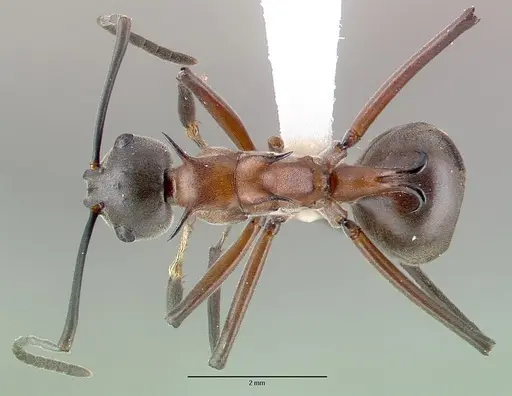
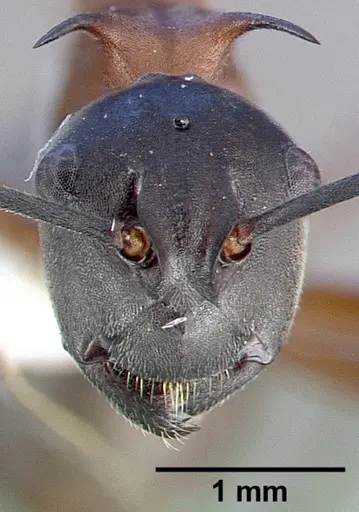
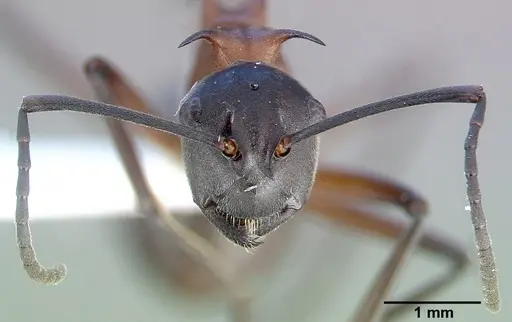
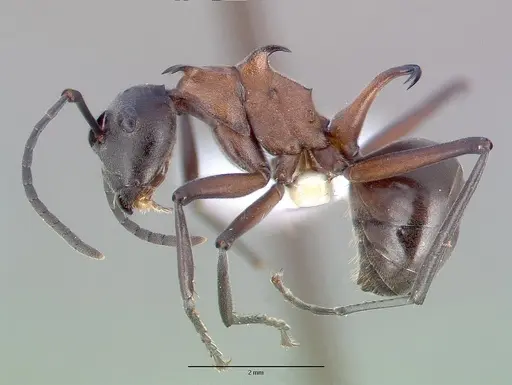
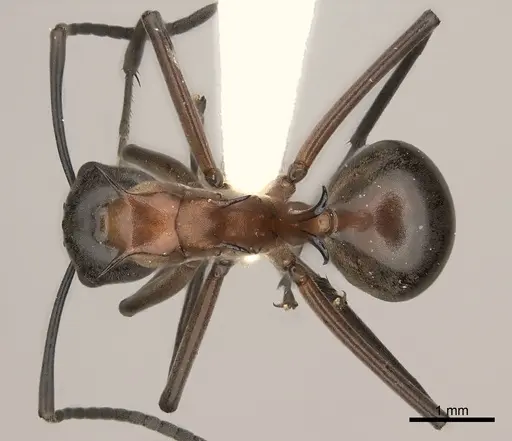
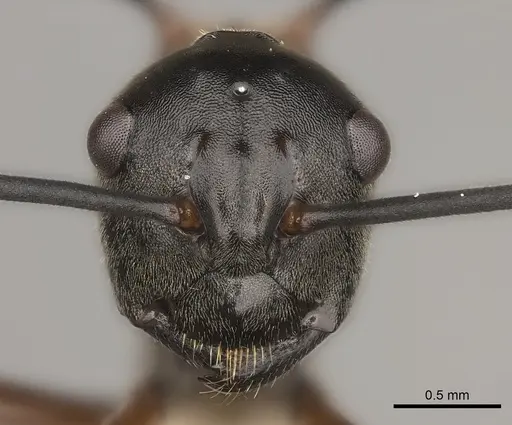
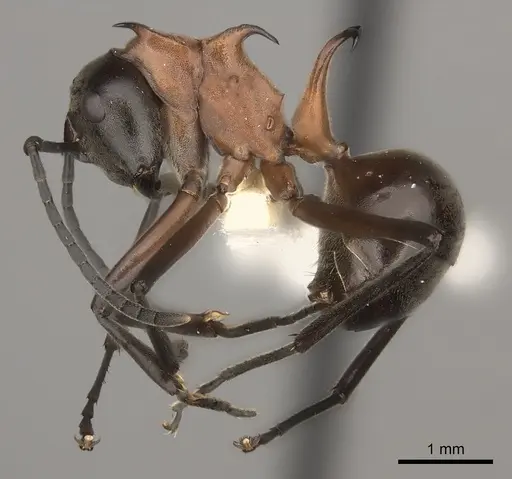
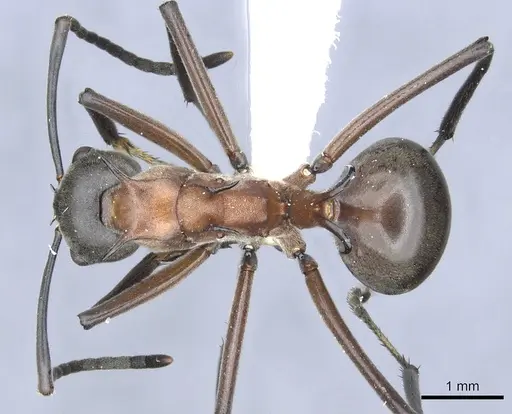
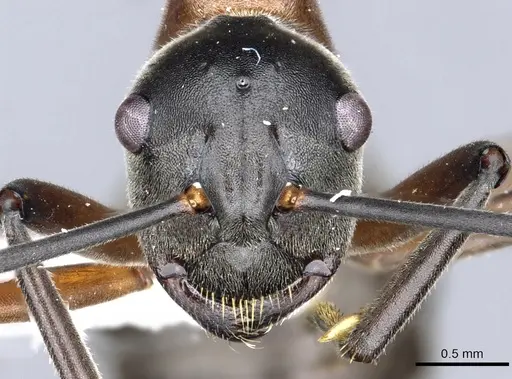
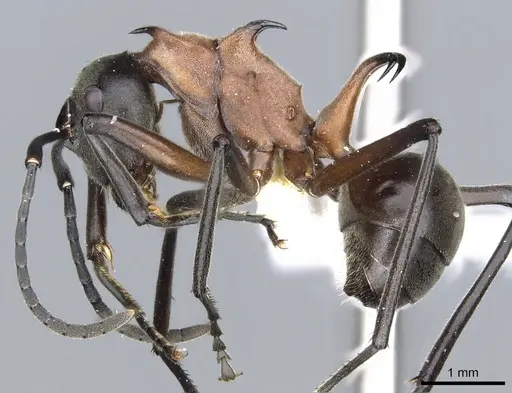
Polyrhachis taylori is a small arboreal ant native to Papua New Guinea, specifically the Torricelli Mountains region. Workers measure just 6-7mm, making them the smallest species in their subgenus, a key identification feature [1]. They have a distinctive appearance with a black head, reddish-brown mesosoma and petiole, and a dark reddish-brown to nearly black gaster. Like other Polyrhachis species, they sport several spines: pronotal spines projecting anterolaterally, mesonotal spines, and distinctive hook-shaped petiolar spines [1].
This species is notable for its unusual nesting habits, colonies nest in dry bamboo sticks serving as land markers, occupying multiple internodes [2]. The colony uses silk to line the interior walls of the bamboo cavities, a common trait among Polyrhachis ants [3]. The type colony contained 639 workers and 16 reproductive females, indicating a multi-queen colony structure [2].
Quick Summary
- Difficulty: Medium
- Origin & Habitat: Papua New Guinea (Torricelli Mountains, Lumi) at 400-550m elevation. Found in native garden at the margin of primary forest, nesting in bamboo stick markers [1][2].
- Colony Type: Multi-queen colonies confirmed, the type colony had 16 dealate females [2]. Likely polygynous (multiple queens working together) based on colony structure [4].
- Colony: Polygyne
- Size & Growth:
- Queen: 8.92-9.47 mm [1]
- Worker: 6.18-7.36 mm (HL 1.50-1.75mm) [1]
- Colony: Up to 639 workers in type colony [2]
- Growth: Moderate, estimated 6-10 weeks from egg to worker based on typical Polyrhachis patterns
- Development: 6-10 weeks (estimated based on genus patterns) (Development time is estimated, no specific study exists for this species. Pupae are enclosed in cocoons [3].)
- Antkeeping:
- Temperature: Tropical species, keep at 24-28°C. A heating cable on one side of the nest creates a gentle gradient.
- Humidity: High humidity preferred (70-85%). These ants nest in bamboo in a humid tropical environment. Keep the nest substrate moderately moist but allow some drying areas.
- Diapause: No, as a tropical species from Papua New Guinea, they do not require hibernation. Maintain warm conditions year-round.
- Nesting: Arboreal nester, prefers setups that mimic their natural bamboo nesting. A Y-tong (AAC) nest or plaster/formicarium with narrow chambers works well. Provide twigs, small bamboo sections, or cork bark for them to nest in. They use silk to line their nests [3], so include some soft materials.
- Behavior: Generally calm and non-aggressive foragers. Workers are small but active, foraging individually or in small groups. They are arboreal, so they will explore upward spaces. Escape risk is moderate, use standard barriers but they are not particularly prone to escaping like tiny Crematogaster species. They may be outworld-active, so provide foraging space.
- Common Issues: tropical species needs warmth, cold temperatures will slow or stop brood development, arboreal nesting means they need vertical space and suitable nesting materials like cork or bamboo sections, multi-queen colonies may have territorial disputes if space is limited, provide adequate room, high humidity is essential, dry conditions will cause colony decline, small colony size means they are vulnerable to disturbance, minimize vibrations and handling
Nest Preferences and Housing
Polyrhachis taylori is an arboreal, lignicolous (wood-nesting) species. In the wild, they nest in dry bamboo sticks, occupying multiple internodes [1]. They use silk to line the interior walls of their nests, this is a key behavioral trait of the genus [3].
For captive care, provide a setup that mimics their natural bamboo nesting. A Y-tong (AAC) nest works well, or you can create a naturalistic setup with small bamboo sections, cork bark, or twigs. The chambers should be appropriately sized for their small worker size (6-7mm). They prefer tight, enclosed spaces rather than open areas.
Include some soft materials or plant matter in the outworld, this allows them to practice their silk-weaving behavior. A naturalistic terrarium-style setup with live plants and multiple nesting options often yields the best results with this species.
Feeding and Diet
Like other Polyrhachis species, P. taylori is likely omnivorous with a preference for sugary substances and protein. In their natural habitat, they forage on trees and plants, likely collecting honeydew from aphids and scale insects.
Feed them a mix of sugar water or honey regularly (every 2-3 days), and offer protein sources such as small insects (fruit flies, small crickets, mealworms) weekly. They are small ants, so prey items should be appropriately sized. Observe their acceptance preferences, some colonies favor certain foods over others.
Avoid overfeeding, as uneaten food can mold and cause health issues. Remove uneaten prey after 24-48 hours.
Temperature and Seasonal Care
As a tropical species from Papua New Guinea, P. taylori requires warm temperatures year-round. Keep the nest area at 24-28°C. A heating cable placed on one side of the nest creates a temperature gradient, allowing the ants to regulate their own temperature by moving between warmer and cooler areas.
Do not allow temperatures to drop below 20°C for extended periods, this will slow brood development and may weaken the colony. Room temperature within this range is acceptable, but you may need supplemental heating in cooler climates.
Unlike temperate species, they do not require a diapause or hibernation period. Maintain consistent warm conditions throughout the year to support continuous brood development. [1]
Colony Structure and Multi-Queen Dynamics
Polyrhachis taylori is one of the few ant species with confirmed multi-queen colonies in the wild. The type colony contained 639 workers and 16 dealate (wingless, reproductive) females [2]. This confirms a polygynous (multiple-queen) colony structure [4].
When keeping this species, you may encounter multiple queens in the same nest, this is normal and they typically coexist peacefully. The presence of multiple egg-laying queens can accelerate colony growth, which is beneficial for keepers.
Males of this species remain unknown [2], suggesting reproductive flights may be rare or occur in ways not yet documented by researchers.
Behavior and Temperament
P. taylori workers are small but active foragers. They are arboreal by nature, so they will explore upward spaces and may be found exploring plants, branches, or the upper regions of their enclosure more than the floor.
Their temperament is generally calm, they are not particularly aggressive and do not have a painful sting (though all ants can bite if threatened). They are not known for forming supercolonies or exhibiting overly aggressive territorial behavior.
The species is noted for its use of silk in nest construction, a trait shared with other Polyrhachis ants [3]. They create thin silk linings on the walls of their nesting cavities, which helps maintain humidity and structural integrity of the nest.
Frequently Asked Questions
How long does it take for Polyrhachis taylori to produce first workers?
Exact development time is unconfirmed for this species, but based on typical Polyrhachis genus patterns, expect 6-10 weeks from egg to worker at optimal temperature (24-28°C). The first workers (nanitics) will be smaller than mature workers.
Can I keep multiple Polyrhachis taylori queens together?
Yes, this species naturally forms multi-queen (polygynous) colonies. The type colony had 16 reproductive females [2]. Queens typically coexist peacefully, and multiple queens can accelerate colony growth.
What size colony does Polyrhachis taylori reach?
The type colony had 639 workers [2]. Based on this, mature colonies likely reach 500-700 workers. This is moderate for a Polyrhachis species.
What nest type is best for Polyrhachis taylori?
Use an arboreal-style setup, Y-tong (AAC) nests work well, or create a naturalistic setup with cork bark, small bamboo sections, or twigs. They naturally nest in bamboo and use silk to line their nests [3].
Do Polyrhachis taylori need hibernation?
No, as a tropical species from Papua New Guinea, they do not require hibernation. Keep them warm (24-28°C) year-round for optimal brood development.
Are Polyrhachis taylori good for beginners?
This species is rated Medium difficulty. They require warm, humid conditions and arboreal-style housing, which is slightly more specialized than ground-nesting ants. However, they are generally calm and multi-queen colonies can grow quickly once established.
What do Polyrhachis taylori eat?
They are omnivorous. Feed sugar water or honey regularly, and offer small protein sources like fruit flies, small crickets, or mealworms weekly. They likely forage for honeydew in the wild.
How big do Polyrhachis taylori queens get?
Queens are 8.92-9.47mm in total length, making them significantly larger than workers (6.18-7.36mm) [1].
Where is Polyrhachis taylori from?
They are found only in Papua New Guinea, specifically the Torricelli Mountains at 400-550m elevation [1].
Why are my Polyrhachis taylori dying?
Common causes include: temperatures below 20°C (tropical species need warmth), low humidity (they prefer 70-85%), dry nesting conditions, or disturbance from vibrations. Check that your heating and humidity levels are appropriate for a tropical species.
When should I move Polyrhachis taylori to a formicarium?
Wait until the colony has 50+ workers and is actively using a particular area of the outworld for nesting. For this species, provide natural nesting options (bamboo, cork) from the start rather than waiting to transition.
References

This caresheet is licensed under CC BY-SA 4.0 .
Literature
Loading...Loading products...