

Polyrhachis sulcata
- Scientific Name
- Polyrhachis sulcata
- Subgenus
- Myrma
- Tribe
- Camponotini
- Subfamily
- Formicinae
- Author
- André, 1895
- Distribution
- Found in 1 countries
Polyrhachis sulcata Overview
Polyrhachis sulcata is an ant species of the genus Polyrhachis. It is primarily documented in 1 countries , including Cameroon. Detailed taxonomic data and occurrence records can be further explored via authoritative databases such as AntWeb or the Global Biodiversity Information Facility (GBIF).
Polyrhachis sulcata
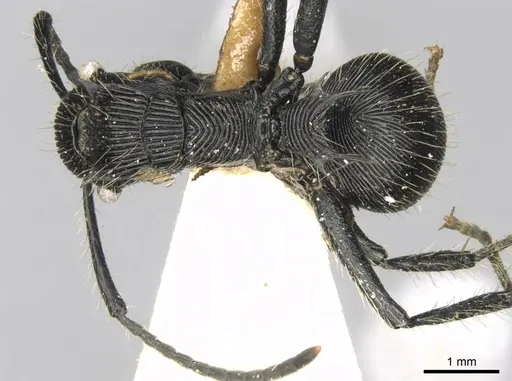
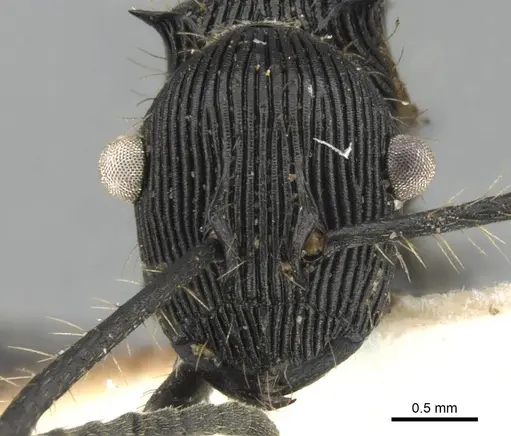
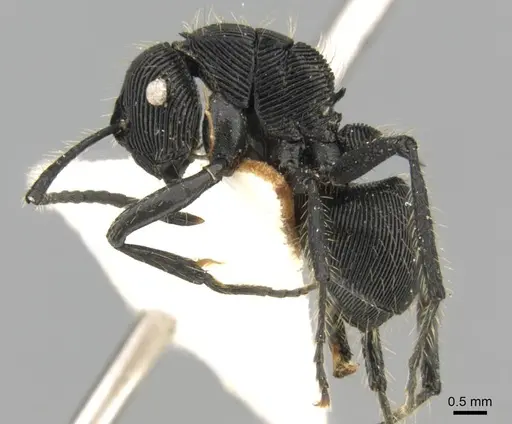
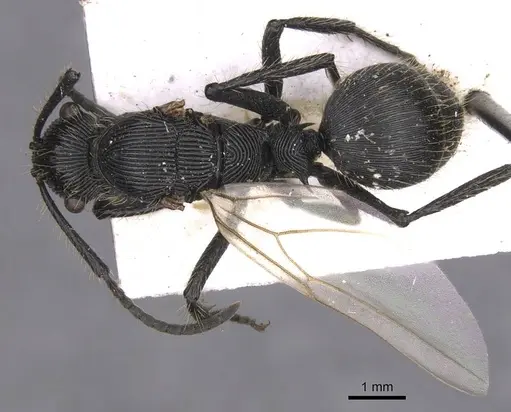
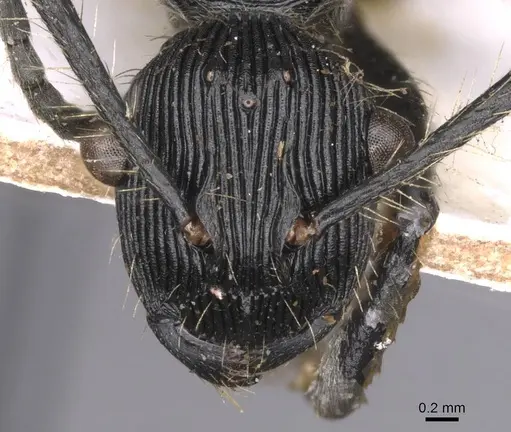
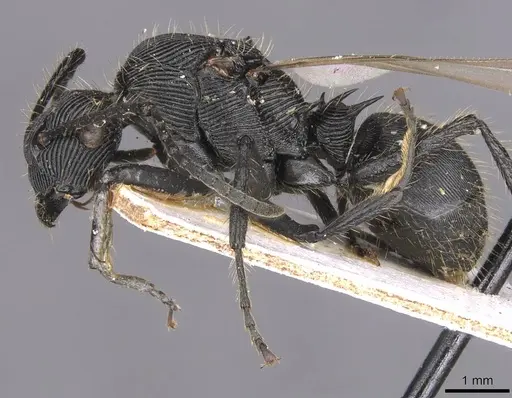
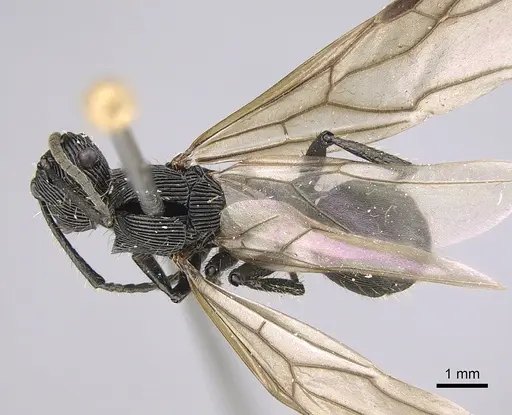
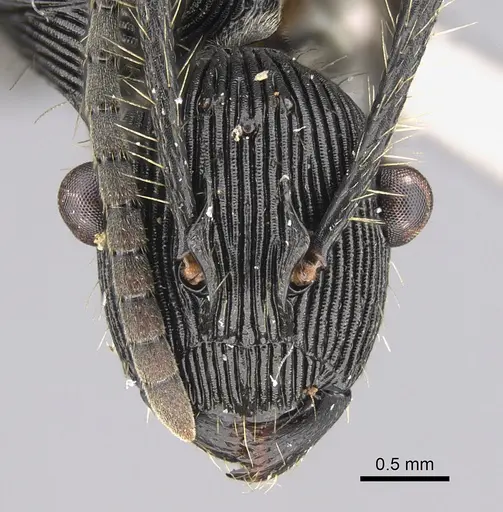
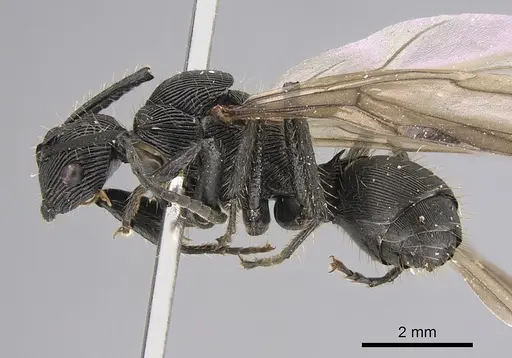
Polyrhachis sulcata is a striking arboreal ant species from the Afrotropical region, found in Congo, Democratic Republic of Congo, Equatorial Guinea, and Ghana. Workers are relatively large at 7.8-9.2mm, with a distinctive appearance featuring deep, regularly spaced striations that give their body a ploughed or ridged look. They have prominent spines on the pronotum and propodeum, and the petiole bears long dorsal spines. Their coloration is black with yellow-tipped antennae and legs. This species belongs to the militaris species-group and is recognized by its unique sculpturation and lack of propodeal margination. Unlike many ants, P. sulcata is almost entirely arboreal, it rarely descends to ground level, which explains why standard collection methods often fail to capture it [1].
Quick Summary
- Difficulty: Expert
- Origin & Habitat: Arboreal ant from the Afrotropical region, found in Congo, Democratic Republic of Congo, Equatorial Guinea (Bioko), and Ghana. Inhabits forest canopies and is rarely found at ground level [1][2].
- Colony Type: Colony structure is unconfirmed. Based on genus patterns, likely single-queen (monogyne) colonies, but this has not been directly documented.
- Size & Growth:
- Queen: Estimated 10-12mm based on genus patterns and worker size, not directly measured in recent literature
- Worker: 7.8-9.2mm
- Colony: Unknown, no colony size data available for this species
- Growth: Unknown, no development data available
- Development: Unconfirmed, no direct development data exists. Based on typical Formicinae patterns, estimate 6-10 weeks at optimal temperature. (Development timeline is unconfirmed. Related Polyrhachis species typically take 6-10 weeks from egg to worker.)
- Antkeeping:
- Temperature: Based on its Afrotropical distribution, keep in the warm range around 24-28°C. Room temperature (22-25°C) is likely suitable. Provide a gentle temperature gradient if possible.
- Humidity: As an arboreal species from tropical forests, they need moderate to high humidity (60-80%). Keep the nest moderately humid but ensure good ventilation to prevent mold.
- Diapause: Unknown for this species. Based on its tropical origin, diapause may not be required, but a slight cool period during the dry season may be beneficial. Monitor colony behavior.
- Nesting: Arboreal nester, in captivity they do well in vertical or elevated setups that mimic tree habitats. Y-tong (AAC) nests or naturalistic setups with vertical orientation work well. They prefer tight, enclosed chambers. Avoid horizontal ground-level nests.
- Behavior: This is an arboreal, canopy-dwelling species that rarely comes to ground. Workers are active foragers in trees and may be defensive when disturbed. Escape risk is moderate, their size makes them visible but they can squeeze through small gaps. Use standard escape prevention. They likely have moderate activity levels and may be more nocturnal or crepuscular based on typical Polyrhachis behavior [1].
- Common Issues: very limited data, this is one of the least studied ant species in the hobby, so care recommendations are largely inferred from genus patterns, arboreal nature means they need vertical nesting setups, which differs from typical ground-nesting ant setups, wild-caught colonies may carry parasites including Ophiocordyceps fungal pathogens that can kill them in captivity [3], their strict arboreal behavior means they may stress in ground-level formicariums, queen founding behavior is unconfirmed, claustral founding is likely based on genus patterns but not documented
Understanding Polyrhachis sulcata's Arboreal Lifestyle
One of the most important things to understand about P. sulcata is that this is a strictly arboreal species. Unlike most ants that people keep, these ants live in trees and hardly ever come down to ground level. This is why they were not collected by standard ant collection methods, researchers had to use pyrethrum knock-down in tree canopies to find them. This arboreal lifestyle means their care differs significantly from ground-nesting ants. They will do best in nests that are oriented vertically rather than horizontally, and the nest should be elevated if possible. In the wild, they likely nest in tree hollows, under bark, or in epiphytic plants, so enclosed chambers with small entrance holes mimic their natural preferences. Understanding this arboreal nature is key to keeping them healthy in captivity [1].
Housing and Nest Setup
For Polyrhachis sulcata, you should use a nest setup that reflects their arboreal nature. Y-tong (AAC) nests work well because they provide enclosed, tight chambers that these ants prefer. Naturalistic setups with vertical orientation can also work, such as using cork bark or wooden setups designed for arboreal ants. The chambers should be appropriately sized for their 7.8-9.2mm worker size, not too large, as these ants prefer cozy enclosed spaces. Place the nest in an elevated position if possible, or at minimum ensure the setup allows them to feel like they are off the ground. Good ventilation is essential to prevent mold, which can be a problem in more enclosed setups. The outworld should allow for vertical exploration, and you can include branches or other structures that allow them to forage at different heights.
Feeding and Diet
Polyrhachis ants are typically omnivorous, feeding on nectar, honeydew, and small insects in the wild. For P. sulcata, you should offer a varied diet including sugar sources (honey water, sugar water) and protein sources (small insects like fruit flies, pinhead crickets, mealworms). Based on typical Polyrhachis behavior, they likely tend aphids or other honeydew-producing insects in the wild, so offering sweet solutions regularly is important. Feed protein 2-3 times per week, and keep a sugar source available at all times. Remove uneaten prey after 24-48 hours to prevent mold. Since this species is arboreal and likely more active in the canopy, they may prefer feeding at elevated positions in the outworld.
Temperature and Seasonal Care
As a tropical Afrotropical species, Polyrhachis sulcata prefers warm conditions. Aim for temperatures in the range of 24-28°C. Room temperature (22-25°C) in most homes should be suitable, but you may want to provide a slight warmth gradient using a heating cable on one side of the nest. Place the heating on top of the nest, not underneath, to avoid drying out the nest too quickly. Since this species comes from regions near the equator, seasonal temperature changes are minimal. A slight reduction during what would be the dry season may be appropriate, but do not cool them dramatically. Monitor your colony, if they become less active, slightly warmer conditions may help. High humidity (60-80%) should be maintained, but balance this with good ventilation.
Important Health Considerations
One critical issue to be aware of when keeping Polyrhachis sulcata is their susceptibility to fungal parasites. This species has been documented as being parasitized by Ophiocordyceps unilateralis (a fungus that infects insects) in the wild in Africa [3]. While this is more of a concern for wild colonies, it's important to be aware that wild-caught colonies may carry this or other pathogens. Quarantine any new colonies and monitor them carefully. Additionally, because so little is known about this species in captivity, keeping detailed notes on your colony's behavior, feeding preferences, and health is valuable for the antkeeping community. This is truly an expert-level species where keeper observations can contribute significantly to our knowledge.
Frequently Asked Questions
How long does it take for Polyrhachis sulcata to develop from egg to worker?
The exact development timeline is unconfirmed for this species as it has not been studied in captivity. Based on typical Formicinae and Polyrhachis genus patterns, expect approximately 6-10 weeks from egg to first worker at optimal warm temperatures (around 25-27°C). This is an estimate based on related species, not direct observations of P. sulcata.
Can I keep Polyrhachis sulcata in a test tube setup?
While test tubes can work for founding colonies, this species' arboreal nature suggests they would do better in a more enclosed nest setup like a Y-tong (AAC) nest or a naturalistic arboreal setup. Test tubes are fine for the initial founding stage, but consider moving them to a more appropriate vertical nest as the colony grows.
What do I feed Polyrhachis sulcata?
Feed them a varied diet including sugar sources (honey water, sugar water) offered constantly, and protein sources (small insects like fruit flies, small crickets, mealworms) 2-3 times per week. They likely forage for nectar and honeydew in the wild, so sweet foods are important. Remove uneaten prey after a day or two to prevent mold.
Is Polyrhachis sulcata suitable for beginners?
No, this species is not recommended for beginners. It is considered an expert-level species because there is very limited documented information about its care in captivity, it has very specific arboreal nesting requirements, and wild-caught colonies may carry fungal parasites. Only experienced antkeepers should attempt this species.
Do Polyrhachis sulcata need hibernation or diapause?
Diapause requirements are unknown for this species. As a tropical species from near the equator, they likely do not require a true hibernation period. A slight temperature reduction during the dry season may be appropriate, but dramatic cooling is not recommended. Monitor your colony's activity levels.
How big do Polyrhachis sulcata colonies get?
The maximum colony size is unknown, no colony size data exists for this species in the scientific literature. Based on related Polyrhachis species, colonies likely reach several hundred workers, but this is an estimate.
Where can I get Polyrhachis sulcata?
This is an extremely rare species in the antkeeping hobby. It is only known from a handful of wild collections in Central Africa (Congo, DRC, Equatorial Guinea, Ghana). If available, it would likely only come from specialized antkeepers who have propagated wild-caught colonies. Be extremely cautious about purchasing wild-caught colonies due to potential parasite issues.
References

This caresheet is licensed under CC BY-SA 4.0 .
Literature
Loading...Loading products...