

Polyrhachis striata
- Scientific Name
- Polyrhachis striata
- Subgenus
- Myrma
- Tribe
- Camponotini
- Subfamily
- Formicinae
- Author
- Mayr, 1862
- Distribution
- Found in 3 countries
Polyrhachis striata Overview
Polyrhachis striata is an ant species of the genus Polyrhachis. It is primarily documented in 3 countries , including Indonesia, Malaysia, Thailand. Detailed taxonomic data and occurrence records can be further explored via authoritative databases such as AntWeb or the Global Biodiversity Information Facility (GBIF).
Polyrhachis striata
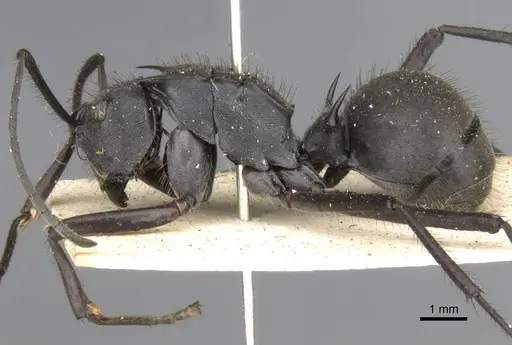
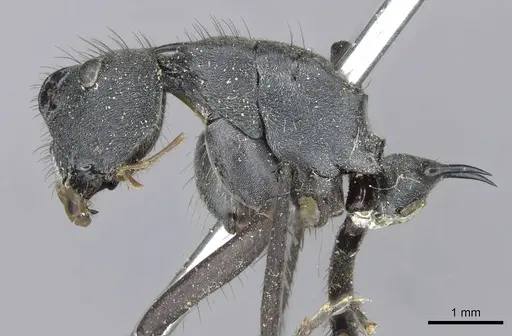
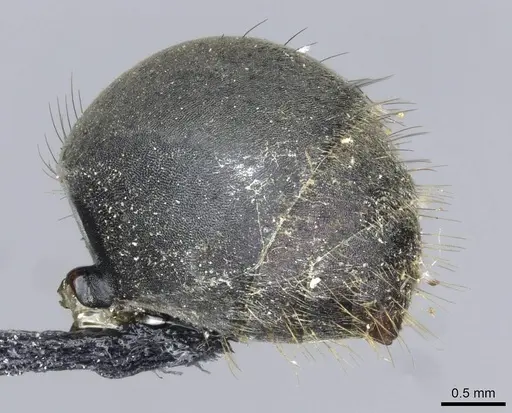
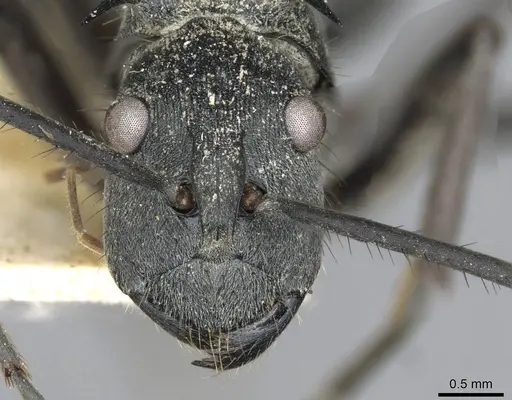
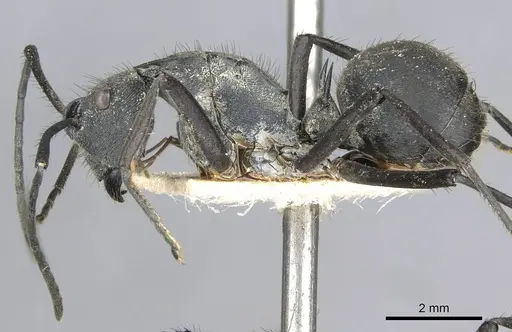
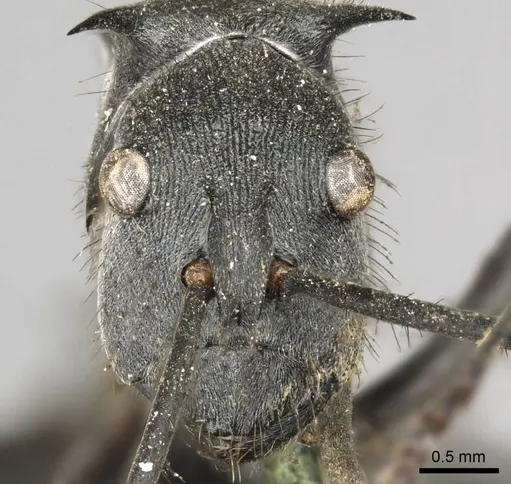
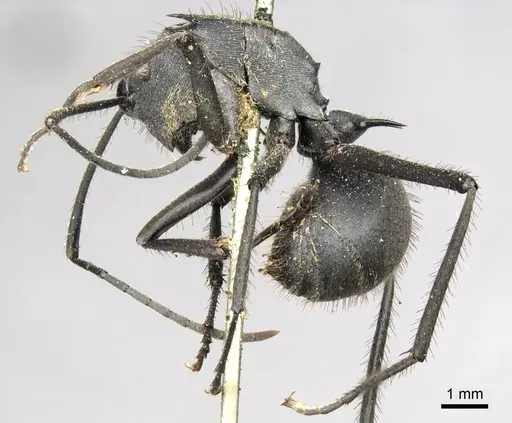
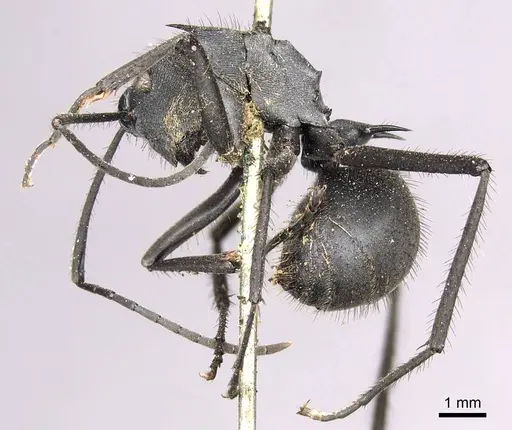
Polyrhachis striata is a large, striking ant species native to tropical Asia, ranging from India through Southeast Asia to Indonesia. Workers measure 9.5-10mm and are easily recognized by their black coloration combined with distinctive longitudinal striations on the head, thorax, and pedicel node. The most notable physical features are the long, broad pronotal spines that point forward, outward, and slightly curve downward, giving this species its common 'spiny ant' name. The abdomen is massive and finely textured. This species belongs to the subgenus Myrma and has been recorded across diverse habitats from lowland areas to elevations of 1524m in the Himalayas [1][2]. The nesting preferences and specific behaviors of this species remain unstudied in the scientific literature.
Quick Summary
- Difficulty: Medium
- Origin & Habitat: Tropical Asia, found in India, Bhutan, Nepal, Myanmar, Thailand, Malaysia, Singapore, Indonesia (Java, Sumatra, Borneo), Philippines, and southern China. Inhabits diverse environments from lowland forest to hill habitats at elevations up to 1524m [1][2][3].
- Colony Type: Colony structure is unconfirmed. No research documents whether colonies are single-queen (monogyne) or multi-queen (polygyne).
- Size & Growth:
- Queen: Undocumented in primary research, estimated 12-15mm based on genus patterns
- Worker: 9.5-10mm [1]
- Colony: Unknown, no colony size data available
- Growth: Unknown, no development timing data available
- Development: Unconfirmed, estimated 6-10 weeks based on typical Formicinae development at tropical temperatures (No direct studies on development. Estimates based on related Polyrhachis species.)
- Antkeeping:
- Temperature: Based on its tropical Asian distribution, aim for warm conditions around 24-28°C. Room temperature (22-26°C) should be suitable. Avoid temperatures below 20°C for extended periods [2].
- Humidity: Moderate to high humidity preferred, think tropical forest conditions. Keep nest substrate slightly moist but not waterlogged. Provide a water source.
- Diapause: Unlikely, tropical species typically do not require hibernation. However, a slight reduction in activity during cooler months may occur.
- Nesting: In nature, Polyrhachis species often nest in rotting wood, under bark, or in pre-existing cavities. In captivity, Y-tong (AAC) nests, wooden formicaria, or naturalistic setups with rotting wood work well. Provide a dark, secure nesting area.
- Behavior: Polyrhachis ants are generally more defensive than typical house ants. Workers are medium-sized at 9.5-10mm with a robust build. They are likely moderately aggressive when defending the nest. Escape prevention should be moderate, these are large ants but can still climb smooth surfaces. They likely forage at night or during cooler parts of the day in their tropical habitat. No specific data on stinger presence, but Formicinae ants can spray formic acid as a defense.
- Common Issues: lack of specific care data makes husbandry recommendations uncertain, this species is rarely kept in captivity, tropical humidity requirements may be challenging in dry climates, no documented colony sizes means growth expectations are unknown, escape risk exists despite large size, use standard barrier methods, wild-caught colonies may harbor parasites or face adaptation issues
Natural History and Distribution
Polyrhachis striata is a widely distributed species across tropical Asia. Specimens have been recorded from India (including Meghalaya, Assam, Sikkim, and Arunachal Pradesh), Bhutan, Nepal, Myanmar, Thailand, Malaysia, Singapore, the Philippines, Indonesia (Java, Sumatra, Borneo), and southern China [1][4]. The species has been found at elevations ranging from near sea level up to 1524 meters above mean sea level in the Himalayan region [2]. In Bhutan, workers were collected in built-up areas and agricultural land at approximately 1400m elevation [3]. The type locality is Java, Indonesia [5]. This broad distribution across multiple countries and habitat types suggests adaptability, though specific microhabitat preferences remain undocumented.
Identification and Physical Characteristics
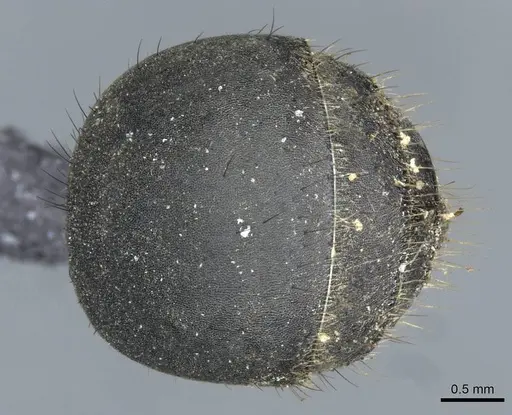
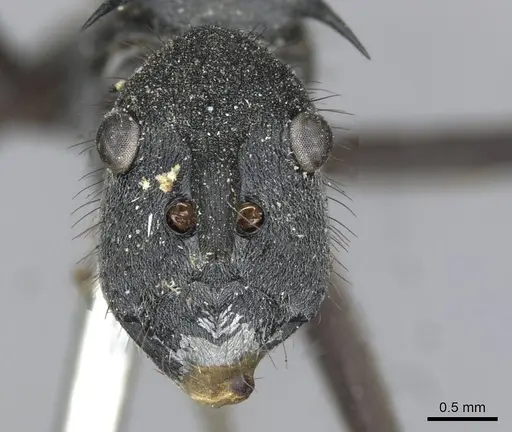
Workers of Polyrhachis striata are large ants measuring 9.5-10mm in length [1]. They are primarily black in coloration with distinctive longitudinal striations (grooved patterns) on the head, thorax, and the node of the pedicel (the narrow waist segment). The abdomen is very finely punctured and has a rugulose (wrinkled) texture. The most distinctive features are the pronotal spines, long, broad spines at the base that point forward, outward, and slightly curve downward. The node of the pedicel is biconvex (rounded on both sides) and is armed with two stout, erect, slightly divergent spines on its upper lateral angles, roughly as long as the pronotal spines. Additionally, there is a short, acute tooth on each side beneath the base of these spines [1]. These spines give the genus its common name of 'spiny ants.'
Housing and Nesting in Captivity
While the specific nesting preferences of P. striata remain undocumented, other Polyrhachis species in the subgenus Myrma typically nest in rotting wood, under loose bark, or in pre-existing cavities in trees. For captive care, provide a dark, secure nesting area. Y-tong (AAC) formicaria, wooden nests, or naturalistic setups with rotting wood pieces work well. Ensure the nest has adequate humidity retention since these are tropical ants. The outworld (foraging area) should be spacious enough for workers to move around. Use standard escape prevention methods, while these are large ants, they can still climb smooth surfaces. A water test tube should always be available.
Feeding and Diet
Polyrhachis species are typically omnivorous, feeding on honeydew, nectar, and small insects in the wild. For captive colonies, offer a varied diet including sugar water or honey as an energy source, and protein sources such as mealworms, crickets, or other small insects. Feed protein sources 2-3 times per week, and keep a constant sugar source available. Fresh water should always be accessible. Since specific feeding observations for P. striata are not documented, start with standard Polyrhachis husbandry and adjust based on colony acceptance.
Temperature and Seasonal Care
As a tropical species distributed across warm regions of Asia, Polyrhachis striata prefers temperatures in the range of 24-28°C. Room temperature (22-26°C) in most homes should be suitable. Avoid prolonged exposure to temperatures below 20°C. Unlike temperate species, this ant likely does not require a true hibernation period, though you may observe reduced activity during cooler months. If your room temperature falls below the recommended range, use a heating cable or heat mat on one side of the nest to create a gentle temperature gradient. Always ensure the heating element is placed on top of the nest to avoid drying out the substrate. [2]
Behavior and Temperament
Polyrhachis ants are generally more defensive than many common ant genera. Workers are robust and well-equipped with spines for defense. While specific behavioral observations for P. striata are not documented, expect moderate aggression when the nest is disturbed. They likely forage during cooler parts of the day or at night in their natural habitat. Workers are large enough to be easily observed. Formicinae ants can spray formic acid as a defensive mechanism, so be cautious when handling near the colony. Escape prevention should be standard, these ants can climb glass but are not particularly known for escaping like some tiny species.
Frequently Asked Questions
How long does it take for Polyrhachis striata to produce first workers?
The egg-to-worker development time is unconfirmed for this species. Based on typical Formicinae development patterns at tropical temperatures (24-28°C), estimate approximately 6-10 weeks from egg to first worker. This is an educated guess rather than documented data.
What size colony does Polyrhachis striata reach?
Colony size data is not available in the scientific literature. Based on the large worker size (9.5-10mm) and the genus patterns, colonies likely reach several hundred to perhaps over a thousand workers, but this is speculative.
Can I keep multiple Polyrhachis striata queens together?
The colony structure (monogyne vs polygyne) is unconfirmed for this species. No research documents whether multiple queens can be kept together successfully. Do not attempt combining unrelated foundress queens without documented evidence of pleometrosis in this species.
Are Polyrhachis striata good for beginners?
This species is rated as Medium difficulty. While large and visually impressive, the lack of specific husbandry data makes it more challenging than well-documented species. Beginners should consider more established species first, but experienced antkeepers should find this species manageable with standard tropical ant care.
What temperature do Polyrhachis striata need?
Aim for 24-28°C based on their tropical Asian distribution. Room temperature (22-26°C) is typically suitable. Avoid temperatures below 20°C for extended periods. Use a heating cable if your room is cooler.
What do Polyrhachis striata eat?
Like other Polyrhachis species, they are omnivorous. Offer sugar water or honey as a constant energy source, and protein (mealworms, crickets, other small insects) 2-3 times per week. Fresh water must always be available.
Do Polyrhachis striata need hibernation?
As a tropical species, they likely do not require true hibernation. A slight reduction in activity during cooler months may occur, but a full diapause is not necessary or recommended.
When should I move Polyrhachis striata to a formicarium?
Wait until the colony has established with a healthy number of workers (at least 20-30 workers) and is actively foraging in the outworld. This typically takes several months after the queen produces her first workers. Ensure the formicarium provides appropriate humidity and dark nesting areas.
Where is Polyrhachis striata found in the wild?
This species ranges across tropical Asia: India, Bhutan, Nepal, Myanmar, Thailand, Malaysia, Singapore, Philippines, Indonesia (Java, Sumatra, Borneo), and southern China. They inhabit elevations from lowland areas up to 1524m in Himalayan regions.
Is Polyrhachis striata aggressive?
Polyrhachis ants are generally more defensive than many ant genera. Workers are equipped with spines and can spray formic acid. Expect moderate aggression when the nest is disturbed. They are not typically aggressive toward humans outside their territory.
How big do Polyrhachis striata queens get?
Queen size is not documented in primary research. Based on genus patterns and worker size (9.5-10mm), queens likely measure 12-15mm. They would be significantly larger than workers.
References

This caresheet is licensed under CC BY-SA 4.0 .
ANTWEB1060644
View on AntWeb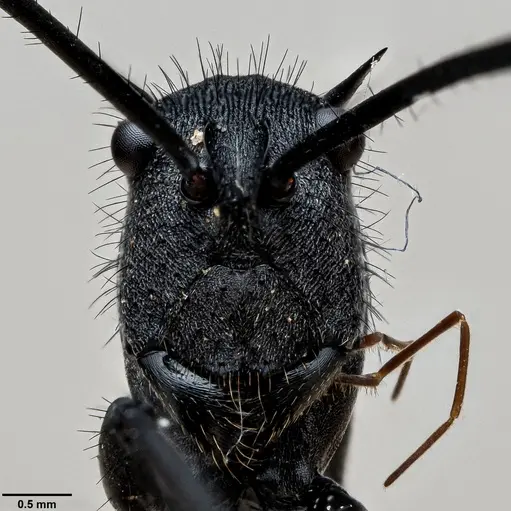
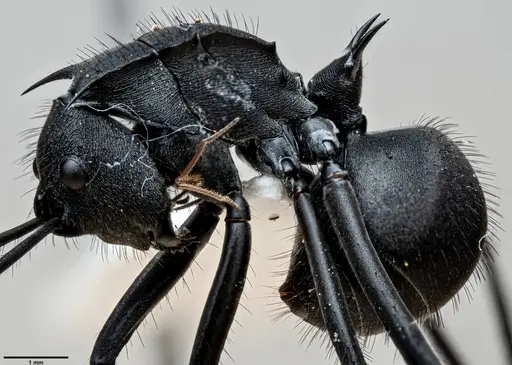
CASENT0906817
View on AntWeb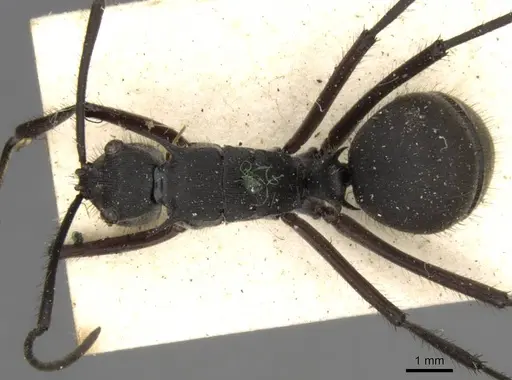
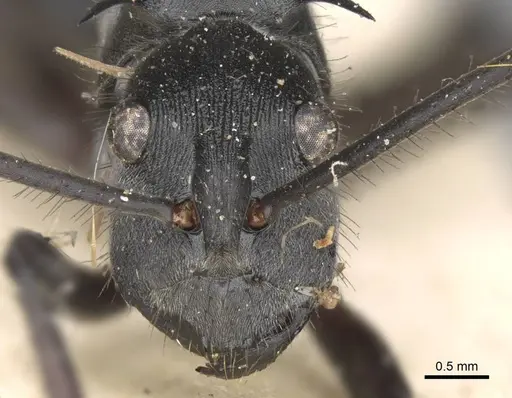
CASENT0910927
View on AntWeb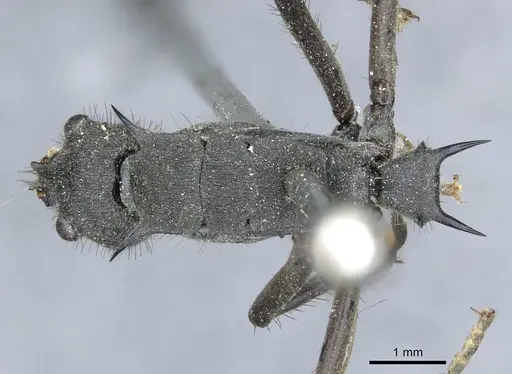
CASENT0910928
View on AntWeb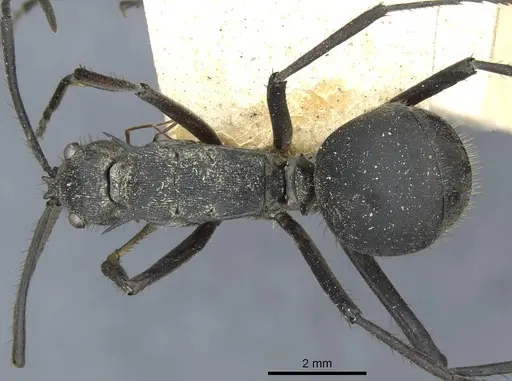
CASENT0915828
View on AntWeb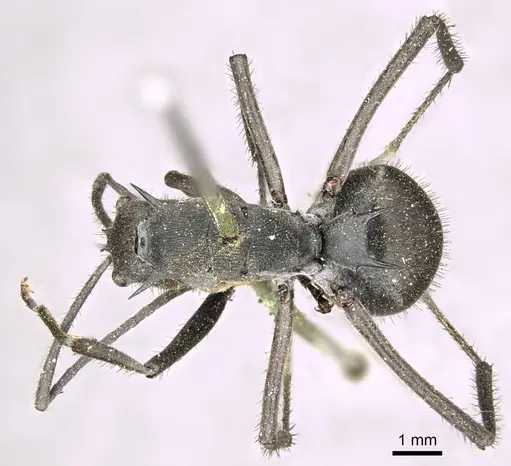
Literature
Loading...Loading products...