

Polyrhachis spitteleri
- Scientific Name
- Polyrhachis spitteleri
- Subgenus
- Myrma
- Tribe
- Camponotini
- Subfamily
- Formicinae
- Author
- Forel, 1916
- Distribution
- Found in 1 countries
Polyrhachis spitteleri Overview
Polyrhachis spitteleri is an ant species of the genus Polyrhachis. It is primarily documented in 1 countries , including Central African Republic. Detailed taxonomic data and occurrence records can be further explored via authoritative databases such as AntWeb or the Global Biodiversity Information Facility (GBIF).
Polyrhachis spitteleri
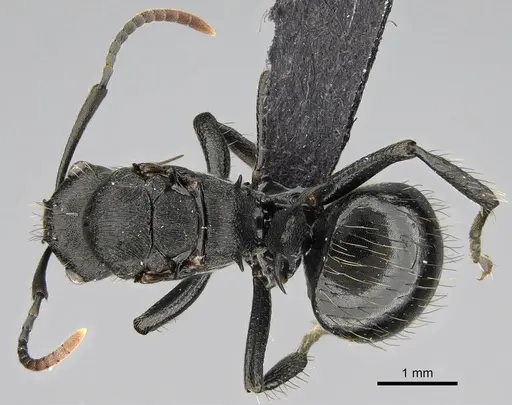
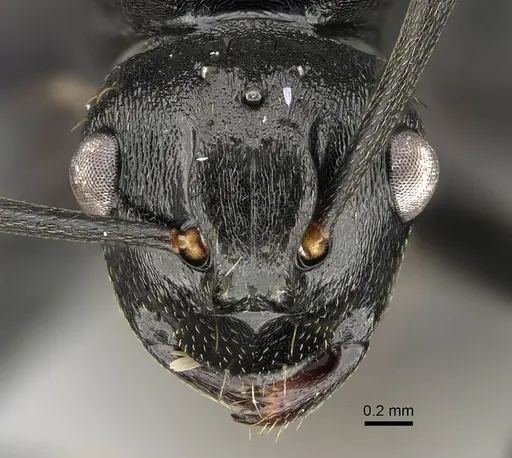
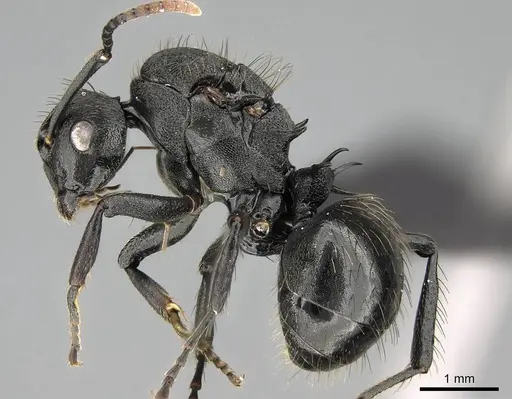
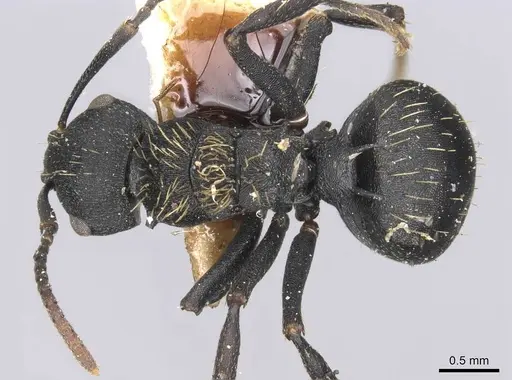
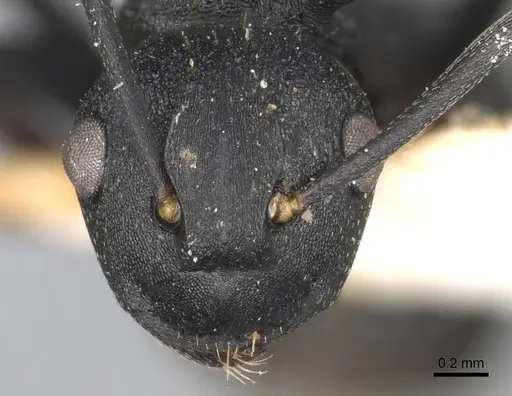
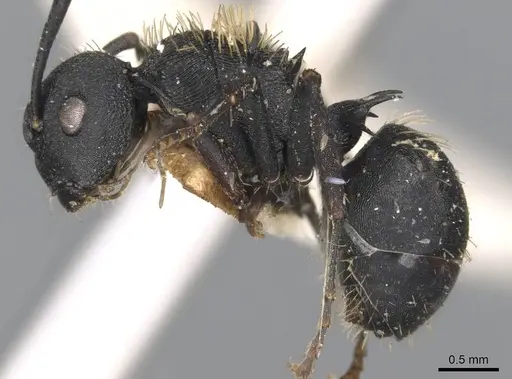
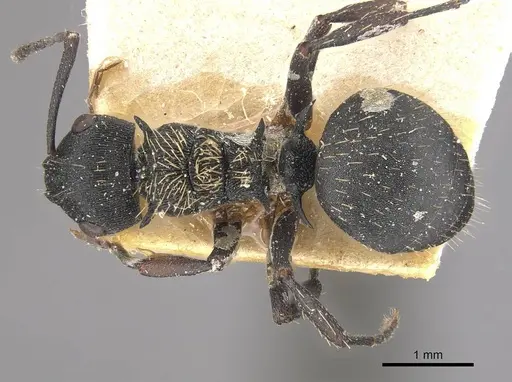
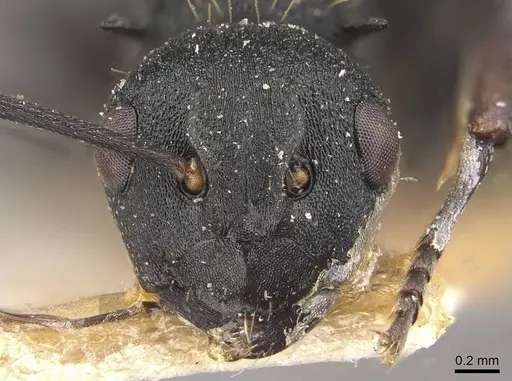
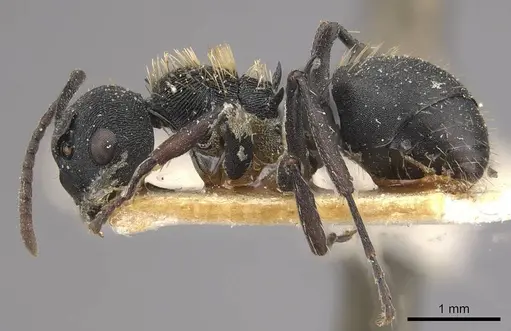
Polyrhachis spitteleri is a medium-sized arboreal ant found in Central Africa. Workers measure 4.8-5.6mm and are black with lighter brownish appendages. They have distinctive spines on the pronotum and propodeum, with a unique median tubercle between the long curved propodeal spines. The petiole bears four spines of roughly equal size. A notable feature is the thick yellowish waxy hairs covering the alitrunk and gaster, giving them a somewhat fuzzy appearance. This species is completely arboreal, living high in the forest canopy where it has been collected from trees using pyrethrum sampling methods. It belongs to the monista species-group and is closely related to Polyrhachis monista, differing mainly in the presence of the median propodeal prominence.
Quick Summary
- Difficulty: Medium
- Origin & Habitat: Central African Republic, Democratic Republic of Congo, and Ghana in the Afrotropical region. Completely arboreal, lives in the forest canopy [1].
- Colony Type: Colony structure is unconfirmed. Polyrhachis species are typically monogyne (single queen) but some can be polygyne.
- Colony: Monogyne
- Founding: Claustral
- Size & Growth:
- Queen: Approximately 5-6mm (estimated from gyne measurements HL 1.42,WL 2.24mm) [2]
- Worker: 4.8-5.6mm [1]
- Colony: Unknown for this species, Polyrhachis colonies often reach several hundred workers [1]
- Growth: Unknown, likely moderate based on typical Polyrhachis patterns
- Development: Estimated 6-10 weeks at tropical temperatures (based on genus-level data for Polyrhachis) (Development timeline is not directly studied for this species. Estimates based on related arboreal Polyrhachis species.)
- Antkeeping:
- Temperature: Keep at 24-28°C. As a tropical arboreal species from Central Africa, they need warm conditions. A gentle gradient is recommended with a heating cable on one side of the nest.
- Humidity: Moderate to high humidity (60-80%). Arboreal ants often prefer slightly drier conditions than ground-nesting species, but maintain some moisture. Mist occasionally and provide a water source.
- Diapause: No diapause required. Being a tropical species, they do not need hibernation. Keep temperatures stable year-round.
- Nesting: Arboreal ants need vertical space. Use a Y-tong (AAC) nest or naturalistic setup with branches/vines. They do not nest in soil, provide wooden or acrylic structures scaled to their size. Escape prevention is important though they are not extreme escape artists.
- Behavior: Polyrhachis ants are generally calm and not aggressive. As an arboreal species, they are active climbers and will explore vertical spaces. They are not known to sting significantly, their main defense is the spiny protrusions on their body. They likely forage in the canopy for honeydew and small insects. Escape risk is moderate, close-fitting lids and standard barriers are sufficient.
- Common Issues: arboreal nature means standard horizontal nests are unsuitable, they need vertical setups, limited availability in the antkeeping hobby due to specialized collection methods, wild-caught colonies may have parasites or stress from transport, tropical species are sensitive to temperature drops below 20°C, colony growth may be slow due to limited data on optimal care conditions
Housing and Nest Setup
Polyrhachis spitteleri requires an arboreal setup due to its completely tree-dwelling nature. Standard horizontal formicaria are not suitable. Use a Y-tong (AAC) nest with narrow chambers, or create a naturalistic setup with branches, cork bark, or wooden structures that allow climbing. The outworld should include vertical elements like twigs or mesh for them to explore. Ensure the nest has adequate ventilation while maintaining humidity. Escape prevention is important but this species is not as prone to escaping as very small ants, standard barriers like Fluon on smooth surfaces work well. [1]
Feeding and Diet
Like most Polyrhachis species, these ants are omnivorous with a preference for sugary substances. Feed them sugar water, honey, or diluted honey regularly. They also need protein sources, offer small insects like fruit flies, small crickets, or mealworms. In the wild, arboreal ants often collect honeydew from aphids and scale insects, so providing a sugar source is important for colony health. Feed protein 2-3 times per week and keep sugar water available at all times. Remove uneaten prey after 24-48 hours to prevent mold.
Temperature and Climate Care
As a tropical species from Central Africa, Polyrhachis spitteleri needs warm conditions. Keep the nest area at 24-28°C. A heating cable on one side of the nest creates a gentle thermal gradient, allowing the ants to regulate their temperature by moving between warmer and cooler areas. Avoid temperatures below 20°C as this can stress or kill the colony. Room temperature in heated homes (around 22-24°C) is often suitable, but monitor colony activity to ensure they are thriving. No diapause or hibernation is needed, maintain stable tropical conditions year-round.
Humidity Management
Maintain moderate to high humidity around 60-80%. As an arboreal species, they are somewhat more tolerant of drier conditions than ground-nesting ants, but still need access to moisture. Use a water reservoir in the nest setup and mist the outworld occasionally. The nest material should be slightly moist but not wet. Watch for condensation, some moisture is good but excessive condensation can indicate too much water. Provide a dry area within the nest setup so ants can choose their preferred humidity zone.
Behavior and Colony Dynamics
Polyrhachis spitteleri is a calm, non-aggressive species. Workers are active climbers that will readily explore vertical spaces. The spines on their body (pronotal, propodeal, and petiolar) serve as a physical defense against predators. They are not known to sting humans significantly. Colonies likely grow gradually, expect slow growth in the first few months as the queen raises the first brood (nanitics). Once established, colonies can reach several hundred workers over time. Queens are chunky and well-provisioned for claustral founding, sealing themselves in to raise the first workers without leaving the nest. [1]
Frequently Asked Questions
How long does it take for Polyrhachis spitteleri to produce first workers?
The exact timeline is unconfirmed, but based on typical Polyrhachis development, expect 6-10 weeks from egg to first worker at optimal tropical temperatures (26-28°C). The queen will remain sealed in her chamber until the nanitics emerge.
Can I keep Polyrhachis spitteleri in a test tube setup?
Test tubes can work for founding colonies but arboreal ants prefer vertical space. Once the colony reaches 10-20 workers, consider moving to a Y-tong or naturalistic setup with climbing structures. A test tube with a cotton ball water reservoir can work for the founding stage.
What do Polyrhachis spitteleri ants eat?
They are omnivorous. Provide sugar water or honey constantly, and offer small insects (fruit flies, pinhead crickets, mealworms) 2-3 times per week. They will also accept other protein sources.
What temperature is ideal for Polyrhachis spitteleri?
Keep them at 24-28°C. As a tropical species from Central Africa, they need warm conditions. Avoid temperatures below 20°C. A heating cable on part of the nest creates a gradient they can use to regulate temperature.
Is Polyrhachis spitteleri good for beginners?
This species is rated as Medium difficulty. While not aggressive, they have specific arboreal housing needs that differ from typical ant setups. They are also rarely available in the hobby. Not the best choice for complete beginners, but manageable for those with some experience.
How big do Polyrhachis spitteleri colonies get?
The maximum colony size is not documented for this species, but Polyrhachis colonies typically reach several hundred workers. Expect moderate growth over 1-2 years to reach a substantial colony.
Do Polyrhachis spitteleri need hibernation?
No. As a tropical species from Central Africa, they do not require diapause or hibernation. Keep temperatures stable year-round in the 24-28°C range.
Why is my Polyrhachis spitteleri colony declining?
Common causes include: temperature too low (below 20°C), humidity too low or too high, insufficient sugar/food, stress from excessive disturbance, or parasites from wild-caught colonies. Review your temperature and humidity levels first. Ensure sugar water is always available and protein is offered regularly.
Can I keep multiple queens together?
Polyrhachis spitteleri colony structure is unconfirmed. Most Polyrhachis species are monogyne (single queen). Combining unrelated queens is not recommended without evidence they can coexist. If you obtain a multi-queen colony, keep them together only if they are already established as a group.
What makes Polyrhachis spitteleri different from other ants?
They are completely arboreal, living in trees rather than on the ground. They have distinctive spines on their thorax and petiole, and thick waxy yellowish hairs on their body. They belong to the monista species-group and are closely related to Polyrhachis monista.
When should I move my colony to a larger nest?
Move to a larger setup when worker count reaches 15-30 or when the test tube/water setup becomes limiting. Arboreal setups should include vertical climbing space. They do well in Y-tong nests or naturalistic setups with branches.
References

This caresheet is licensed under CC BY-SA 4.0 .
Literature
Loading...Loading products...