

Polyrhachis spinigera
- Scientific Name
- Polyrhachis spinigera
- Subgenus
- Myrmhopla
- Tribe
- Camponotini
- Subfamily
- Formicinae
- Author
- Mayr, 1879
- Distribution
- Found in 1 countries
Polyrhachis spinigera Overview
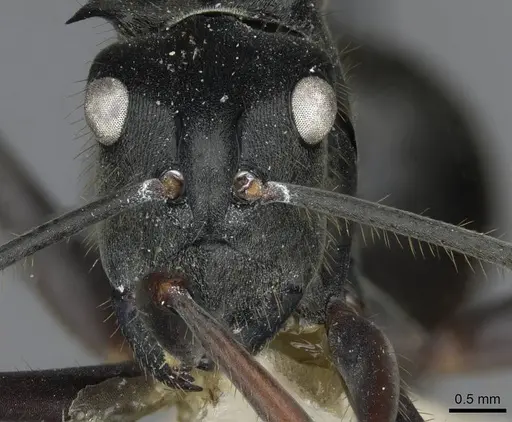
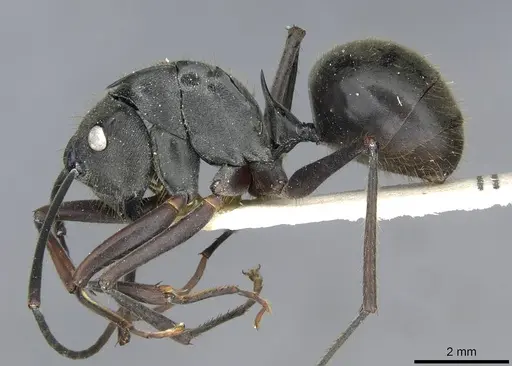
Polyrhachis spinigera is an ant species of the genus Polyrhachis. It is primarily documented in 1 countries , including Indonesia. Detailed taxonomic data and occurrence records can be further explored via authoritative databases such as AntWeb or the Global Biodiversity Information Facility (GBIF).
Polyrhachis spinigera
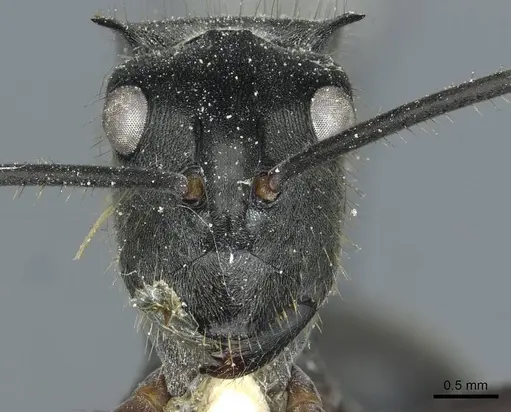
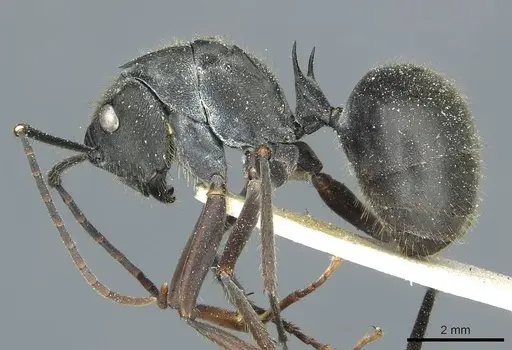
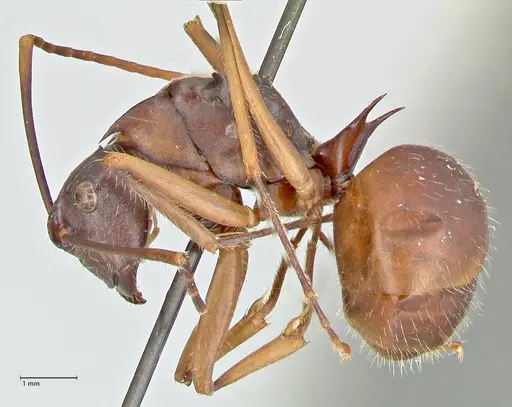
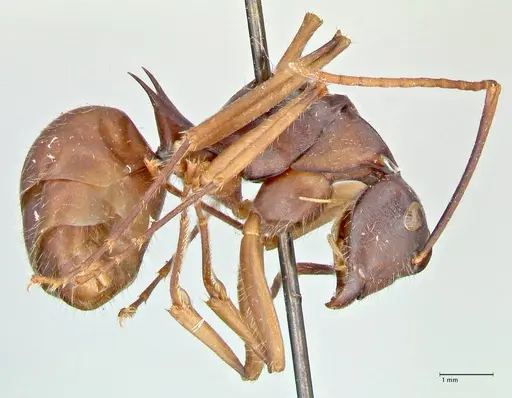
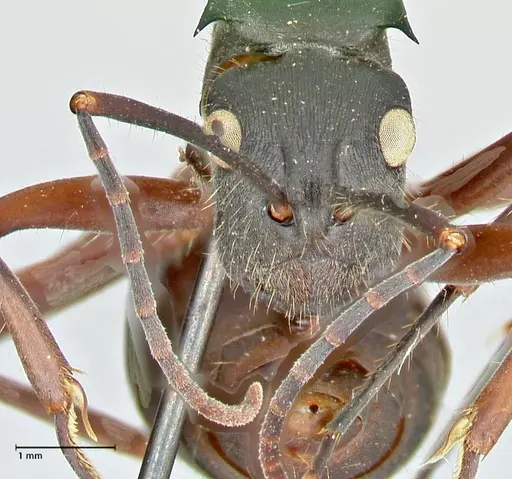
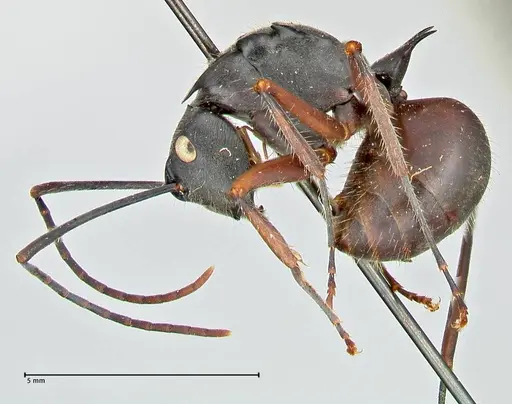
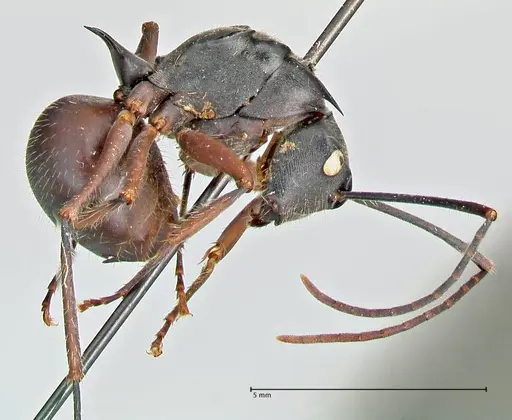
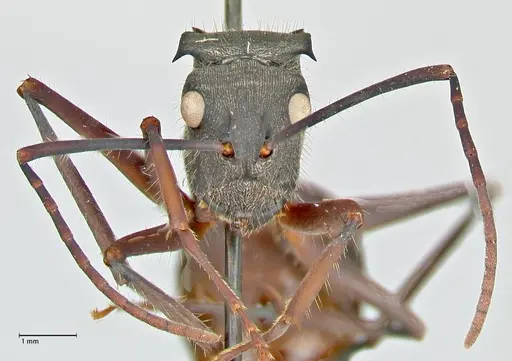
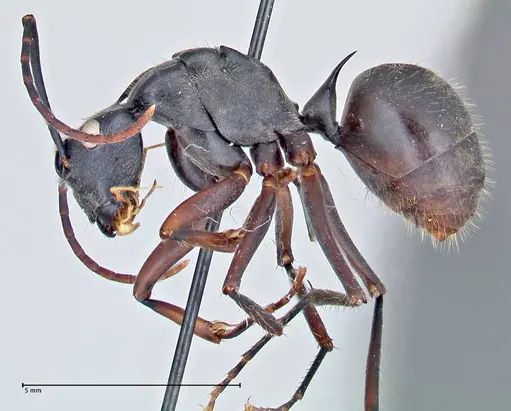
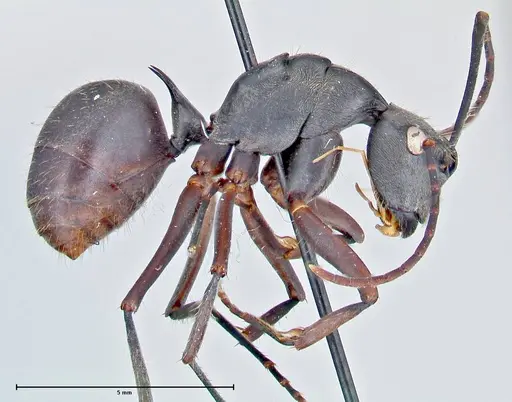
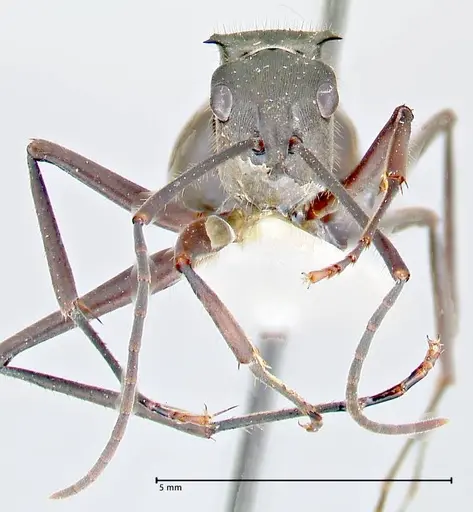
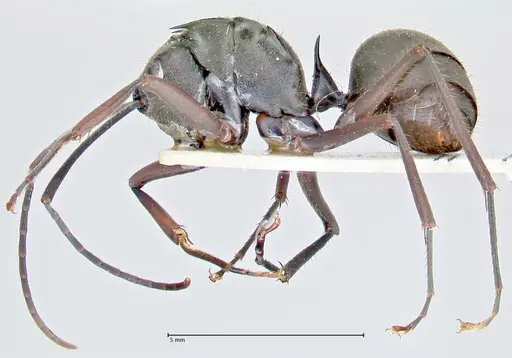
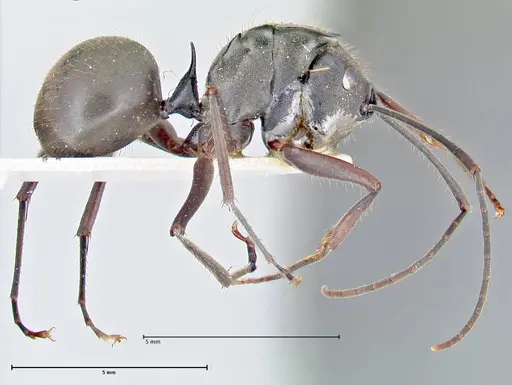
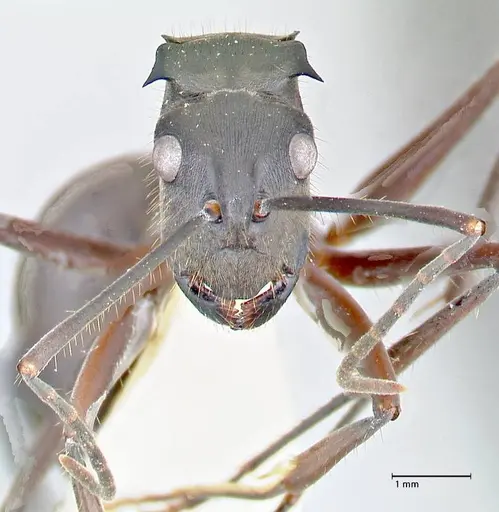
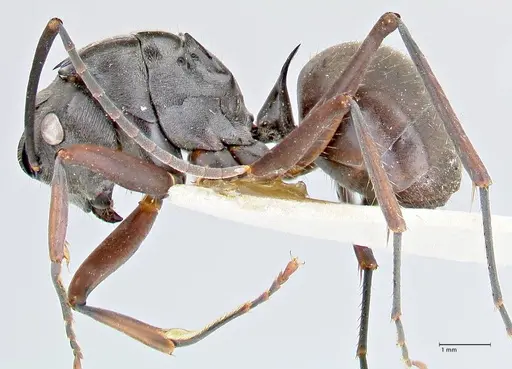
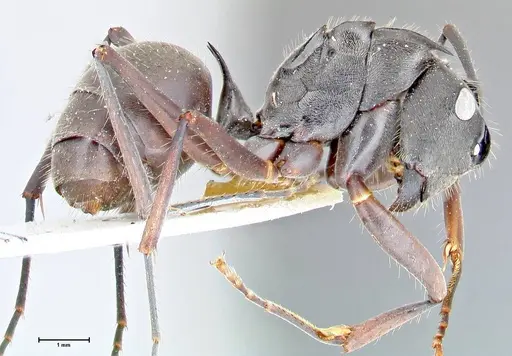
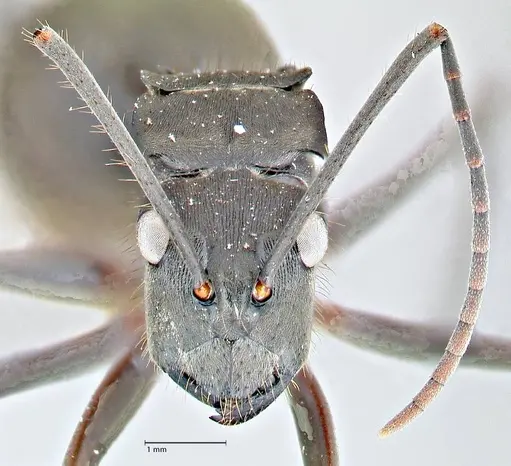
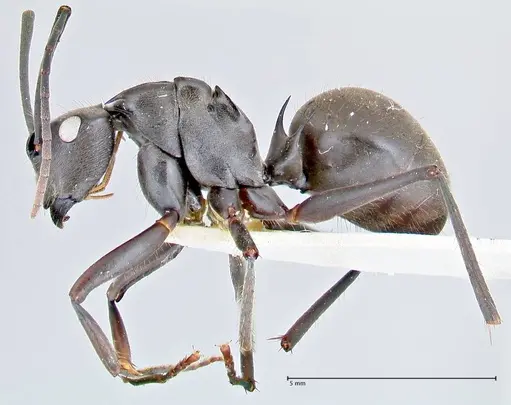
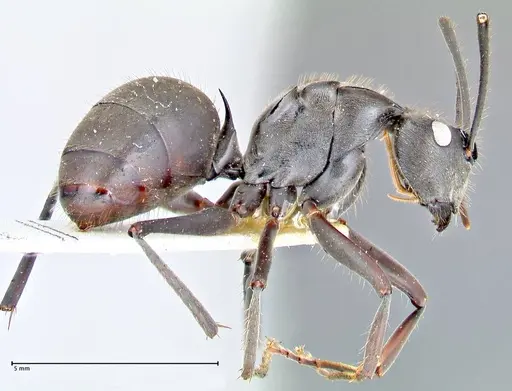
Polyrhachis spinigeraa is a medium-sized ant species native to India and Sri Lanka. Workers measure around 6-8mm and feature distinctive hooked spines on their rear section (propodeum), which gives them their common name 'spiny ant'. They have a dark brown to black coloration with subtle sculpturing on their body. This species is part of the Formicinae subfamily and is morphologically distinct from related species like P. simplex, P. grisescens, and P. palaearctica, with particularly powerful and hook-shaped propodeal spines [1]. Unlike many ground-nesting ants, P. spinigera constructs nests by weaving together twigs of spiny shrubs using a web-like material, making them arboreal nesters [2].
Quick Summary
- Difficulty: Medium
- Origin & Habitat: Native to the Indomalaya region, specifically India (Calcutta/Bengal, Assam, West Bengal) and Sri Lanka (Ceylon). They inhabit tropical and subtropical regions where they nest in shrubs and vegetation, binding twigs together with silk-like webbing [2][3][4].
- Colony Type: Colony structure is not well-documented in scientific literature. Based on typical Polyrhachis patterns, they likely establish single-queen (monogyne) colonies, though this requires confirmation for this specific species.
- Size & Growth:
- Queen: Estimated 8-10mm based on genus Polyrhachis patterns, not directly measured for this species
- Worker: Approximately 6-8mm [1]
- Colony: Estimated moderate-sized colonies, likely several hundred workers based on typical genus patterns
- Growth: Moderate, estimated based on related Polyrhachis species
- Development: Estimated 6-10 weeks at optimal tropical temperatures (25-28°C) based on genus-level data for Polyrhachis (Development time is inferred from related tropical Polyrhachis species, specific data for P. spinigera is unavailable)
- Antkeeping:
- Temperature: Keep at 24-28°C. Being a tropical species from India/Sri Lanka, they require warm conditions. A heating cable on one side of the nest creates a suitable gradient.
- Humidity: Moderate to high humidity (60-80%). Their natural shrub-nesting habitat suggests they prefer humid conditions with good ventilation to prevent mold. Keep the nest area moist but not waterlogged.
- Diapause: Likely minimal or no true diapause, as a tropical species, they probably remain active year-round with slight slowing during cooler months. Do not hibernate below 15°C.
- Nesting: This species naturally nests in shrubs by weaving twigs together. In captivity, they do well in naturalistic setups with vegetation/twigs, Y-tong (AAC) nests, or acrylic nests with rough surfaces for grip. They prefer nests with multiple chambers connected by narrow passages.
- Behavior: Generally calm and non-aggressive for a Polyrhachis species. Workers are active foragers that search for nectar, honeydew, and small insects. They are not known to be particularly defensive and rarely sting. Escape risk is moderate, their medium size means standard barrier methods work well, but they can climb smooth surfaces. They are primarily arboreal in nature, so provide climbing structures in the outworld.
- Common Issues: tropical species may struggle in cool or dry environments, monitor temperature and humidity closely, natural nesting behavior (weaving twigs) may be difficult to replicate, leading to stress in simple setups, colonies grow moderately slow compared to some common species, patience is required, poor ventilation combined with high humidity can cause mold problems, wild-caught colonies may carry parasites or diseases that are difficult to treat
Nest Preferences and Housing
Polyrhachis spinigeraa naturally nests in shrubs by using web-like material to bind together twigs and small branches [2]. This arboreal nesting behavior is distinctive among ants and reflects their tropical forest habitat. In captivity, you can accommodate this behavior in several ways. A naturalistic setup with live or artificial plants/twigs works well, provide small twigs or branches that the ants can potentially use for nest construction. Y-tong (AAC) nests are also suitable, as these provide the dark, enclosed spaces they prefer while allowing you to add small twigs or textures. Acrylic nests with rough interior surfaces can work too. Regardless of nest type, ensure there are adequate climbing structures in the outworld since these ants are arboreal by nature. Avoid smooth, featureless setups that don't allow for their natural climbing and weaving behaviors.
Temperature and Heating Requirements
Being a tropical species from India and Sri Lanka, P. spinigera requires warm temperatures to thrive. Maintain nest temperatures between 24-28°C, with a slight gradient allowing workers to regulate their exposure to heat. Room temperature alone is often insufficient, especially in cooler climates. A heating cable placed on top of the nest (never underneath, as this can cause drying) works well to maintain stable warmth. Monitor temperatures with a digital thermometer placed near the nest. During winter or in air-conditioned spaces, supplemental heating becomes critical. Avoid temperatures above 32°C or below 20°C for extended periods. Signs of being too cold include reduced activity, workers clustering together, and slowed brood development.
Feeding and Diet
Like most Polyrhachis species, P. spinigera is omnivorous with a preference for sweet liquids and protein. Offer sugar water, honey, or diluted maple syrup as a constant energy source, these ants will readily accept sugary liquids. For protein, provide small insects such as fruit flies, small crickets, mealworms, or other appropriately-sized prey. They are active foragers, so place food in accessible locations in the outworld. Feed protein 2-3 times per week, removing any uneaten prey after 24-48 hours to prevent mold. Fresh water should always be available. Unlike some specialized predators, these ants are generalists and will accept a wide variety of foods, making them relatively easy to feed.
Humidity and Water
P. spinigera requires moderate to high humidity levels, reflecting their tropical shrub habitat. Aim for 60-80% relative humidity in the nest area. Keep the nest substrate or water reservoir consistently moist but never waterlogged, standing water can drown colonies and promote mold. A test tube water reservoir connected to the nest works well for maintaining humidity through evaporation. Observe the ants' behavior: if they cluster near moisture sources, humidity may be too low, if you see excessive condensation or mold, increase ventilation and reduce moisture. Good ventilation is essential, these ants need fresh air despite their humidity requirements. Mist the outworld occasionally, but avoid direct misting of the nest.
Behavior and Colony Dynamics
Polyrhachis spinigeraa workers are active and agile foragers that readily explore their surroundings. They are generally calm-tempered compared to some other ant species and are not particularly aggressive or prone to stinging. Their distinctive spines serve as a defensive adaptation, making them less vulnerable to predators. Colonies establish themselves relatively slowly, expect the first few months after founding to focus on establishing a stable worker population. Workers communicate through chemical trails and will recruit nestmates to food discoveries. The species shows typical Formicinae behavior with single mating flights. As the colony grows, you'll see increased activity levels and more complex foraging patterns. [1]
Frequently Asked Questions
How long does it take for Polyrhachis spinigera to produce first workers?
Based on related Polyrhachis species, expect 6-10 weeks from egg to first worker at optimal temperatures (25-28°C). This is an estimate since specific development data for P. spinigera is not available. The queen will remain sealed in her founding chamber until the first workers emerge.
What is the best nest type for Polyrhachis spinigera?
Y-tong (AAC) nests or naturalistic setups with twigs and climbing structures work best. These ants are arboreal by nature and prefer dark, enclosed spaces with opportunities to climb. Avoid bare acrylic nests without texture or climbing opportunities.
What temperature do Polyrhachis spinigera need?
Keep them at 24-28°C. This tropical species requires warm conditions year-round. A heating cable on the nest helps maintain proper temperatures, especially in cooler environments.
How big do Polyrhachis spinigera colonies get?
Based on typical Polyrhachis patterns, colonies likely reach several hundred workers. Specific colony size data for this species is not documented, but they are not considered supercolony-forming.
Can I keep multiple Polyrhachis spinigera queens together?
Not recommended without specific documentation. While some Polyrhachis can be polygynous, combining unrelated queens of this species has not been studied. It's safest to start with a single queen colony.
What do Polyrhachis spinigera eat?
They accept sugar water, honey, or maple syrup plus small insects like fruit flies, crickets, or mealworms. Offer protein 2-3 times weekly and keep a constant sugar water source available.
Do Polyrhachis spinigera need hibernation?
No, as a tropical species from India/Sri Lanka, they do not require true hibernation. They may slow slightly during cooler months but should be kept warm (above 20°C) year-round.
Are Polyrhachis spinigera good for beginners?
They are rated Medium difficulty. While not as challenging as some exotic species, they do require warm temperatures and appropriate humidity. Beginners should be comfortable with maintaining tropical conditions before acquiring this species.
Why is my Polyrhachis spinigera colony declining?
Common causes include temperatures below 20°C, humidity too low or too high, poor ventilation causing mold, or insufficient protein in their diet. Check all parameters and ensure you're providing varied, appropriate food.
References

This caresheet is licensed under CC BY-SA 4.0 .
CASENT0905618
View on AntWeb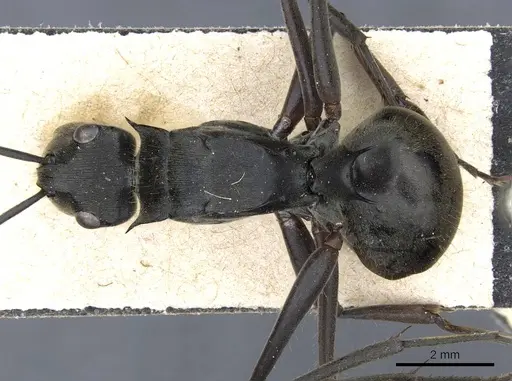
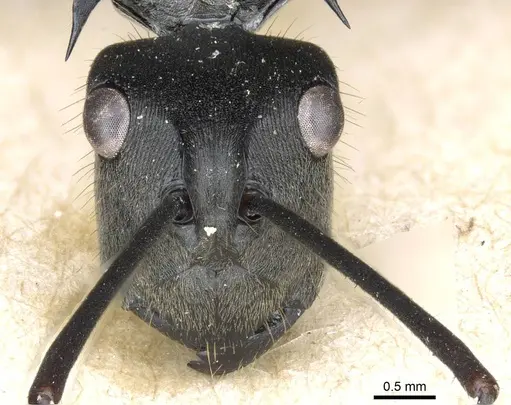
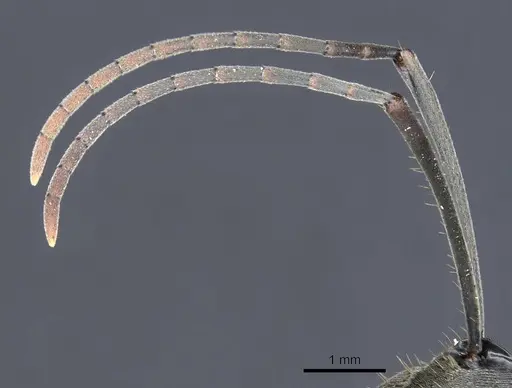
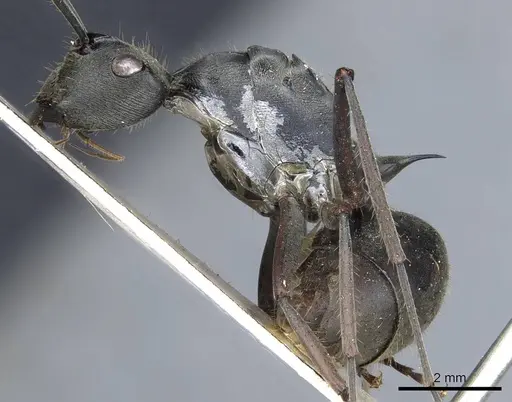
CASENT0910917
View on AntWeb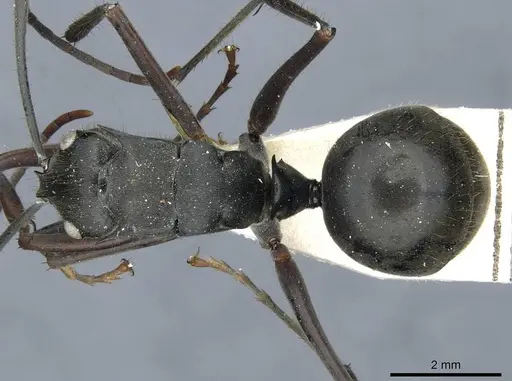
CASENT0912118
View on AntWeb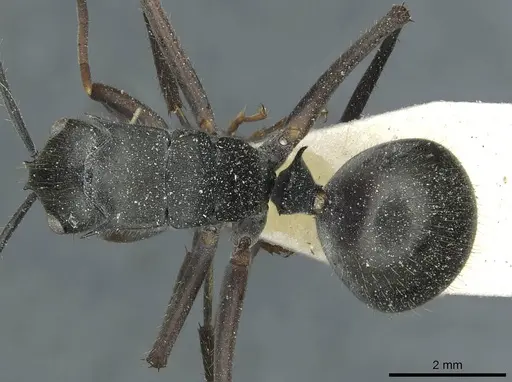
FOCOL2603
View on AntWeb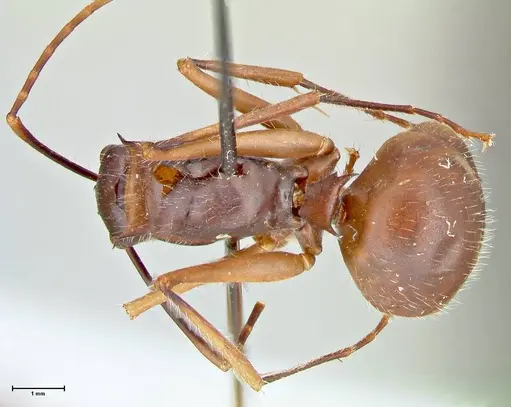
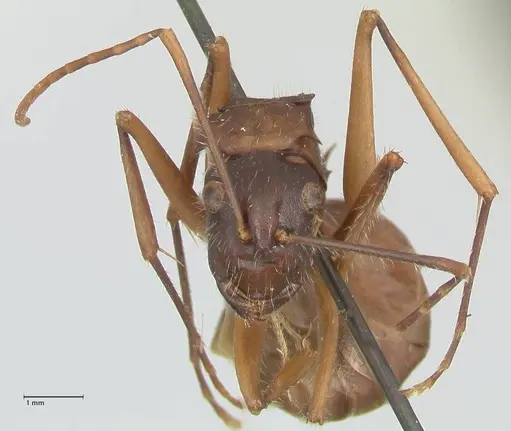
FOCOL2604
View on AntWeb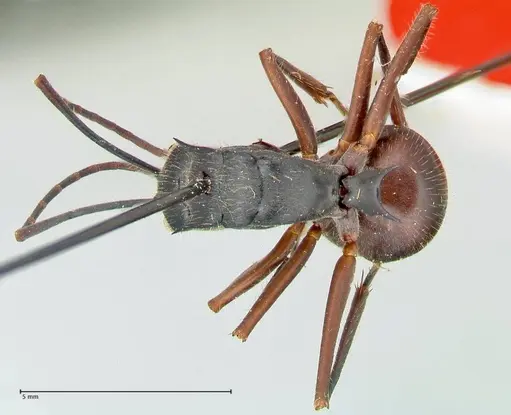
FOCOL2605
View on AntWeb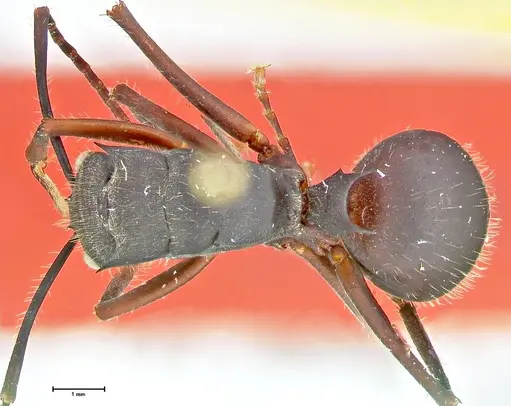
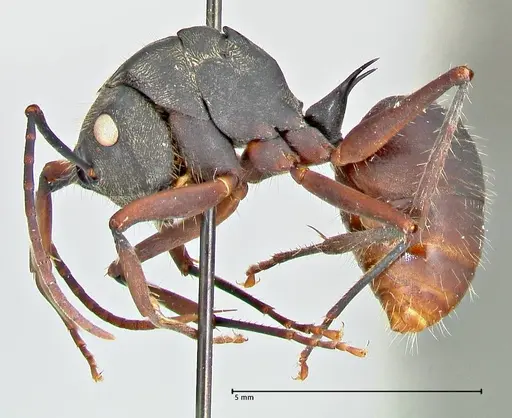
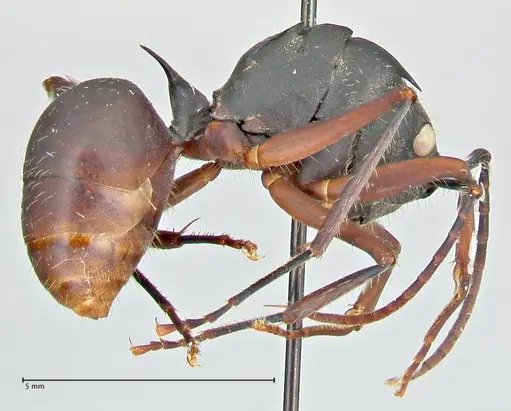
FOCOL2606
View on AntWeb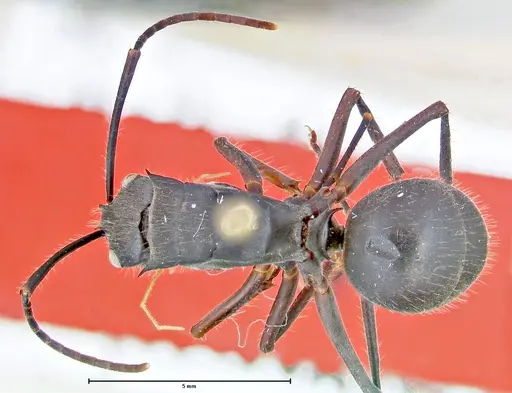
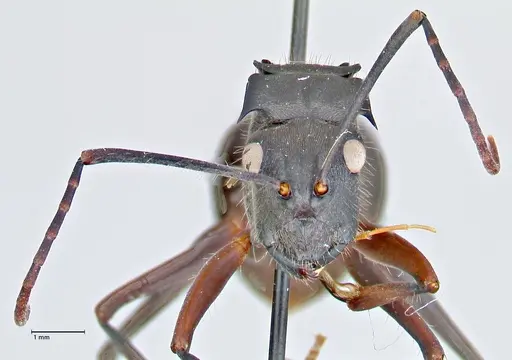
FOCOL2637
View on AntWeb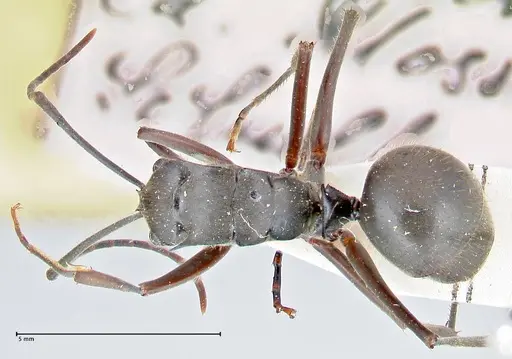
FOCOL2638
View on AntWeb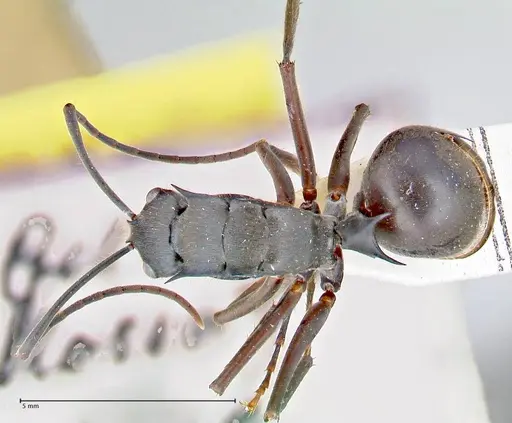
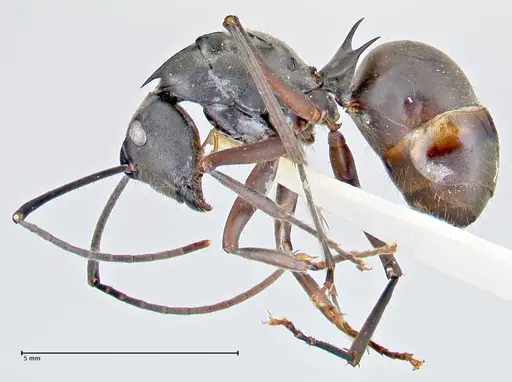
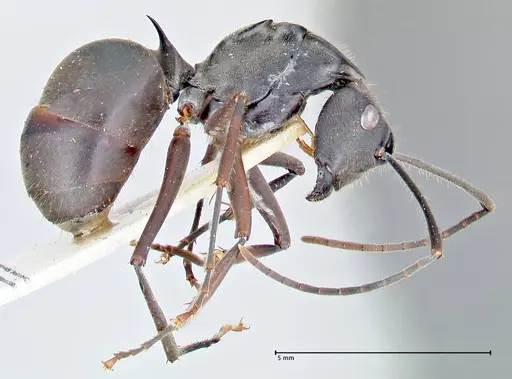
FOCOL2639
View on AntWeb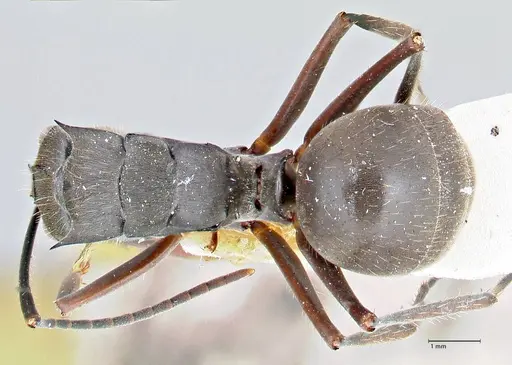
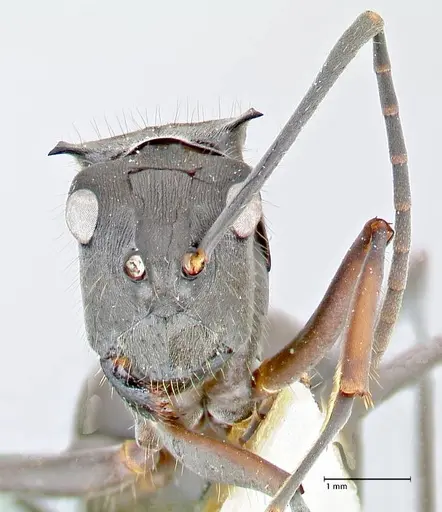
FOCOL2640
View on AntWeb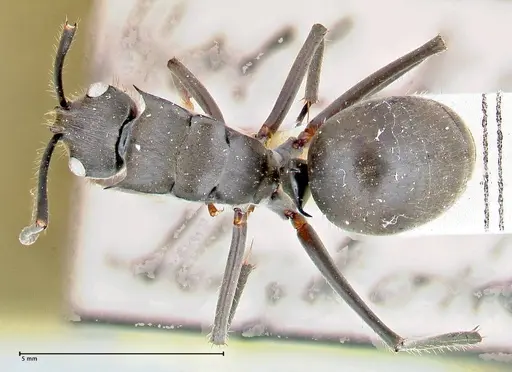
Literature
Loading...Loading products...