

Polyrhachis similis
- Scientific Name
- Polyrhachis similis
- Subgenus
- Myrma
- Tribe
- Camponotini
- Subfamily
- Formicinae
- Author
- Viehmeyer, 1912
- Distribution
- Found in 2 countries
Polyrhachis similis Overview
Polyrhachis similis is an ant species of the genus Polyrhachis. It is primarily documented in 2 countries , including Papua New Guinea, Solomon Islands. Detailed taxonomic data and occurrence records can be further explored via authoritative databases such as AntWeb or the Global Biodiversity Information Facility (GBIF).
Polyrhachis similis
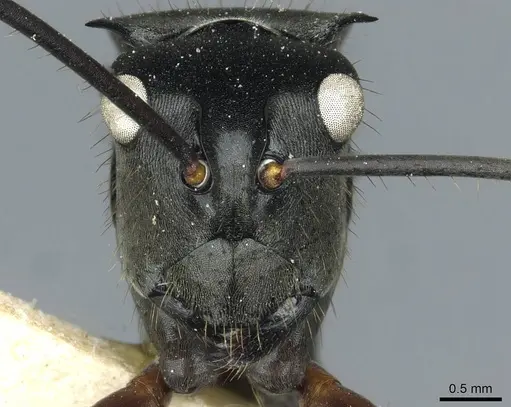
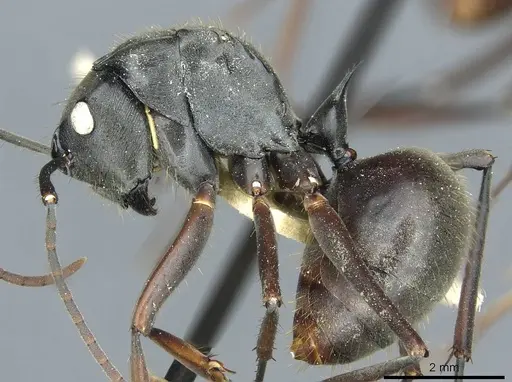
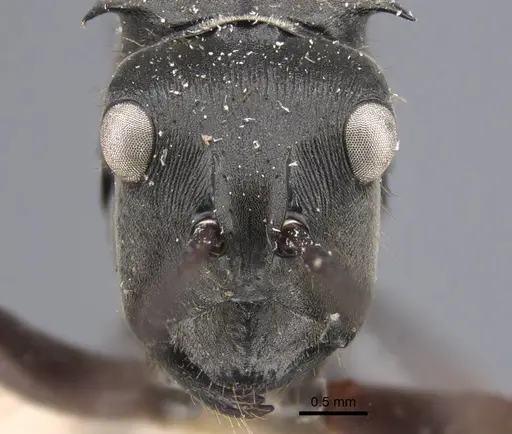
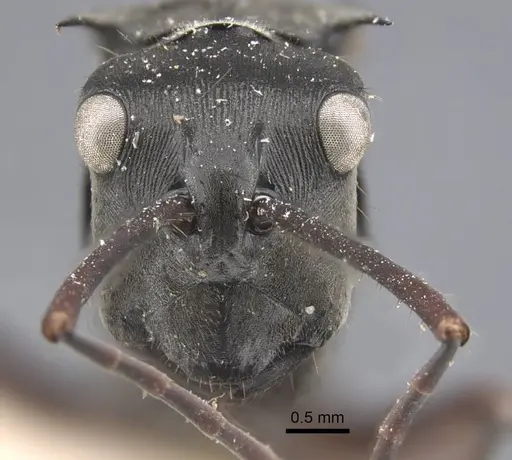
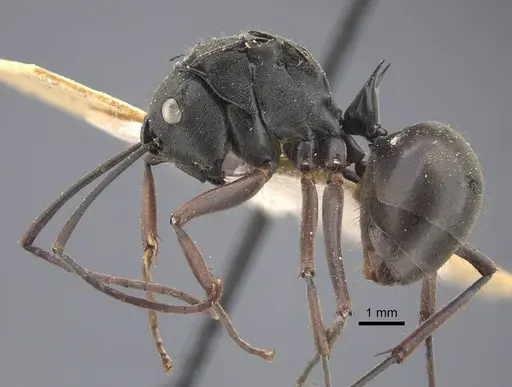
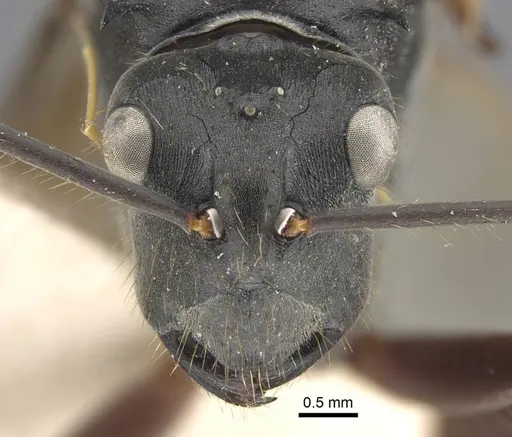
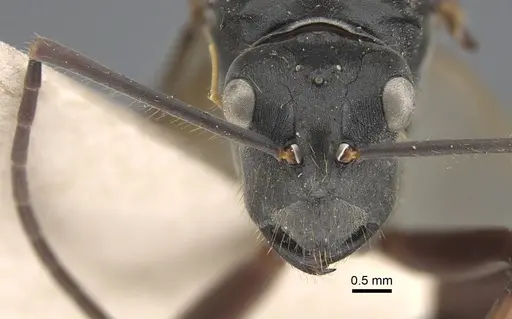
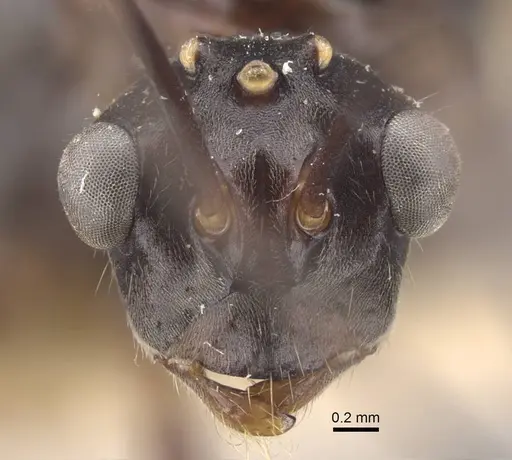
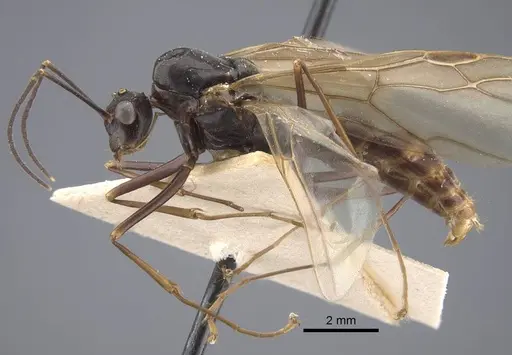
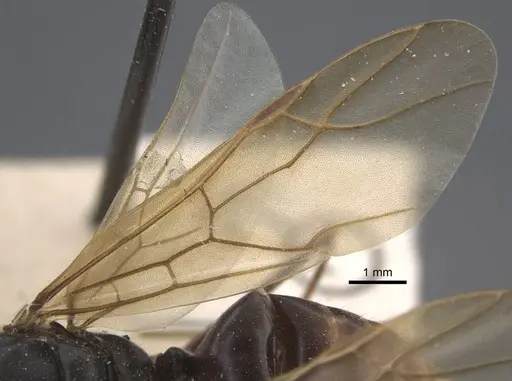
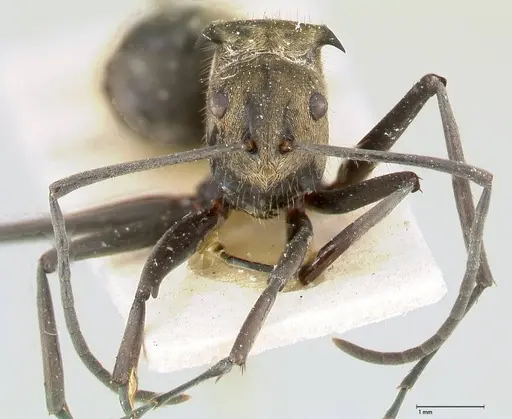
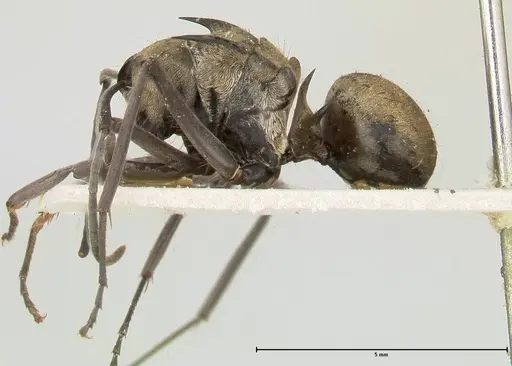
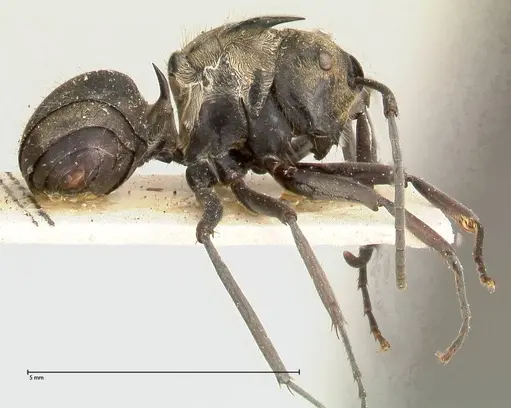
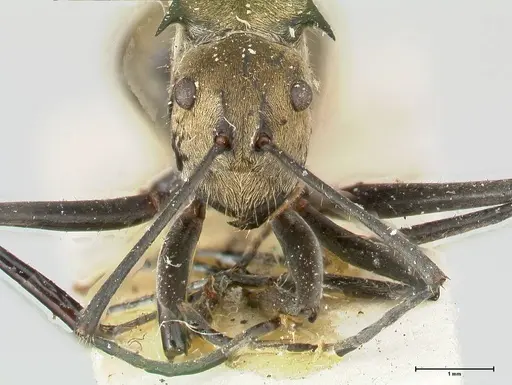
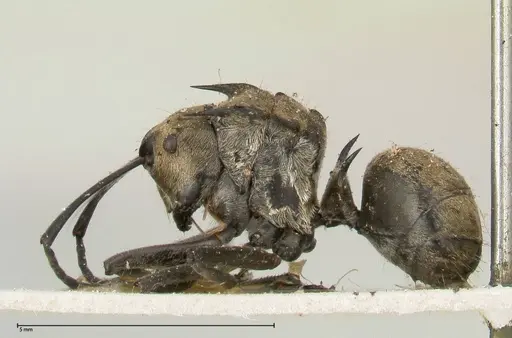
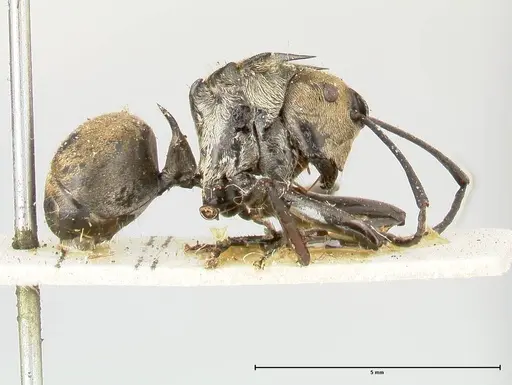
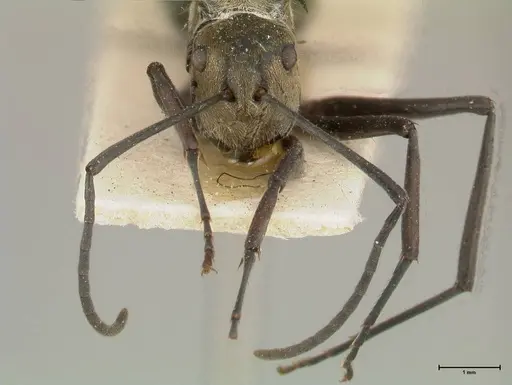
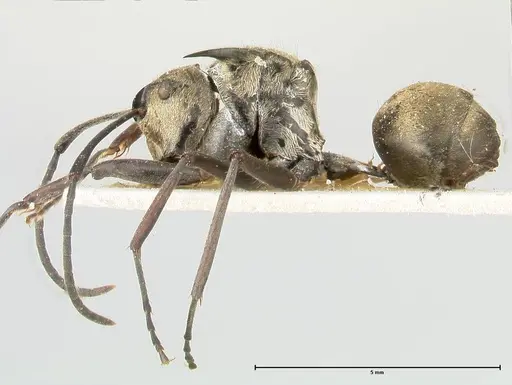
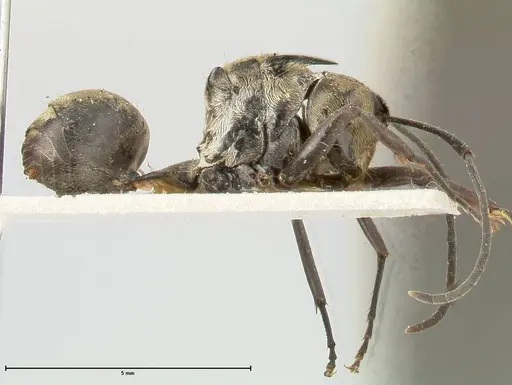
Polyrhachis similis is a medium-sized ant species belonging to the Formicinae subfamily, found across New Guinea and the Solomon Islands. Workers are characterized by their distinctive spiny thorax, a common trait in the Polyrhachis genus, with a dark brown to black coloration. The species was originally described by Viehmeyer in 1912 from New Guinea specimens, with a subspecies variant (angustior) also recognized [1]. These ants inhabit tropical rainforest environments in their native range, typically nesting in soil or under stones in humid, shaded areas.
Quick Summary
- Difficulty: Medium
- Origin & Habitat: Native to New Guinea and the Solomon Islands (including Makira, Guadalcanal, San Cristobal, Bio, Ugi, Florida, Ysabel, Russell, New Georgia, and Rubiana Lagoon). They live in tropical rainforest habitats, nesting in soil or under stones in humid, shaded locations [1][2].
- Colony Type: Colony structure is unconfirmed. Based on typical Polyrhachis patterns, likely single-queen (monogyne) colonies, though some related species can have multiple queens.
- Size & Growth:
- Queen: Estimated 10-12mm based on genus patterns, not directly measured for this species
- Worker: Estimated 6-8mm based on genus patterns, worker described by Viehmeyer 1912 but exact measurements not recorded [1]
- Colony: Unknown for this species, related Polyrhachis species typically reach several hundred workers
- Growth: Moderate, estimated based on tropical Formicinae patterns
- Development: Estimated 6-10 weeks at optimal tropical temperatures (25-28°C), based on genus-level data for related species (Development time is estimated from typical Polyrhachis patterns, specific data for this species is unavailable)
- Antkeeping:
- Temperature: Keep at 24-28°C. Being a tropical species, they need consistent warmth. A heating cable on one side of the nest creates a suitable gradient
- Humidity: High humidity (70-85%) is essential. These forest-floor ants need moist substrate, keep the nest substrate consistently damp but not waterlogged. Mist occasionally and provide a water tube
- Diapause: No true diapause required. Being tropical, they do not need hibernation. However, slightly cooler temperatures (around 22°C) during winter months may be appropriate if you're mimicking natural seasonal cycles
- Nesting: They do well in Y-tong (AAC) nests, plaster nests, or naturalistic setups with soil. Provide a moisture reservoir. They prefer dark, humid nest chambers. Avoid dry, exposed setups
- Behavior: Polyrhachis similis is generally calm and not particularly aggressive. Workers are active foragers, both on the ground and up into vegetation. They have a moderate escape risk, use standard barrier methods (Fluon on container edges). They are not known for stinging, though they may bite if provoked. As Formicinae, they lack a functional stinger but can spray formic acid as a defense
- Common Issues: humidity control is critical, too dry and colonies will fail to thrive, tropical species needs consistent warmth, cold drafts can be fatal, wild-caught colonies may have parasites or diseases that cause captive failures, slow founding phase, new keepers may lose patience with claustral queens, limited availability makes this species difficult to acquire
Natural History and Distribution
Polyrhachis similis is native to the Australasian region, specifically New Guinea and the Solomon Islands archipelago. The species was first described in 1912 from specimens collected in German New Guinea (now Papua New Guinea) [1]. Later surveys documented its presence throughout the Solomon Islands, including Makira, Guadalcanal, San Cristobal, Bio, Ugi, Florida, Ysabel, Russell, New Georgia, and Rubiana Lagoon [1][2].
In their natural habitat, these ants live in tropical rainforest environments where humidity is consistently high. They typically nest in soil or under stones in shaded areas, taking advantage of the stable microclimate provided by the forest floor. The warm, humid conditions of their native range (near-equator latitudes) shape their care requirements in captivity.
Housing and Nest Setup
For Polyrhachis similis, Y-tong (AAC) nests or plaster nests work well because they hold humidity effectively. The nest should be dark, these ants prefer dim, enclosed spaces rather than bright, exposed areas. Include a water reservoir or moisture chamber to maintain humidity levels.
A naturalistic setup with a soil layer and hiding spots like stones or cork bark also works. This mimics their natural forest-floor nesting preferences. Keep the outworld simple: a foraging area with easy access to food and water.
Temperature should be maintained at 24-28°C using a heating cable if your room temperature is below this range. Place the heating cable on top of the nest, not underneath, to avoid drying out the substrate. Humidity should stay around 75-85%, check that condensation forms occasionally on the nest walls.
Feeding and Diet
Like most Formicinae ants, Polyrhachis similis is omnivorous. They will accept sugar sources (honey water, sugar water) and protein foods (insects, mealworms, crickets). In the wild, they forage for honeydew from aphids and scale insects, plus small invertebrates.
Feed them a mix of sugar water (always available) and protein foods 2-3 times per week. Remove uneaten prey after 24 hours to prevent mold. Fresh killed insects are preferred over dried ones. Some keepers report that Polyrhachis species accept fruit and small seeds occasionally, but protein should form the bulk of their diet.
Colony Development and Growth
Polyrhachis similis likely follows typical Formicinae founding behavior. The queen probably seals herself in a chamber (claustral founding) and survives on stored fat reserves until her first workers emerge. This means you should not disturb a founding queen or offer food during the founding phase, she has everything she needs inside her.
First workers (nanitics) will be smaller than mature workers. After the nanitics emerge, the colony enters a growth phase. Expect moderate growth rate, a healthy colony may reach 50-100 workers in the first year under good conditions. Full maturity, with several hundred workers, may take 2-3 years.
The key to successful colony development is stable warmth and humidity. Fluctuations in either can cause brood death or colony decline.
Seasonal Care
As a tropical species, Polyrhachis similis does not require true hibernation. However, slight seasonal adjustments can be beneficial. During winter months (if you're in a temperate climate), you can reduce temperatures by a few degrees to around 22°C, but do not let them get cold.
Keep feeding year-round, just slightly less frequently in winter if temperatures are lower. Maintain humidity even in winter, indoor heating can dry out nests quickly. Check water tubes more frequently during cold weather when evaporation rates change.
These ants are active year-round in the wild, so they do not enter dormancy. But they may show slightly reduced activity in cooler conditions, which is normal.
Frequently Asked Questions
How long does it take for Polyrhachis similis to produce first workers?
Based on typical Formicinae development, expect first workers (nanitics) around 6-10 weeks after the queen lays eggs, assuming temperatures around 25-28°C. This is an estimate since specific development data for this species is not available.
What temperature do Polyrhachis similis ants need?
Keep them at 24-28°C. Being a tropical species from New Guinea and the Solomon Islands, they need consistent warmth. A heating cable on the nest can help maintain these temperatures, especially in cooler climates.
How big do Polyrhachis similis colonies get?
Colony size is not documented for this specific species, but related Polyrhachis species typically reach several hundred workers. Expect 2-3 years to reach moderate colony size under good conditions.
What do Polyrhachis similis eat?
They are omnivorous. Offer sugar water or honey constantly, plus protein sources like insects (mealworms, crickets, fruit flies) 2-3 times per week. They forage actively and will take a variety of foods.
Are Polyrhachis similis good for beginners?
This species is rated as medium difficulty. While not the hardest ant to keep, the need for high humidity and warm temperatures makes it slightly more demanding than temperate species. Experienced beginners who can maintain stable conditions should do well.
Do Polyrhachis similis need hibernation?
No. As a tropical species from near the equator, they do not require hibernation or diapause. Keep them warm year-round (24-28°C) for optimal health and growth.
Can I keep multiple Polyrhachis similis queens together?
This is not recommended. There is no data on whether this species accepts multiple queens (pleometrosis). Unless you have specific evidence otherwise, start with a single queen for best success.
Why is my Polyrhachis similis colony dying?
The most common causes are: low humidity (below 70%), cold temperatures (below 22°C), disturbance during founding, or poor nutrition. Check your setup and make adjustments. Wild-caught colonies may also carry parasites.
When should I move Polyrhachis similis to a formicarium?
Wait until the colony has at least 20-30 workers before moving them. They do well in test tubes for the founding phase and early growth. A move to a larger nest (Y-tong, plaster, or naturalistic) is appropriate once the colony outgrows the test tube.
References

This caresheet is licensed under CC BY-SA 4.0 .
CASENT0912117
View on AntWeb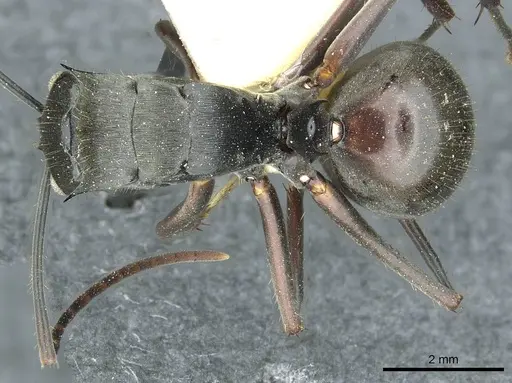
CASENT0917284
View on AntWeb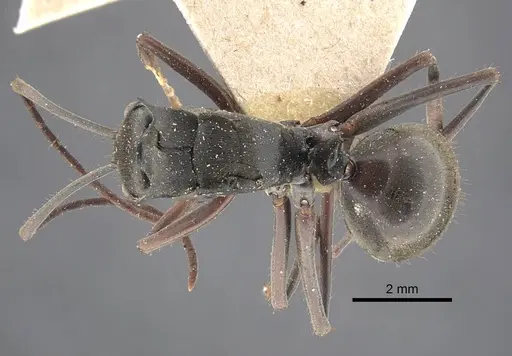
CASENT0917285
View on AntWeb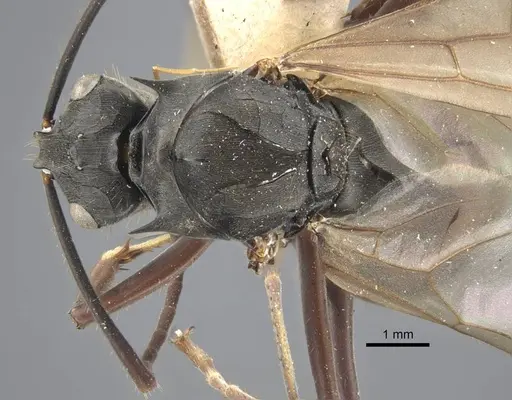
CASENT0917286
View on AntWeb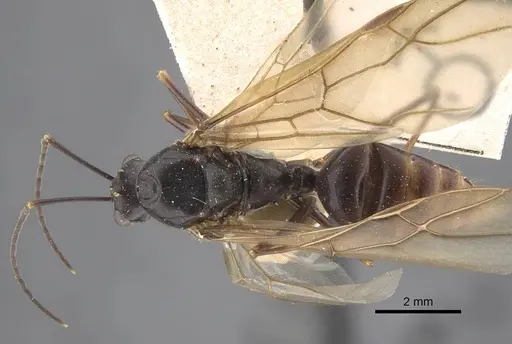
FOCOL0440
View on AntWeb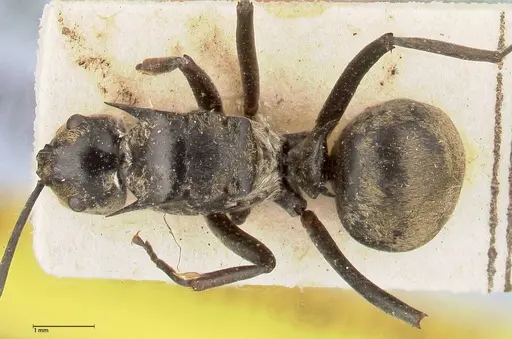
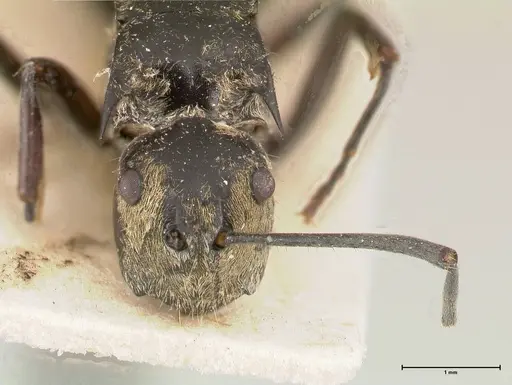
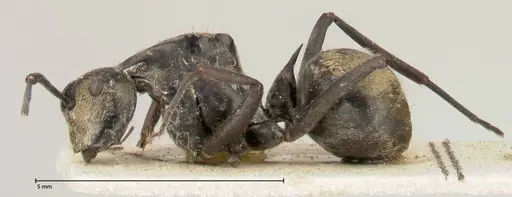
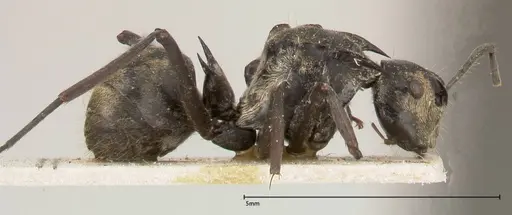
FOCOL0445
View on AntWeb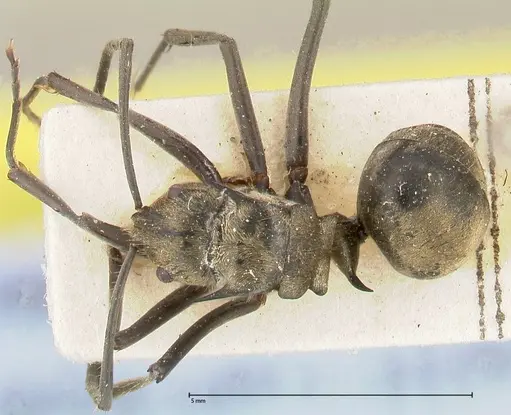
FOCOL0446
View on AntWeb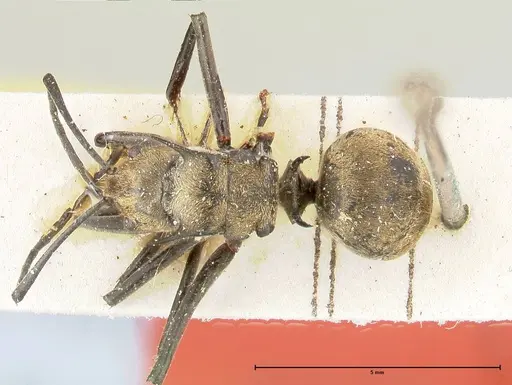
FOCOL0447
View on AntWeb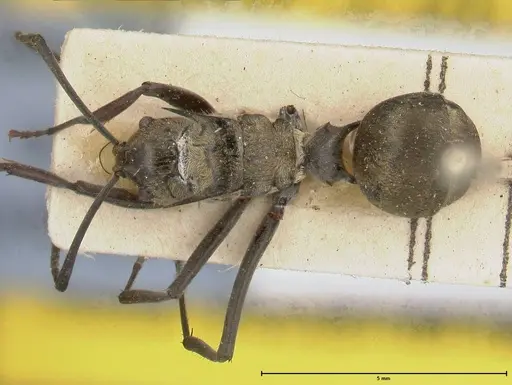
Literature
Loading...Loading products...