

Polyrhachis sidnica
- Scientific Name
- Polyrhachis sidnica
- Subgenus
- Campomyrma
- Tribe
- Camponotini
- Subfamily
- Formicinae
- Author
- Mayr, 1866
- Distribution
- Found in 1 countries
Polyrhachis sidnica Overview
Polyrhachis sidnica is an ant species of the genus Polyrhachis. It is primarily documented in 1 countries , including Australia. Detailed taxonomic data and occurrence records can be further explored via authoritative databases such as AntWeb or the Global Biodiversity Information Facility (GBIF).
Polyrhachis sidnica
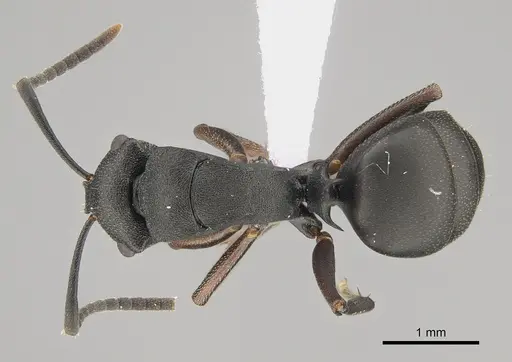
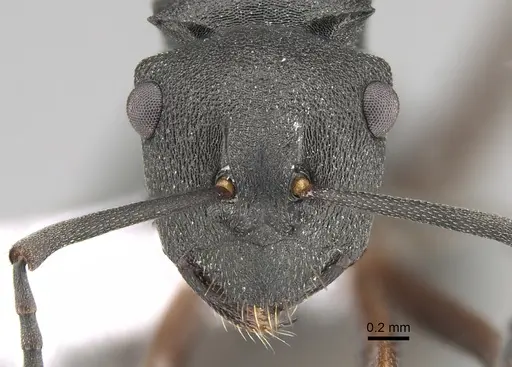
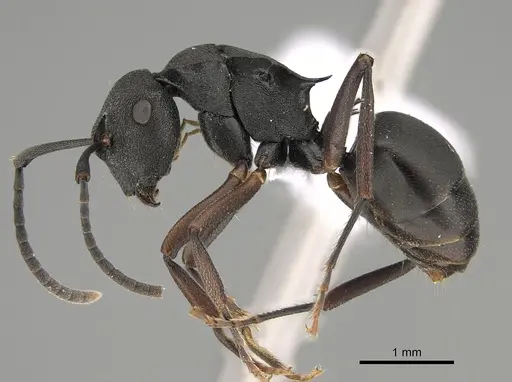
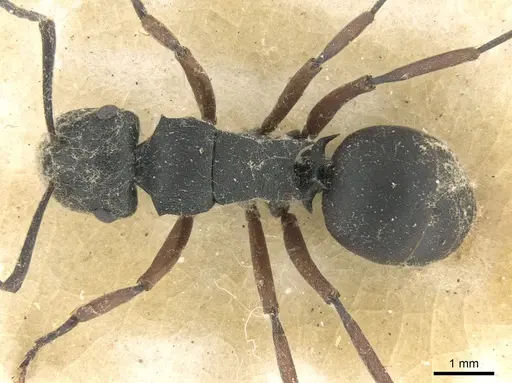
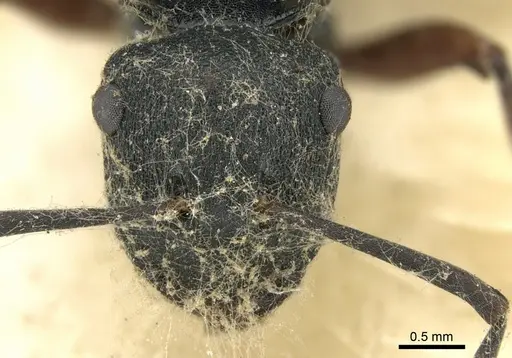
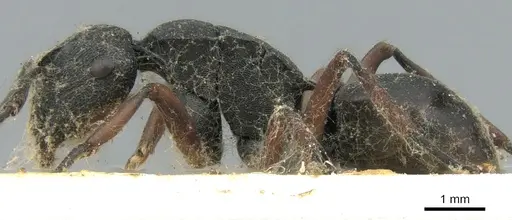
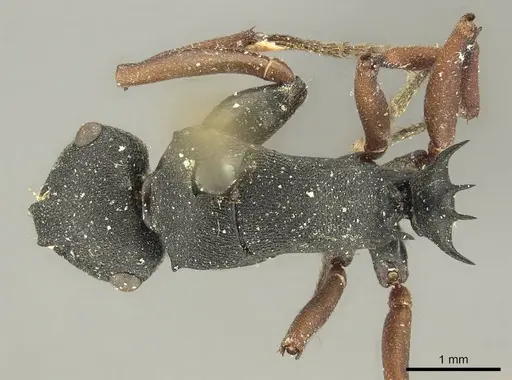
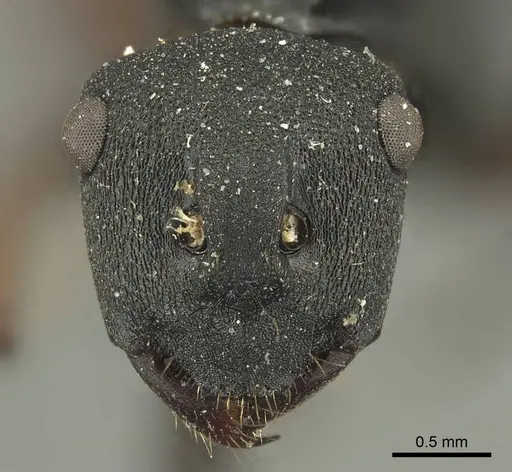
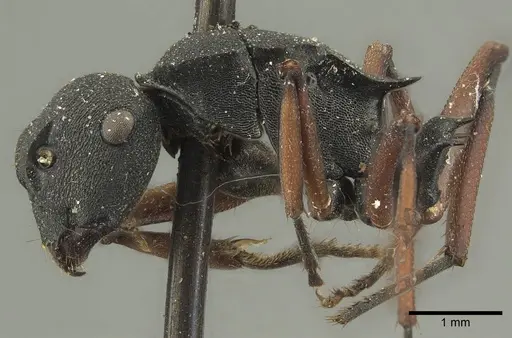
Polyrhachis sidnica is a small to medium-sized ant native to Australia, belonging to the subgenus Campomyrma. Workers are relatively small compared to many other Polyrhachis species, with the characteristic hooked spines on the back of the thorax that give this genus its common name of 'spiny ants' or 'spider ants' [1]. The species was originally described by Mayr in 1866 and was later confirmed as the senior synonym of Polyrhachis sidnica quadricuspis. These ants nest underground in subterranean chambers, and like other Campomyrma species, they spin cocoons around their pupae rather than having naked pupae [2].
Quick Summary
- Difficulty: Medium
- Origin & Habitat: Eastern Australia, these ants are found in mesic (moderately moist) habitats across eastern Australia. As subterranean nesters, they typically create nests in soil or under stones in natural areas [2][3].
- Colony Type: Colony structure is not well documented for this specific species. Based on typical Polyrhachis patterns, they are likely monogyne (single queen colonies), though some related species can be polygynous. More research is needed to confirm the exact colony structure.
- Founding: Claustral
- Size & Growth:
- Queen: Estimated 8-10mm based on genus patterns, not directly measured for this species
- Worker: Relatively small, approximately 5-7mm based on genus patterns for Campomyrma species [1]
- Colony: Unknown for this specific species, related Polyrhachis colonies typically reach several hundred workers
- Growth: Moderate, based on typical Polyrhachis development patterns
- Development: Estimated 6-10 weeks at optimal temperature based on related Polyrhachis species (Cocoon stage is present, which adds time to development compared to species with naked pupae [2])
- Antkeeping:
- Temperature: Keep at room temperature, roughly 20-26°C. As Australian natives, they can tolerate a range of temperatures but avoid extremes. A gentle heat gradient on one side of the nest allows them to self-regulate.
- Humidity: Subterranean nesters need moderate to high humidity. Keep the nest substrate consistently moist but not waterlogged. The substrate should feel damp to the touch with some slightly drier areas available.
- Diapause: Likely, Australian temperate ants typically require a winter rest period. Reduce feeding and keep at 10-15°C for 2-3 months during winter.
- Nesting: Subterranean nesters prefer nests with soil or compactable substrate. Y-tong (AAC) nests with dirt chambers or naturalistic setups with compact soil work well. Avoid dry, airy setups.
- Behavior: These ants are generally non-aggressive and more reclusive due to their subterranean lifestyle. Workers forage primarily underground or along surface paths, though they may venture out for food. They are not known to be particularly defensive and rarely sting. Escape risk is moderate, they are not tiny ants but can climb smooth surfaces. Standard barrier precautions are sufficient.
- Common Issues: colonies may struggle if kept too dry, subterranean species need moisture, slow growth compared to faster-developing species can frustrate beginners, winter dormancy is often required but timing varies by region of origin, wild-caught colonies may have parasites that are difficult to detect, nests that are too ventilated can dry out quickly and kill brood
Nest Preferences and Housing
Polyrhachis sidnica is a subterranean nester, meaning they naturally dig chambers underground rather than nesting in wood or vegetation [2][3]. In captivity, they do best in nests that mimic underground conditions, Y-tong (AAC) nests with dirt chambers or fully naturalistic setups with compact soil work well. The key is providing consistent moisture in the nest material while avoiding flooding. Test tubes with cotton can work for founding colonies, but established colonies need more space and the ability to move brood between humidity zones. Avoid very dry setups or nests with excessive airflow, as these ants evolved in stable underground conditions where humidity remains relatively constant.
Feeding and Diet
In the wild, Polyrhachis species are generalist foragers that collect honeydew from aphids and scale insects, hunt small invertebrates, and scavenge protein sources. For your colony, offer a varied diet: sugar water or honey as a constant energy source, and protein (small crickets, mealworms, fruit flies) two to three times per week. Remove uneaten protein within 24 hours to prevent mold. These ants are not specialized predators, so any small arthropods they can handle will be accepted. Some keepers report that Polyrhachis species accept fruit and small amounts of seeds, but protein should form the bulk of their diet.
Temperature and Seasonal Care
As an Australian species from eastern Australia, Polyrhachis sidnica is adapted to temperate conditions with distinct seasons. Keep the nest at room temperature, roughly 20-26°C during the active season. They can tolerate temperatures on either end of this range but develop fastest in the middle. During winter (roughly May through August in the Southern Hemisphere), reduce temperatures to 10-15°C and cut back on feeding. This winter rest period is important for colony health and triggers reproductive behavior in spring. If your colony came from a specific region of Australia, try to match their seasonal cycle, ants from Queensland may need less dramatic cooling than those from Victoria.
Behavior and Colony Dynamics
Polyrhachis sidnica workers are relatively small and relatively docile compared to some other ant species. They are not aggressive defenders and rarely sting, making them a good choice for keepers who want to observe interesting behavior without danger. The colony will grow gradually over several years, with the queen laying eggs continuously during the warm season. Workers will tend the brood, forage for food, and maintain the nest. Unlike some Polyrhachis species that are arboreal, this species stays ground-focused. You may see workers carrying cocoons around the nest, this is normal as they relocate brood to optimize development conditions. [1]
Growth and Development
One key trait of Polyrhachis sidnica is that they spin cocoons around their pupae [2]. This is important because it means their development takes slightly longer than species with naked pupae, the cocoon must be constructed before the pupal stage completes. Based on typical Polyrhachis patterns, expect 6-10 weeks from egg to first worker at optimal temperature. The first workers (nanitics) will be smaller than subsequent workers and may take time to develop. Growth is moderate, don't expect the explosive expansion you see with some tropical species. Patience is key with this species.
Frequently Asked Questions
How long does it take for Polyrhachis sidnica to produce first workers?
Expect 6-10 weeks from egg to first worker at optimal temperature (around 22-25°C). This is slower than many ants because they spin cocoons around their pupae, which adds time to development.
Can I keep Polyrhachis sidnica in a test tube?
Yes, test tubes work well for founding colonies. Keep the water reservoir moderate-sized to prevent flooding, and ensure the cotton stays damp but not soaked. Move to a larger nest (Y-tong or naturalistic) once the colony reaches 20-30 workers.
What do Polyrhachis sidnica eat?
They are generalists, offer sugar water or honey constantly, and protein (small insects like fruit flies, pinhead crickets, or mealworms) 2-3 times per week. Remove uneaten protein within 24 hours.
Do Polyrhachis sidnica need hibernation?
Yes, they likely require a winter rest period. Reduce temperature to 10-15°C and cut feeding for 2-3 months during winter. This helps maintain colony health and triggers spring reproduction.
How big do Polyrhachis sidnica colonies get?
Colony size is not well documented for this species, but related Polyrhachis species typically reach several hundred workers over several years of growth.
What humidity do Polyrhachis sidnica need?
As subterranean nesters, they need moderate to high humidity. Keep the nest substrate consistently moist but not waterlogged. The substrate should feel damp to the touch.
Are Polyrhachis sidnica good for beginners?
They are moderate difficulty, not as challenging as some species but requiring more attention to humidity than desert ants. Their slower growth and winter dormancy requirements make them better suited for keepers with some experience.
When should I move my Polyrhachis sidnica to a formicarium?
Move them once the colony reaches 20-30 workers or when the test tube becomes crowded. A Y-tong nest with dirt chambers or a naturalistic setup works well for this subterranean species.
Why is my Polyrhachis sidnica colony dying?
The most common causes are: too dry nest conditions (subterranean species need moisture), improper temperature (too cold or extreme heat), or insufficient protein in diet. Check these factors first.
References

This caresheet is licensed under CC BY-SA 4.0 .
Literature
Loading...Loading products...