

Polyrhachis shixingensis
- Scientific Name
- Polyrhachis shixingensis
- Subgenus
- Campomyrma
- Tribe
- Camponotini
- Subfamily
- Formicinae
- Author
- Wu & Wang, 1995
- Distribution
- Found in 1 countries
Polyrhachis shixingensis Overview
Polyrhachis shixingensis is an ant species of the genus Polyrhachis. It is primarily documented in 1 countries , including China. Detailed taxonomic data and occurrence records can be further explored via authoritative databases such as AntWeb or the Global Biodiversity Information Facility (GBIF).
Polyrhachis shixingensis
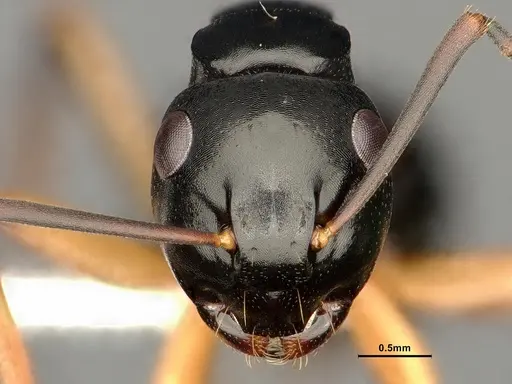
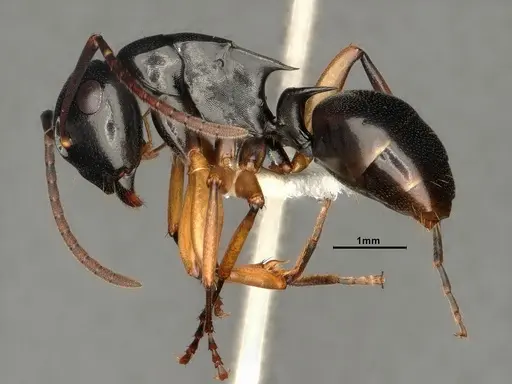
Polyrhachis shixingensis is a medium-sized spiny ant native to southern China and Vietnam. Workers measure 6.45-7.16mm with the characteristic spines on their petiole (the narrow waist section) that give Polyrhachis their common name. They have a dark body with light yellow legs and golden hairs covering much of their head and body. Queens are significantly larger at around 9.47mm and were only recently described in 2013 [1]. This species belongs to the xiphias species-group within the subgenus Campomyrma, making them closely related to other spiny ants like P. hashimotoi and P. xiphias [1].
These ants inhabit subtropical forests in southern China, where they've been collected from various forest types including secondary forest, closed-canopy broadleaf forest, and shrubland at elevations between 160-540 meters [2]. They represent a fairly obscure species in the antkeeping hobby with limited documented captive care, so keepers should expect some experimentation.
Quick Summary
- Difficulty: Medium
- Origin & Habitat: Southern China (Guangdong, Guangxi, Hainan) and Vietnam. Found in subtropical forests including secondary forest, closed-canopy broadleaf forest, and shrubland at 160-540m elevation [2].
- Colony Type: Likely monogyne (single queen) based on typical Polyrhachis patterns. Colony size appears moderate, wild colonies likely reach several hundred workers based on related species.
- Colony: Monogyne
- Founding: Claustral
- Size & Growth:
- Queen: ~9.47mm [1]
- Worker: 6.45-7.16mm [1]
- Colony: Estimated several hundred workers based on related species
- Growth: Moderate, likely 6-10 weeks from egg to first worker based on genus patterns
- Development: Estimated 6-10 weeks at warm subtropical temperatures (24-28°C) based on typical Polyrhachis development (Development timeline is not directly documented for this species, estimate based on related species in the genus)
- Antkeeping:
- Temperature: Keep at 24-28°C. Being a subtropical species from southern China, they need warm conditions. A heating cable on one side of the nest creates a suitable gradient [2].
- Humidity: Moderate to high humidity (60-80%). Their natural habitat includes broadleaf forests with moderate moisture. Keep the nest substrate consistently damp but not waterlogged.
- Diapause: Likely required. Subtropical ants from southern China typically need a winter rest period. Reduce temperature to 15-18°C for 2-3 months during winter.
- Nesting: In captivity, they do well in Y-tong (AAC) nests or plaster nests that retain moisture. They may also accept naturalistic setups with rotting wood or cork bark. Provide narrow chambers scaled to their medium size.
- Behavior: Polyrhachis shixingensis is generally calm and not particularly aggressive. They are moderately active foragers that search for food both on the ground and on vegetation. Workers are medium-sized at 6-7mm, making them visible but not large. They have a functional stinger but it's rarely used defensively, these ants rely more on their spines and cryptic behavior for protection. Escape risk is moderate, ensure your setup has secure barriers but they are not known escape artists like some tiny species.
- Common Issues: limited captive data means care recommendations are partly estimated, be prepared to adjust conditions, subtropical species requires warm temperatures, cold conditions will slow or stop brood development, winter diapause is likely required, skipping hibernation may stress colonies long-term, wild-caught colonies may carry parasites that can devastate captive populations, moderate colony size means they need space to expand as the colony grows
Housing and Nest Setup
Polyrhachis shixingensis does well in moisture-retaining nests like Y-tong (AAC) or plaster setups. These ants naturally nest in rotting wood and forest floor microhabitats, so a setup that holds humidity well is important. The chambers should be sized appropriately for medium-sized ants, not too tight, but with passages they can easily navigate. An outworld (foraging area) should be attached with a secure connection tube. Use standard escape prevention like fluon on tube openings, though these ants are not particularly prone to escaping like some tiny species. [2]
Feeding and Diet
Like most Polyrhachis species, these ants are generalist feeders that accept both protein and sugar sources. Offer sugar water, honey, or diluted maple syrup as a constant energy source. For protein, provide small insects like fruit flies, small crickets, or mealworms. They are subtropical forest ants, so their diet likely includes honeydew from aphids and small invertebrates in the wild. Feed protein 2-3 times per week and keep sugar water available at all times. Remove uneaten prey after 24-48 hours to prevent mold.
Temperature and Seasonal Care
Being a subtropical species from southern China and Vietnam, Polyrhachis shixingensis needs warm conditions to thrive. Keep the nest area at 24-28°C. You can use a heating cable placed on top of the nest (never underneath where it could dry out the moisture) to create a gentle temperature gradient. During winter, they will likely need a diapause period, reduce temperatures to 15-18°C for 2-3 months. This mimics their natural seasonal cycle and helps maintain colony health long-term. Do not skip hibernation unless your colony is actively growing brood. [2]
Colony Development
Queens measure approximately 9.47mm and are significantly larger than workers (6.45-7.16mm) [1]. The queen was only described in 2013,so detailed founding behavior is not documented. Based on typical Polyrhachis patterns, the queen likely seals herself in a chamber (claustral founding) and raises the first brood alone using stored fat reserves. Expect the first workers (nanitics) to emerge in 6-10 weeks under warm conditions. Colony growth is moderate, do not expect rapid expansion. Males have been collected but not described scientifically [2].
Behavior and Temperament
These are calm, non-aggressive ants that rely on their spines for defense rather than stinging. Workers are moderately active and will forage both on the ground and up vertical surfaces. They are not particularly territorial or aggressive toward other colonies. In the wild, they live in subtropical forests where they forage in the leaf litter and on vegetation. Their golden pilosity (hairs) gives them a somewhat fuzzy appearance. They are not known for being particularly shy or nocturnal, you should see regular activity during the day. [1]
Frequently Asked Questions
How long does it take for Polyrhachis shixingensis to produce first workers?
Expect 6-10 weeks from egg to first worker at optimal temperatures (24-28°C). This is an estimate based on related Polyrhachis species since this specific species has not been studied in captivity.
What temperature do Polyrhachis shixingensis ants need?
Keep them at 24-28°C. As a subtropical species from southern China, they need warm conditions. A heating cable on top of the nest can help maintain these temperatures.
How big do Polyrhachis shixingensis colonies get?
Based on related species, colonies likely reach several hundred workers. They are not among the largest Polyrhachis species but can still become substantial colonies.
Do Polyrhachis shixingensis need hibernation?
Yes, likely a 2-3 month winter rest at 15-18°C. Subtropical ants from southern China typically require a diapause period to remain healthy long-term.
What do Polyrhachis shixingensis eat?
They are generalist feeders. Offer sugar water, honey, or maple syrup constantly, and protein (small insects like fruit flies or mealworms) 2-3 times per week.
Can I keep multiple Polyrhachis shixingensis queens together?
This species is likely single-queen (monogyne) based on typical Polyrhachis behavior. Combining unrelated queens is not recommended as they would likely fight.
Is Polyrhachis shixingensis good for beginners?
This is a medium-difficulty species. They are more forgiving than tropical species that need high heat, but their care is less established than common hobby species. Some experimentation may be needed.
When should I move my colony to a formicarium?
Move them once the colony reaches 20-30 workers and the test tube is becoming cramped. Polyrhachis appreciate moisture-retaining nests like Y-tong or plaster.
Why is my Polyrhachis shixingensis colony not growing?
Check that temperatures are warm enough (24-28°C), humidity is adequate (60-80% but not dry), and they have constant access to protein and sugar. Cold or dry conditions will halt brood development.
References

This caresheet is licensed under CC BY-SA 4.0 .
CASENT0883574
View on AntWeb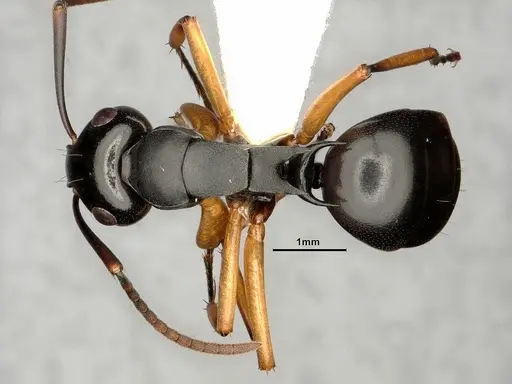
Literature
Loading...Loading products...