

Polyrhachis sexspinosa
- Scientific Name
- Polyrhachis sexspinosa
- Subgenus
- Myrmhopla
- Tribe
- Camponotini
- Subfamily
- Formicinae
- Author
- Latreille, 1802
- Distribution
- Found in 5 countries
Polyrhachis sexspinosa Overview
Polyrhachis sexspinosa is an ant species of the genus Polyrhachis. It is primarily documented in 5 countries , including Australia, Indonesia, Malaysia. Detailed taxonomic data and occurrence records can be further explored via authoritative databases such as AntWeb or the Global Biodiversity Information Facility (GBIF).
Polyrhachis sexspinosa
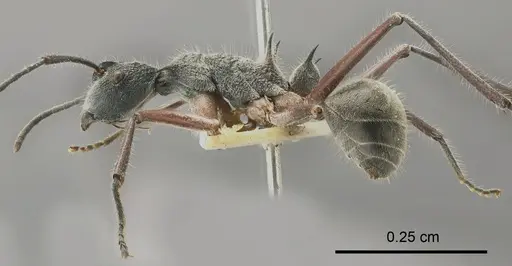
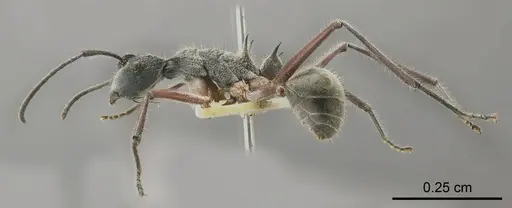
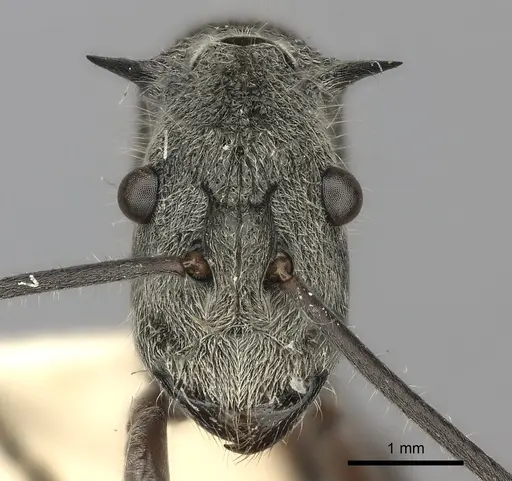
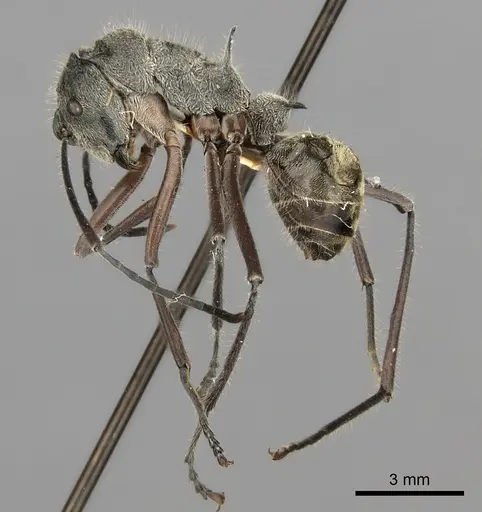
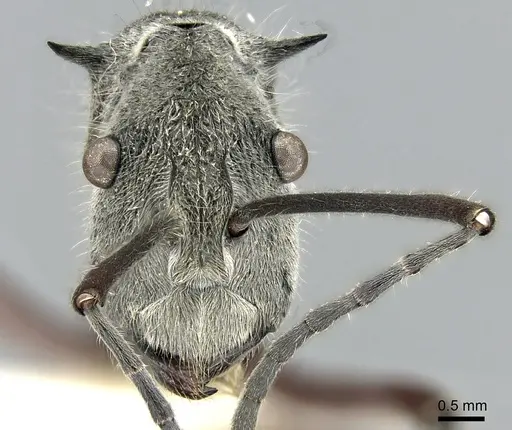
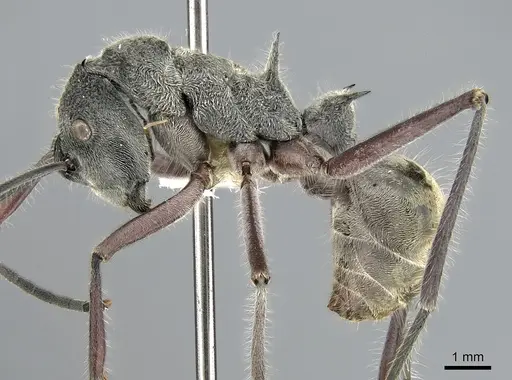
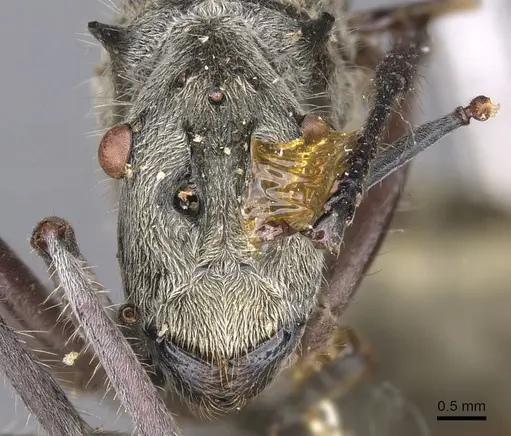
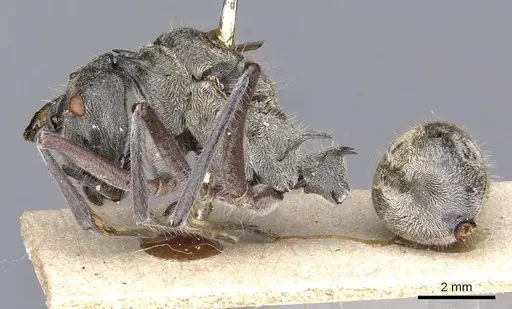
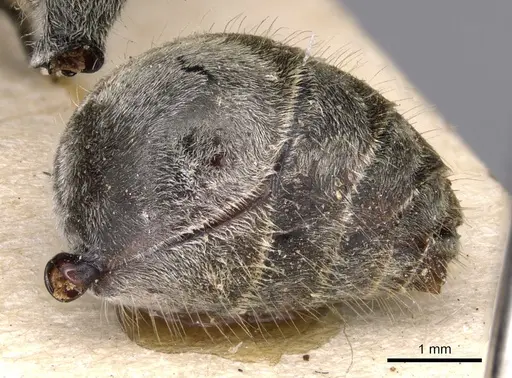
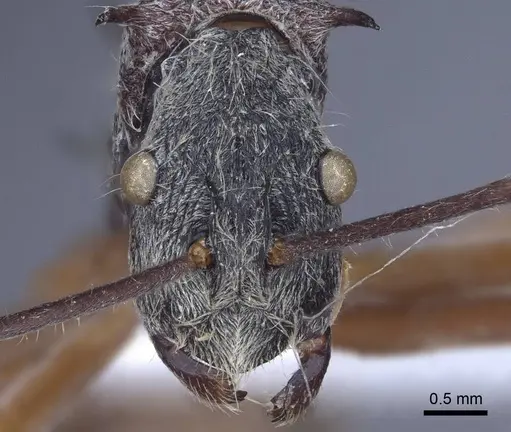
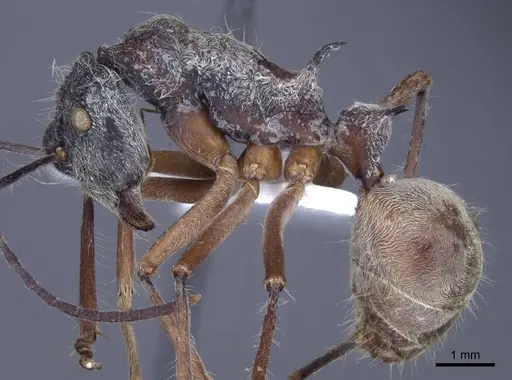
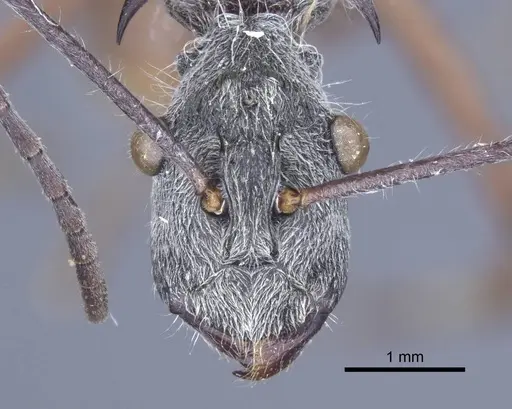
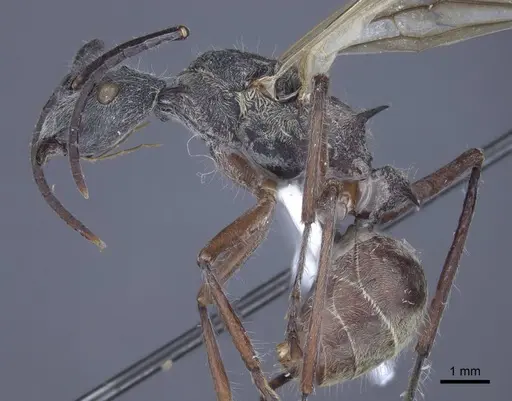
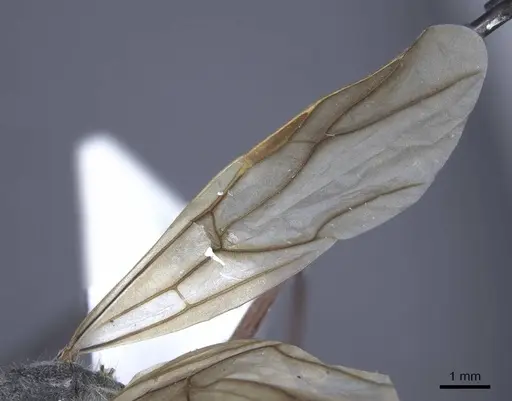
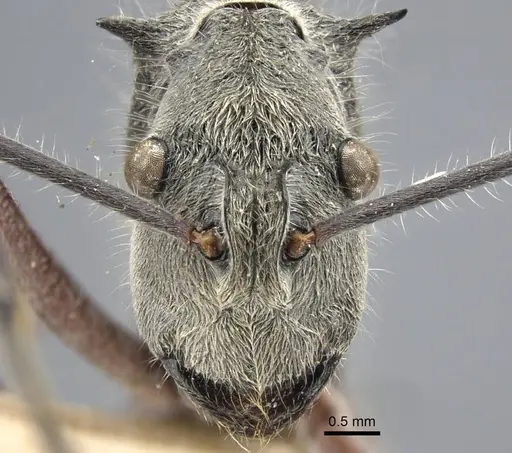
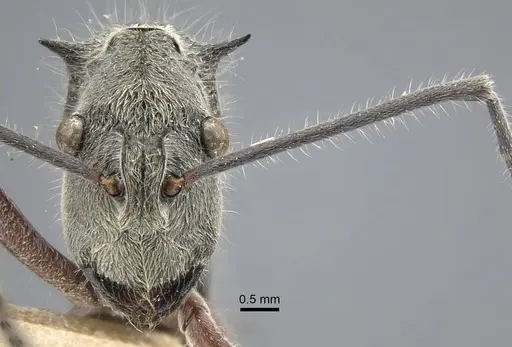
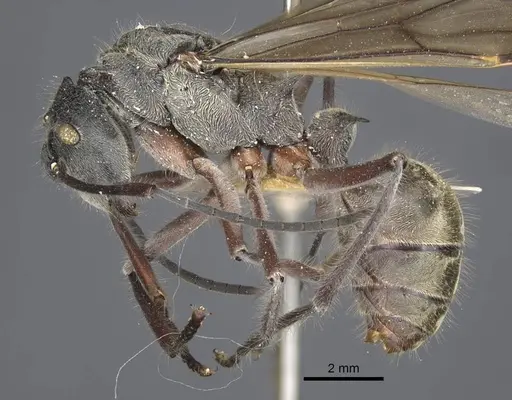
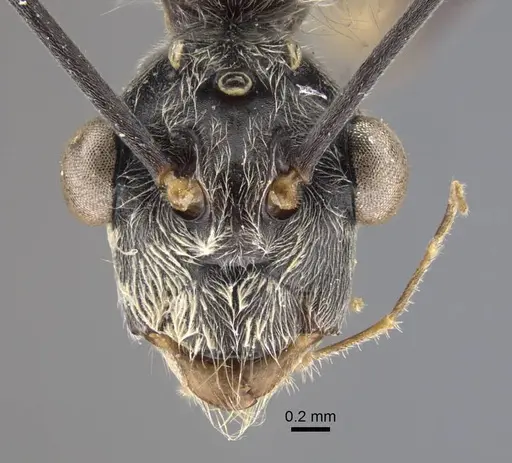
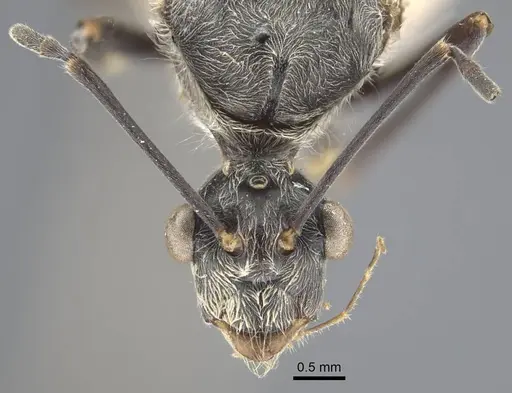
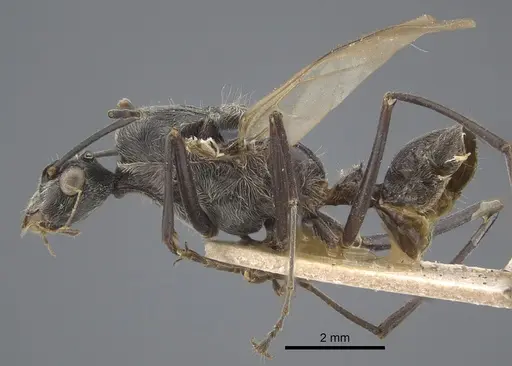
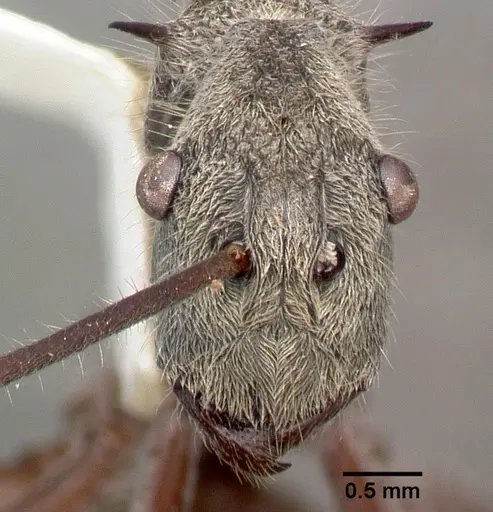
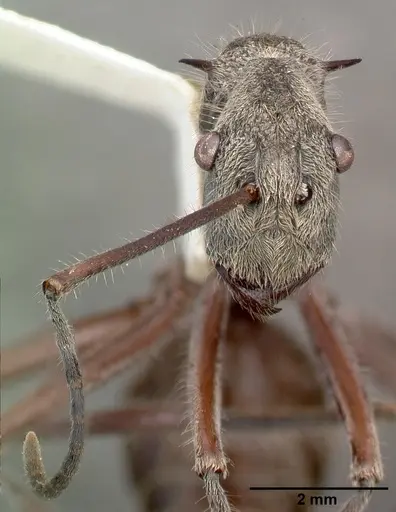
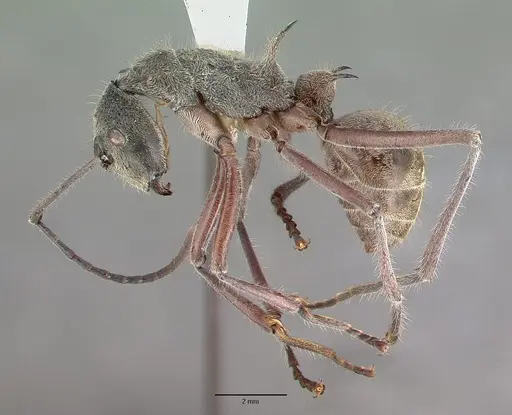
Polyrhachis sexspinosa is a large arboreal ant native to rainforests in New Guinea, eastern Indonesia, and northern Australia. Workers measure 12.60-14.76 mm total length and have a black body with reddish-brown mandibles, antenna tips, and legs. They are distinguished by strong pronotal spines, long propodeal spines, and petiolar spines, with a head that tapers behind the eyes to form prominent occipital lobes. Queens are larger at 13.46-16.28 mm total length [1].
This species builds pocket-like nests from silk, vegetation debris, and bark fragments attached to rainforest tree trunks, an arboreal habit unusual within the genus Polyrhachis [1][2].
Quick Summary
- Difficulty: Medium
- Origin & Habitat: Rainforests of New Guinea, eastern Indonesia, and northern Australia (Queensland), from the New Guinean mainland and islands eastward to New Caledonia, with doubtful records from southern Philippines [1][3]. They nest arboreally against tree trunks in humid, shaded environments [1].
- Colony Type: Unconfirmed, no specific research on queen number or social structure.
- Size & Growth:
- Queen:{.size-link} ~13.46-16.28 mm [1]
- Worker:{.size-link} ~12.60-14.76 mm [1]
- Colony: Unknown, no data on maximum colony size.
- Growth: Moderate, inferred from tropical rainforest habitat.
- Development: Unknown, no species-specific data available. (Development speed likely matches other tropical Polyrhachis species, maintain warm temperatures for optimal growth.)
- Antkeeping:
- Temperature: Keep warm, roughly 24-28°C, based on tropical rainforest habitat [1]. Provide a gentle heat gradient.
- Humidity: Keep nest substrate consistently moist but not waterlogged, based on rainforest ecology [1]. Mist the outworld regularly.
- Diapause: Unknown, no research on hibernation, as a tropical species, diapause is unlikely but unconfirmed.
- Nesting: Arboreal nesting requires vertical surfaces like branches or cork bark for silk nest attachment [1][2]. Use Y-tong or plaster nests with chambers scaled to their size.
- Behavior: Typically calm and non-aggressive for a large ant species, based on genus patterns. Workers are arboreal and climb well, so escape risk is moderate due to their size. They lack a functional stinger significant to humans.
- Common Issues: low humidity can quickly stress these rainforest ants, leading to mortality., arboreal nesting requires vertical space, inadequate setup can prevent colony development., escape risk is higher due to climbing ability, ensure barriers are applied to smooth surfaces., wild-caught colonies may carry parasites that harm captive populations., slow colony growth may frustrate keepers, patience is essential.
Housing and Nest Setup
Polyrhachis sexspinosa requires arboreal housing with vertical space. Provide branches, cork bark, or other textured surfaces for nest attachment, as they build silk nests against tree trunks in the wild [1][2]. Use Y-tong or plaster nests with chambers at least 15-20 mm tall to accommodate their large size. Include a spacious outworld with climbing structures. Escape prevention is important due to their climbing ability, apply fluon or talc powder to smooth surfaces. Check lid seals regularly [1].
Feeding and Diet
In captivity, offer a varied diet: sugar water or honey as a constant energy source, and protein like mealworms or crickets 2-3 times per week. Place food on elevated surfaces since they are arboreal foragers. Remove uneaten protein within 24 hours to prevent mold. Clean water should be available through a water tube or misting [4].
Temperature and Humidity
Maintain temperatures around 24-28°C, based on their tropical rainforest habitat [1]. Use a heating cable or mat on one side of the nest for a gradient. Humidity should be kept moist but not waterlogged, mist the outworld regularly and ensure good ventilation to prevent mold [1].
Colony Development
Colony founding behavior is unconfirmed. Development timeline is unknown, but warm temperatures may speed up growth. Initial growth is likely slow, as with many large ant species. Transfer to a formicarium when the colony needs more space, typically after 20-30 workers [4].
Unique Behaviors
Workers use larval silk to weave pocket nests from vegetation and bark, attached to tree trunks [2]. This behavior is ancestral in Polyrhachis. In captivity, provide materials like leaf litter or cotton fibers to encourage nesting. Spines serve defensive purposes and help with climbing [1].
Frequently Asked Questions
How long does it take for Polyrhachis sexspinosa to produce first workers?
No species-specific data available. Development speed is unknown but likely similar to other tropical Polyrhachis species, maintain warm temperatures for optimal growth [4].
What is the best nest type for Polyrhachis sexspinosa?
Arboreal nests with vertical surfaces like branches or cork bark for silk attachment [1][2]. Y-tong or plaster nests with large chambers are suitable.
Do Polyrhachis sexspinosa ants need hibernation?
Unknown, no research on diapause. As a tropical species, hibernation is unlikely, but maintain warm temperatures year-round [1].
How big do Polyrhachis sexspinosa colonies get?
Colony size is unknown, no data on maximum size available.
What do Polyrhachis sexspinosa eat?
They are omnivorous. Offer sugar water or honey and protein like insects 2-3 times weekly, placing food on elevated surfaces [4].
Are Polyrhachis sexspinosa good for beginners?
This species is medium difficulty due to specific humidity and nesting needs. Not recommended for first-time keepers [4].
Can I keep multiple Polyrhachis sexspinosa queens together?
Not recommended, colony type is unconfirmed, and combining queens may lead to fighting. Start with a single queen [4].
Why are my Polyrhachis sexspinosa dying?
Common causes include low humidity, temperatures below 20°C, or dry nest conditions. Ensure moist substrate and warm temperatures [1].
When should I move Polyrhachis sexspinosa to a formicarium?
Transfer when the colony needs more space, typically after 20-30 workers. Ensure the formicarium has vertical climbing structures [4].
Do Polyrhachis sexspinosa need special lighting?
No special lighting required, but avoid direct bright light that could heat the enclosure. They are active in low-light conditions [4].
Is Polyrhachis sexspinosa invasive anywhere?
No, their native range is New Guinea, eastern Indonesia, and northern Australia, with no documented invasive status [3][1].
Report an Issue
The current care sheet is based fully on literature. See inconsistencies, or something that's incorrect? Please , it will be resolved after review from an admin. Contributing to the blogs tab also helps providing information, to make us be able to further improve the caresheets. Thank you for your support!
References

This caresheet is licensed under CC BY-SA 4.0 .
ANTWEB1008256
View on AntWeb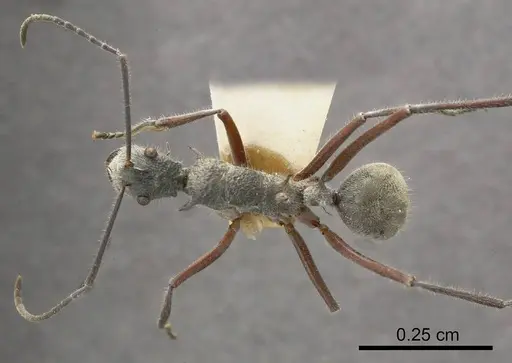
CASENT0217802
View on AntWeb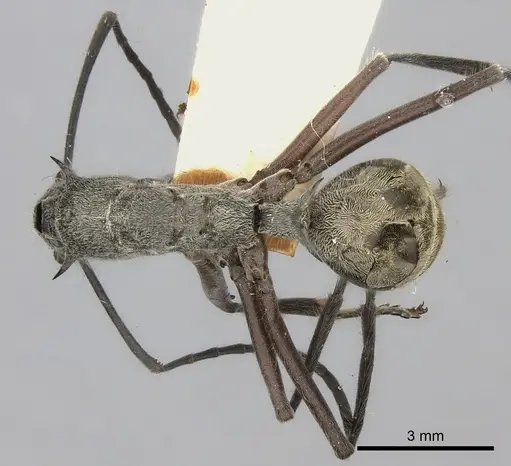
CASENT0281396
View on AntWeb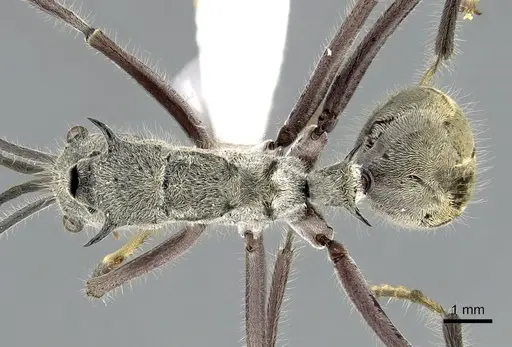
CASENT0901808
View on AntWeb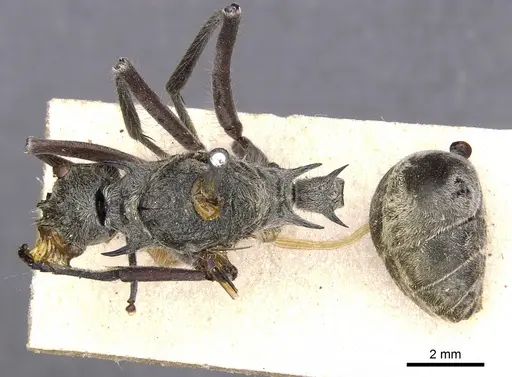
CASENT0916781
View on AntWeb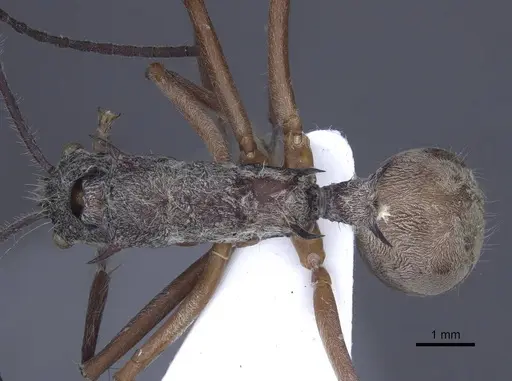
CASENT0916782
View on AntWeb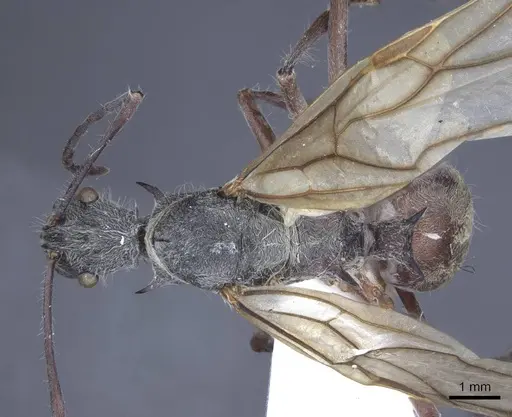
CASENT0917271
View on AntWeb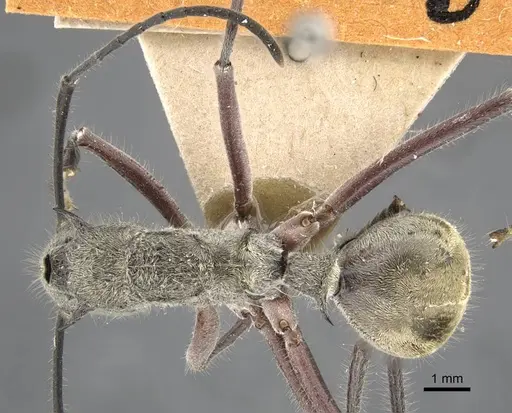
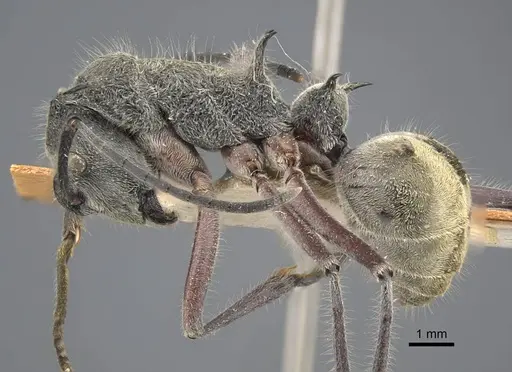
CASENT0917272
View on AntWeb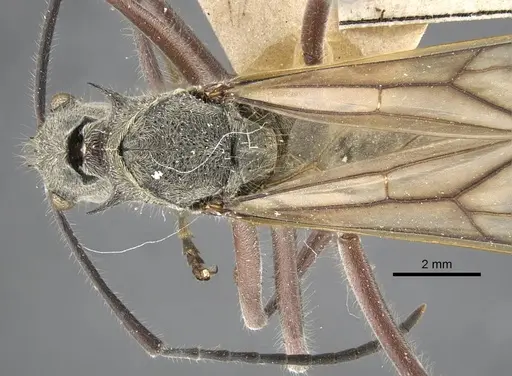
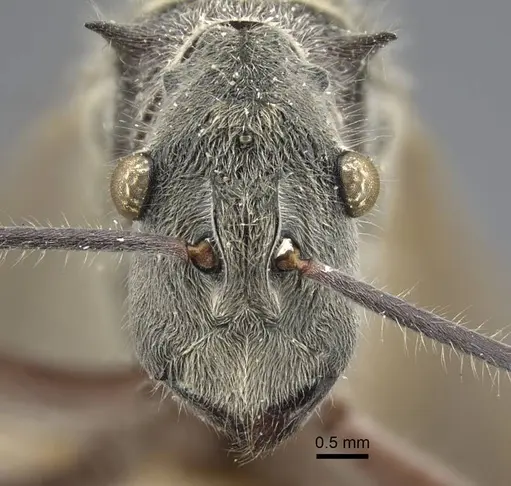
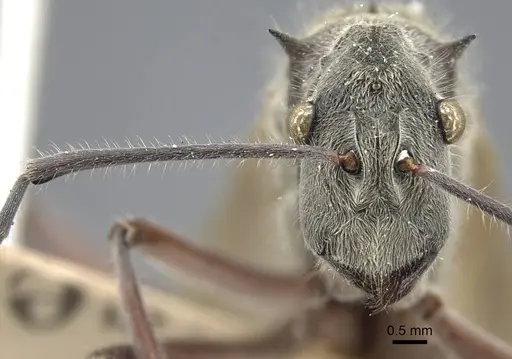
CASENT0917273
View on AntWeb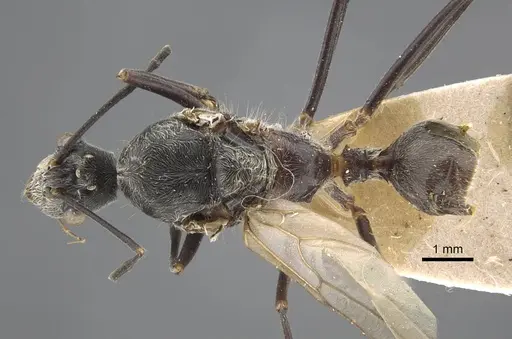
CASTYPE06997
View on AntWeb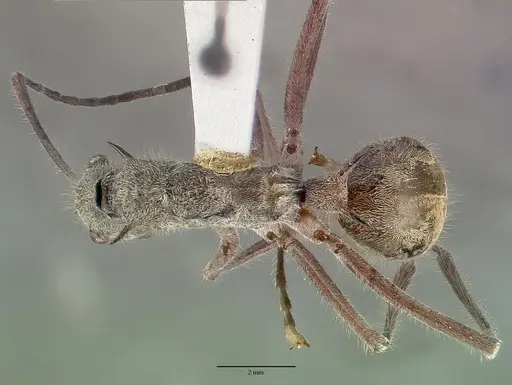
Literature
Loading...Loading products...