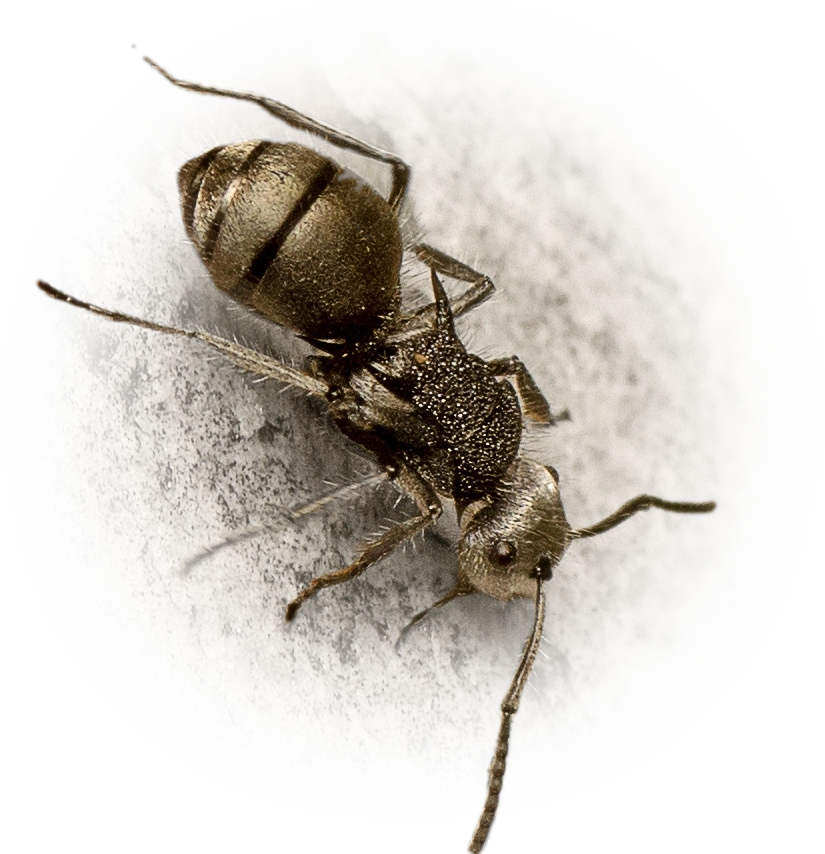

Polyrhachis senilis
- Scientific Name
- Polyrhachis senilis
- Subgenus
- Chariomyrma
- Tribe
- Camponotini
- Subfamily
- Formicinae
- Author
- Forel, 1902
- Distribution
- Found in 1 countries
Polyrhachis senilis Overview
Polyrhachis senilis is an ant species of the genus Polyrhachis. It is primarily documented in 1 countries , including Australia. Detailed taxonomic data and occurrence records can be further explored via authoritative databases such as AntWeb or the Global Biodiversity Information Facility (GBIF).
Polyrhachis senilis
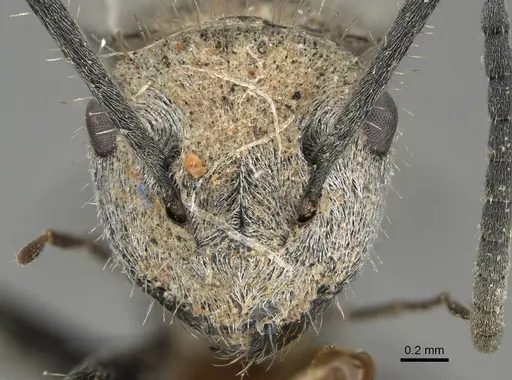
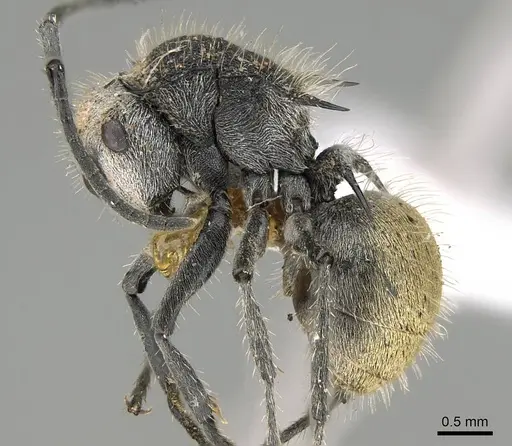
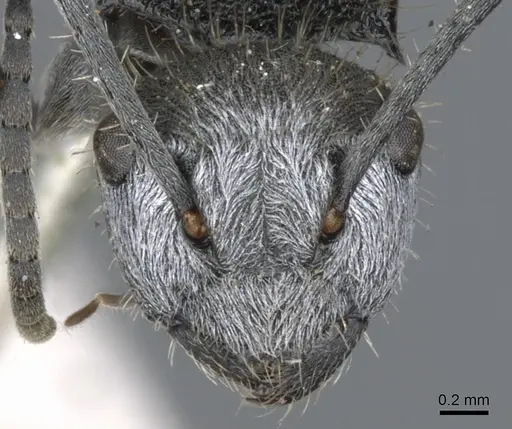
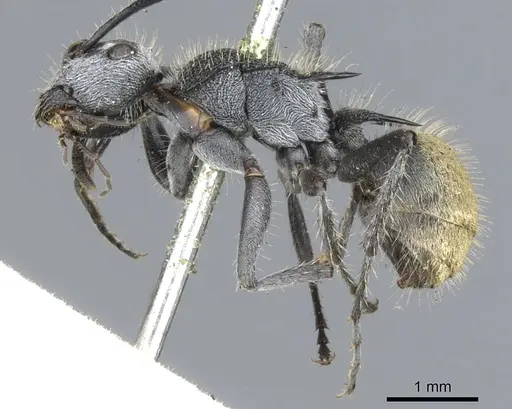
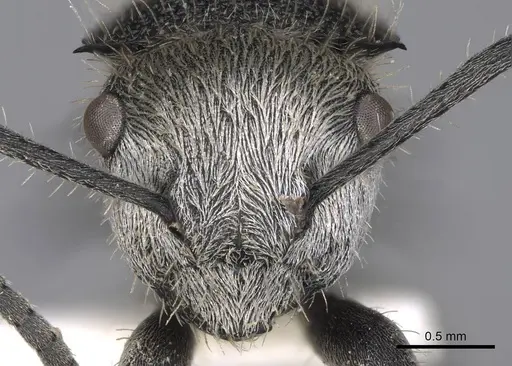
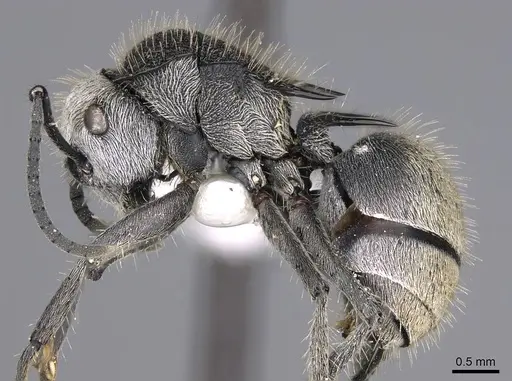
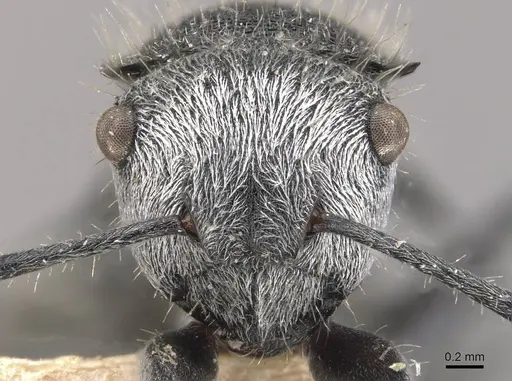
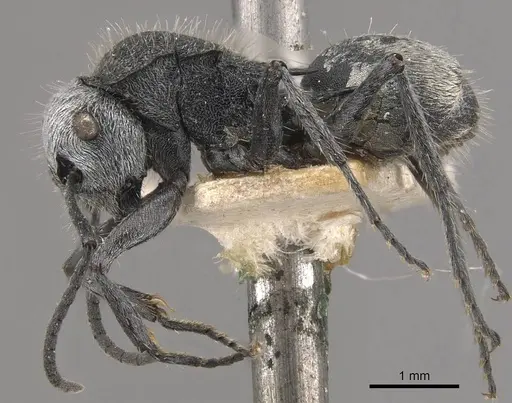
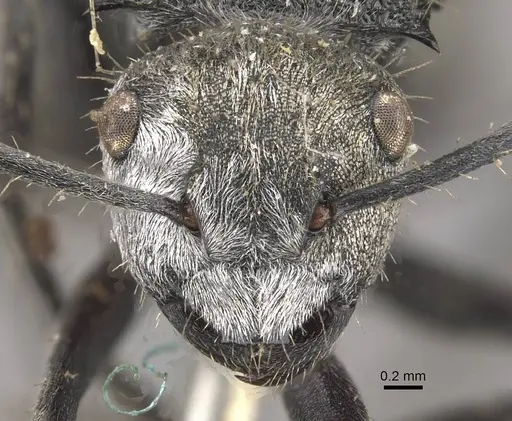
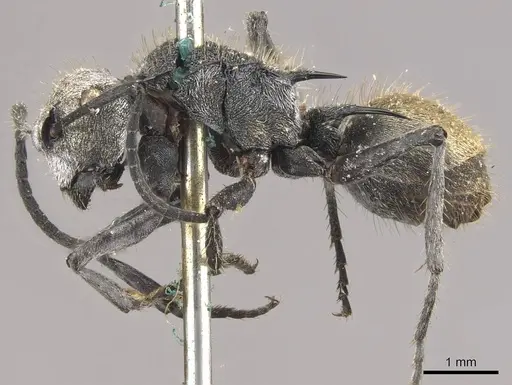
Polyrhachis senilis is a medium-sized ant native to Australia, belonging to the subgenus Chariomyrma. These ants are part of the Camponotini tribe and are known for their spiny appearance and arboreal habits. Workers are typically dark in color with distinctive spines on the thorax, and they construct nests in soil or rotting wood in northern Australia's tropical regions. As subordinate Camponotini, they tend to be more peaceful and less aggressive than dominant ant species, making them an interesting choice for antkeepers interested in Australian species.
Quick Summary
- Difficulty: Medium
- Origin & Habitat: Northern Australia, specifically the Torresian biogeographic region covering the monsoonal tropics of Queensland and surrounding areas [1][2]. They inhabit both terrestrial and arboreal zones in this region.
- Colony Type: Colony structure is unconfirmed. Based on the genus pattern, likely single-queen (monogyne) colonies, but this has not been directly documented for this species.
- Size & Growth:
- Queen: Estimated 10-12mm based on typical Polyrhachis genus size range
- Worker: Estimated 6-9mm based on typical Polyrhachis worker size
- Colony: Unknown, typical Polyrhachis colonies can reach several hundred workers, but no specific data for this species
- Growth: Moderate, based on genus patterns
- Development: Estimated 6-8 weeks at optimal temperature based on related Polyrhachis species (Pupae develop in cocoons, which is typical for this genus [3]. Timeline is estimated as direct development data is not available for this species.)
- Antkeeping:
- Temperature: Keep at 24-28°C. As a tropical Australian species from the Torresian region, they prefer warm conditions. A heating cable on one side of the nest can create a gentle gradient if room temperature is below this range.
- Humidity: Moderate to high humidity around 60-80%. They nest in soil and rotting wood in nature, so keep the nest substrate moist but not waterlogged. Provide a water tube for drinking access.
- Diapause: Unconfirmed for this specific species. Northern Australian tropical ants may not require a true hibernation, but a slight cool period during winter months (15-20°C for 2-3 months) may benefit colony health.
- Nesting: They are subterranean/lignicolous, meaning they nest in soil or rotting wood [3]. In captivity, a Y-tong (AAC) nest with soil or a plaster nest works well. Provide a connection to an outworld with climbing surfaces since they have arboreal habits.
- Behavior: These ants are generally peaceful and not aggressive. As subordinate Camponotini, they avoid conflict with dominant species [1]. Workers are active foragers that can climb well, so escape prevention should be moderate, they are not tiny ants but can still escape through small gaps. They have pupal cocoons, which is notable as many Formicinae species do not [3].
- Common Issues: colony size data is limited, expect slower growth than more common species, humidity control is important, too dry and brood will desiccate, too wet and mold becomes a problem, wild-caught colonies may have parasites that are difficult to detect, nesting preferences require specific setup, they need access to soil or wood substrate, escape risk exists despite moderate size, ensure secure barriers
Housing and Nest Setup
Polyrhachis senilis requires a setup that accommodates their subterranean and lignicolous nesting preferences. A Y-tong (acrylic) nest with a soil chamber or a plaster nest works well for this species. The nest should have chambers sized appropriately for their worker size of approximately 6-9mm. Since they have arboreal tendencies, provide an outworld with climbing materials like cork bark or twigs. A water test tube should always be available for drinking access. Escape prevention is important, use fluon on rim edges and ensure all connections are secure. [3]
Temperature and Heating
As a tropical Australian species from the Torresian region, Polyrhachis senilis requires warm temperatures to thrive. Maintain nest temperatures between 24-28°C for optimal brood development. Room temperature may suffice in warm climates, but a heating cable placed on top of the nest can provide additional warmth if needed. Avoid placing heating directly under water reservoirs as it can cause excessive condensation. Monitor colony activity, if workers cluster near the heat source, increase temperature slightly, if they avoid it, reduce heat. [1]
Feeding and Diet
Polyrhachis ants are omnivorous, feeding on honeydew, nectar, and small insects in the wild. In captivity, offer sugar water or honey as a constant energy source. For protein, provide small insects like fruit flies, small crickets, or mealworms. Feed protein prey 2-3 times per week, removing any uneaten prey after 24 hours. Fresh fruit slices can also be accepted. Observe your colony's preferences, some Polyrhachis species favor certain foods over others.
Humidity and Water
Maintain moderate to high humidity of 60-80% within the nest. Since they naturally nest in soil or rotting wood, the substrate should remain consistently moist but never waterlogged. Check the soil chamber regularly, when the surface begins drying, rehydrate with a few drops of water. A water test tube provides drinking access and helps maintain humidity through evaporation. Good ventilation is essential to prevent mold while maintaining humidity. [3]
Colony Development
Polyrhachis senilis has cocooned pupae, which is important for care as it means the brood requires stable humidity to develop properly [3]. Expect the first workers (nanitics) to emerge approximately 6-8 weeks after founding, though this is estimated based on related species. Colony growth is moderate, do not expect rapid expansion. The founding queen may seal herself in a claustral chamber, living off stored fat until her first workers emerge. Avoid disturbing the founding chamber during this critical period.
Behavior and Temperament
These ants are part of the Subordinate Camponotini functional group, meaning they are generally peaceful and avoid confrontation with dominant ant species [1][2]. Workers are active foragers with arboreal habits, meaning they will explore climbing structures in their outworld. They are not particularly aggressive and rarely sting, making them suitable for observation-focused antkeepers. However, they remain capable of defending their colony if threatened. Their spiny appearance makes them visually distinctive and interesting to observe.
Frequently Asked Questions
How long does it take for Polyrhachis senilis to produce first workers?
Estimated 6-8 weeks from egg to first worker at optimal temperature (24-28°C). This timeline is based on related Polyrhachis species, as specific development data for P. senilis is not available.
What do Polyrhachis senilis ants eat?
They are omnivorous. Offer sugar water or honey as a constant energy source, and protein prey like small insects (fruit flies, small crickets, mealworms) 2-3 times per week.
What temperature do Polyrhachis senilis need?
Keep them warm at 24-28°C. As a tropical Australian species, they require consistent warmth for healthy brood development.
Are Polyrhachis senilis good for beginners?
They are rated as medium difficulty. While not as challenging as some exotic species, they do require specific humidity and temperature control. They are a good choice for keepers interested in Australian ants who have some experience with basic ant care.
How big do Polyrhachis senilis colonies get?
Colony size is not specifically documented for this species. Based on typical Polyrhachis genus patterns, colonies likely reach several hundred workers over time.
What type of nest should I use for Polyrhachis senilis?
A Y-tong (AAC) nest with a soil chamber or a plaster nest works well. They are subterranean/lignicolous, meaning they prefer nesting in soil or wood substrate. Provide climbing structures in the outworld for their arboreal habits.
Do Polyrhachis senilis need hibernation?
Diapause requirements are unconfirmed for this species. As a tropical ant from northern Australia, they likely do not require true hibernation. A slight cool period (15-20°C) during winter months may be beneficial but is likely not mandatory.
Can I keep multiple queens together?
Colony structure is unconfirmed for this species. Based on typical Polyrhachis patterns, they likely form single-queen colonies. Combining unrelated queens is not recommended without documented evidence of polygyny.
Why are my Polyrhachis senilis dying?
Common causes include: incorrect humidity (too dry causes brood death, too wet causes mold), temperature extremes, stress from disturbance during founding, or parasites from wild-caught colonies. Ensure stable conditions and avoid overhandling.
References

This caresheet is licensed under CC BY-SA 4.0 .
CASENT0281360
View on AntWeb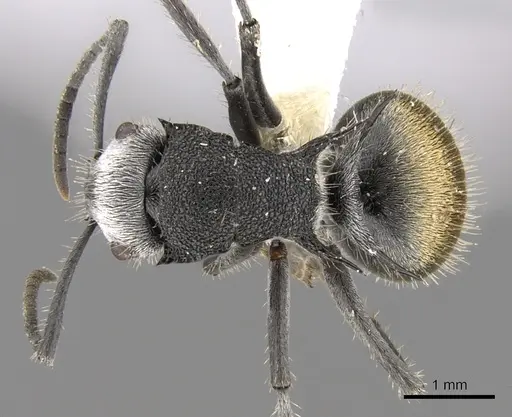
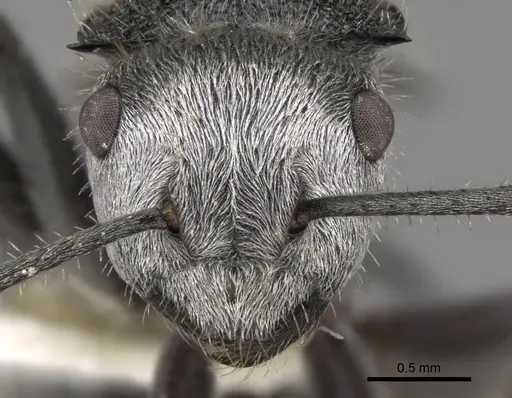
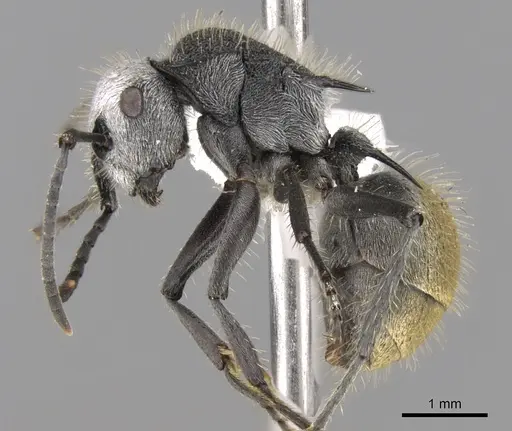
CASENT0740819
View on AntWeb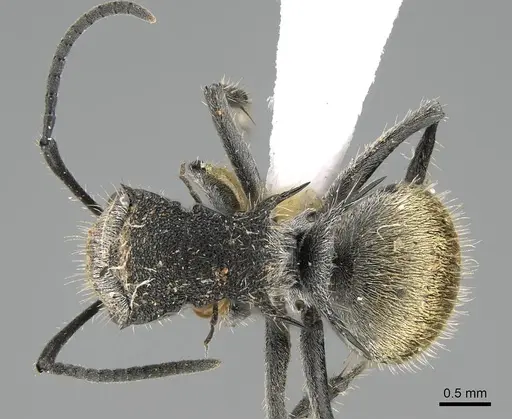
CASENT0903348
View on AntWeb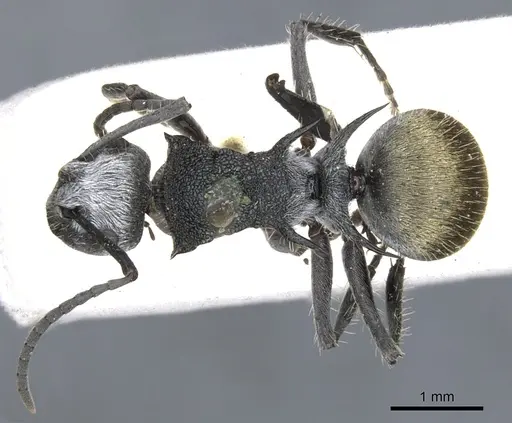
CASENT0906844
View on AntWeb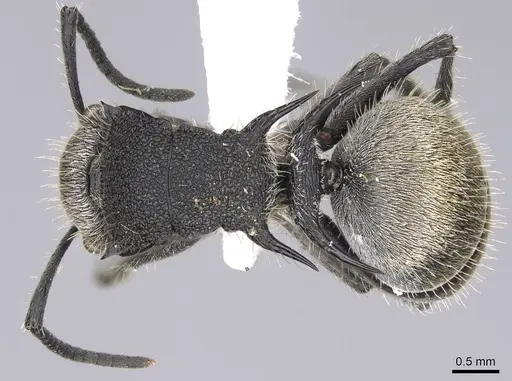
CASENT0910824
View on AntWeb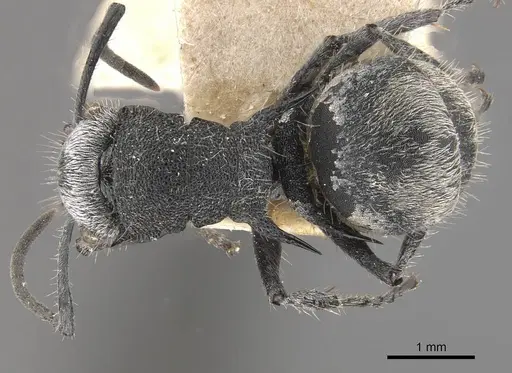
CASENT0910825
View on AntWeb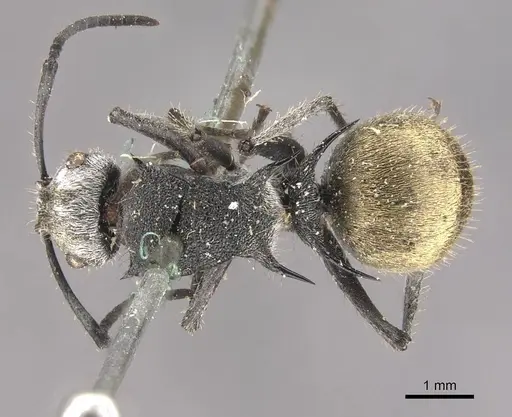
Literature
Loading...Loading products...