

Polyrhachis semitestacea
- Scientific Name
- Polyrhachis semitestacea
- Subgenus
- Myrma
- Tribe
- Camponotini
- Subfamily
- Formicinae
- Author
- Emery, 1900
- Distribution
- Found in 1 countries
Polyrhachis semitestacea Overview
Polyrhachis semitestacea is an ant species of the genus Polyrhachis. It is primarily documented in 1 countries , including Papua New Guinea. Detailed taxonomic data and occurrence records can be further explored via authoritative databases such as AntWeb or the Global Biodiversity Information Facility (GBIF).
Polyrhachis semitestacea
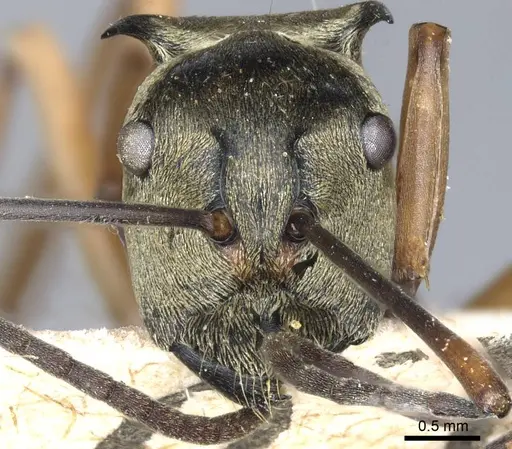
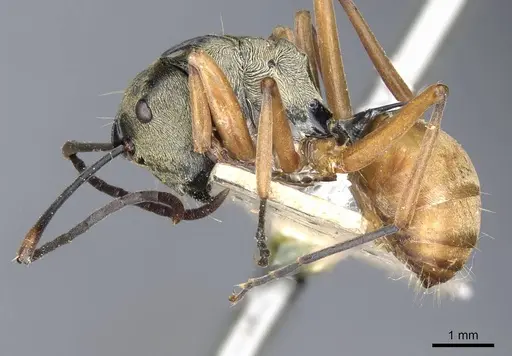
Polyrhachis semitestacea is a distinctive spiny ant native to New Guinea, belonging to the subgenus Myrma. These ants are easily recognized by their striking coloration: a honey-yellow gaster that contrasts sharply with their dark mesosoma and head. Workers are relatively slender with two closely spaced spines on the petiole (the narrow waist section) and lack the small dorsal tooth found in the similar-looking P. andromache. Queens are robust, measuring around 10.5-10.9mm [1].
Unlike many ground-nesting ants, P. semitestacea is lignicolous, meaning it nests in rotting wood and uses silk to construct its nests. Colonies are polygynous, with multiple queens spread across several connected nests [2][3]. This arboreal nesting habit makes them somewhat unusual among antkeepers and requires specific setup considerations.
Quick Summary
- Difficulty: Medium
- Origin & Habitat: New Guinea (Australasian region), lignicolous nesting in rotting wood in tropical forest environments [2][3]
- Colony Type: Multi-queen colonies with multiple connected nests. Queens are spread throughout the colony and work together [2][3].
- Colony: Polygyne
- Founding: Claustral
- Size & Growth:
- Queen: 10.53-10.89mm [1]
- Worker: Estimated 6-9mm based on genus patterns
- Colony: Estimated several hundred workers based on related species
- Growth: Moderate
- Development: Estimated 8-12 weeks at tropical temperatures (25-28°C) (Development time is inferred from related Polyrhachis species, direct measurements not available for this species)
- Antkeeping:
- Temperature: Keep at 24-28°C. Being from tropical New Guinea, they need warm, stable temperatures. A heating cable on one side of the nest creates a suitable gradient
- Humidity: Moderate to high humidity (60-80%). Lignicolous ants need damp but not waterlogged nesting material. Provide a water tube for drinking water
- Diapause: No, being tropical, they do not require hibernation. Keep temperatures stable year-round
- Nesting: Best kept in wood-based nests (Y-tong, plaster, or naturalistic setups with rotting wood). They use silk to bind nest materials together, so provide suitable materials. Avoid entirely artificial acrylic nests unless they accept them [2][3]
- Behavior: Generally calm and non-aggressive compared to many ant species. Workers are moderately active and will forage for honeydew and small prey. They are not known for painful stings, Polyrhachis ants have a mild sting that is rarely felt by humans. Escape risk is moderate, they are medium-sized ants but can climb well. Use standard escape prevention
- Common Issues: tropical temperature requirements mean colonies can struggle in cool rooms without heating, lignicolous nesting means they need wood-based housing, standard test tubes may not be ideal long-term, multiple queens mean colony dynamics can be complex if queens are removed or die, slow founding phase means new colonies take time to establish, patience is required, humidity control is important, too dry causes brood death, too wet causes mold
Housing and Nest Setup
Polyrhachis semitestacea requires lignicolous (wood-nesting) conditions. In the wild, they nest in rotting wood and use silk to bind materials together [2][3]. For captivity, Y-tong (AAC) nests or plaster nests work well, as these materials allow the ants to create tunnels similar to their natural wood nests. You can also create a naturalistic setup with pieces of rotting wood or cork bark. Avoid glass test tube setups long-term, while useful for founding, these ants are adapted to wood-based environments and will do better in appropriate housing as the colony grows. Ensure the nesting material stays moist but never waterlogged. Provide an outworld (foraging area) connected to the nest for feeding.
Feeding and Diet
Like most Polyrhachis ants, P. semitestacea is omnivorous. They naturally tend aphids and scale insects for honeydew, and hunt small insects for protein. In captivity, offer a constant source of sugar (sugar water, honey, or diluted honey water) and protein-rich foods like small crickets, mealworms, or fruit flies. Feed protein 2-3 times per week, and keep sugar water available at all times. These ants are tropical forest dwellers, so they appreciate some variety in their diet. Remove uneaten prey after 24-48 hours to prevent mold.
Temperature and Humidity
Being from tropical New Guinea, these ants need warm, humid conditions. Maintain temperatures between 24-28°C, use a heating cable on one side of the nest if your room is cooler. A temperature gradient allows workers to choose their preferred warmth. Humidity should stay around 60-80%. Lignicolous ants need their nest material consistently moist but not dripping wet. Check the nest regularly and mist or add water when it starts drying out. Unlike temperate species, they do not need a winter diapause, keep conditions stable year-round.
Colony Structure and Dynamics
P. semitestacea is polygynous, meaning colonies naturally have multiple queens spread across several connected nests [2][3]. This is unusual among many ant species and means you don't need to isolate a single queen. Queens work cooperatively, and the colony can survive the loss of individual queens. Colonies also produce multiple nests within their territory, this is called polydomy. When your colony grows, consider providing multiple nesting areas connected by tubes so queens can distribute themselves naturally. This social structure makes them somewhat more forgiving if one queen dies during founding.
Growth and Development
Queens are large at 10.5-10.9mm and likely have substantial fat reserves for claustral founding [1]. After mating, the queen seals herself in a chamber and lays eggs without leaving to forage. First workers (nanitics) will be smaller than normal workers but the colony will grow quickly once established. Pupal cocoons are present in this species [2][3], meaning you may see white cocoons in the nest rather than naked pupae. Expect 8-12 weeks from egg to first worker at optimal temperatures. Growth rate is moderate, faster than some slow-growing Camponotus species but not as rapid as tropical pest ants.
Handling and Temperament
Polyrhachis ants are generally calm and less aggressive than many other ants. Workers are not particularly territorial and won't swarm aggressively if the nest is disturbed. Their sting is mild and rarely noticeable to humans, these are not considered dangerous ants. They are moderate climbers and foragers, so standard escape prevention (fluon on rim edges, tight-fitting lids) is sufficient. They are more active at warmer temperatures and may become sluggish if kept too cool. Observe your colony's activity levels as a guide, active foraging indicates good conditions.
Frequently Asked Questions
How long does it take for Polyrhachis semitestacea to produce first workers?
Expect 8-12 weeks from egg to first worker at optimal tropical temperatures (25-28°C). This is an estimate based on related Polyrhachis species, direct development time for this specific species has not been documented.
Can I keep multiple Polyrhachis semitestacea queens together?
Yes, this species is naturally polygynous, meaning colonies have multiple queens. Unlike many species where multiple queens fight, P. semitestacea queens coexist cooperatively. You can keep foundress queens together or add additional queens to an existing colony.
What nest type is best for Polyrhachis semitestacea?
Y-tong (AAC), plaster, or naturalistic setups with rotting wood work best. These ants are lignicolous (wood-nesting) by nature and use silk to construct their nests. Avoid glass test tubes for long-term housing, they prefer wood-based materials they can tunnel through.
Do Polyrhachis semitestacea need hibernation?
No, being from tropical New Guinea, they do not require hibernation or winter cooling. Keep temperatures stable year-round between 24-28°C. A slight temperature drop at night is natural but avoid cold temperatures.
How big do Polyrhachis semitestacea colonies get?
Based on related species, colonies likely reach several hundred workers. They are polygynous with multiple queens, so colony growth can be steady once established. Exact maximum size is unknown but expect moderate-sized colonies rather than massive supercolonies.
What do Polyrhachis semitestacea eat?
They are omnivorous. Offer sugar sources constantly (sugar water, honey) and protein foods 2-3 times weekly (small crickets, mealworms, fruit flies). They naturally tend aphids for honeydew in the wild, so sugar is especially important.
Are Polyrhachis semitestacea good for beginners?
They are rated Medium difficulty. They require tropical conditions and wood-based nesting, which is more specialized than simple test tube setups. However, their calm temperament and polygynous nature make them forgiving of some mistakes. Intermediate antkeepers should have success with them.
Why is my Polyrhachis semitestacea colony dying?
The most common causes are: temperatures below 24°C (they need warmth), nest material too dry (lignicolous ants need moisture), or incorrect nesting material (they need wood, not just test tubes). Check these factors first. Also ensure they're getting enough protein and sugar.
When should I move my colony to a formicarium?
Move them when the test tube or founding setup becomes crowded, typically once you have 30-50 workers. Since they prefer wood-based nesting, set up a Y-tong or plaster nest before the move. Connect the old setup to the new one and let workers explore before sealing the old setup.
References

This caresheet is licensed under CC BY-SA 4.0 .
CASENT0905608
View on AntWeb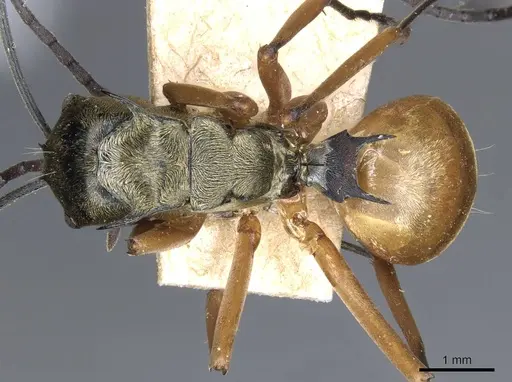
Literature
Loading...Loading products...