

Polyrhachis semipolita
- Scientific Name
- Polyrhachis semipolita
- Subgenus
- Campomyrma
- Tribe
- Camponotini
- Subfamily
- Formicinae
- Author
- André, 1896
- Distribution
- Found in 1 countries
Polyrhachis semipolita Overview
Polyrhachis semipolita is an ant species of the genus Polyrhachis. It is primarily documented in 1 countries , including Australia. Detailed taxonomic data and occurrence records can be further explored via authoritative databases such as AntWeb or the Global Biodiversity Information Facility (GBIF).
Polyrhachis semipolita
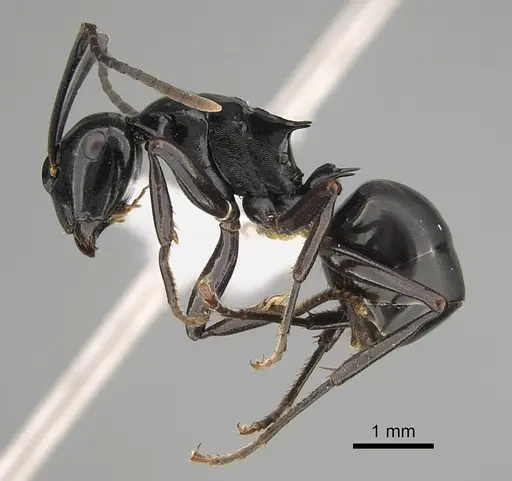
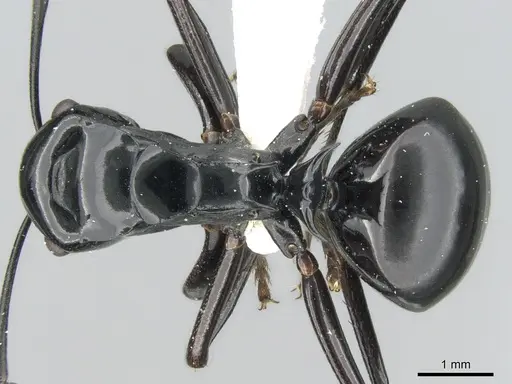
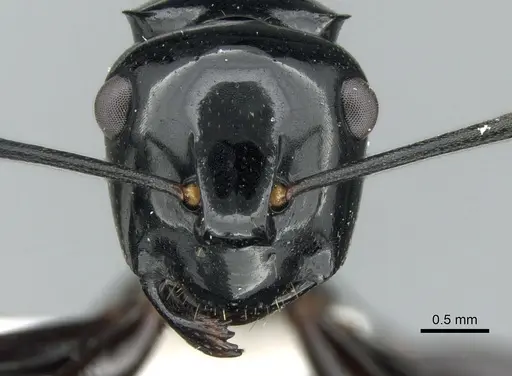
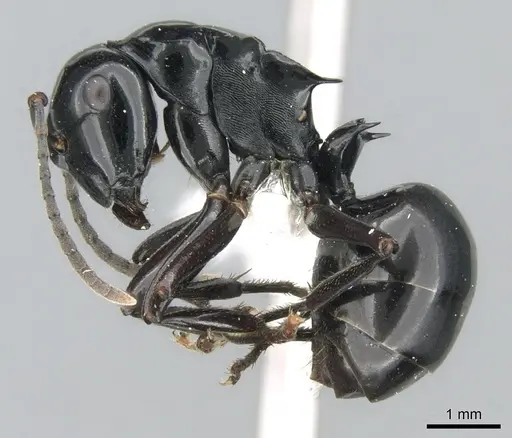
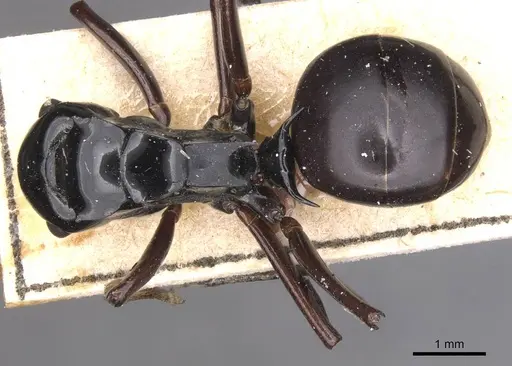
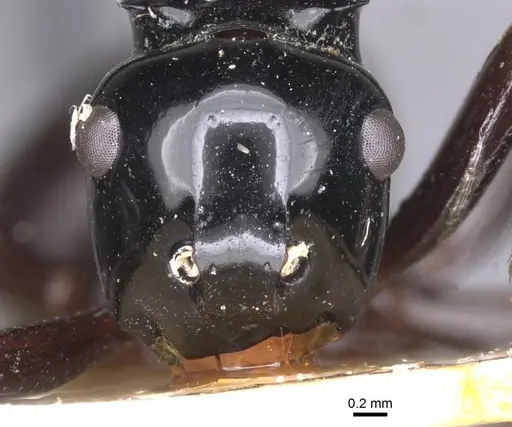
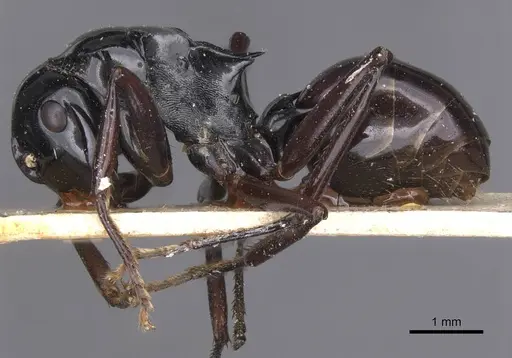
Polyrhachis semipolita is a medium-sized ant native to southeastern Australia, found in the mountainous regions of New South Wales, the Australian Capital Territory, the Victorian Alps, and Tasmania. Workers measure 7.91-8.87mm and are instantly recognizable by their highly polished, reflective body surface, a trait that makes them stand out within the hexacantha species complex [1]. They belong to the subgenus Campomyrma and build subterranean nests, similar to other members of their genus [2][3].
What makes this species particularly interesting is its origin from cool, mountainous habitats in temperate Australia. Unlike many tropical Polyrhachis species, P. semipolita has adapted to cooler conditions and likely requires a winter rest period. Their polished exoskeleton gives them a distinctive shiny appearance that catches light beautifully in captivity.
Quick Summary
- Difficulty: Medium
- Origin & Habitat: Mountainous regions of southeastern Australia, southeastern NSW, ACT, Victorian Alps, and Tasmania [1]. Subterranean nester [2][3].
- Colony Type: Likely single-queen colonies based on typical Polyrhachis patterns. Colony size appears moderate, likely reaching a few hundred workers.
- Colony: Monogyne
- Founding: Claustral
- Size & Growth:
- Queen: Estimated 10-12mm based on genus patterns (not directly measured)
- Worker: 7.91-8.87mm [1]
- Colony: Estimated few hundred workers based on related Polyrhachis species
- Growth: Moderate, likely 6-10 weeks from egg to first worker at optimal temperature
- Development: 6-10 weeks estimated based on genus patterns (Development timeline not directly studied for this species. Estimates based on typical Polyrhachis development at room temperature.)
- Antkeeping:
- Temperature: Keep at 18-22°C. Being from cool temperate Australia, they prefer cooler conditions than many tropical ants. Room temperature is likely ideal. Avoid overheating, temperatures above 25°C may stress them.
- Humidity: Moderate to high. Subterranean nesters prefer damp substrate. Keep nest substrate consistently moist but not waterlogged. Provide a moisture gradient so ants can choose their preferred humidity zone.
- Diapause: Yes, being from temperate Australia (Tasmania, Victorian Alps), they require a winter rest period. Reduce temperature to 10-15°C for 2-3 months during winter.
- Nesting: Subterranean nester. In captivity, they do well in Y-tong nests, plaster nests, or naturalistic setups with deep soil. They need secure, dark chambers for brood-rearing. Avoid dry, exposed setups.
- Behavior: Generally calm and non-aggressive compared to some other Polyrhachis species. Workers are active foragers but not particularly defensive. They may have moderate escape abilities given their size, ensure enclosures are secure. They produce cocoons with their pupae [2].
- Common Issues: overheating is a major risk, they come from cool mountains and easily stress above 25°C, colonies may fail if humidity drops too low, subterranean species need moist conditions, winter diapause is essential, skipping hibernation will weaken and eventually kill the colony, wild-caught colonies may have Wolbachia parasites, quarantine and monitor new colonies, slow growth can frustrate beginners, be patient and avoid overfeeding
Housing and Nest Setup
Polyrhachis semipolita is a subterranean nester, meaning they naturally dig their nests underground. In captivity, they do well in Y-tong (acrylic) nests, plaster nests with moisture reservoirs, or naturalistic setups with deep soil substrate. The key requirement is maintaining consistent humidity in the nest area while allowing for some drier escape routes. Use a nest with dark, enclosed chambers as these ants prefer to brood in darker conditions. A test tube setup can work for founding colonies, but once the colony grows beyond 10-15 workers, transfer to a proper formicarium with deeper chambers. Ensure your setup has excellent escape prevention, while not the smallest ants, they can still squeeze through gaps if given the opportunity. [2][3]
Temperature and Seasonal Care
This is one of the most important aspects of keeping P. semipolita successfully. Being from the cool mountainous regions of southeastern Australia (including Tasmania and the Victorian Alps), they prefer temperatures between 18-22°C. Room temperature is typically ideal for this species. You must avoid overheating, temperatures above 25°C can cause stress and colony decline. During the summer, ensure the nest is not in direct sunlight or near heat sources. In winter, they require a diapause period of 2-3 months at temperatures around 10-15°C. This mimics their natural seasonal cycle in the Australian Alps. Reduce feeding during this period and allow the colony to slow down naturally. Skipping hibernation will weaken the colony over time and may lead to colony failure. [1]
Feeding and Diet
Polyrhachis ants are omnivorous, feeding on honeydew, nectar, and small insects. In captivity, offer a consistent sugar source such as sugar water, honey, or diluted maple syrup. For protein, provide small insects like fruit flies, small mealworms, or cricket pieces. Feed protein 2-3 times per week, and ensure the sugar source is always available. Remove uneaten prey after 24-48 hours to prevent mold. During winter diapause, reduce feeding significantly, the colony's activity will slow, and excess food will only cause problems. Some keepers report that Polyrhachis species can be picky eaters, so observe what your colony prefers and adjust accordingly.
Humidity and Water Requirements
As subterranean nesters, P. semipolita requires moderate to high humidity in their nest. Keep the substrate consistently moist but never waterlogged. The nest should have a moisture gradient, some areas slightly damp, others drier, so the ants can regulate their own conditions. A water tube or reservoir in the outworld ensures they always have access to fresh water. Mist the nest occasionally if you notice the substrate drying out, but avoid creating standing water. Good ventilation is also important to prevent mold while maintaining humidity. The key is balance: too dry and the colony will decline, too wet and you risk mold and drowning risks. [2][3]
Growth and Development
Polyrhachis semipolita produces cocooned pupae, which is typical for the genus [2]. The development timeline from egg to worker is estimated at 6-10 weeks at optimal temperature, based on typical Polyrhachis patterns. First workers (nanitics) will be smaller than mature workers but should already show the characteristic polished appearance. Growth rate is moderate, don't expect the rapid expansion seen in some tropical species. Colonies likely reach several hundred workers at maturity. Be patient during the founding phase, queen ants can take several months to produce their first batch of workers, and disturbing the nest during this critical period can cause abandonment or cannibalization of brood.
Behavior and Temperament
Compared to many other ant species, Polyrhachis semipolita is relatively calm and not particularly aggressive. Workers go about their foraging activities without excessive defensiveness. They are not known for painful stings, though all ants can bite if threatened. Their polished, reflective body makes them visually striking in captivity, they catch and reflect light beautifully. They are active foragers and will establish clear trails to food sources. While not the smallest ants, they are not large enough to consider them 'escape-proof' by default, always use proper escape prevention with your formicarium setup. [1]
Frequently Asked Questions
How long does it take for Polyrhachis semipolita to produce first workers?
Based on typical Polyrhachis development, expect 6-10 weeks from egg to first worker at optimal temperature (18-22°C). The exact timeline is not directly documented for this species, so patience is required during the founding phase.
Do Polyrhachis semipolita ants need hibernation?
Yes, absolutely. Being from temperate Australia (including Tasmania and the Victorian Alps), they require a winter diapause of 2-3 months at 10-15°C. Skipping hibernation will weaken and eventually kill the colony.
What temperature is best for Polyrhachis semipolita?
Keep them at 18-22°C. This is a cool-loving species from mountainous Australia, room temperature is ideal. Avoid temperatures above 25°C as overheating can stress and kill the colony.
Can I keep Polyrhachis semipolita in a test tube?
Test tubes work for founding colonies, but transfer to a proper formicarium once the colony reaches 10-15 workers. They need deeper chambers and consistent humidity that test tubes alone may not provide long-term.
What do Polyrhachis semipolita eat?
They are omnivorous. Offer a constant sugar source (sugar water, honey, or maple syrup) and protein 2-3 times weekly (small insects like fruit flies or mealworms). Remove uneaten prey after 24-48 hours.
Are Polyrhachis semipolita good for beginners?
They are rated as medium difficulty. The main challenges are their need for cooler temperatures (avoiding overheating) and their required winter hibernation. If you can provide these conditions, they are manageable for beginners.
How big do Polyrhachis semipolita colonies get?
Based on related species, colonies likely reach a few hundred workers at maturity. They are not among the largest Polyrhachis species but can still become substantial colonies with proper care.
When should I move my colony to a formicarium?
Move from test tube to formicarium when the colony reaches 10-15 workers or when you notice the test tube becoming cramped. Ensure the new setup maintains proper humidity and has dark chambers for brood-rearing.
Why is my Polyrhachis semipolita colony dying?
The most common causes are: temperatures above 25°C (overheating), too low humidity, or skipping winter diapause. Check these conditions first. Wild-caught colonies may also carry parasites like Wolbachia that can affect captive colonies.
References

This caresheet is licensed under CC BY-SA 4.0 .
Literature
Loading...Loading products...