

Polyrhachis scutulata
- Scientific Name
- Polyrhachis scutulata
- Subgenus
- Chariomyrma
- Tribe
- Camponotini
- Subfamily
- Formicinae
- Author
- Smith, 1859
- Distribution
- Found in 2 countries
Polyrhachis scutulata Overview
Polyrhachis scutulata is an ant species of the genus Polyrhachis. It is primarily documented in 2 countries , including Indonesia, Papua New Guinea. Detailed taxonomic data and occurrence records can be further explored via authoritative databases such as AntWeb or the Global Biodiversity Information Facility (GBIF).
Polyrhachis scutulata
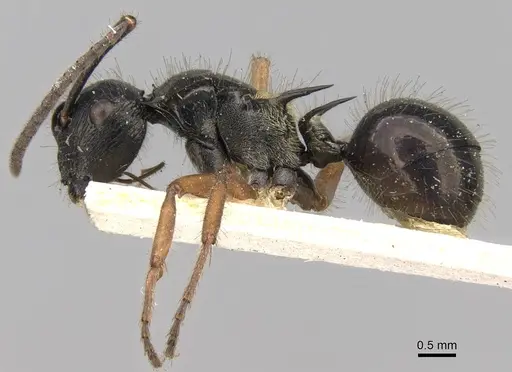
Polyrhachis scutulata is a medium-sized ant species native to northern Australia and the Aru Islands. Workers are typically 6-9mm with a distinctive appearance featuring spines on the thorax, which gives them the common name 'spiny ant.' The genus Polyrhachis is known for its diverse nesting habits, some species are arboreal while others nest in soil or under stones. This species appears to prefer warm, subtropical to tropical habitats consistent with its northern Australian range.
Quick Summary
- Difficulty: Medium
- Origin & Habitat: Northern Australia and Aru Islands (near New Guinea). Found in tropical and subtropical habitats, likely in forested areas with access to both ground and vegetation [1][2].
- Colony Type: Colony structure is unconfirmed. Based on typical Polyrhachis patterns, likely single-queen (monogyne) colonies with claustral founding.
- Size & Growth:
- Queen: Estimated 10-12mm based on genus Polyrhachis patterns for medium-sized species
- Worker: 6-9mm based on genus morphology
- Colony: Likely several hundred workers based on typical Polyrhachis colony sizes
- Growth: Moderate, estimated 6-10 weeks from egg to first worker at optimal temperature
- Development: 6-10 weeks (estimated based on related Polyrhachis species) (Development time is estimated from genus-level data, species-specific timing unconfirmed)
- Antkeeping:
- Temperature: Keep at 24-28°C. Provide a temperature gradient so ants can self-regulate. Northern Australian species tolerate warmer conditions [1].
- Humidity: Moderate to high humidity (60-80%). Mist the outworld occasionally and keep nest substrate slightly moist but not waterlogged.
- Diapause: Likely minimal or no true diapause given tropical origin. May reduce activity during cooler months but probably does not require hibernation.
- Nesting: Accepts most nest types. Y-tong (acrylic) nests work well, or a naturalistic setup with soil and hiding structures. Provide climbing materials as they may be semi-arboreal.
- Behavior: Generally calm and non-aggressive compared to many ants. Workers are active foragers, both on the ground and up vertical surfaces. They are not strong climbers but may explore plant material. Escape prevention should be moderate, they are not tiny but can squeeze through small gaps. They do not have a painful sting but may bite if threatened.
- Common Issues: Limited species-specific information means care is based on genus-level estimates, Slow colony growth compared to faster-developing tropical species may frustrate beginners, Humidity control is important, too dry and brood will fail, too wet and mold becomes a problem, Wild-caught colonies may have parasites or diseases that cause colony loss, Temperature too low will slow or stop brood development
Nest Preferences
Polyrhachis scutulata likely nests in soil, under stones, or in rotting wood based on typical genus behavior. In captivity, they accept acrylic (Y-tong) nests, plaster nests, or naturalistic setups with soil. Provide a nest chamber sized appropriately for the colony, they do not need enormous spaces but room for several hundred workers. Include some substrate depth if using a naturalistic setup. They may benefit from vertical structures or plant material in the outworld since many Polyrhachis species are semi-arboreal and like to explore upward.
Feeding and Diet
Polyrhachis ants are generally omnivorous. They likely accept protein sources like small insects (fruit flies, small mealworms, crickets) and sugar sources like honey water or sugar water. In the wild, they probably forage for honeydew from aphids and scale insects, plus small arthropods. Feed protein 2-3 times per week and provide constant access to sugar water. Remove uneaten prey after 24-48 hours to prevent mold. Fresh fruit (especially sweet fruits) may also be accepted.
Temperature and Care
Keep these ants warm at 24-28°C. A heating cable or mat on one side of the nest creates a temperature gradient they can choose from. Avoid temperatures below 20°C for extended periods, this species comes from northern Australia and prefers warmth. Room temperature (22-25°C) is often acceptable in most homes. Monitor colony behavior: if workers cluster near the heat source, increase temperature slightly, if they avoid it and seem sluggish, the area may be too warm.
Behavior and Temperament
Polyrhachis scutulata workers are active and curious foragers. They are generally peaceful and unlikely to bite aggressively, though they may defend the nest if threatened. Workers can climb smooth surfaces but are not exceptional escape artists like some tiny ants. Use standard escape prevention (fluon on rim edges, tight-fitting lids). They are diurnal and most active during daylight hours. Provide a varied outworld with hiding places and foraging opportunities.
Frequently Asked Questions
How long does it take for Polyrhachis scutulata to produce first workers?
Expect first workers (nanitics) in about 6-10 weeks after the queen lays eggs, assuming optimal temperature (24-28°C). This is an estimate based on related Polyrhachis species, species-specific development time is unconfirmed.
What do Polyrhachis scutulata ants eat?
They are omnivorous. Offer small insects like fruit flies, pinhead crickets, or small mealworms for protein 2-3 times per week. Provide constant access to sugar water or honey water. They likely also accept honeydew and sweet fruits.
What temperature do Polyrhachis scutulata ants need?
Keep them at 24-28°C. A temperature gradient is ideal so they can self-regulate. They prefer warmth and come from northern Australia's tropical to subtropical regions.
How big do Polyrhachis scutulata colonies get?
Based on typical Polyrhachis colony sizes, expect several hundred workers at maturity. The exact maximum is unconfirmed for this species.
Can I keep Polyrhachis scutulata in a test tube?
Yes, a test tube setup works well for founding colonies. Once the colony reaches 20-30 workers, consider moving to a proper formicarium or naturalistic setup with more space.
Do Polyrhachis scutulata ants need hibernation?
Probably not. As a species from tropical northern Australia, they likely do not require a true diapause. They may reduce activity slightly during cooler months but full hibernation is not necessary.
Are Polyrhachis scutulata good for beginners?
They are moderate difficulty. The main challenge is the limited species-specific information available, most care is based on genus-level knowledge. They are generally hardy once established.
When should I move my Polyrhachis scutulata colony to a formicarium?
Move them when the test tube becomes crowded (typically 20-40+ workers) or when the water reservoir is depleted. Make sure the formicarium has appropriate humidity and temperature conditions.
Why are my Polyrhachis scutulata dying?
Common causes include: temperature too low (below 20°C), humidity too dry or too wet, mold from overwatering, stress from moving, or parasites from wild-caught colonies. Review temperature, humidity, and feeding conditions.
References

This caresheet is licensed under CC BY-SA 4.0 .
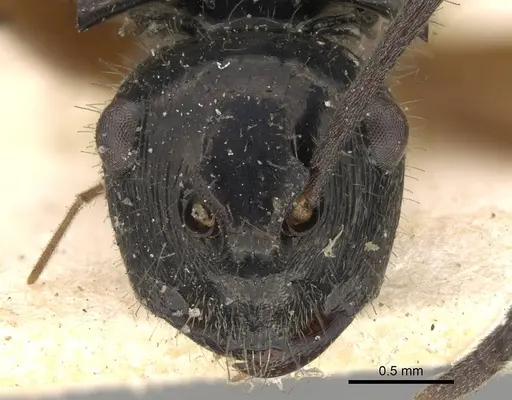
CASENT0901805
View on AntWeb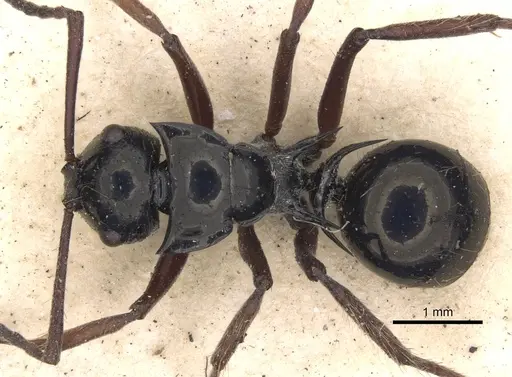
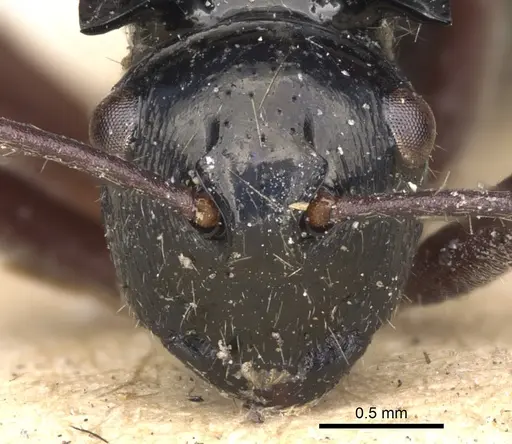
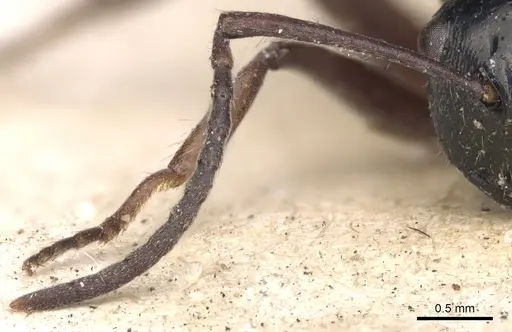
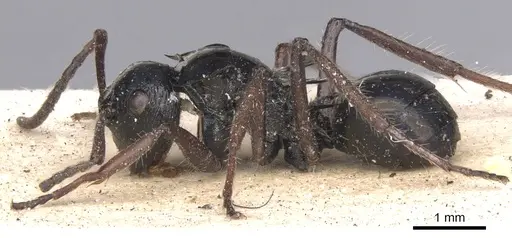
CASENT0906741
View on AntWeb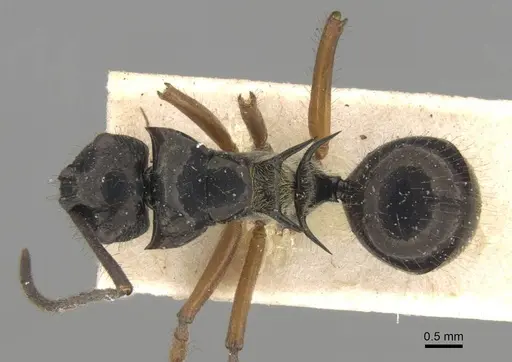
Literature
Loading...Loading products...