

Polyrhachis schwiedlandi
- Scientific Name
- Polyrhachis schwiedlandi
- Subgenus
- Campomyrma
- Tribe
- Camponotini
- Subfamily
- Formicinae
- Author
- Forel, 1902
- Distribution
- Found in 1 countries
Polyrhachis schwiedlandi Overview
Polyrhachis schwiedlandi is an ant species of the genus Polyrhachis. It is primarily documented in 1 countries , including Australia. Detailed taxonomic data and occurrence records can be further explored via authoritative databases such as AntWeb or the Global Biodiversity Information Facility (GBIF).
Polyrhachis schwiedlandi
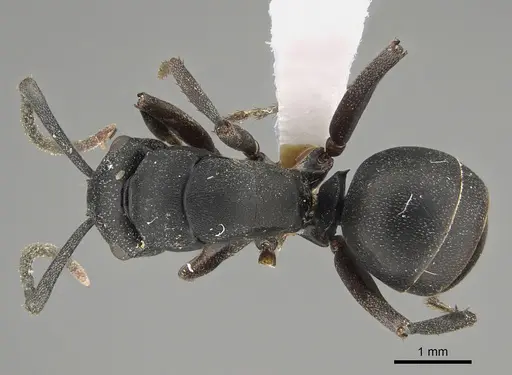
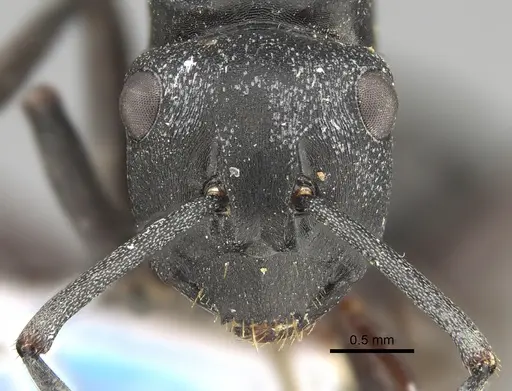
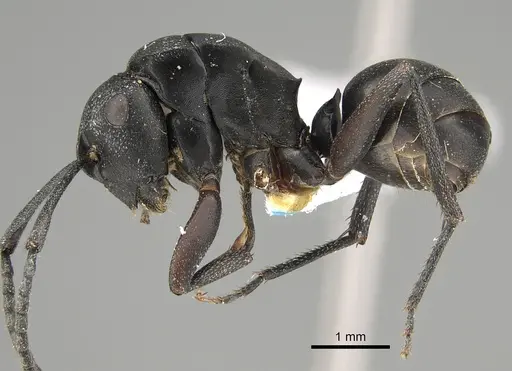
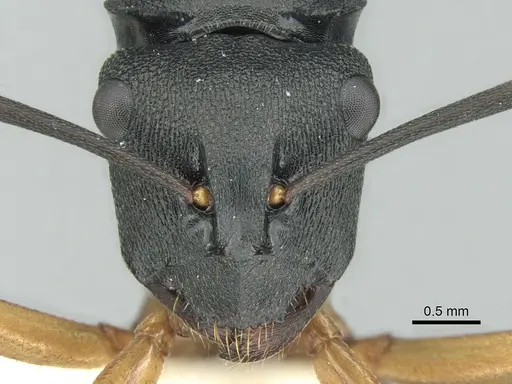
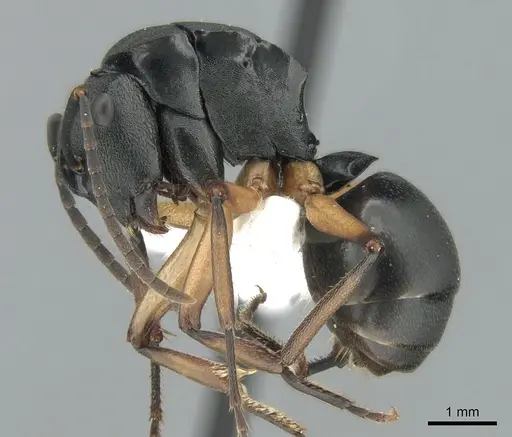
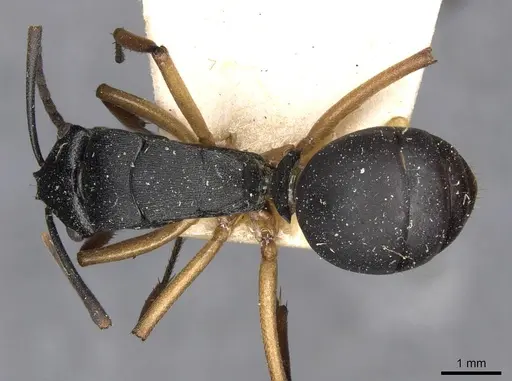
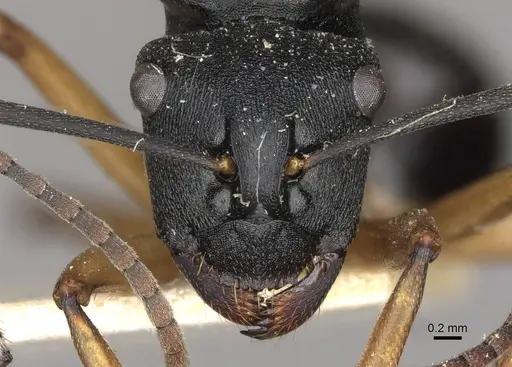
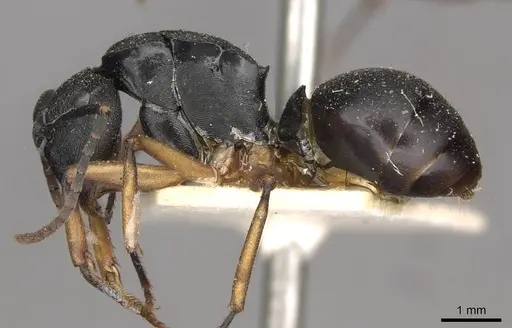
Polyrhachis schwiedlandi is an Australian ant species belonging to the subgenus Campomyrma. Workers are relatively small ants with a distinctive appearance featuring a ridge (carina) extending from the posterior margin of the eye to the vertex of the head capsule. Unlike many Polyrhachis species, workers have an unarmed petiolar node, meaning no spines or hooks on the petiole. The gena (cheek area) has a slight excavation. These ants are subterranean nesters, building their colonies underground rather than in trees or above-ground locations. One notable trait among Formicinae is that they spin cocoons around their pupae, which is unusual for this subfamily [1][2].
Quick Summary
- Difficulty: Unknown, limited keeper data available
- Origin & Habitat: Australia, primarily recorded from New South Wales though the true range is likely more extensive than current records show [3]. As a subterranean species, they likely inhabit soil in forested or shaded areas.
- Colony Type: Colony structure is unconfirmed, likely monogyne (single queen) based on typical Polyrhachis patterns, but not directly studied.
- Size & Growth:
- Queen: Unconfirmed, no specific measurements in research data
- Worker: Unconfirmed, no specific measurements in research data
- Colony: Unconfirmed, no colony size data available
- Growth: Unknown
- Development: Unconfirmed, no development data available for this species (Development timeline has not been studied. Based on typical Polyrhachis patterns, expect several months from egg to worker at optimal temperature.)
- Antkeeping:
- Temperature: Unconfirmed, no specific temperature data exists. Based on Australian distribution and related species, likely tolerate moderate temperatures around 20-26°C. Start around 22-24°C and observe colony activity.
- Humidity: Subterranean nesting suggests preference for moderate to higher humidity. Keep the nest substrate consistently moist but not waterlogged, damp soil conditions mimic their natural underground environment.
- Diapause: Unknown, Australian species may have reduced activity periods rather than true hibernation, but specific seasonal requirements are unconfirmed.
- Nesting: Subterranean nesters, they naturally nest in soil. In captivity, a naturalistic setup with soil or a Y-tong/plaster nest with moisture retention works well. Avoid dry, airy setups. Provide a deep enough nest chamber to accommodate their underground lifestyle [1][2].
- Behavior: Temperament and specific behaviors are unconfirmed. As subterranean ants, they are likely less aggressive and more defensive of their nest rather than active foragers. Escape risk is moderate, they are not particularly large ants but are not tiny either. Standard escape prevention measures should suffice. They spin cocoons around their pupae, which is unusual for Formicinae and indicates unique reproductive behavior [1][2].
- Common Issues: Limited species-specific information makes care recommendations uncertain, much is inferred from genus patterns rather than direct observation, Subterranean species require proper humidity management to prevent desiccation, Cocoon-spinning behavior means pupae are more vulnerable than naked pupae, avoid disturbing the nest during pupal stage, Wild-caught colonies may have parasites or diseases that are difficult to treat without species-specific knowledge, Growth rate is unknown so beginners may struggle with patience, these ants may take longer to establish than common species
Nesting Preferences
Polyrhachis schwiedlandi is a subterranean nesting species, meaning they naturally build their colonies in soil underground rather than in trees or above-ground locations [1][2]. This distinguishes them from many other Polyrhachis species that may nest in vegetation or rotting wood. In captivity, you should provide a nest setup that allows them to dig and maintain tunnels in moist substrate. A naturalistic setup with a deep soil chamber works well, as does a Y-tong or plaster nest that can retain moisture. The key is maintaining consistently damp (but not waterlogged) substrate conditions that mimic their natural underground environment. Avoid dry, airy nest setups as these will cause the colony to struggle or abandon the nest area.
Unique Cocoon Behavior
One of the most interesting traits of Polyrhachis schwiedlandi is that they spin cocoons around their pupae. This is unusual because most Formicinae ants (the subfamily this species belongs to) have naked pupae that lack cocoons [1][2]. This means you need to be especially careful not to disturb the nest during the pupal stage. Cocoons provide some protection, but excessive vibration or handling can still damage developing ants. When maintaining the colony, avoid moving nest materials or disturbing the brood pile unless absolutely necessary. This trait also means that if you need to relocate the colony, extra care is required to ensure pupae are not damaged during the move.
Identification and Distinguishing Features
Workers of Polyrhachis schwiedlandi can be identified by several distinctive features. They have a ridge (carina) that extends from the posterior margin of the eye to the vertex (top) of the head capsule, this is a key identifying feature. Additionally, the upper sector of the gena (the cheek area) is slightly excavate (has a shallow depression). Unlike many Polyrhachis species that have spines or hooks on the petiolar node, workers of this species have an unarmed petiolar node, meaning no spines protrude from this area [3]. These features help distinguish P. schwiedlandi from other Polyrhachis in the region, particularly other Campomyrma species in southwestern Australia.
Feeding and Diet
Specific dietary requirements for Polyrhachis schwiedlandi have not been documented in scientific literature. Based on typical Polyrhachis genus behavior, they are likely omnivorous, accepting both sugary liquids (honey water, sugar water) and protein sources (insects, small prey). As a subterranean species, they may be less active foragers than tree-nesting Polyrhachis, so offering food directly in the nest area or near the colony may be more effective than placing it far away in an outworld. Start with standard ant foods: a constant sugar source and protein offerings 2-3 times per week. Observe whether the colony accepts different foods and adjust accordingly. Avoid overfeeding as uneaten food can mold and cause health problems.
Temperature and Seasonal Care
No specific temperature requirements have been documented for this species. Based on their Australian distribution (primarily NSW), they likely tolerate a range of moderate temperatures. Related Polyrhachis species typically do well around 22-26°C. Start in the low-mid 20s Celsius (around 22-24°C) and observe colony behavior, if workers are consistently clustered in warmer areas of the nest, you can increase temperature slightly, if they avoid heated areas, you may be providing too much heat. Australian species may have reduced activity during cooler months but likely do not require true hibernation (diapause). Maintain stable temperatures rather than allowing fluctuations. A heating cable on one side of the nest can create a useful temperature gradient.
Colony Establishment and Growth
The colony founding behavior of Polyrhachis schwiedlandi has not been directly studied. Most Polyrhachis species are claustral, meaning the queen seals herself in a chamber and raises her first workers entirely on stored body fat without leaving to forage. However, this specific species has not been observed during founding, so the claustral status is inferred from genus patterns rather than confirmed. Once established, colony growth rate is unknown. Subterranean species often grow more slowly than arboreal species because they invest more energy in nest construction. Be patient with newly established colonies, it may take several months to a year or more to see significant worker numbers. Avoid disturbing founding queens or newly established colonies unnecessarily.
Frequently Asked Questions
How long does it take for Polyrhachis schwiedlandi to produce first workers?
The egg-to-worker development timeline has not been studied for this species. Based on typical Polyrhachis patterns, expect approximately 2-4 months from egg to first worker at optimal temperature (around 22-24°C). However, this is an estimate, actual development time may vary and could be longer. Patience is essential when establishing this species.
What type of nest should I use for Polyrhachis schwiedlandi?
Since they are subterranean nesters, provide a naturalistic setup with moist soil or a Y-tong/plaster nest that can retain humidity. The key requirement is moisture retention, they need damp substrate conditions. Avoid dry setups like acrylic nests without moisture provision. A deep soil chamber allows them to exhibit their natural underground nesting behavior.
Are Polyrhachis schwiedlandi good for beginners?
This species is not ideal for beginners due to the limited species-specific care information available. Much of what keepers know is inferred from genus patterns rather than direct observation. If you are experienced with subterranean Polyrhachis species or are comfortable with uncertainty in care requirements, this can be an interesting species to keep. Beginners may want to start with more documented species like common Lasius or Camponotus.
How big do Polyrhachis schwiedlandi colonies get?
Colony size data is not available for this species. Maximum colony size is unknown. Based on typical Polyrhachis patterns, colonies likely reach several hundred workers over time, but this is an estimate. Growth is likely slower than arboreal Polyrhachis species due to their subterranean lifestyle.
What do Polyrhachis schwiedlandi eat?
Specific dietary preferences are unconfirmed. Based on typical Polyrhachis behavior, they likely accept both sugary foods (honey water, sugar water) and protein sources (small insects, mealworms). Offer a constant sugar source and protein 2-3 times per week. Observe your colony's preferences and adjust accordingly. Subterranean species may be less likely to travel far for food, so place offerings near the nest.
Do I need to hibernate Polyrhachis schwiedlandi?
Diapause (hibernation) requirements are unknown for this species. Australian ants may have reduced activity during cooler months but true hibernation may not be necessary. If you keep them at room temperature (around 20-24°C), they should remain active year-round. Do not force hibernation unless you observe clear seasonal slowdowns in the colony.
Can I keep multiple queens together?
Colony structure (monogyne vs polygyne) has not been documented for this species. Based on typical Polyrhachis patterns, they likely form single-queen colonies. Combining unrelated foundress queens is not recommended as this has not been studied and queens may fight. If you acquire a multi-queen colony, they may coexist peacefully, but this is not guaranteed.
Why are my Polyrhachis schwiedlandi dying?
Without species-specific data, common issues include: improper humidity (too dry, they need moist substrate), temperature stress (too hot or too cold), disturbance during pupal development (they spin cocoons and are vulnerable), and poor nutrition. Review humidity levels, ensure stable temperatures in the 22-24°C range, minimize nest disturbances, and verify they are accepting offered food. If problems persist, consider that wild-caught colonies may carry parasites or diseases that are difficult to treat.
When should I move them to a formicarium?
Move to a formicarium or larger nest setup when the colony reaches several dozen workers and the current setup feels cramped. For subterranean species, this means when workers are frequently visible outside the nest area or when the queen spends more time in the outworld. Do not rush the move, let the colony establish well in a founding setup first. When moving, transfer all nest materials including brood to minimize stress.
References

This caresheet is licensed under CC BY-SA 4.0 .
Literature
Loading...Loading products...