

Polyrhachis schoopae
- Scientific Name
- Polyrhachis schoopae
- Subgenus
- Chariomyrma
- Tribe
- Camponotini
- Subfamily
- Formicinae
- Author
- Forel, 1902
- Distribution
- Found in 1 countries
Polyrhachis schoopae Overview
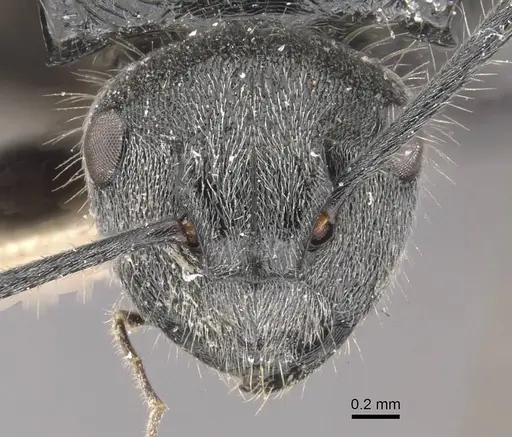
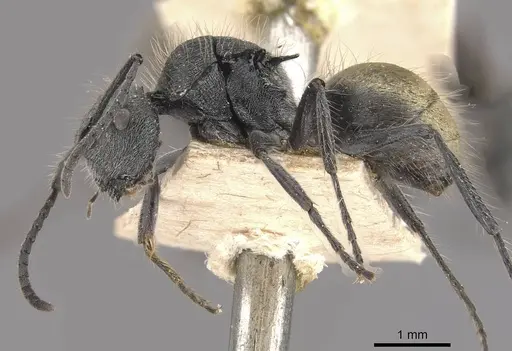
Polyrhachis schoopae is an ant species of the genus Polyrhachis. It is primarily documented in 1 countries , including Australia. Detailed taxonomic data and occurrence records can be further explored via authoritative databases such as AntWeb or the Global Biodiversity Information Facility (GBIF).
Polyrhachis schoopae
Polyrhachis schoopae is an Australian ant species belonging to the subgenus Chariomyrma. Workers are medium-sized ants with the characteristic spines on their thorax that give Polyrhachis their common name of 'spiny ants.' They were originally described as a subspecies of P. appendiculata in 1902 and raised to full species status in 1990 . This species is found exclusively in Australia, particularly in the Queensland region. Like other Chariomyrma species, they nest in rock crevices and on rock faces, using silk to help construct their nests. They are part of the Formicinae subfamily, meaning they defend themselves by spraying formic acid rather than stinging.
Quick Summary
- Difficulty: Medium
- Origin & Habitat: Australia, specifically Queensland wet tropics region. They are lithocolous (rock-dwelling) ants that nest in abandoned nests of other Polyrhachis species, particularly P. turneri, on rock faces [1][2].
- Colony Type: Likely single-queen colonies (monogyne) based on typical Polyrhachis genus patterns. Colony structure specific to this species is unconfirmed.
- Colony: Monogyne
- Founding: Claustral
- Size & Growth:
- Queen: Estimated 8-12mm based on typical Polyrhachis queen size range
- Worker: Estimated 5-9mm based on typical Polyrhachis worker size range
- Colony: Unknown for this specific species, related Polyrhachis species typically reach several hundred workers
- Growth: Moderate, estimated based on genus-level data
- Development: Estimated 6-10 weeks at optimal temperature based on related Formicinae species (Development time is estimated from genus-level data since specific development has not been studied for this species)
- Antkeeping:
- Temperature: Keep at 24-28°C. Being from the Queensland wet tropics, they prefer warm, stable conditions. A heating cable on one side of the nest can create a gentle gradient if room temperature is insufficient.
- Humidity: Moderate to high humidity around 60-80%. Mist the outworld occasionally and keep the nest substrate slightly moist but not waterlogged. They come from a subtropical climate with regular rainfall.
- Diapause: Unconfirmed, Australian Polyrhachis species from Queensland may reduce activity in cooler months but true hibernation is not typical in their range. Consider reducing temperatures slightly (to around 20-22°C) during winter months.
- Nesting: Lithocolous (rock-dwelling) species. They naturally nest in rock crevices and on rock faces, often using abandoned nests of other Polyrhachis species. In captivity, a naturalistic setup with flat stones or a Y-tong/plaster nest with rough surfaces works well. They use silk in nest construction, so providing materials they can work with is beneficial.
- Behavior: Generally docile and non-aggressive compared to many ant species. They are active foragers but not particularly territorial. Workers are medium-sized and can climb smooth surfaces, so standard escape prevention (fluon on rim edges) is recommended. As Formicinae, they can spray formic acid when threatened, though they are not considered dangerous to humans.
- Common Issues: colonies may fail if kept too dry, their rock-dwelling nature means they prefer stable moisture conditions, slow founding phase, claustral queens can take months to raise first workers, and beginners may give up too soon, wild-caught colonies may have parasites that can decimate the colony in captivity, escape prevention is needed, workers can climb glass and smooth surfaces
Housing and Nest Setup
Polyrhachis schoopae is a lithocolous species, meaning they naturally nest in rock crevices and on rock faces. In captivity, you can use a naturalistic setup with flat stones placed on moist substrate, which mimics their natural rock-dwelling habitat. Alternatively, a Y-tong (AAC) nest or plaster nest with rough-textured chambers works well. The key is providing a nest environment that feels like rock, they don't do well in smooth, glass-walled nests alone. Add some small rocks or rough surfaces inside the formicarium for them to work with. Because they use silk in nest construction, you might include some loose soil or fine materials they can manipulate. [1][2]
Feeding and Diet
Like other Polyrhachis species, P. schoopae is omnivorous. They readily accept sugar sources (honey water, sugar water) and protein (small insects like fruit flies, mealworms, crickets). In the wild, they forage for honeydew from aphids and scale insects, plus small arthropods. Feed them a varied diet: offer sugar water constantly and protein prey 2-3 times per week. Remove uneaten prey after 24 hours to prevent mold. They are not specialized predators, so any appropriately-sized live or frozen prey works.
Temperature and Seasonal Care
Being from the Queensland wet tropics of Australia, these ants need warm conditions. Keep the nest area at 24-28°C for optimal brood development. A heating cable placed on top of the nest (never underneath, as this can dry out the nest too quickly) can help maintain warmth. During the cooler winter months, you can reduce temperatures slightly to around 20-22°C, but avoid true cold hibernation since they come from a subtropical climate. They may become less active in winter but should not be allowed to experience cold stress below about 18°C.
Behavior and Colony Dynamics
Polyrhachis schoopae is a relatively docile species that establishes moderate-sized colonies. Workers are active foragers and will readily explore the outworld for food. They have the characteristic spines on their thorax that help distinguish them from other ant genera. When threatened, they can spray formic acid as a defense mechanism, this is harmless to humans but can deter predators. Colonies grow gradually over several months to years, with the queen laying eggs continuously once workers are established. The founding phase can be slow, so patience is key when establishing a new colony from a queen.
Frequently Asked Questions
How long does it take for Polyrhachis schoopae to raise first workers?
Estimated 6-10 weeks from egg to worker at optimal temperature (24-28°C). This is based on typical Formicinae development times since specific data for P. schoopae is not available. The founding phase can feel slow, claustral queens seal themselves in and rely on stored fat reserves, so resist the urge to disturb the founding chamber.
What is the best nest type for Polyrhachis schoopae?
A naturalistic setup with flat stones on moist substrate works best, as this mimics their natural rock-dwelling habitat. Y-tong (AAC) nests or plaster nests with rough-textured chambers are also suitable. Avoid smooth glass-only nests, they prefer surfaces they can grip and work with.
How big do Polyrhachis schoopae colonies get?
Colony size is not specifically documented, but related Polyrhachis species typically reach several hundred workers. Expect moderate growth over 1-3 years to reach a mature colony size.
Can I keep multiple Polyrhachis schoopae queens together?
This has not been studied for P. schoopae specifically. Based on typical Polyrhachis patterns, they likely form single-queen colonies. Combining unrelated foundress queens is not recommended as it typically leads to fighting.
What do Polyrhachis schoopae eat?
They are omnivores. Offer sugar water or honey constantly, and supplement with protein-rich foods like small insects (fruit flies, mealworms, small crickets) 2-3 times per week. They will also collect honeydew if aphids are available.
Do Polyrhachis schoopae need hibernation?
True hibernation is not typical for this species since they come from the subtropical Queensland wet tropics. However, you can reduce temperatures slightly in winter (to around 20-22°C) to simulate cooler months. Avoid temperatures below 18°C.
Are Polyrhachis schoopae good for beginners?
They are rated as medium difficulty. The main challenges are providing appropriate rock-dwelling housing and being patient through the slow founding phase. They are more docile than many ants, which makes them manageable once established.
Why are my Polyrhachis schoopae dying?
Common causes include: too dry conditions (they need consistent moisture), temperatures too cold (below 18°C), or stress from disturbance during founding. Wild-caught colonies may also carry parasites. Ensure proper humidity, warmth, and minimal disturbance during founding.
When should I move Polyrhachis schoopae to a formicarium?
Wait until the colony has at least 20-30 workers before moving from a test tube setup. The colony should be actively foraging and the queen should be laying eggs consistently. Moving too early can stress the colony.
References

This caresheet is licensed under CC BY-SA 4.0 .
CASENT0906739
View on AntWeb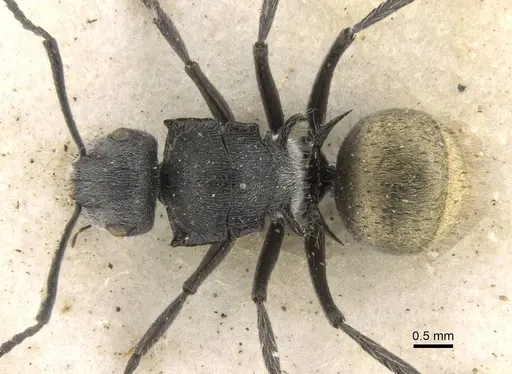
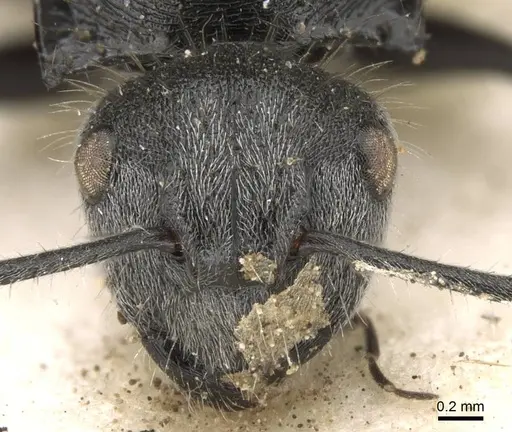
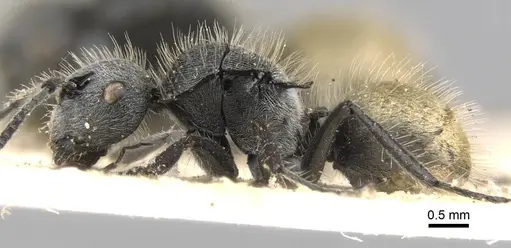
CASENT0910815
View on AntWeb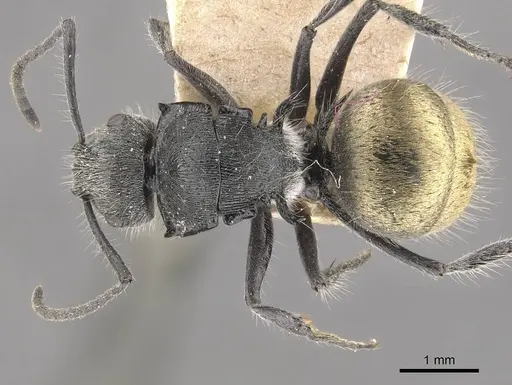
Literature
Loading...Loading products...