

Polyrhachis schlueteri
- Scientific Name
- Polyrhachis schlueteri
- Subgenus
- Myrma
- Tribe
- Camponotini
- Subfamily
- Formicinae
- Author
- Forel, 1886
- Common Name
- Silver Spiny Sugar Ant
- Distribution
- Found in 5 countries
Polyrhachis schlueteri Overview
Polyrhachis schlueteri (commonly known as the Silver Spiny Sugar Ant) is an ant species of the genus Polyrhachis. It is primarily documented in 5 countries , including Malawi, Mozambique, Tanzania. Detailed taxonomic data and occurrence records can be further explored via authoritative databases such as AntWeb or the Global Biodiversity Information Facility (GBIF).
Polyrhachis schlueteri - "Silver Spiny Sugar Ant"
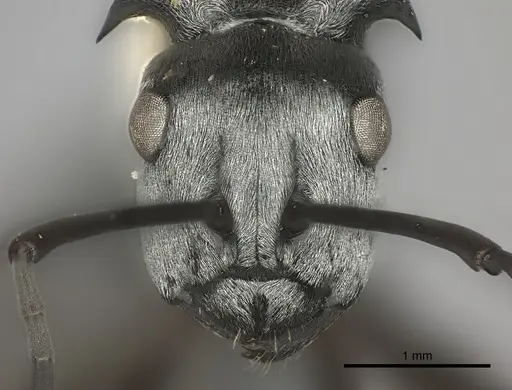
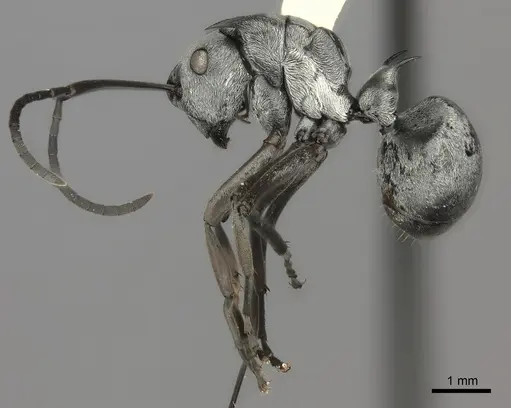
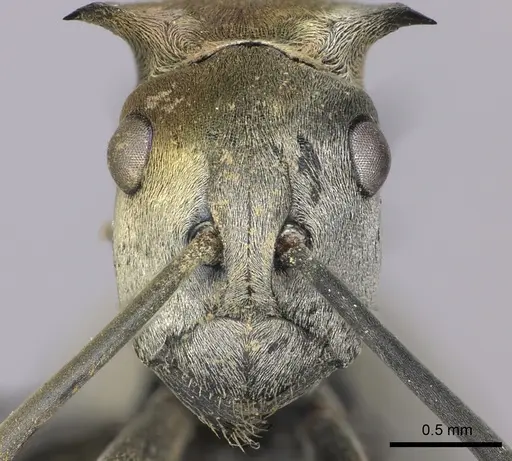
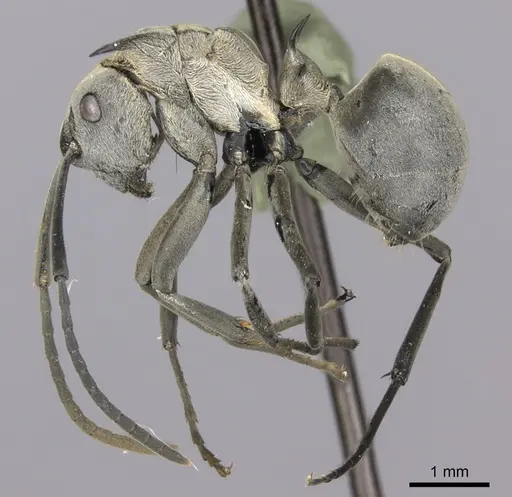
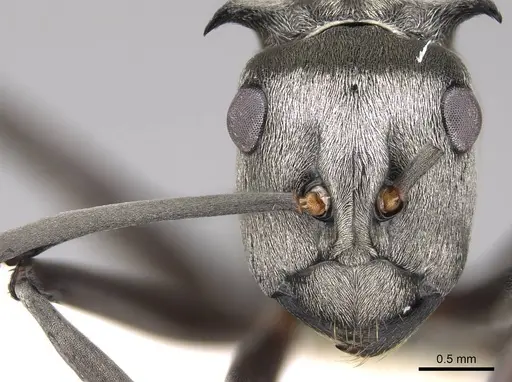
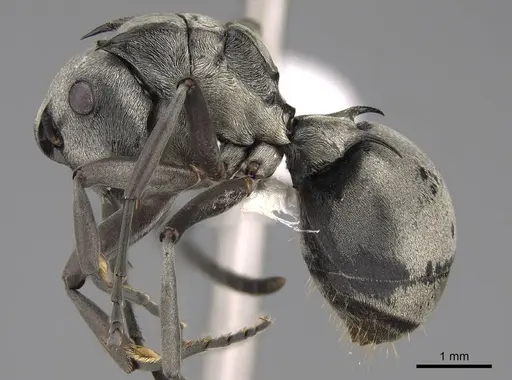
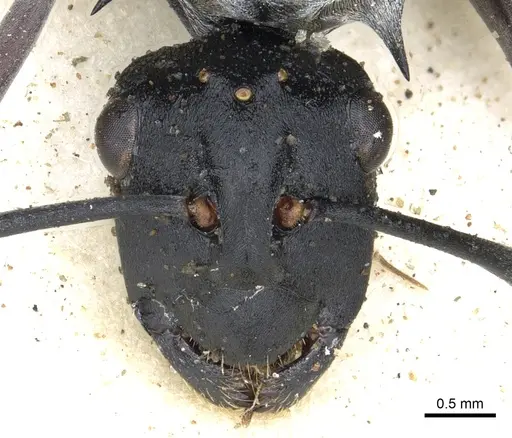
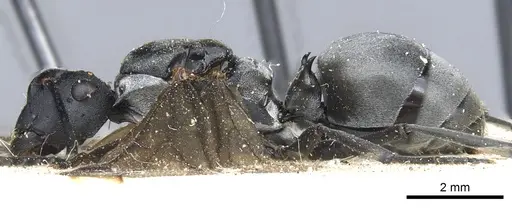
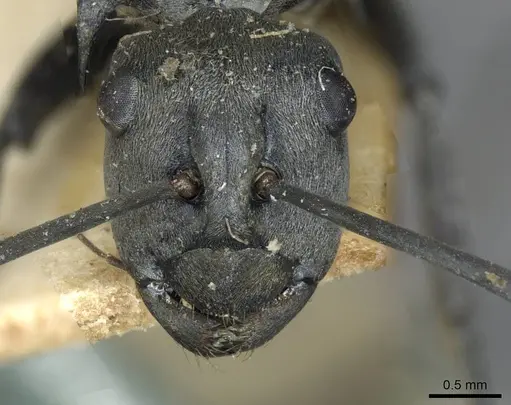
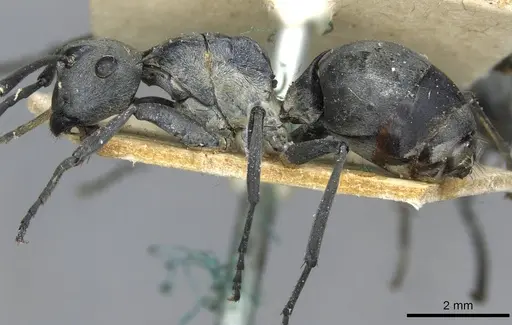
Polyrhachis schlueteri is a medium-sized African ant belonging to the Formicinae subfamily. Workers measure 8.6-9.1mm with a distinctive long-faced appearance caused by their eyes being positioned far back on the head. The species is instantly recognizable by its completely smooth, black body covered in dense silver-grey pubescence that gives the ant a silvery sheen in life, unlike most ants, they have no standing hairs on the head, alitrunk, or gaster. They feature prominent pronotal spines and a pair of dorsal spines on the petiole. Found across the Afrotropical region including Kenya, Mozambique, South Africa, Tanzania, and Zimbabwe, they inhabit hot and moist localities. This species belongs to the militaris species-group and is part of the Camponotini tribe, which has an obligate symbiotic relationship with Blochmannia bacteria that aids in nutrition and worker size regulation [1].
Quick Summary
- Difficulty: Medium
- Origin & Habitat: Afrotropical region, Kenya, Mozambique, South Africa, Tanzania, and Zimbabwe. They are limited to hot and moist localities in the wild.
- Colony Type: Colony structure is unconfirmed. Based on related Polyrhachis species, likely monogyne (single queen) but this needs confirmation.
- Size & Growth:
- Queen: Undescribed in detail, but queens would be larger than workers, estimated 10-12mm based on genus patterns
- Worker: 8.6-9.1mm
- Colony: Unknown, no colony size data available for this species
- Growth: Moderate, based on typical Polyrhachis development patterns
- Development: Estimated 6-8 weeks at optimal temperature based on genus-level data for related Polyrhachis species (Development time is estimated as no direct species-specific data exists. Warmer temperatures within their preferred range will speed development.)
- Antkeeping:
- Temperature: Keep at 24-28°C. They naturally inhabit hot, moist African localities so warmth is important. A heating cable on one side of the nest creates a suitable gradient.
- Humidity: Require high humidity, they come from moist habitats. Keep the nest substrate consistently damp but not waterlogged. Provide a water tube for drinking access.
- Diapause: Unknown for this species. Many African Polyrhachis species do not require true hibernation but may have reduced activity during cooler periods.
- Nesting: In captivity, Y-tong (AAC) nests or plaster nests work well. They prefer enclosed nests with good humidity retention. Provide a foraging area with access to moisture.
- Behavior: Generally calm and non-aggressive compared to many ants. They are moderate foragers and will search for protein and sugar sources. Their large size (nearly 9mm workers) makes them easy to contain, escape risk is moderate. They have a stinger but rarely use it, and it causes only mild irritation. The dense pubescence and lack of standing hairs is a distinctive visual feature. They are active foragers and will accept a variety of foods.
- Common Issues: high humidity requirements can lead to mold if ventilation is poor, wild-caught colonies may have parasites that are difficult to treat, limited information on captive care means keepers must adapt from related species, diapause requirements are unknown, trial and error may be needed, queen acceptance during colony founding can be difficult
Housing and Nest Setup
Polyrhachis schlueteri does well in Y-tong (AAC) nests or plaster formicaria that retain humidity well. Their medium-large size (nearly 9mm workers) means they need appropriately sized chambers, avoid cramped spaces but also avoid overly large open areas. A foraging area should be connected to the nest with access to both protein foods and sugar water. Because they come from moist habitats, the nest material should hold humidity without becoming waterlogged. A water tube attached to the foraging area provides drinking water. Escape prevention is straightforward given their size, standard barriers work well, though active workers can climb smooth surfaces.
Feeding and Diet
Like most Polyrhachis species, they are omnivorous and will accept both protein and sugar sources. Offer protein foods such as mealworms, crickets, or other insects twice weekly. Sugar water, honey, or diluted syrup should be available constantly in the foraging area. Fresh fruit can also be accepted. In the wild, they likely forage for honeydew and small invertebrates. Remove uneaten protein within 24-48 hours to prevent mold. Their large workers can tackle prey items that smaller ants cannot manage.
Temperature and Seasonal Care
These ants come from hot, moist African localities and need warmth to thrive. Maintain temperatures between 24-28°C in the nest area. A heating cable placed on one side of the nest creates a temperature gradient that allows ants to regulate their own exposure. Avoid temperatures below 20°C for extended periods. The humidity requirement is important, aim for 60-80% relative humidity within the nest. Since their exact diapause requirements are unknown, observe your colony's behavior. If they become less active during winter months in temperate climates, reduce temperatures slightly (to around 20°C) for 2-3 months rather than a full hibernation.
Colony Development
Queens are larger than workers but exact measurements are not documented in available literature. The founding process is likely claustral, the queen seals herself in a chamber and raises the first brood using stored fat reserves. First workers (nanitics) will be smaller than normal workers but will quickly grow as the colony expands. Based on related Polyrhachis species, expect 6-8 weeks from egg to first worker at optimal temperature. Growth is moderate, colonies may take several months to reach 20-30 workers and longer to become established. Patience is key with this species as they are not fast growers.
Behavior and Temperament
Polyrhachis schlueteri is generally calm and not particularly aggressive. Workers are active foragers that will explore their environment methodically. The most distinctive physical feature is the dense silver-grey pubescence that covers their entire body, giving them a shimmering appearance, this is visible even in photos and makes them one of the more visually striking African Polyrhachis species. They lack the standing hairs common in most ants, which is a key identification feature. While they possess a stinger, they rarely use it and any sting would cause only mild irritation to humans. Their moderate size makes them easier to contain than tiny ants.
Frequently Asked Questions
How long does it take for Polyrhachis schlueteri to produce first workers?
Based on related Polyrhachis species, expect 6-8 weeks from egg to first worker at optimal temperature (24-28°C). This is an estimate as no species-specific development data exists.
What temperature do Polyrhachis schlueteri ants need?
Keep them at 24-28°C. They naturally inhabit hot, moist African localities so warmth is important for their health and development.
Are Polyrhachis schlueteri good for beginners?
They are rated as medium difficulty. They require higher humidity and warmth than some species, but their moderate size and calm temperament make them manageable for keepers with some experience.
What do Polyrhachis schlueteri eat?
They are omnivorous. Offer protein (insects like mealworms or crickets) twice weekly and keep sugar water or honey available at all times.
How big do Polyrhachis schlueteri colonies get?
Colony size data is not available for this species. Based on related Polyrhachis species, colonies likely reach several hundred workers over time.
Do Polyrhachis schlueteri need hibernation?
Their diapause requirements are unknown. Many African Polyrhachis species do not require true hibernation. If your colony shows reduced activity in winter, a slight temperature reduction to around 20°C for 2-3 months may be appropriate.
Can I keep multiple Polyrhachis schlueteri queens together?
Colony structure is unconfirmed for this species. Based on related Polyrhachis species, they are likely monogyne (single queen). Combining unrelated queens is not recommended without evidence they can coexist.
What makes Polyrhachis schlueteri distinctive?
They are easily recognized by their dense silver-grey pubescence that gives the entire ant a silvery sheen, and the complete absence of standing hairs on the head, alitrunk, and gaster, unlike most ants.
Where is Polyrhachis schlueteri found?
They are found across the Afrotropical region including Kenya, Mozambique, South Africa, Tanzania, and Zimbabwe. They prefer hot and moist localities.
References

This caresheet is licensed under CC BY-SA 4.0 .
CASENT0217800
View on AntWeb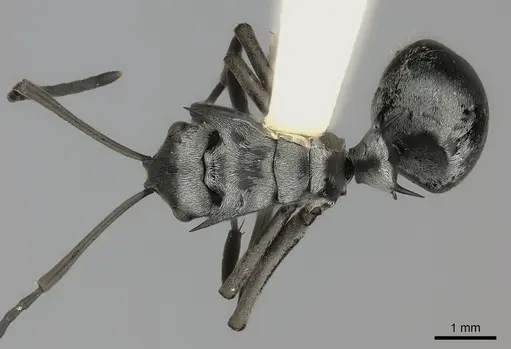
CASENT0235676
View on AntWeb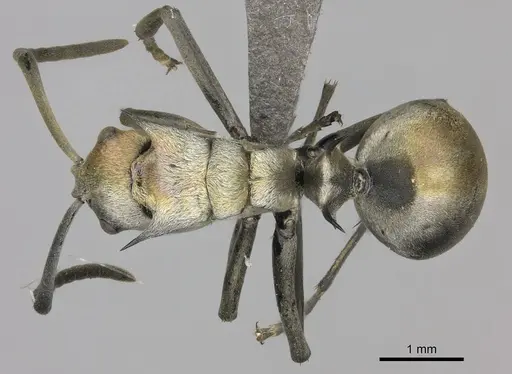
CASENT0281455
View on AntWeb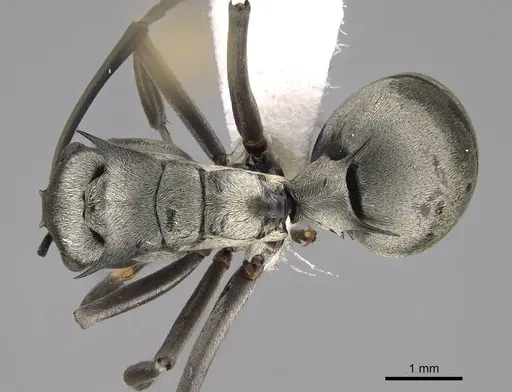
CASENT0903458
View on AntWeb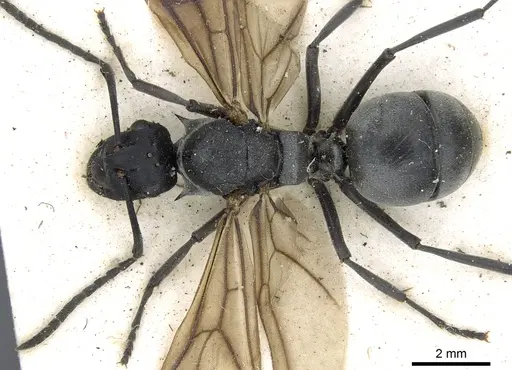
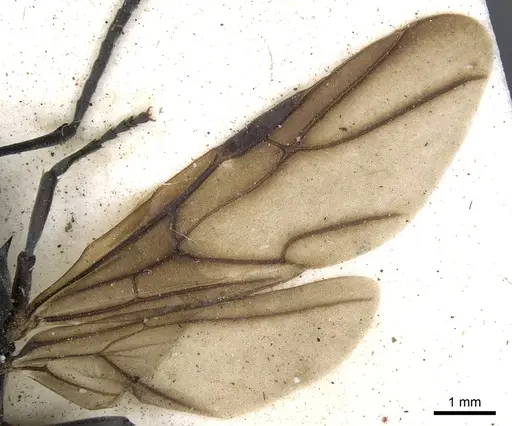
CASENT0910913
View on AntWeb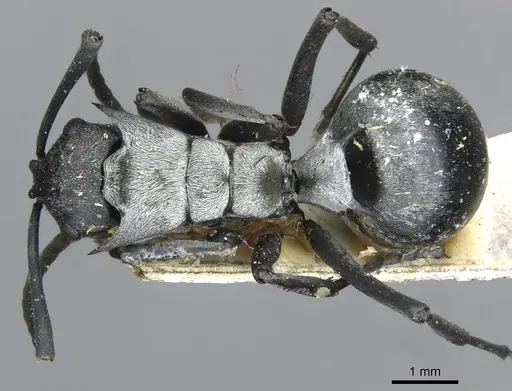
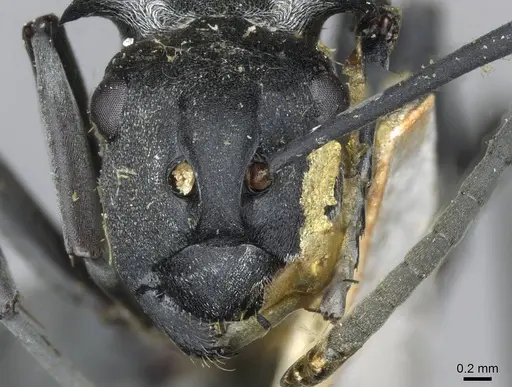
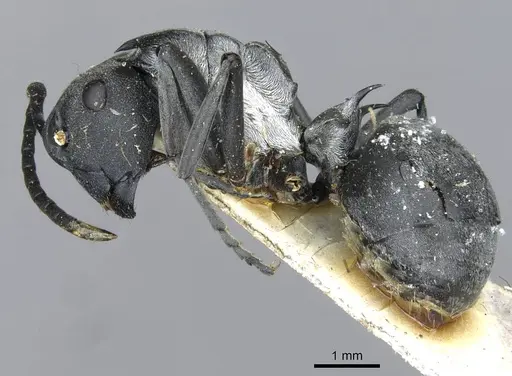
CASENT0910914
View on AntWeb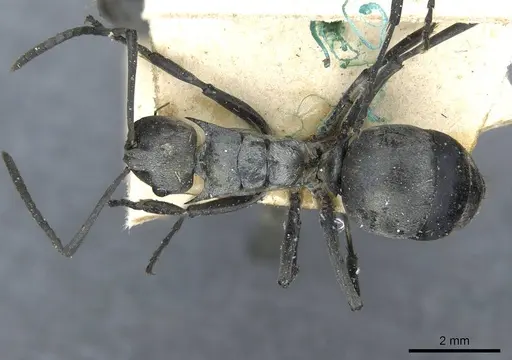
Literature
Loading...Loading products...