

Polyrhachis schang
- Scientific Name
- Polyrhachis schang
- Subgenus
- Myrmatopa
- Tribe
- Camponotini
- Subfamily
- Formicinae
- Author
- Forel, 1879
- Distribution
- Found in 1 countries
Polyrhachis schang Overview
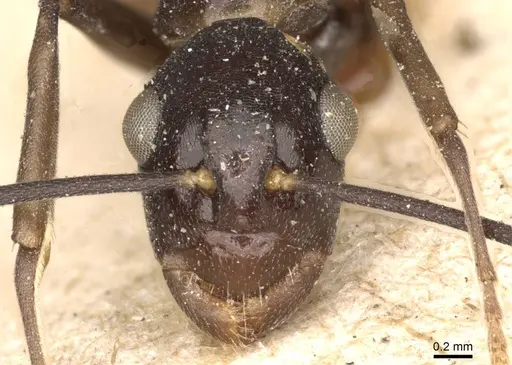
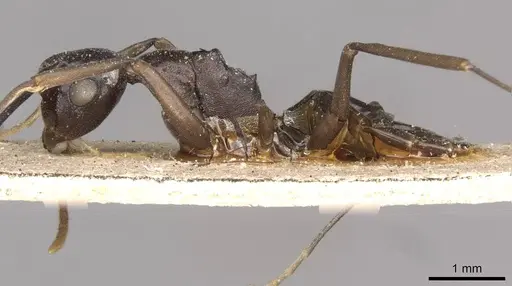
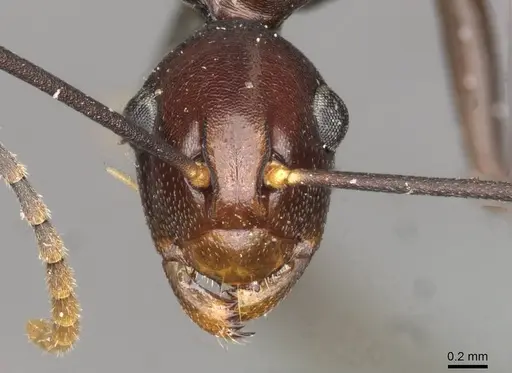
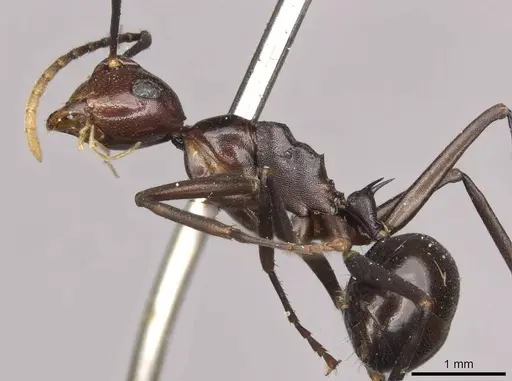
Polyrhachis schang is an ant species of the genus Polyrhachis. It is primarily documented in 1 countries , including Indonesia. Detailed taxonomic data and occurrence records can be further explored via authoritative databases such as AntWeb or the Global Biodiversity Information Facility (GBIF).
Polyrhachis schang
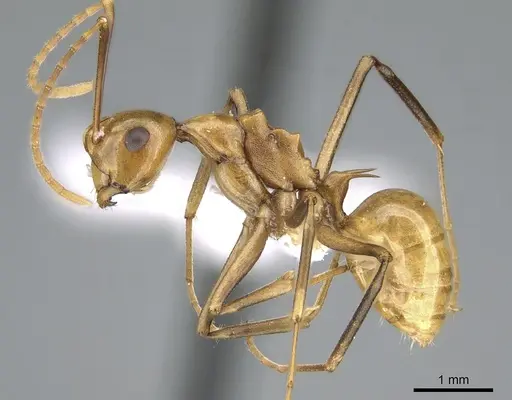
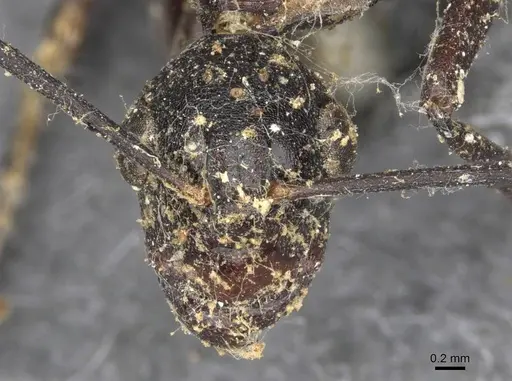
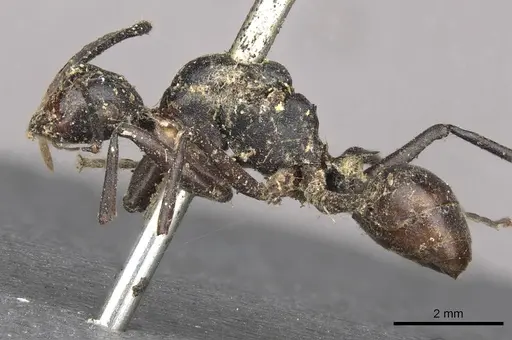
Polyrhachis schang is an arboreal ant species belonging to the subgenus Myrmatopa, found across the Indomalaya region including the Philippines and into southern China. These ants are characterized by their relatively slender build and are known for nesting in trees and vegetation rather than on the ground. Workers are active foragers that search for food in the canopy and along branches. The species shows flexibility in nesting materials, they may build simple nests without additional material, or construct carton or silk structures to create sheltered chambers in vegetation [1][2]. Unlike many ant species, Polyrhachis schang pupae do not develop inside protective cocoons, emerging as naked pupae instead [1].
Quick Summary
- Difficulty: Medium
- Origin & Habitat: Native to the Indomalaya region (Philippines) and extends into the Palaearctic region (southern China). As an arboreal species, they nest in trees, shrubs, and other elevated locations rather than in ground nests [1][2][3].
- Colony Type: Colony structure is not well-documented in scientific literature. Based on typical Polyrhachis patterns, colonies likely establish with a single founding queen (monogyne) but may develop multi-queen structures in established colonies. More research needed to confirm exact colony organization.
- Colony: Monogyne
- Founding: Claustral
- Size & Growth:
- Queen: Estimated 8-10mm based on related Polyrhachis species in the subgenus Myrmatopa, direct measurements not available in current literature
- Worker: Estimated 5-7mm based on genus patterns, direct measurements not available in current literature
- Colony: Likely several hundred workers based on typical Polyrhachis colony sizes, estimated from related species
- Growth: Moderate, growth rate inferred from typical Polyrhachis development patterns
- Development: Estimated 6-10 weeks at optimal temperature based on genus-level data for related Polyrhachis species (Development timeline is inferred from genus patterns, as species-specific data is not available. Naked pupae (no cocoons) may develop slightly faster than cocooned species.)
- Antkeeping:
- Temperature: Based on their tropical to subtropical distribution (Philippines, southern China), keep nest areas at 24-28°C with a gentle gradient. Room temperature within this range is typically suitable. Avoid temperatures below 20°C for extended periods.
- Humidity: Moderate to high humidity (60-80%) mimics their arboreal forest habitat. Provide moisture through a water reservoir or regular misting of the outworld. Ensure ventilation prevents stagnant conditions while maintaining humidity.
- Diapause: Unlikely, being from tropical/subtropical regions, they probably do not require a true hibernation period. However, they may show reduced activity during cooler winter months if room temperature drops.
- Nesting: Arboreal nesters require elevated nest structures. Y-tong (AAC) nests work well, or custom acrylic setups with chambers positioned above the ground. Provide twigs, small branches, or cork bark in the outworld to simulate their natural arboreal environment. They may accept nests with or without additional materials (carton/silk) [1][2].
- Behavior: Polyrhachis schang workers are active foragers that search for food throughout their territory. They are generally not aggressive toward keepers but will defend their nest if threatened. Escape prevention is important due to their moderate size, standard formicarium barriers and tight-fitting lids are usually sufficient. Workers are quick-moving and may attempt escapes if given the opportunity. They are diurnal and actively forage during daylight hours.
- Common Issues: lack of specific care data, much of the guidance is inferred from genus patterns rather than species-specific research, arboreal nature requires special setup considerations, standard ground nests are not appropriate, naked pupae (no cocoons) may be more vulnerable to disturbance during transfers, escape risk exists due to active foraging behavior, ensure secure barriers, limited availability in the antkeeping hobby means established keeping protocols are not widely developed
Nest Preferences and Housing
Polyrhachis schang is an arboreal species, meaning they naturally nest in elevated locations like trees, shrubs, and vegetation rather than in soil or underground [1][2]. This fundamentally changes how you need to set up their housing compared to typical ground-nesting ants. In captivity, Y-tong (AAC) nests work well, or you can use custom acrylic setups with chambers positioned horizontally rather than vertically. The key is simulating their natural arboreal environment, they don't need deep substrate or underground chambers. In the outworld, provide enrichment items like cork bark, small twigs, or artificial branches. These give workers opportunities to explore and forage in a way that matches their natural behavior. The species shows flexibility in nest construction, they may build simple nests without additional material, or construct carton or silk structures [1][2]. This adaptability means they can accept various nest designs as long as the elevation and space requirements are met.
Feeding and Diet
Like most Polyrhachis species, these ants are omnivorous with a preference for protein-rich foods. In captivity, offer a varied diet including small insects (fruit flies, small crickets, mealworms) as a protein source. They will also accept sugar sources like honey water or sugar water, though protein should form the majority of their diet. Feed them small prey items 2-3 times per week, removing any uneaten prey after 24 hours to prevent mold. Keep a constant supply of sugar water available. Their active foraging behavior means they will readily explore and exploit food sources in their outworld. Observe your colony's preferences, some colonies may favor certain foods over others. Fresh fruit slices can occasionally be offered as supplementary carbohydrates.
Temperature and Seasonal Care
Being native to tropical and subtropical regions (Philippines, southern China), Polyrhachis schang requires warm conditions year-round. Maintain nest temperatures between 24-28°C, which is easily achieved in most room temperature settings. If your room runs cooler, use a heating cable or mat on one side of the nest to create a gentle thermal gradient. Place the heating element on top of the nest rather than underneath to avoid evaporating moisture too quickly. Unlike temperate species, they do not require a true hibernation period. However, they may show reduced activity during winter months if ambient temperatures drop significantly. Monitor your colony's behavior, if workers become less active and cluster together, slightly increasing temperature may help. Avoid sudden temperature changes and keep them away from air conditioning vents or drafty windows.
Understanding Their Unique Biology
One distinctive trait of Polyrhachis schang is that their pupae do not develop inside cocoons [1]. This is unusual among ants, most species wrap their pupae in protective silk cocoons, but this species emerges as naked pupae. This has practical implications for antkeepers: naked pupae are more vulnerable to damage and disturbance. When moving colonies or cleaning nests, be extremely gentle around the brood pile. Avoid transferring them during major developmental stages if possible. The lack of cocoons also means you may see the pupae more clearly, making it easier to monitor development stages. Additionally, their arboreal lifestyle with variable nest materials (carton, silk, or none) [1][2] reflects a flexible species that has adapted to various elevated microhabitats in their forest canopy environment.
Behavior and Handling
Polyrhachis schang workers are active and agile foragers. They spend considerable time exploring their surroundings, searching for food along branches and surfaces. This active behavior makes them entertaining to watch but also means escape prevention must be taken seriously. Standard barrier methods like fluon-coated rims or tight-fitting lids work well. They are not particularly aggressive toward keepers and rarely bite, but they will defend their nest if it is threatened or damaged. When observing your colony, you will notice workers communicating about food discoveries through chemical trails, once a worker finds a food source, others will quickly follow. They are primarily diurnal, showing peak activity during daylight hours. Their arboreal nature means they are comfortable moving on vertical surfaces and exploring three-dimensional spaces in their enclosure.
Frequently Asked Questions
Can I keep Polyrhachis schang in a test tube setup?
Test tubes can work for founding colonies, but you will need to modify the setup to accommodate their arboreal nature. Standard test tubes are designed for ground-nesting ants, so consider adding small twigs or cork pieces inside the tube to give the queen and workers something to climb on. For established colonies, a Y-tong or acrylic nest is more appropriate than a test tube.
When should I move my Polyrhachis schang colony to a formicarium?
Move them when the colony reaches around 30-50 workers and the test tube's water reservoir is running low. For arboreal species like this, choose a formicarium with horizontal chambers rather than deep vertical ones. Make sure the outworld has enrichment items like branches or cork bark for them to explore.
What is the best nest type for Polyrhachis schang?
Y-tong (AAC) nests work well, or custom acrylic setups with horizontal chambers. The key requirement is elevation, they are arboreal ants that naturally nest above ground. Avoid deep soil nests or setups designed for ground-nesting species.
How long does it take for first workers to emerge?
Based on typical Polyrhachis development patterns, expect first workers (nanitics) approximately 6-10 weeks after the queen lays her first eggs, assuming optimal temperature around 26°C. This is an estimate since species-specific development data is not available.
How fast do Polyrhachis schang colonies grow?
Growth rate is moderate. Colonies typically reach 50-100 workers within the first year under good conditions. Full maturity with several hundred workers may take 2-3 years. Growth depends heavily on feeding quality and temperature.
Can I keep multiple queens together?
This has not been documented for this specific species. Based on typical Polyrhachis behavior, single-queen colonies are most common during the founding stage. Combining unrelated foundress queens is not recommended as it often leads to aggression.
How big do Polyrhachis schang colonies get?
Based on related species, colonies likely reach several hundred workers at maturity. Exact maximum size is not documented in scientific literature for this species.
Are Polyrhachis schang dangerous to humans?
No, they are not dangerous to humans. They are not aggressive and their sting, if anything, is mild. They pose no significant threat to keepers.
What do Polyrhachis schang eat?
They are omnivorous. Offer small insects (fruit flies, small crickets, mealworms) as a primary protein source. Sugar water or honey water should be available constantly. They may also accept small fruit pieces occasionally.
What temperature do they need?
Keep nest areas at 24-28°C based on their tropical/subtropical distribution. Room temperature in this range is typically suitable. Avoid temperatures below 20°C for extended periods.
Are Polyrhachis schang good for beginners?
They are rated as medium difficulty. While not the easiest species, their care requirements are straightforward once their arboreal nature is understood. Beginners should research arboreal ant keeping before purchasing. Their unique naked pupae require gentle handling during nest maintenance.
Do they need hibernation?
Unlikely. Being from tropical/subtropical regions, they do not require a true hibernation period. They may show reduced activity in cooler months, but no special winter care is needed beyond maintaining normal temperatures.
Why are my Polyrhachis schang dying?
Common causes include: temperatures too low (below 20°C), improper humidity (too dry or waterlogged), poor nutrition, or disturbance to naked pupae during transfers. Review each aspect of your setup and ensure conditions match their arboreal, tropical requirements.
References

This caresheet is licensed under CC BY-SA 4.0 .
CASENT0905556
View on AntWeb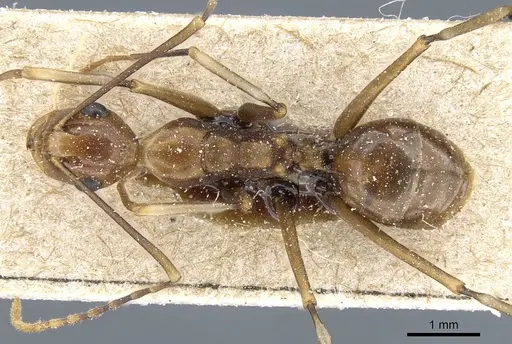
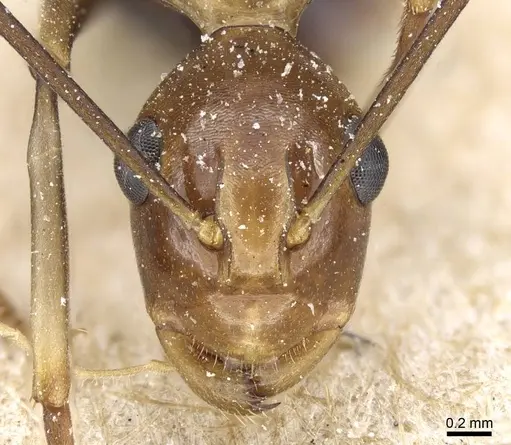
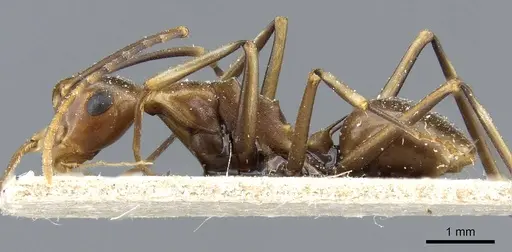
CASENT0905812
View on AntWeb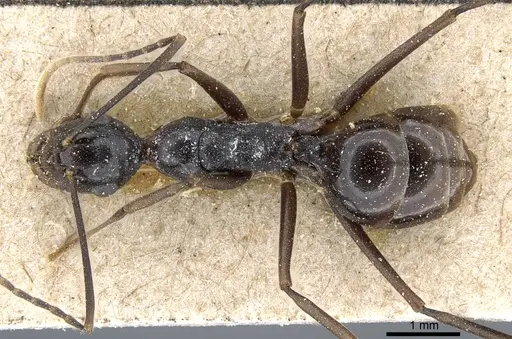
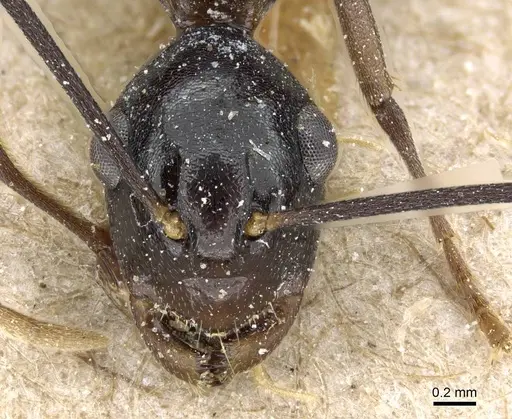
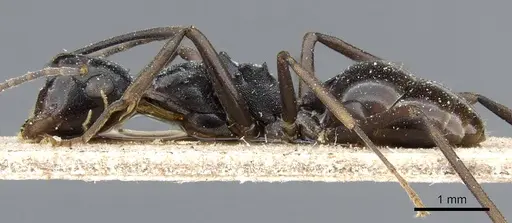
CASENT0906575
View on AntWeb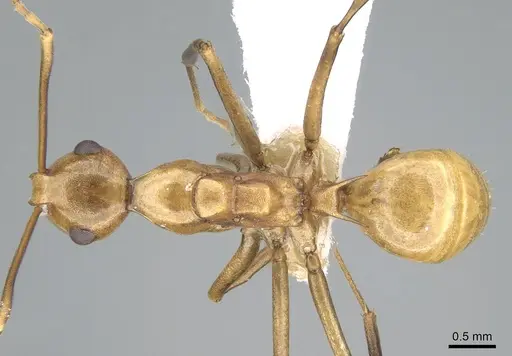
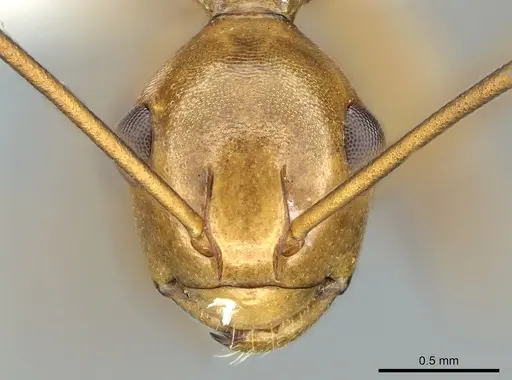
CASENT0910786
View on AntWeb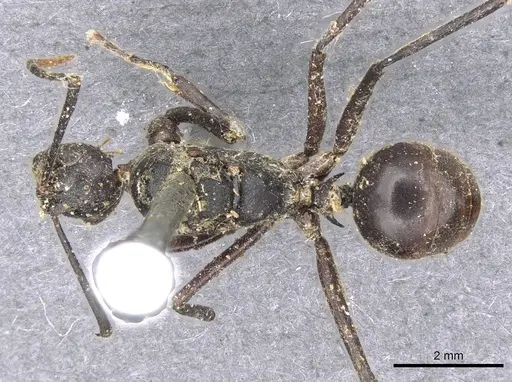
CASENT0910787
View on AntWeb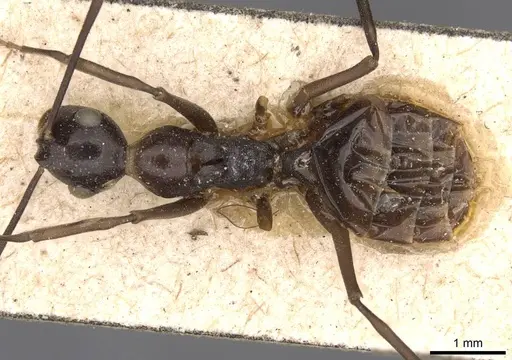
CASENT0910789
View on AntWeb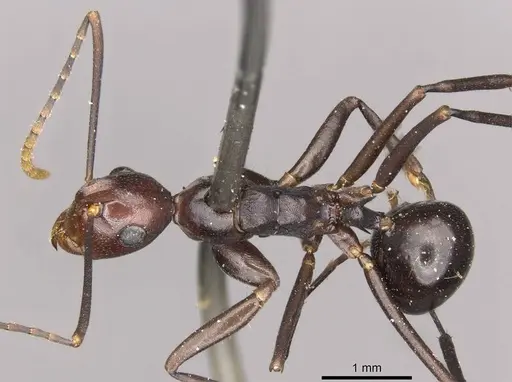
Literature
Loading...Loading products...