

Polyrhachis salomo
- Scientific Name
- Polyrhachis salomo
- Subgenus
- Myrma
- Tribe
- Camponotini
- Subfamily
- Formicinae
- Author
- Forel, 1910
- Distribution
- Found in 1 countries
Polyrhachis salomo Overview
Polyrhachis salomo is an ant species of the genus Polyrhachis. It is primarily documented in 1 countries , including Solomon Islands. Detailed taxonomic data and occurrence records can be further explored via authoritative databases such as AntWeb or the Global Biodiversity Information Facility (GBIF).
Polyrhachis salomo
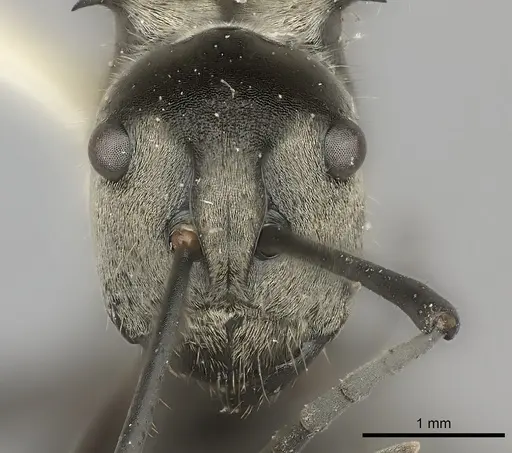
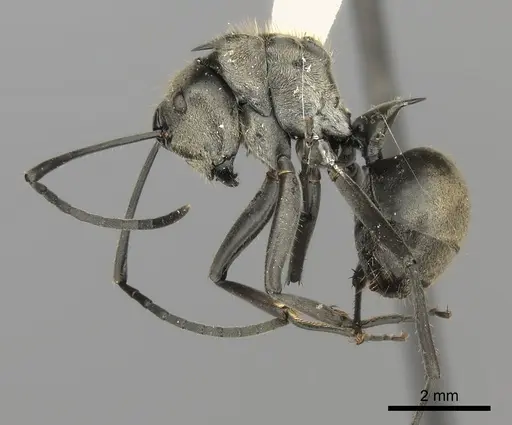
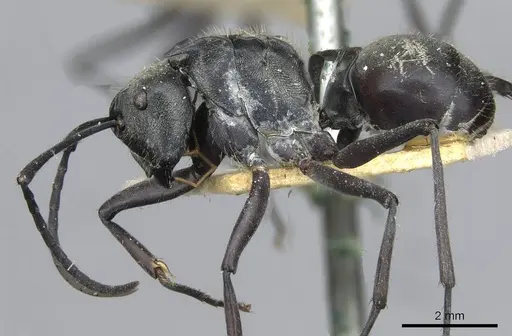
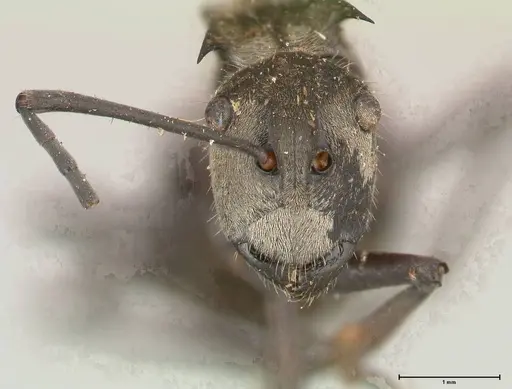
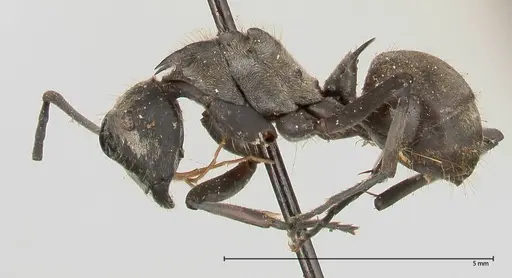
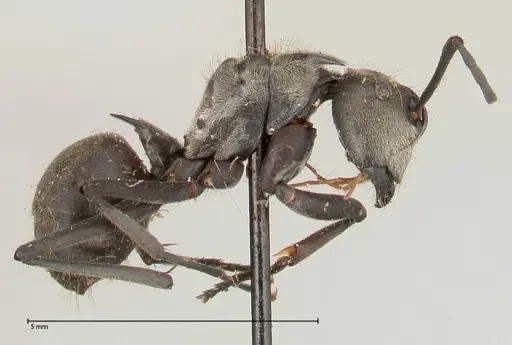
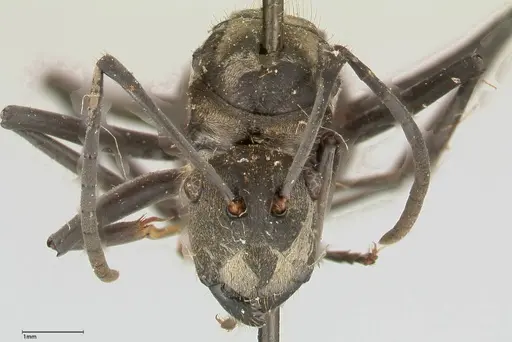
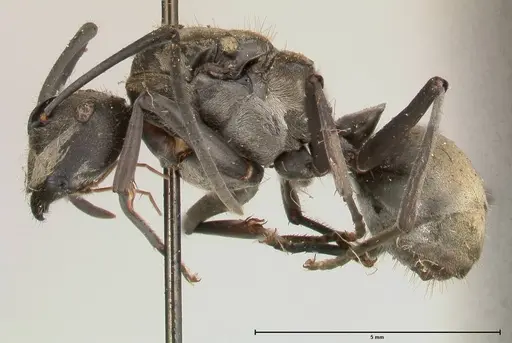
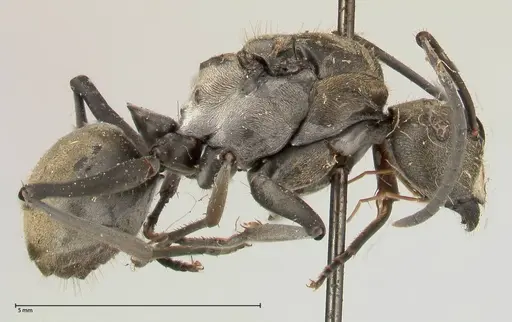
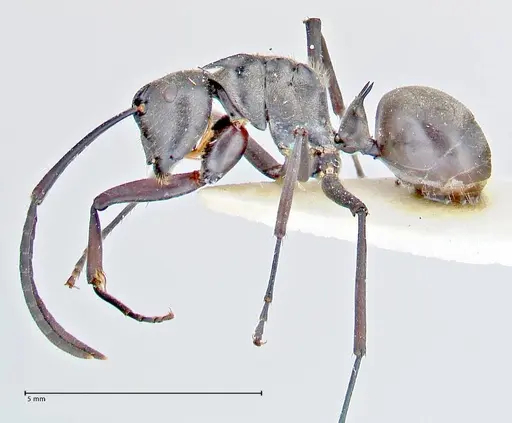
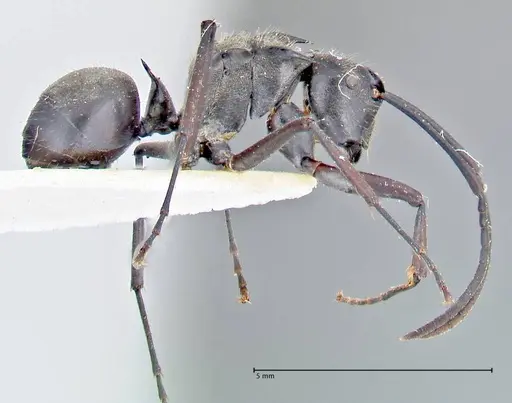
Polyrhachis salomo is a medium-sized ant native to the Solomon Islands archipelago in the South Pacific. Workers measure 6.3-6.5mm and feature the genus's characteristic spines, notably on the epinotum (the section between thorax and abdomen) and on the petiolar scale (the waist segment). Their body is covered in a dense silvery-gray pubescence that gives them a slightly fuzzy appearance. Queens are larger at around 9mm and also possess spines on the pronotum and scale. This species belongs to the Myrma subgenus, relucens-group [1].
What makes P. salomo interesting is its nesting behavior, it uses silk to help construct its nests, which is unusual among ants. These ants are polydomous, meaning a single colony occupies multiple connected nests rather than just one [2]. In the wild, they nest in rotting wood and in the soil, making them adaptable to different nest substrates [3].
Quick Summary
- Difficulty: Medium
- Origin & Habitat: Solomon Islands (Makira, Guadalcanal, Malaita, Russell Islands, Bougainville), tropical Pacific island environment with high humidity and warm temperatures year-round [4][5].
- Colony Type: Polydomous colonies, a single colony maintains multiple connected nests. Colony structure (single queen vs multiple queens) is unconfirmed.
- Size & Growth:
- Queen: 9mm [1]
- Worker: 6.3-6.5mm [1]
- Colony: Unknown for this species, Polyrhachis colonies typically reach several hundred workers
- Growth: Moderate, estimated based on genus patterns
- Development: Estimated 6-8 weeks at optimal temperature based on related Polyrhachis species (Development time inferred from genus patterns, direct data unavailable for this species)
- Antkeeping:
- Temperature: Keep at 24-28°C, they are a tropical species from the Solomon Islands and need warmth. A heating cable on one side of the nest creates a useful gradient.
- Humidity: High humidity required, think tropical forest floor. Keep nest substrate consistently moist but not waterlogged. Provide a water tube as a drinking source.
- Diapause: No, being a tropical species, they do not require hibernation. Keep temperatures stable year-round.
- Nesting: Lignicolous (wood-nesting) and subterranean. In captivity, they do well in Y-tong nests, plaster nests, or naturalistic setups with rotting wood pieces and soil. They use silk to bind nest materials together, so providing some loose substrate they can work with is beneficial [3][2].
- Behavior: Polyrhachis ants are generally calm and not particularly aggressive. Workers are active foragers but not overly territorial. They are moderate escape risks due to their 6mm size, use standard barrier methods (Fluon on test tube rims, tight-fitting lids). They are not known to sting and pose no danger to keepers. Their polydomous nature means they may use multiple nest areas within their enclosure.
- Common Issues: high humidity needs can lead to mold if ventilation is poor, balance is key, tropical species may struggle if temperatures drop below 22°C, polydomous colonies need space for multiple nest options, wild-caught colonies may have parasites or diseases that cause captive failures, their use of silk means they may modify nest structures, provide appropriate materials
Housing and Nest Preferences
P. salomo is a lignicolous and subterranean nester, meaning in the wild they nest in rotting wood and in the soil. For captive care, Y-tong (acrylic) nests work well, as do plaster nests or naturalistic setups. Because they are polydomous (maintaining multiple nests), consider providing a setup with multiple connected chambers or allowing space for the colony to expand into additional areas. They use silk to bind nest materials together, so adding some loose substrate (like a mix of soil and sand) or small pieces of rotting wood gives them materials to work with. Keep the nest area humid but ensure some dry areas exist for the ants to regulate their own conditions. [3][2]
Temperature and Heating
Being native to the Solomon Islands, these ants need warm conditions. Aim for 24-28°C in the nest area. Room temperature may be sufficient if your home is naturally warm, but most keepers use a heating cable on one side of the nest to maintain these temperatures. Place the heating cable on TOP of the nest, not underneath, to avoid drying out the substrate. Monitor the nest with a thermometer to ensure temperatures stay in range. Avoid temperatures below 22°C as this can slow colony development and potentially stress the ants.
Feeding and Diet
Polyrhachis ants are generalist omnivores. Offer a mix of protein and sugar sources. Sugar water, honey, or sucrose solutions should be available constantly. For protein, offer small insects like fruit flies, small crickets, or mealworms. Feed protein 2-3 times per week, removing any uneaten prey after 24 hours. Fresh water should always be available, a water tube with a cotton wick works well. Based on related species in the genus, they likely also forage for honeydew and plant secretions in the wild.
Humidity and Water
These tropical ants need high humidity. Keep the nest substrate consistently moist, it should feel damp to the touch but not have standing water. A water tube attached to the nest provides drinking water and helps maintain humidity through evaporation. Mist the outworld occasionally, but avoid over-misting as this can cause mold problems. Good ventilation is important to prevent stagnant air while still maintaining humidity, balance is key.
Colony Structure and Growth
P. salomo is polydomous, meaning a single colony maintains multiple connected nests. This is an unusual trait that means they may use more space than typical single-nest ants. The colony structure (single queen vs multiple queens) has not been documented in scientific literature. Growth rate is moderate, expect several months from founding to first workers, then gradual expansion over the first year or two. Queens are 9mm and workers are 6.3-6.5mm, so there is a noticeable size difference. [1][3]
Behavior and Temperament
Polyrhachis ants are generally calm and not aggressive toward keepers. Workers are active foragers but not particularly territorial or defensive. They do not have a painful sting and pose no danger to humans. Their moderate size (6mm workers) means they are not particularly prone to escaping, standard barrier methods like Fluon on test tube rims work well. They are day-active and will explore their outworld for food. The use of silk in their nest construction is a unique behavioral trait that may be observed in captivity as they modify their living spaces. [2]
Frequently Asked Questions
How long does it take for Polyrhachis salomo to produce first workers?
Based on related Polyrhachis species, expect 6-8 weeks from egg to first worker at optimal temperature (24-28°C). This is an estimate since direct development data for this species is not available.
What temperature do Polyrhachis salomo ants need?
Keep them at 24-28°C. Being from the Solomon Islands, they are tropical and need warmth. A heating cable on one side of the nest can help maintain these temperatures.
Do Polyrhachis salomo ants need hibernation?
No, they do not need hibernation. As a tropical species from the Solomon Islands, they prefer stable warm conditions year-round.
What do Polyrhachis salomo ants eat?
They are omnivores. Offer sugar water or honey constantly, and protein (small insects like fruit flies or mealworms) 2-3 times per week. Fresh water should always be available.
Are Polyrhachis salomo ants aggressive?
No, they are generally calm and not aggressive. They do not have a painful sting and are safe to handle. Standard escape prevention is sufficient.
How big do Polyrhachis salomo colonies get?
Exact colony size is unknown for this species, but related Polyrhachis species typically reach several hundred workers. They are polydomous so may use multiple nest areas.
Do Polyrhachis salomo ants use silk in their nests?
Yes, this species uses silk to help construct and bind their nest materials together, a unique trait among ants. You may observe this behavior in captivity if you provide appropriate materials.
Where is Polyrhachis salomo found in the wild?
They are native to the Solomon Islands in the South Pacific, including Makira, Guadalcanal, Malaita, Russell Islands, and Bougainville.
Is Polyrhachis salomo suitable for beginners?
They are rated as medium difficulty. Their humidity and temperature needs are specific (tropical requirements), but they are not aggressive and don't require special handling. Experienced antkeepers should have success.
References

This caresheet is licensed under CC BY-SA 4.0 .
CASENT0217798
View on AntWeb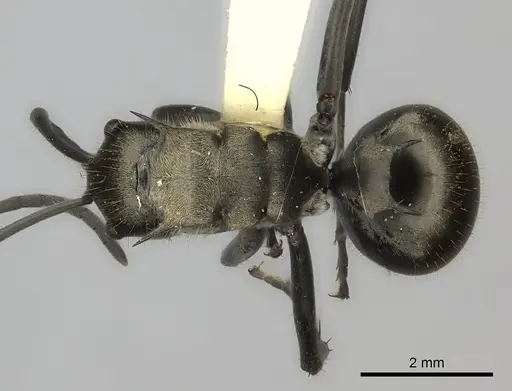
CASENT0227566
View on AntWeb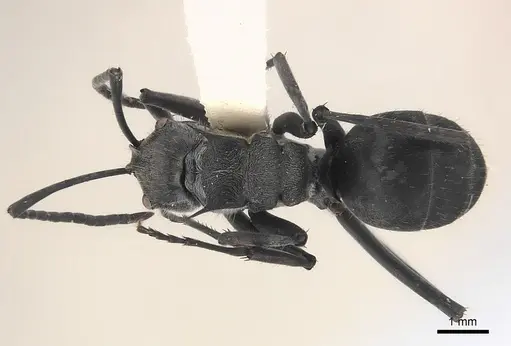
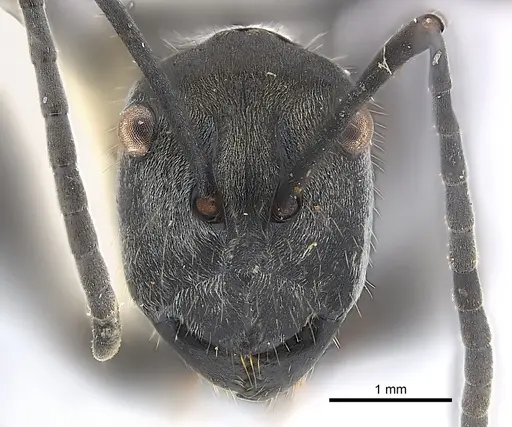
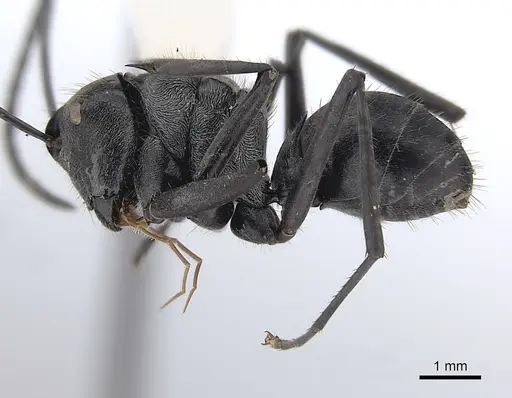
CASENT0910925
View on AntWeb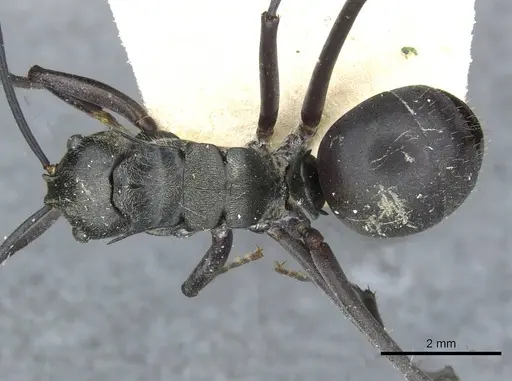
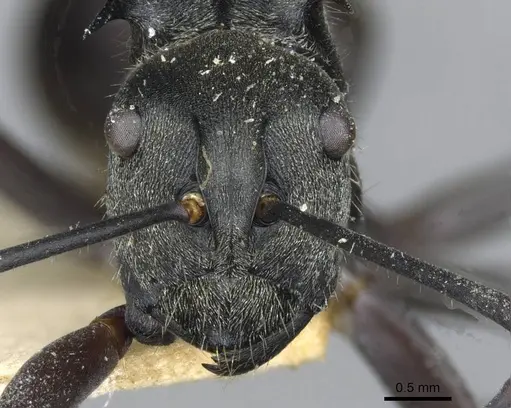
FOCOL0438
View on AntWeb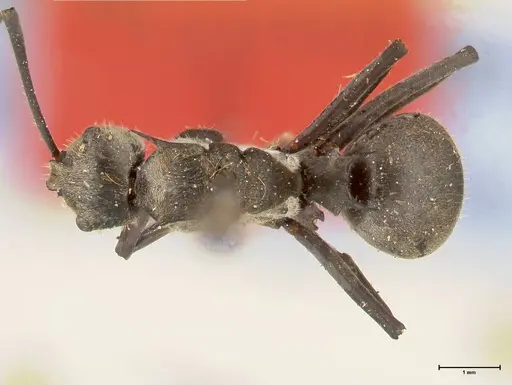
FOCOL0439
View on AntWeb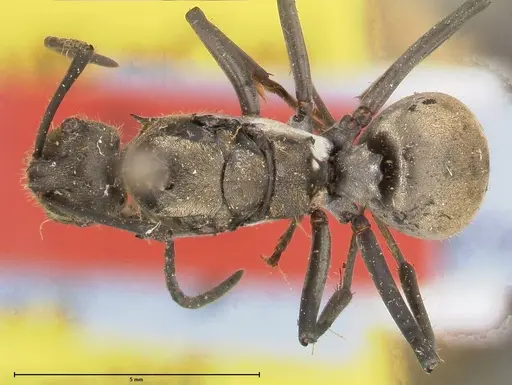
FOCOL2634
View on AntWeb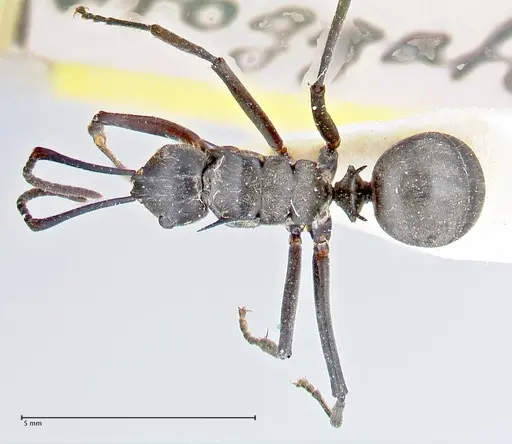
Literature
Loading...Loading products...