

Polyrhachis rupicapra
- Scientific Name
- Polyrhachis rupicapra
- Subgenus
- Myrmhopla
- Tribe
- Camponotini
- Subfamily
- Formicinae
- Author
- Roger, 1863
- Distribution
- Found in 1 countries
Polyrhachis rupicapra Overview
Polyrhachis rupicapra is an ant species of the genus Polyrhachis. It is primarily documented in 1 countries , including India. Detailed taxonomic data and occurrence records can be further explored via authoritative databases such as AntWeb or the Global Biodiversity Information Facility (GBIF).
Polyrhachis rupicapra
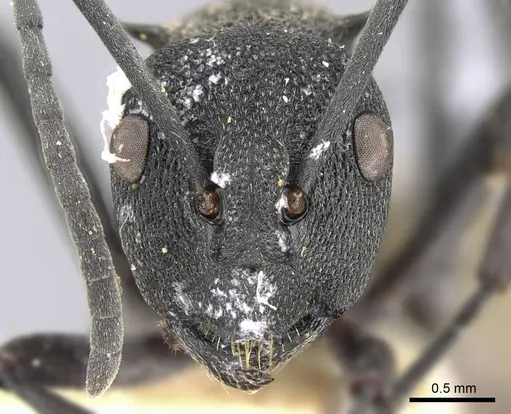
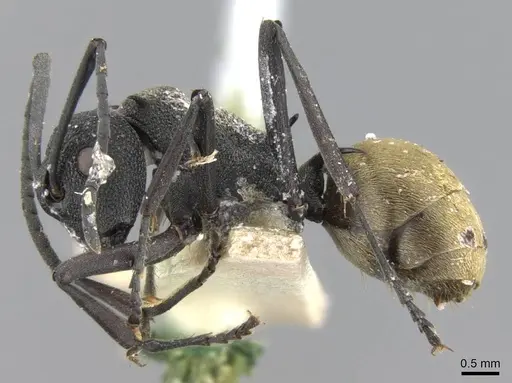
Polyrhachis rupicapra is a medium-sized ant species belonging to the Formicinae subfamily, part of the Myrmhopla subgenus. Workers are characterized by their distinctive hooked spines on the thorax, a common trait in the Polyrhachis genus. The species is native to South Asia, with documented populations in India and Sri Lanka [1][2]. These ants typically inhabit forested areas and are often found nesting in rotting wood, under bark, or in arboreal locations. As with many Polyrhachis species, they are generalist omnivores, feeding on honeydew from aphids and small insects.
Quick Summary
- Difficulty: Medium
- Origin & Habitat: Native to the Indomalaya region, specifically India (Karnataka, Tamil Nadu) and Sri Lanka (Ceylon), with some records from southern China [3][4]. They inhabit tropical and subtropical forested areas where they nest in rotting wood or under bark.
- Colony Type: Colony structure is unconfirmed. Based on typical Polyrhachis patterns, likely single-queen colonies (monogyne) with moderate worker populations.
- Founding: Claustral
- Size & Growth:
- Queen: Estimated 10-12mm based on genus patterns, no direct species measurement available
- Worker: Estimated 6-8mm based on genus patterns, no direct species measurement available
- Colony: Likely several hundred workers based on related species, unconfirmed
- Growth: Moderate, estimated based on genus patterns
- Development: Estimated 6-8 weeks at optimal temperature based on related Formicinae species (Development time is estimated from genus-level data, direct species measurements unavailable)
- Antkeeping:
- Temperature: Keep at 24-28°C. Provide a gentle temperature gradient allowing workers to self-regulate. Room temperature in most homes (22-26°C) is suitable [5].
- Humidity: Maintain moderate to high humidity (60-80%). These forest-dwelling ants prefer damp conditions but avoid waterlogging. Use moist substrate and occasional misting [5].
- Diapause: Likely minimal or no true diapause given tropical distribution. Some reduced activity during cooler months may occur, monitor colony behavior [5].
- Nesting: Provide a naturalistic setup with rotting wood pieces or a Y-tong/plaster nest with moisture. They prefer enclosed spaces that mimic their natural arboreal/ground-level nesting sites. Avoid completely dry environments [5].
- Behavior: Polyrhachis ants are generally moderate in temperament. Workers are active foragers and will search for honeydew and small prey. They are not typically aggressive but will defend their nest if threatened. Escape prevention should be moderate, while not the smallest ants, they can still squeeze through small gaps. They are primarily nocturnal or crepuscular foragers in nature [5].
- Common Issues: humidity management is critical, too dry and colonies stagnate, too wet and mold becomes a problem, slow colony growth compared to faster species may frustrate beginners, wild-caught colonies may carry parasites that cause issues in captivity, limited availability in the antkeeping hobby makes this a harder species to acquire, heating too much can dry out the nest and harm the colony
Housing and Nest Setup
Polyrhachis rupicapra does well in naturalistic setups that mimic their natural forest habitat. A Y-tong (AAC) nest or plaster nest with moisture chambers works well. Provide rotting wood pieces or bark in the outworld to give them foraging enrichment. They prefer enclosed, humid spaces rather than open areas. A water reservoir in the nest helps maintain humidity. Since they are semi-arboreal in nature, include some vertical elements or branches in the formicarium. Keep the nest substrate consistently moist but not waterlogged, the ants should be able to choose between damp and slightly drier areas. [5]
Feeding and Diet
Like most Polyrhachis species, P. rupicapra is an omnivore. Offer sugar water or honey regularly as an energy source. They also need protein from small insects, flightless fruit flies, small mealworms, and crickets work well. In nature, they collect honeydew from aphids and scale insects, so providing a sugar source is important for colony health. Feed small prey items 2-3 times per week, and keep sugar water available at all times. Remove uneaten prey after 24 hours to prevent mold. They are not picky eaters but do best with varied diets. [5]
Temperature and Seasonal Care
Maintain temperatures between 24-28°C for optimal colony development. They can tolerate slightly cooler room temperatures (22-24°C) but growth will slow. Avoid temperatures above 32°C as this can stress the colony. Since they come from tropical regions, they do not require true hibernation. Some reduced foraging activity during winter months is normal if your home is cooler. A small heat cable on one side of the nest can create a beneficial gradient. Monitor your colony, if workers are consistently clustered near the heat source, increase temperature slightly. [5]
Behavior and Colony Dynamics
Polyrhachis rupicapra workers are active foragers that will explore their outworld thoroughly. They are not particularly aggressive but will defend the nest entrance. Workers communicate through chemical signals and may use tandem running to recruit nestmates to food sources. The colony will establish a clear hierarchy with the queen remaining in the nest after mating. Expect moderate growth in the first year, with faster expansion once the colony reaches 50+ workers. Queens are long-lived, and colonies can persist for many years with proper care. [5]
Frequently Asked Questions
How long does it take for Polyrhachis rupicapra to produce first workers?
Based on related species, expect first workers (nanitics) approximately 6-8 weeks after the queen lays eggs, at optimal temperature (around 26°C). Growth is slower than many common species, so patience is required.
What do Polyrhachis rupicapra ants eat?
They are omnivores. Offer sugar water or honey constantly, and protein (small insects like fruit flies, mealworms) 2-3 times weekly. They will also collect honeydew if aphids are available.
Are Polyrhachis rupicapra good for beginners?
This species is rated as medium difficulty. While not as challenging as some exotic species, the limited available information and slower growth make it better suited for keepers with some experience. Beginners may find the slower pace frustrating.
What temperature do Polyrhachis rupicapra need?
Keep them at 24-28°C. Room temperature in most homes (22-26°C) is acceptable, though growth may be slower at the lower end of this range. Avoid temperatures above 32°C.
Do Polyrhachis rupicapra need hibernation?
No true hibernation is required due to their tropical origin. They may show slightly reduced activity in cooler months, but this is not a diapause. Simply maintain normal care year-round.
How big do Polyrhachis rupicapra colonies get?
Based on related species, colonies likely reach several hundred workers. Exact maximum size is unconfirmed for this species. Mature colonies may have 300-500+ workers.
Can I keep multiple Polyrhachis rupicapra queens together?
Colony structure is unconfirmed for this species. Based on typical Polyrhachis patterns, they are likely single-queen colonies. Combining unrelated queens is not recommended without evidence they can coexist.
What humidity level do Polyrhachis rupicapra need?
Maintain 60-80% humidity. Keep the nest substrate consistently moist but not waterlogged. These forest-dwelling ants prefer damp conditions, monitor for mold which indicates too much moisture.
When should I move Polyrhachis rupicapra to a formicarium?
Wait until the colony has at least 20-30 workers before moving from a founding setup. They do well in naturalistic or Y-tong nests. Ensure the new enclosure maintains proper humidity and has enough space for colony growth.
References

This caresheet is licensed under CC BY-SA 4.0 .
CASENT0906783
View on AntWeb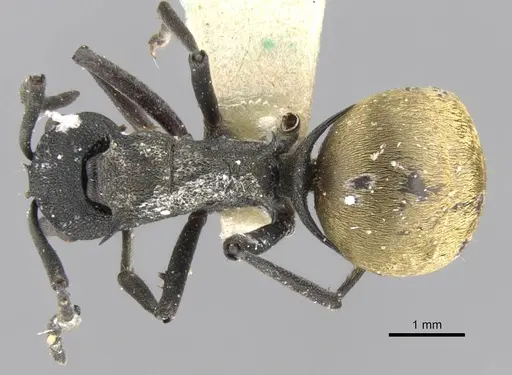
Literature
Loading...Loading products...