

Polyrhachis rufipes
- Scientific Name
- Polyrhachis rufipes
- Subgenus
- Myrmhopla
- Tribe
- Camponotini
- Subfamily
- Formicinae
- Author
- Smith, 1858
- Distribution
- Found in 4 countries
Polyrhachis rufipes Overview
Polyrhachis rufipes is an ant species of the genus Polyrhachis. It is primarily documented in 4 countries , including Indonesia, Lao People's Democratic Republic, Malaysia. Detailed taxonomic data and occurrence records can be further explored via authoritative databases such as AntWeb or the Global Biodiversity Information Facility (GBIF).
Polyrhachis rufipes
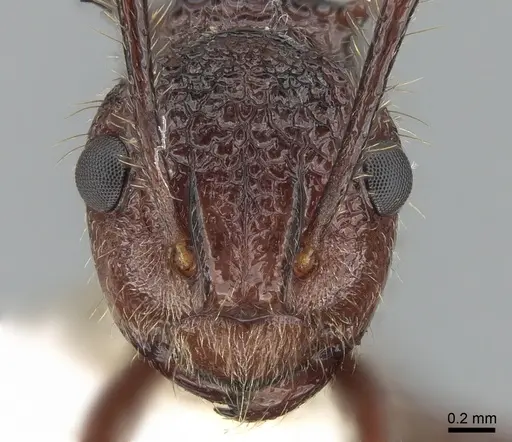
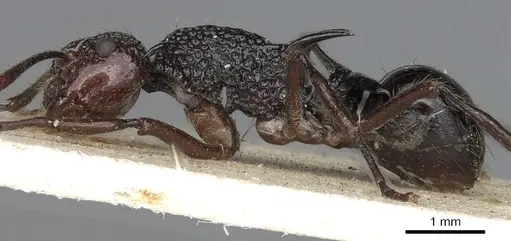
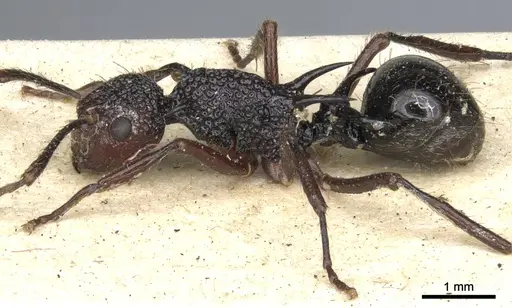
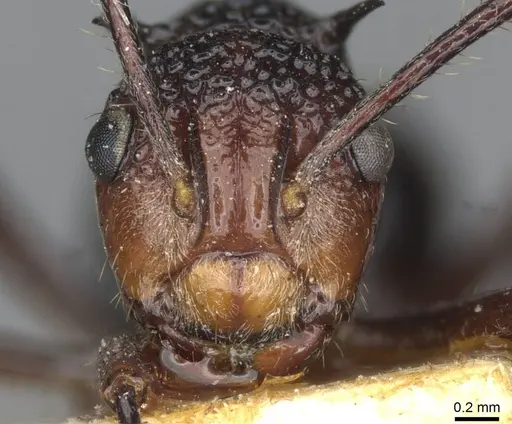
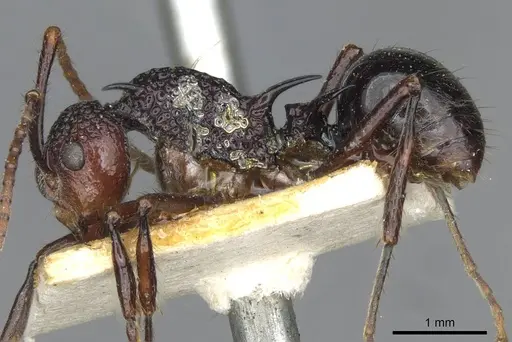
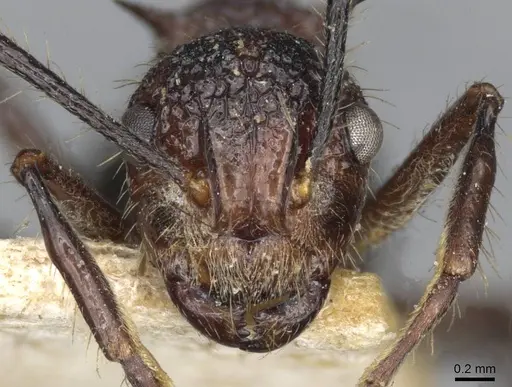
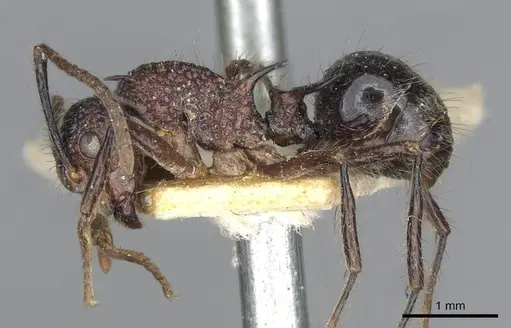
Polyrhachis rufipes is a small to medium-sized ant belonging to the subgenus Myrmhopla, part of the furcata species group. Workers are approximately 4-5mm and feature the characteristic hooked spines on the mesosoma (middle body section) typical of Polyrhachis. They are found across the Indomalaya region including Borneo, Indonesia, Laos, Malaysia, Myanmar, the Philippines, and southern China [1][2]. This species is notable for its unique commensal relationship with the ant Stictoponera menadensis, P. rufipes workers follow the trails of this other species to reach sugar sources, using aggressive antennal boxing to force the host ants to submit [3]. This is the only known example of commensalism between an ectatommine and a formicine ant in the world.
Quick Summary
- Difficulty: Medium
- Origin & Habitat: Tropical rainforests of Southeast Asia, found in Borneo, Indonesia, Laos, Malaysia, Myanmar, Philippines, and southern China. They are lignicolous, meaning they nest in rotting wood and use silk to construct their nests [4][5].
- Colony Type: Colony structure is not well documented in scientific literature. Polyrhachis species are typically monogyne (single queen) but some can have multiple queens. More research needed to confirm for this specific species.
- Founding: Claustral
- Size & Growth:
- Queen: Estimated 6-8mm based on genus patterns
- Worker: Approximately 4-5mm [1]
- Colony: Likely moderate-sized colonies based on genus patterns, estimated 100-500 workers
- Growth: Moderate
- Development: Estimated 6-8 weeks at tropical temperatures (25-28°C) (Development time is inferred from related Polyrhachis species, they have cocoons which may slightly extend development compared to naked pupae species)
- Antkeeping:
- Temperature: Keep at 24-28°C, these are tropical ants from Southeast Asian rainforests. A gentle temperature gradient is recommended [4].
- Humidity: High humidity is essential, aim for 70-85%. These forest-dwelling ants need moist conditions. Keep the nest substrate consistently damp but not waterlogged.
- Diapause: No, as a tropical species, they do not require hibernation. Keep temperatures stable year-round.
- Nesting: Lignicolous (wood-nesting) species. They use silk to help construct their nests in rotting wood. In captivity, a Y-tong (AAC) nest or plaster nest with wood elements works well. They prefer nests with multiple chambers connected by narrow passages. Avoid completely dry setups.
- Behavior: Polyrhachis rufipes is known for its unusual commensal behavior, they follow the trails of Stictoponera menadensis to access sugar sources. Workers will show aggressive antennal boxing toward the host species to force them to submit [3]. They are not particularly aggressive toward keepers but may be defensive at the nest. Workers are active foragers. Escape prevention should be moderate, they are not tiny but can squeeze through small gaps. They have cocoons, which means they spin silk during pupal development [4][5].
- Common Issues: tropical species may struggle in cooler room temperatures, use heating if needed, high humidity requirements can lead to mold problems if ventilation is poor, commensal behavior with other ants means they may be stressed without appropriate foraging opportunities, wood-nesting preference means they may not adapt well to test tube setups, slow colony growth compared to faster-developing species may frustrate beginners
Housing and Nest Preferences
Polyrhachis rufipes is a lignicolous species, meaning it naturally nests in rotting wood. In the wild, they use silk to help construct their nest chambers within decaying wood material [4][5]. For captive care, a Y-tong (AAC) nest or plaster formicarium with wood elements works best. These ants need a nest that can hold moisture well while providing solid walls for them to walk on. Avoid test tube setups, these ants won't thrive in simple test tubes because they need to construct silk-lined chambers in wood-like material. The nest should have multiple connected chambers and narrow passages that mimic their natural wood-boring habitat. A naturalistic setup with cork or wood pieces embedded in plaster can also work well.
Feeding and Diet
In the wild, P. rufipes is known to exploit sugar sources by following the trails of Stictoponera menadensis [3]. This means they are opportunistic foragers that will readily accept sugar water, honey, or nectar. They also likely supplement their diet with small insects and other protein sources as do other Polyrhachis species. Feed them a mix of sugar water or honey (offered constantly) and small protein sources like fruit flies, small mealworms, or other tiny insects twice weekly. Remove uneaten prey after 24 hours to prevent mold. The commensal relationship in the wild suggests they are good foragers, provide an outworld space where they can search for and retrieve food.
Temperature and Humidity
As a tropical species from Southeast Asia, P. rufipes requires warm and humid conditions. Keep the nest area at 24-28°C. A heating cable on one side of the nest can create a gentle temperature gradient, which allows the ants to regulate their own temperature by moving between warmer and cooler areas. Place the heating on top of the nest, not underneath, to prevent excessive drying. Humidity should be high, aim for 70-85% relative humidity. These forest-dwelling ants need consistently moist substrate. Mist the outworld occasionally and monitor the nest substrate moisture. The substrate should feel damp to the touch but never waterlogged. Good ventilation is essential to prevent mold while maintaining humidity. [4]
Unique Commensal Behavior
One of the most fascinating aspects of P. rufipes is its unique relationship with Stictoponera menadensis (formerly Stictoponera menadensis). This is the only known instance of commensalism between an ectatommine ant and a formicine ant [3]. P. rufipes workers follow the trails of G. menadensis to reach sugar sources. When they encounter G. menadensis foragers, they show aggressive antennal boxing, a threat display where they wave their antennae rapidly at the other ant. The host species typically reacts submissively, allowing P. rufipes to pass and access food [2]. Researchers suspect P. rufipes may be a Batesian mimic, copying the appearance of G. menadensis to gain protection, though this has not been experimentally proven [3]. In captivity, you can observe this trail-following behavior by providing sugar sources in the outworld.
Growth and Development
Unlike many Formicinae ants that have naked pupae, P. rufipes has cocooned pupae [4][5]. This means the pupae spin silk cocoons around themselves during development, which is a more complex development process. The presence of cocoons may slightly extend the development timeline compared to naked-pupae species. Based on related Polyrhachis species, expect approximately 6-8 weeks from egg to first worker at optimal tropical temperatures (25-28°C). The first workers (nanitics) will likely be smaller than fully-grown workers. Colony growth will be moderate, these are not fast-growing species like some Myrmica or Lasius. Patience is key. Provide consistent warmth and good nutrition to support healthy development.
Frequently Asked Questions
Can I keep Polyrhachis rufipes in a test tube?
No, test tubes are not recommended. Polyrhachis rufipes is a lignicolous (wood-nesting) species that uses silk to construct nests in rotting wood. They need a nest with solid walls and chambers, like a Y-tong (AAC) nest, plaster formicarium, or naturalistic setup with wood elements. Simple test tubes won't provide the proper nesting conditions.
What do Polyrhachis rufipes eat?
They accept sugar sources readily (honey, sugar water) and protein (small insects like fruit flies, pinhead crickets, or mealworms). This matches their natural behavior of following Stictoponera menadensis trails to access sugar sources in the wild.
How long does it take for Polyrhachis rufipes to produce first workers?
Estimated 6-8 weeks from egg to first worker at optimal temperatures (25-28°C). This is based on related Polyrhachis species. They have cocooned pupae, which may slightly extend development compared to naked-pupae species.
Do Polyrhachis rufipes need hibernation?
No, they do not need hibernation. As a tropical species from Southeast Asia, they require stable warm temperatures year-round. Keep them at 24-28°C consistently.
Are Polyrhachis rufipes good for beginners?
They are rated as Medium difficulty. They require specific conditions (high humidity, warm temperatures, wood-based nesting) that may be challenging for complete beginners. However, they are not as difficult as some specialized species. If you have kept other tropical ants successfully, this species can be a rewarding challenge.
How big do Polyrhachis rufipes colonies get?
Based on genus patterns, colonies likely reach 100-500 workers. They are not among the largest Polyrhachis species. Growth rate is moderate, expect several months to a year to reach 50+ workers.
What makes Polyrhachis rufipes special compared to other ants?
They have a unique commensal relationship with Stictoponera menadensis, the only known example of commensalism between an ectatommine and formicine ant. They follow the host's trails to access sugar sources and may be Batesian mimics. They also use silk in nest construction and have cocooned pupae, which is less common in the Formicinae subfamily.
When should I move Polyrhachis rufipes to a formicarium?
Move them when the colony reaches around 20-30 workers and the test tube or temporary housing becomes too cramped. Since they prefer wood-nesting, transition them directly to a Y-tong or plaster nest rather than a standard formicarium. Make sure the new nest is pre-humidified to prevent stress.
Can I keep multiple queens together?
This has not been documented for this specific species. Polyrhachis species are typically monogyne (single queen), but some can be polygynous. It is not recommended to combine unrelated foundress queens as this often leads to fighting. If you acquire a wild colony, it likely has one queen.
References

This caresheet is licensed under CC BY-SA 4.0 .
CASENT0217795
View on AntWeb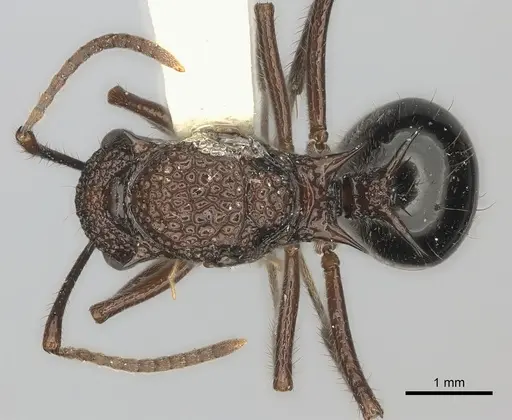
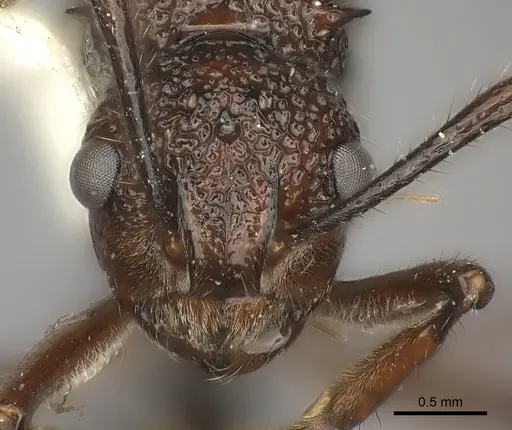
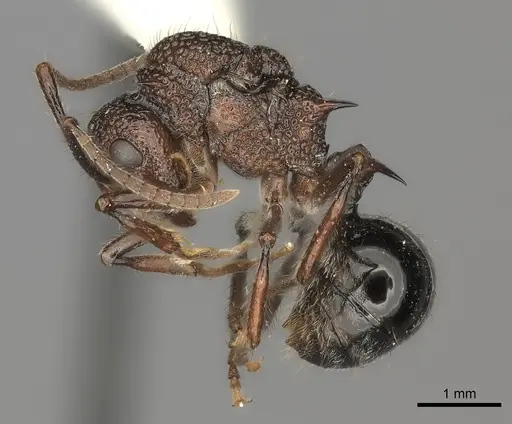
CASENT0281407
View on AntWeb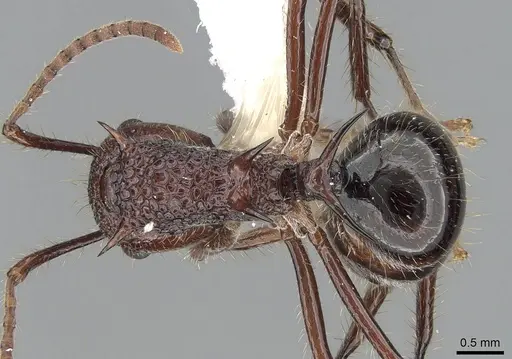
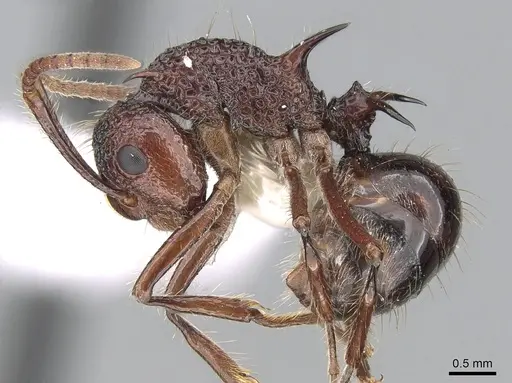
CASENT0901869
View on AntWeb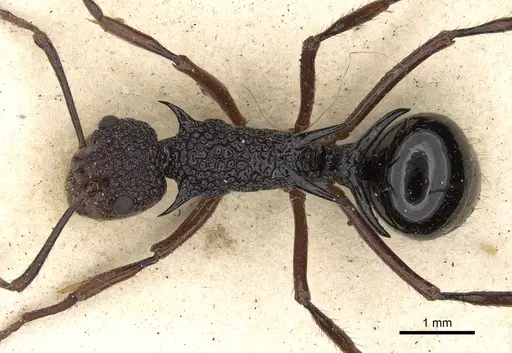
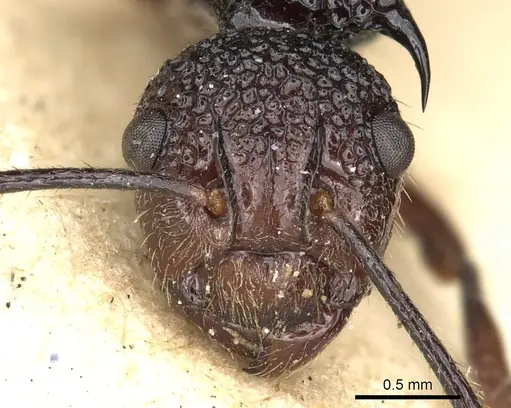
CASENT0903374
View on AntWeb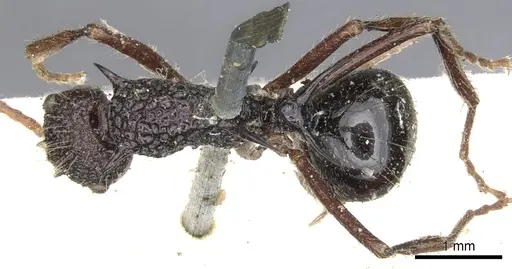
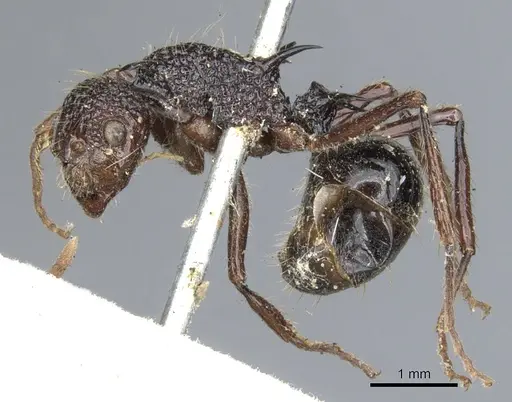
CASENT0903375
View on AntWeb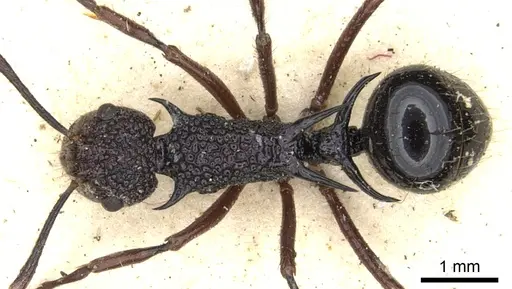
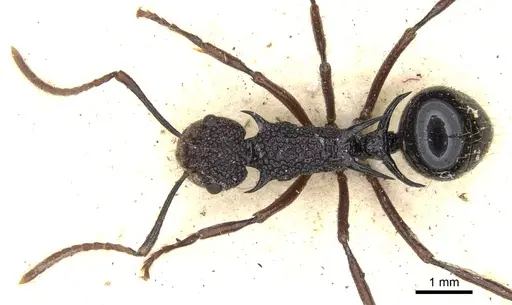
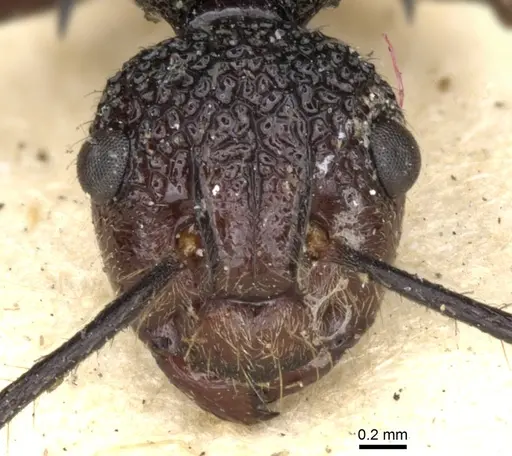
CASENT0910862
View on AntWeb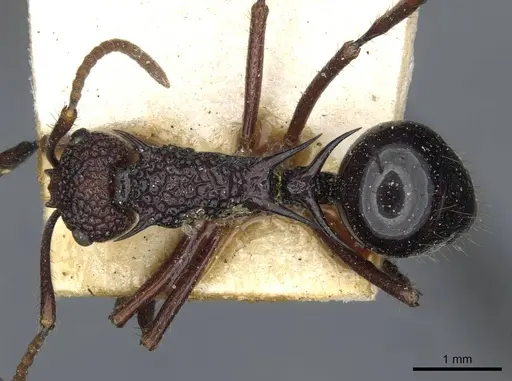
CASENT0910863
View on AntWeb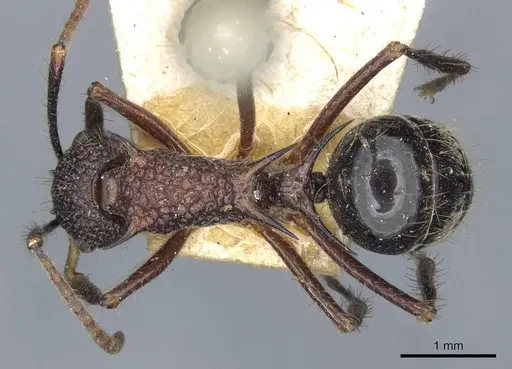
Literature
Loading...Loading products...