
Polyrhachis rufifemur shows a January to December flight window. Peak activity occurs in January, with nuptial flights distributed across 4 months.
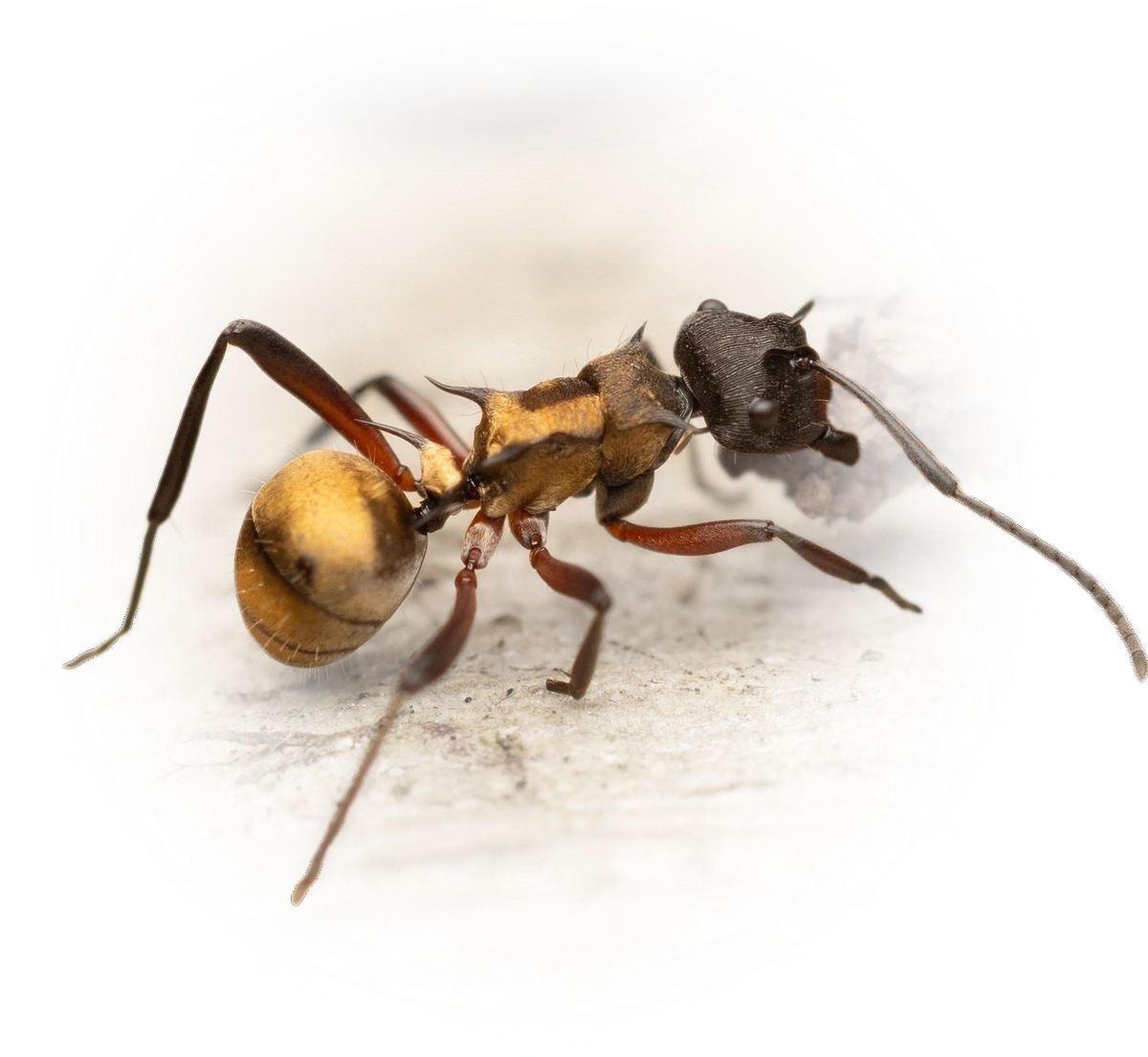
Polyrhachis rufifemur
- Scientific Name
- Polyrhachis rufifemur
- Subgenus
- Hedomyrma
- Tribe
- Camponotini
- Subfamily
- Formicinae
- Author
- Forel, 1907
- Distribution
- Found in 1 countries
- Nuptial Flight
- from January to December, peaking in January
AI Identifiable
try →
Polyrhachis rufifemur Overview
Polyrhachis rufifemur is an ant species of the genus Polyrhachis. It is primarily documented in 1 countries , including Australia. Detailed taxonomic data and occurrence records can be further explored via authoritative databases such as AntWeb or the Global Biodiversity Information Facility (GBIF).
The nuptial flight of Polyrhachis rufifemur is a significant biological event, typically occurring from January to December, peaking in January. During this time, winged queens and males leave the nest to mate and establish new colonies.
Polyrhachis rufifemur
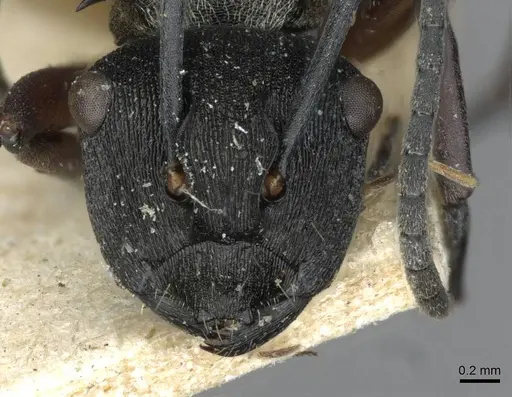
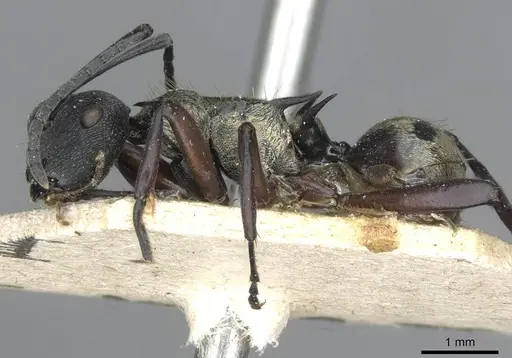
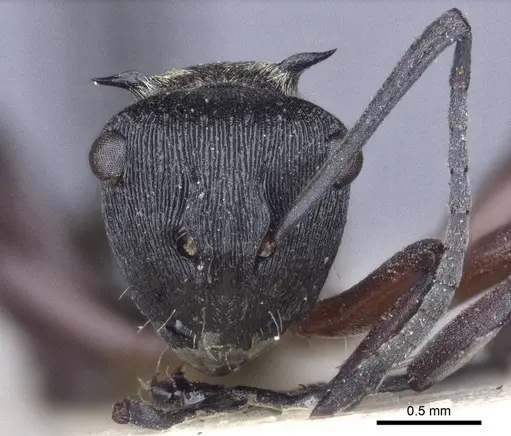
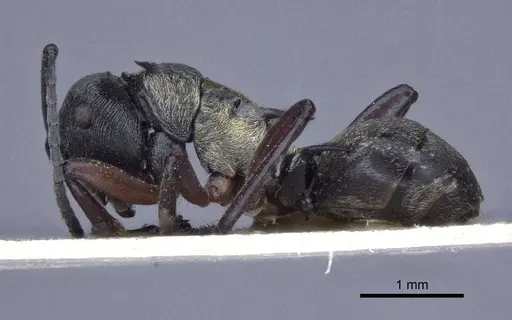
Polyrhachis rufifemur is a medium-sized ant species belonging to the subgenus Hedomyrma, found across the Torresian biogeographic region spanning northern Australia and New Guinea [1]. Workers are typically 6-9mm with the characteristic spines on the thorax that give Polyrhachis their common name of 'spiny ants', these spines are more pronounced in some species and less prominent in others. The name rufifemur refers to the reddish femurs (the upper leg segment) that help distinguish this species. As a lignicolous species, they naturally nest in rotting wood rather than soil, making them somewhat unusual among ants kept in captivity [2]. They belong to the tribe Camponotini, making them relatives of carpenter ants, though they lack the ability to chew through sound wood.
Quick Summary
- Difficulty: Medium
- Origin & Habitat: Torresian biogeographic region, northern Australia and New Guinea [1]. This is a humid tropical area with distinct wet and dry seasons. In the wild, they nest in rotting wood (lignicolous) [2].
- Colony Type: Likely monogyne (single queen) based on typical genus patterns, though colony structure has not been specifically documented for this species.
- Size & Growth:
- Queen: Estimated 10-12mm based on genus patterns for medium-sized Polyrhachis
- Worker: 6-9mm based on typical Polyrhachis morphology
- Colony: Likely several hundred workers based on related species, Polyrhachis colonies are typically not as large as some carpenter ant colonies
- Growth: Moderate, likely slower than tropical species but faster than temperate ants
- Development: Estimated 6-10 weeks based on typical tropical Polyrhachis development at warm temperatures (Development likely depends heavily on temperature, warmer conditions will speed up development)
- Antkeeping:
- Temperature: Keep at 24-28°C (warm tropical conditions). A slight temperature gradient allows workers to choose their preferred zone.
- Humidity: Moderate to high, they come from humid tropical regions. Keep the nest substrate moderately moist but not waterlogged. Provide a water source.
- Diapause: Likely minimal or no true diapause given their tropical origin. They may reduce activity during cooler periods but do not require hibernation.
- Nesting: Lignicolous (wood-nesting) species, they prefer nests in rotting wood or wood-based substrates. Y-tong (AAC) nests, plaster nests with wood sections, or naturalistic setups with rotting wood pieces work well. Avoid completely dry conditions.
- Behavior: Generally calm and non-aggressive compared to some ant species. As Subordinate Camponotini, they are not dominant colony defenders and typically avoid conflict [1]. Workers are moderately active foragers. They have pupal cocoons, which is important for understanding their development [2]. Escape risk is moderate, they are not particularly small but can climb smooth surfaces. Use standard barrier methods.
- Common Issues: wood-nesting requirements mean standard test tube setups are less ideal, provide wood-based or plaster nests, tropical humidity needs mean dry conditions can cause colony decline, limited available care information makes this a species for somewhat experienced keepers, slow colony growth compared to faster-raising species may frustrate beginners, wild-caught colonies may carry parasites or be stressed from collection
Nuptial Flight Activity Analysis 147 observations
Flight Activity by Hour 147 observations
Polyrhachis rufifemur nuptial flight activity peaks around 11:00 during the late morning to early afternoon. Activity is spread across a 10-hour window (07:00–16:00). A secondary activity peak occurs around 09:00. Times may be influenced by human observation patterns.
Nest Preferences and Housing
Polyrhachis rufifemur is a lignicolous species, meaning it naturally nests in rotting wood [2]. This is a key consideration for captive care, they will not thrive in standard test tube setups that simulate soil nesting. Instead, provide them with a nest that includes wood or a wood-like substrate. Y-tong (AAC) nests work well because they allow you to create chambers with appropriate moisture retention. Plaster nests with embedded wood sections are another excellent option. For a naturalistic approach, you can create a setup with pieces of rotting wood placed in a moist substrate. The nest should remain moderately humid but never waterlogged. Provide a small water source in the outworld and ensure ventilation prevents mold buildup.
Feeding and Diet
As a member of the Camponotini tribe, Polyrhachis rufifemur likely has an omnivorous diet similar to carpenter ants. They probably consume honeydew from aphids and scale insects in the wild, along with small insects and other protein sources. In captivity, offer a mix of sugar sources (honey water, sugar water) and protein (small insects like fruit flies, pinhead crickets, mealworms). Feed protein sources 2-3 times per week and keep sugar water available at all times. Remove uneaten prey after 24-48 hours to prevent mold. Some Polyrhachis species are known to be selective eaters, so observe what your colony prefers and adjust accordingly.
Temperature and Humidity Requirements
Being from the Torresian tropical region, Polyrhachis rufifemur requires warm and moderately humid conditions. Maintain temperatures between 24-28°C, this is warmer than room temperature for most homes, so you may need a small heating cable or heat mat placed on one side of the nest to create a gentle gradient. The humidity should be moderate to high, mimicking the humid tropical forests they inhabit. Keep the nest substrate consistently moist but not saturated with standing water. A water tube or small dish in the outworld provides drinking water. Avoid placing the nest near air conditioning vents or in drafty areas, as temperature fluctuations can stress the colony. [1]
Colony Development and Growth
Polyrhachis species have pupal cocoons, which means their brood takes longer to develop than that of many ant species whose pupae are naked [2]. The total development time from egg to worker is estimated at 6-10 weeks at optimal warm temperatures. Colony growth will be moderate, not as fast as some tropical species but faster than temperate ants. The first workers (nanitics) will be smaller than mature workers and may take several months to reach full size. A healthy established colony may eventually reach several hundred workers. Be patient with colony growth, as Polyrhachis colonies do not explode in numbers like some species. Avoid disturbing the nest during founding and early colony stages.
Behavior and Temperament
Polyrhachis rufifemur belongs to the functional group Subordinate Camponotini, which indicates a generally calm and non-aggressive temperament [1]. They are not dominant ants that will aggressively defend their territory or attack perceived threats. Workers are active foragers but typically not frantic. This makes them easier to handle than some more aggressive species. However, they can still escape if given the opportunity, so maintain standard barrier precautions. They are not known biters and pose no danger to keepers. Their moderate size (6-9mm workers) makes them easy to observe without being so small that escape becomes a constant concern.
Frequently Asked Questions
What is the best nest type for Polyrhachis rufifemur?
They are lignicolous (wood-nesting), so Y-tong (AAC) nests or plaster nests with wood sections work best. Avoid standard test tubes as they prefer wood-based substrates.
How long does it take for Polyrhachis rufifemur to produce first workers?
Estimated 6-10 weeks from egg to worker at optimal temperatures (24-28°C). This is slower than many species because they have cocooned pupae.
What do Polyrhachis rufifemur eat?
Omnivorous diet like other Camponotini, offer sugar water or honey constantly, and protein (small insects) 2-3 times per week.
Do Polyrhachis rufifemur need hibernation?
No, being tropical ants from the Torresian region, they do not require hibernation. Keep them warm year-round.
Are Polyrhachis rufifemur good for beginners?
They are considered medium difficulty. The wood-nesting requirement and limited available care information make them better suited for keepers with some experience.
How big do Polyrhachis rufifemur colonies get?
Likely several hundred workers based on related species. They are not among the largest Polyrhachis species.
What temperature should I keep Polyrhachis rufifemur at?
Keep them warm at 24-28°C. A heating cable on one side of the nest can help maintain these tropical temperatures.
Can I keep multiple queens together?
Colony structure is unconfirmed for this species. Based on typical Polyrhachis patterns, single-queen colonies are most likely. Combining unrelated queens is not recommended.
Why are my Polyrhachis rufifemur dying?
Common causes include: too dry conditions (they need humidity), temperatures below 24°C, or stress from disturbance during founding. Ensure proper wood-based nesting and consistent warmth.
When should I move Polyrhachis rufifemur to a formicarium?
Wait until the colony has at least 20-30 workers and is actively foraging. They do well in the Y-tong or plaster nests from the start since these accommodate wood-nesting preferences.
Where is Polyrhachis rufifemur found in the wild?
Torresian biogeographic region, northern Australia and New Guinea. They live in humid tropical areas and nest in rotting wood.
References

This caresheet is licensed under CC BY-SA 4.0 .
CASENT0281428
View on AntWeb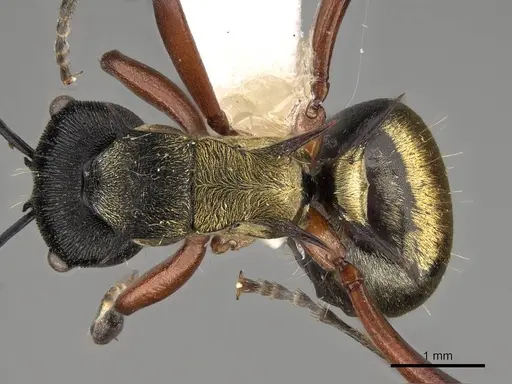
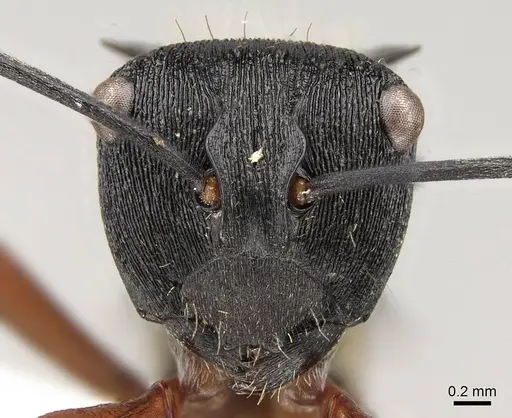
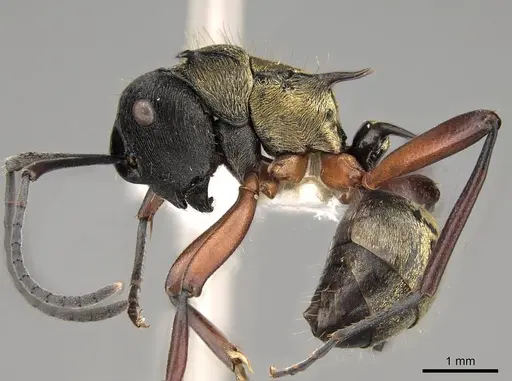
CASENT0906730
View on AntWeb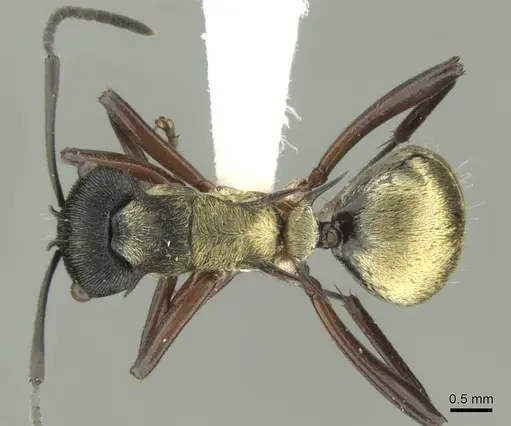
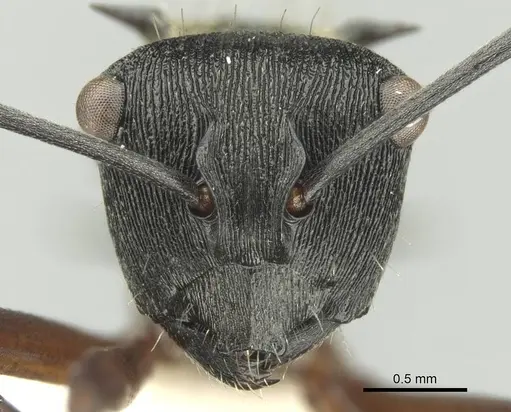
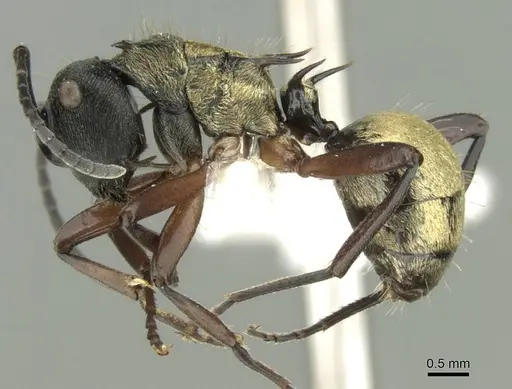
CASENT0910849
View on AntWeb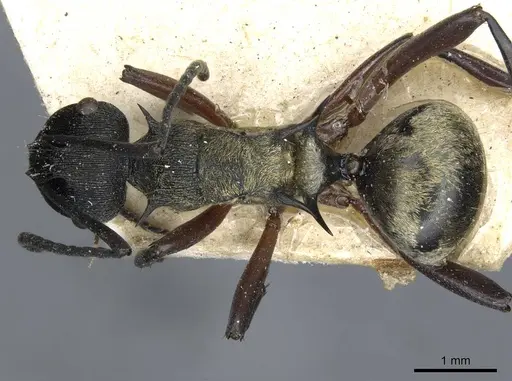
CASENT0916649
View on AntWeb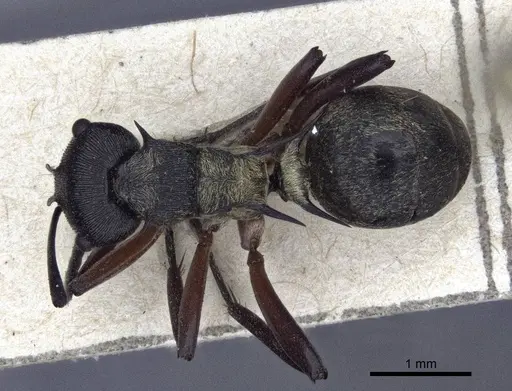
Literature
Loading...Loading products...