

Polyrhachis rixosa
- Scientific Name
- Polyrhachis rixosa
- Subgenus
- Myrma
- Tribe
- Camponotini
- Subfamily
- Formicinae
- Author
- Smith, 1858
- Distribution
- Found in 2 countries
Polyrhachis rixosa Overview
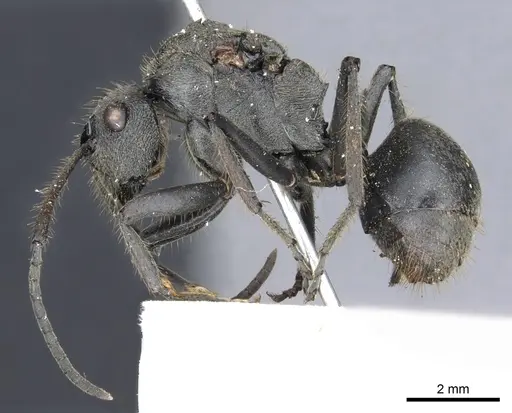
Polyrhachis rixosa is an ant species of the genus Polyrhachis. It is primarily documented in 2 countries , including Indonesia, Malaysia. Detailed taxonomic data and occurrence records can be further explored via authoritative databases such as AntWeb or the Global Biodiversity Information Facility (GBIF).
Polyrhachis rixosa
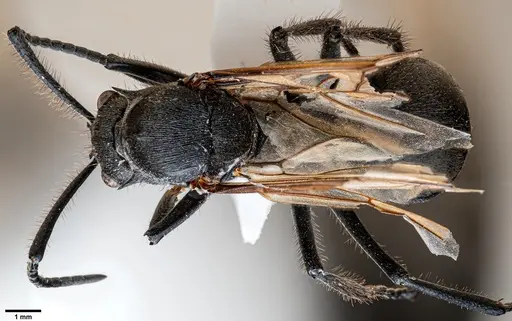
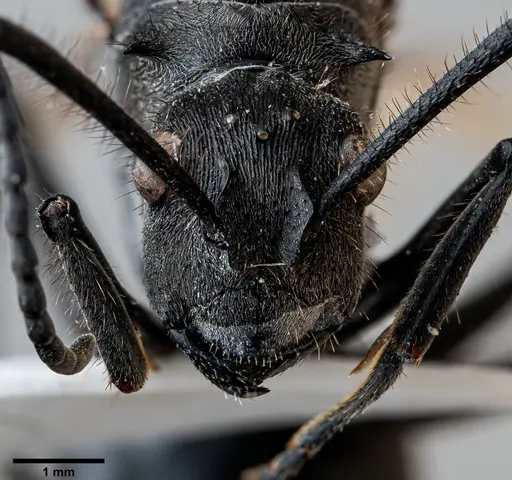
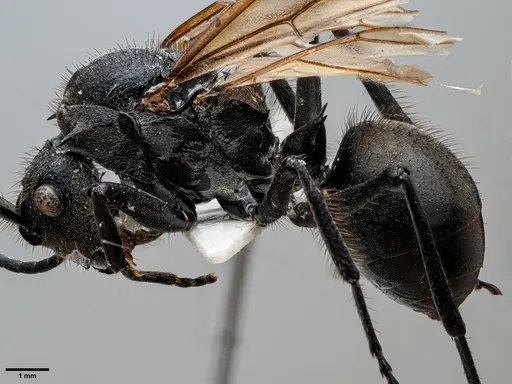
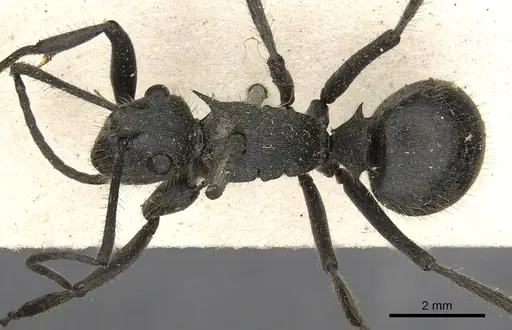
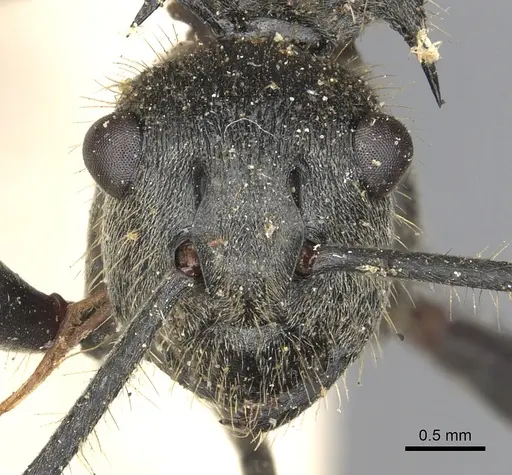
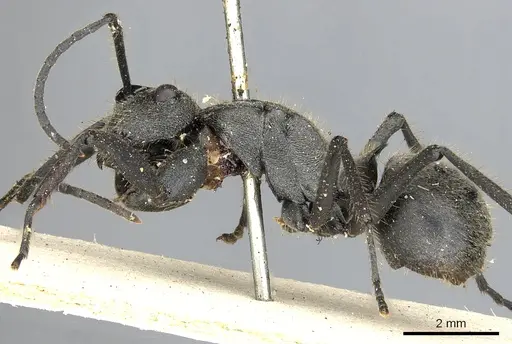
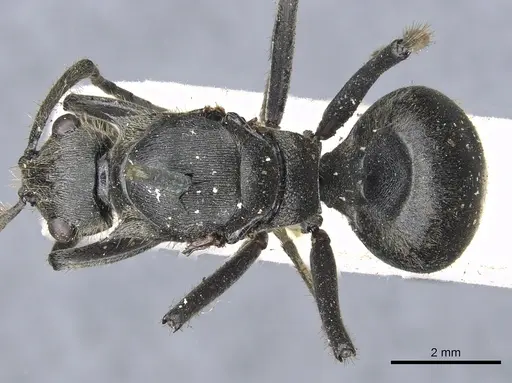
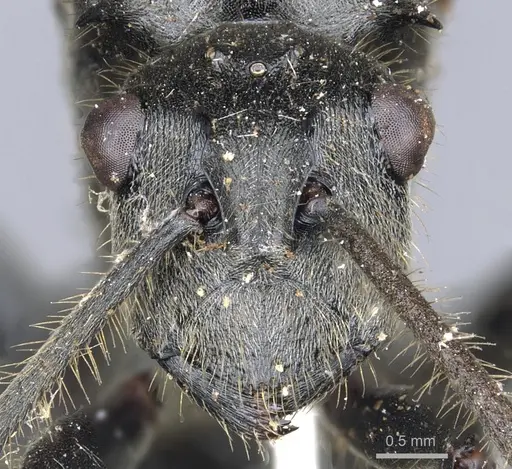
Polyrhachis rixosa is a medium-sized ant belonging to the Formicinae subfamily, part of the Myrma subgenus and the relucens species-group. Workers and queens feature the characteristic spines on the mesosoma (middle body section) common to Polyrhachis ants, giving them a distinctive appearance. The species was originally described from Sulawesi (formerly Celebes) in 1858 by Frederick Smith, with the synonym P. lycidas later recognized as the same species [1]. These ants inhabit lowland to hill forests in Southeast Asia, typically found at elevations between 100-600 meters [2]. As Formicinae ants, they lack a functional stinger and instead defend themselves by spraying formic acid, a mild irritant that can be unpleasant but poses minimal danger to humans.
Quick Summary
- Difficulty: Medium
- Origin & Habitat: Native to Southeast Asia including Borneo, Indonesia, Malaysia, Philippines, Sulawesi, and Thailand. Inhabits lowland forest habitats at 100-600m elevation in Sulawesi [2][1].
- Colony Type: Colony structure is unconfirmed. Based on typical Polyrhachis patterns, likely single-queen (monogyne) colonies, though this has not been directly documented.
- Founding: Claustral
- Size & Growth:
- Queen: Approximately 8-9mm (4 lines = ~8.4mm) [1]. Worker size is unconfirmed but related species in the relucens-group typically range 5-7mm.
- Worker: Approximately 5-7mm (inferred from related species in the relucens-group)
- Colony: Unconfirmed. Polyrhachis colonies typically reach several hundred to a few thousand workers.
- Growth: Moderate, inferred from typical Polyrhachis development patterns
- Development: Approximately 6-10 weeks at optimal temperature (inferred from typical Formicinae development) (Development time is estimated based on related species. Tropical Polyrhachis species generally develop faster than temperate ants.)
- Antkeeping:
- Temperature: Keep at 24-28°C. As a tropical species from Southeast Asia, they require warm conditions year-round. A heating cable on one side of the nest can create a gentle gradient if room temperature is below this range.
- Humidity: Moderate to high humidity (60-80%). They inhabit forest environments, so provide moisture through a water reservoir connected to the nest. Allow some drier areas within the setup so ants can self-regulate.
- Diapause: No, as a tropical species from lowland Southeast Asia, they do not require hibernation or winter rest. Keep temperatures consistent year-round.
- Nesting: In nature, Polyrhachis species often nest in vegetation, hollow branches, or under bark, they are semi-arboreal. In captivity, a Y-tong (AAC) nest or naturalistic setup with cork bark or wooden structures works well. Avoid fully underground setups as they prefer elevated nesting sites.
- Behavior: Generally calm and non-aggressive compared to many ants. They are active foragers but not particularly territorial or defensive. As Formicinae, they will spray formic acid when threatened, which is a mild deterrent rather than a serious threat. Escape risk is moderate, ensure your setup has secure barriers, especially at the top as they may climb. They are primarily arboreal foragers, so providing climbing structures in the outworld helps replicate their natural behavior.
- Common Issues: tropical warmth requirement means colonies can struggle in cool rooms or during winter without heating, semi-arboreal nature means they need climbing space and elevated nest areas, standard test tube setups may not be ideal, escape prevention is important, they are good climbers and will find gaps in lids, wild-caught colonies may carry parasites or pathogens that can cause colony failure in captivity, slow founding phase means new keepers may lose patience during the claustral period
Housing and Nest Setup
Polyrhachis rixosa is a semi-arboreal species that naturally nests in elevated locations like hollow branches, under bark, or in vegetation. In captivity, avoid standard test tube setups designed for ground-nesting ants. Instead, use a Y-tong (AAC) nest, cork bark setup, or a naturalistic formicarium with wooden or cork structures. The nest should be positioned higher than the foraging area to reflect their natural arboreal preferences. Ensure the setup has good ventilation while maintaining humidity, this species needs both moisture and airflow to prevent mold. Provide plenty of climbing structures in the outworld, such as branches, cork pieces, or artificial plants, as they naturally forage in vegetation.
Temperature and Heating
As a tropical lowland species from Southeast Asia, Polyrhachis rixosa requires consistent warmth. Keep the nest area at 24-28°C year-round. Room temperature is often sufficient in warm homes, but during cooler months or in air-conditioned spaces, you'll need supplemental heating. A heating cable placed on one side of the nest creates a gentle thermal gradient that ants can self-regulate by moving between warmer and cooler areas. Never let temperatures drop below 20°C for extended periods, as this can weaken or kill the colony. Avoid placing heating directly on water reservoirs, as excessive heat causes rapid evaporation.
Feeding and Diet
Like most Polyrhachis species, these ants are omnivorous with a preference for protein-rich foods. Offer small insects like fruit flies, small crickets, or mealworms as a primary protein source. They also accept sugar sources, a small drop of honey water or sugar water should be provided regularly. In their natural habitat, they forage on trees and shrubs, collecting honeydew from aphids and tending scale insects. You can replicate this by offering occasional sweet solutions, but protein should form the bulk of their diet. Feed every 2-3 days, removing uneaten prey after 24 hours to prevent mold.
Colony Founding
Queens are likely claustral, meaning they seal themselves in a small chamber and survive entirely on stored fat reserves while raising the first brood. After mating, the queen finds a suitable nesting site in a hollow branch, under bark, or similar elevated location. She seals the entrance and remains inside for several weeks or months while eggs develop into larvae, pupae, and eventually workers (nanitics). The first workers are typically smaller than mature workers but immediately begin foraging to support the growing colony. During founding, the queen requires no food, her stored energy reserves sustain her. Disturbing a founding queen can cause her to abandon or eat her brood, so minimize interference during this critical phase.
Behavior and Defense
Polyrhachis rixosa is generally calm and not particularly aggressive. When threatened, they rely on their Formicinae defense mechanism: spraying formic acid. This is a mild irritant that causes discomfort but is not dangerous to healthy humans. The spray has a distinctive pungent odor. These ants are active foragers and will explore their environment, including climbing vertical surfaces. They are not strong climbers compared to some arboreal species, but they can still escape from poorly secured setups. Their semi-arboreal nature means they prefer to travel along branches and vegetation rather than across open ground.
Seasonal Care
Unlike temperate ant species, Polyrhachis rixosa does not require hibernation or winter rest. They are active year-round in their native tropical habitat. Maintain consistent temperatures throughout the year, avoid placing the colony near windows or doors that experience drafts, and ensure heating continues during winter months. The key seasonal consideration is humidity: dry winter air from heating can quickly dehydrate the nest. Monitor moisture levels more frequently during winter and rehydrate the nest more often if the substrate dries faster than usual.
Frequently Asked Questions
Can I keep Polyrhachis rixosa in a test tube?
Test tubes are not ideal for this species. Polyrhachis rixosa is semi-arboreal and prefers elevated nesting sites. A Y-tong (AAC) nest, cork bark setup, or naturalistic formicarium with climbing structures works much better. Test tubes can be used temporarily for founding colonies, but transfer to a more suitable setup once the colony has several workers.
What do Polyrhachis rixosa eat?
They are omnivorous with a preference for protein. Feed small insects like fruit flies, small crickets, or mealworms as a primary food source. They also accept sugar water or honey water. In nature, they forage on vegetation and collect honeydew from aphids.
How long does it take for the first workers to emerge?
Based on typical Formicinae development, expect 6-10 weeks from egg to first worker (nanitic) at optimal temperature (24-28°C). The exact timeline depends on temperature and other conditions. Founding queens seal themselves in and raise the first brood alone.
Do Polyrhachis rixosa need hibernation?
No. As a tropical species from Southeast Asia, they do not require hibernation. Keep them warm year-round at 24-28°C. They remain active throughout the winter months and need consistent temperatures to thrive.
Are Polyrhachis rixosa good for beginners?
They are rated as medium difficulty. While not as challenging as some species, they do have specific requirements: year-round warmth, elevated nesting sites, and humidity control. Beginners should be prepared for the cost of heating equipment and a suitable arboreal-style setup.
How big do Polyrhachis rixosa colonies get?
Colony size is not well documented for this specific species, but related Polyrhachis species typically reach several hundred to a few thousand workers. Growth is moderate, expect several months to a year before the colony reaches 50+ workers.
Can I keep multiple queens together?
Combining unrelated queens is not recommended and has not been documented for this species. Polyrhachis rixosa is likely monogyne (single-queen colonies). If you obtain multiple founding queens, house them separately to avoid fighting.
When should I move them to a formicarium?
Move from a founding setup to a larger nest once the colony reaches 20-30 workers and the test tube or founding chamber becomes crowded. For semi-arboreal species like this, choose a nest with elevated chambers and climbing structures rather than a standard horizontal setup.
Why are my Polyrhachis rixosa dying?
Common causes include: temperatures below 20°C (tropical species are sensitive to cold), low humidity causing desiccation, poor ventilation leading to mold, or escape due to inadequate barriers. Also check for parasites, which are common in wild-caught colonies. Ensure the nest has both moisture and airflow.
References

This caresheet is licensed under CC BY-SA 4.0 .
Literature
Loading...Loading products...