

Polyrhachis reclinata
- Scientific Name
- Polyrhachis reclinata
- Subgenus
- Myrmhopla
- Tribe
- Camponotini
- Subfamily
- Formicinae
- Author
- Emery, 1887
- Distribution
- Found in 2 countries
Polyrhachis reclinata Overview
Polyrhachis reclinata is an ant species of the genus Polyrhachis. It is primarily documented in 2 countries , including Australia, Papua New Guinea. Detailed taxonomic data and occurrence records can be further explored via authoritative databases such as AntWeb or the Global Biodiversity Information Facility (GBIF).
Polyrhachis reclinata
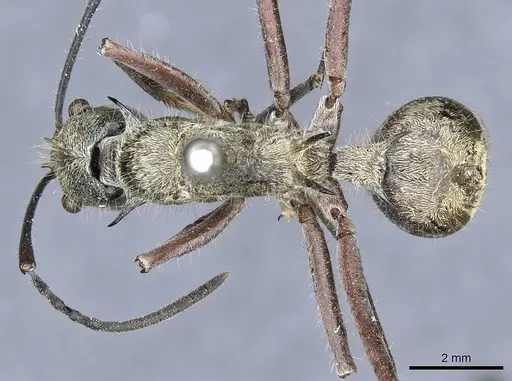
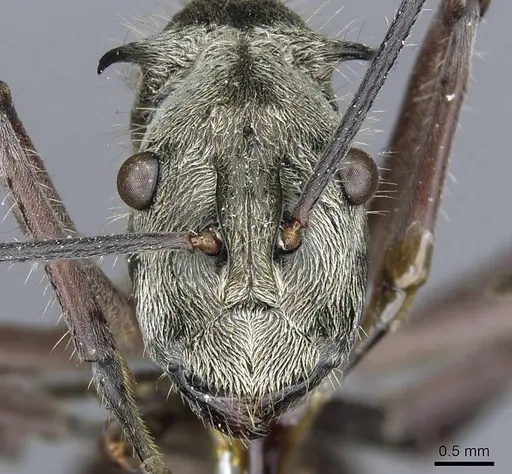
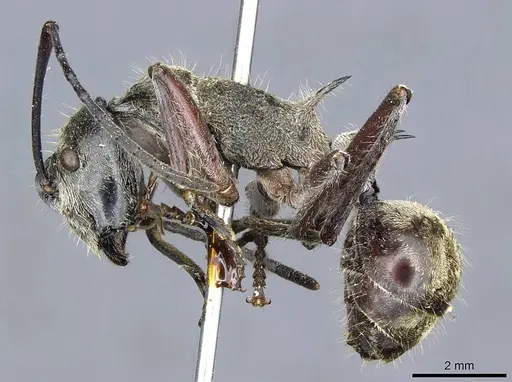
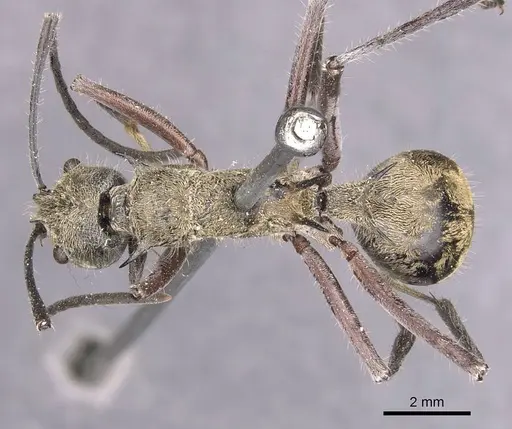
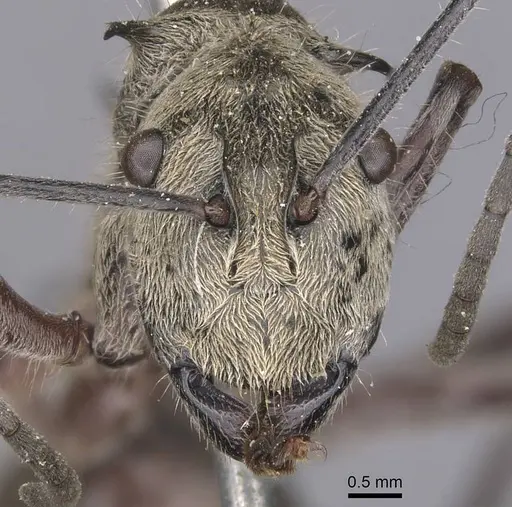
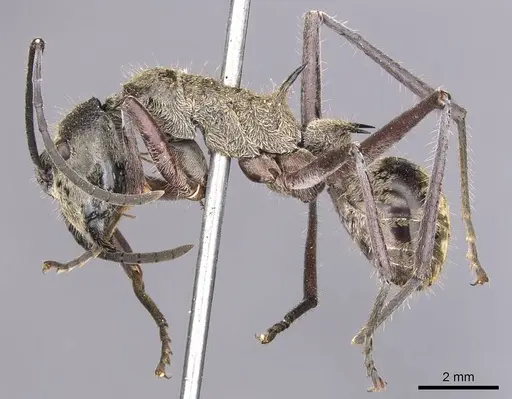
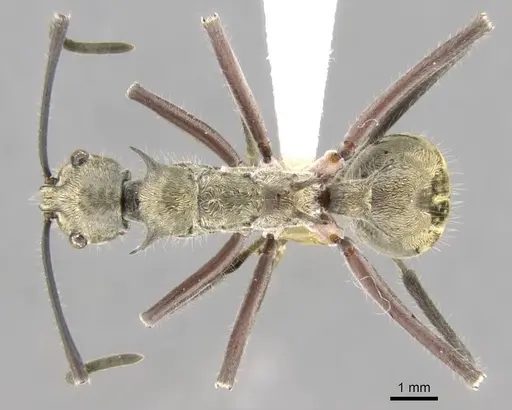
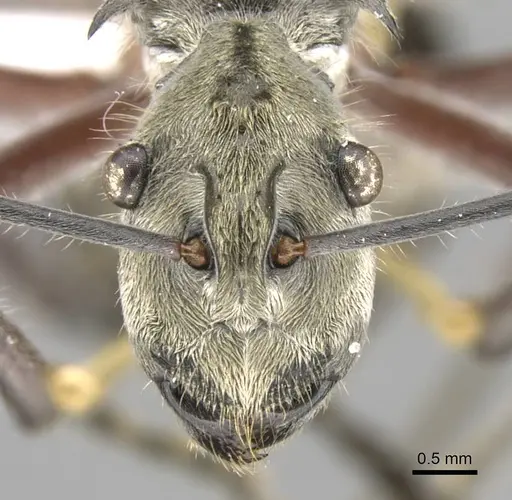
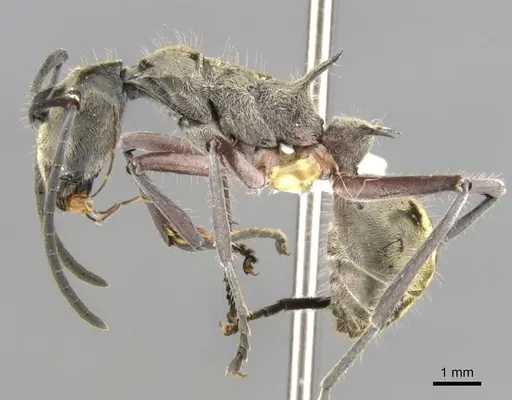
Polyrhachis reclinata is a medium-large arboreal ant species native to the lowland rainforests of southern New Guinea and northern Australia (Cape York Peninsula). Workers measure 11-14mm and have a distinctive black body with reddish-brown propodeum and petiole, covered in dense golden or brassy pubescence. They belong to the sexspinosa species-group within the subgenus Myrmhopla and are identified by their long, curved propodeal spines and weakly developed occipital lobes. Unlike many ground-nesting ants, these ants are arboreal nesters, typically colonizing hollow bamboo internodes in monsoon rainforest [1][2].
What makes P. reclinata special is their silk-weaving behavior. Like other Myrmhopla species, they use larval silk to construct protective nest structures in tree hollows and bamboo. This arboreal lifestyle means they need completely different housing than typical soil-nesting ants, think vertical spaces with climbing opportunities rather than horizontal nest chambers [3][4].
Quick Summary
- Difficulty: Medium
- Origin & Habitat: Lowland rainforest along the Gulf of Papua (Fly River delta, lower Busu River, Port Moresby area, Daru Island) and northern Australia (Queensland, from Lockerbie Scrub south to Iron Range). They inhabit monsoon rainforest and nest primarily within hollow internodes of bamboo (Bambusa forbesii) [1][2].
- Colony Type: Colony structure is unconfirmed. Most Polyrhachis species establish single-queen colonies, but specific data for P. reclinata is lacking.
- Size & Growth:
- Queen: 13.55-14.46mm [1][2]
- Worker: 11.44-14.31mm [1][2]
- Colony: Unknown, likely several hundred workers based on related species
- Growth: Moderate
- Development: Estimated 6-8 weeks at optimal tropical temperatures (based on typical Polyrhachis development patterns) (Tropical species, faster development than temperate ants. Direct measurements not available for this species.)
- Antkeeping:
- Temperature: Keep at 24-28°C, they are tropical rainforest ants requiring warm, stable conditions. A gentle gradient allowing them to move between warmer and cooler areas is ideal [1].
- Humidity: High humidity (70-85%) is essential. Their natural habitat is lowland rainforest with constant moisture. Keep nest substrate consistently damp but not waterlogged. Mist regularly and provide a water source [1].
- Diapause: No, as a tropical species from lowland rainforest, they do not require hibernation. Keep temperatures stable year-round [1].
- Nesting: Arboreal specialists, they nest in hollow bamboo, tree hollows, and similar vertical spaces. In captivity, provide a vertical formicarium or custom bamboo setup with narrow chambers (8-12mm) and multiple connecting chambers. They use silk to seal gaps and create partitions. Avoid horizontal soil nests, these ants will not thrive in typical dirt setups [3][4][5].
- Behavior: P. reclinata is generally calm and not aggressive toward keepers. Workers are active foragers, patrolling vegetation and tree bark in search of honeydew and small insects. They are excellent climbers and will readily traverse vertical surfaces. Escape prevention is important, while not tiny, they are agile climbers that can escape through small gaps. They are primarily nocturnal or crepuscular, becoming more active in dim light. Their silk-weaving behavior means they may construct barriers within their enclosure [3][4].
- Common Issues: arboreal nesting requirements mean standard soil formicariums are unsuitable, they need vertical spaces, high humidity needs can lead to mold problems if ventilation is poor, tropical temperature requirements mean they cannot tolerate cool rooms, silk-weaving behavior may cause them to block connections or seal themselves into chambers unexpectedly, wild-caught colonies may carry parasites or diseases from their native habitat
Housing and Nest Setup
P. reclinata requires arboreal-style housing that mimics their natural bamboo-nesting habitat. Standard horizontal formicariums with soil substrates will not work, these ants need vertical spaces. The best options include: custom acrylic vertical nests with narrow chambers (8-12mm wide), bamboo sections with internal partitions, or DIY setups using cardboard tubes that simulate hollow bamboo internodes. The nest should have multiple chambers connected by small passages, allowing the colony to distribute brood throughout. Because they use silk, provide materials they can work with, small pieces of tissue or cotton can be added for nesting material. The outworld should include climbing structures like twigs, cork bark, or artificial plants since they naturally forage on vegetation [3][4][5].
Feeding and Diet
Like most Polyrhachis species, P. reclinata is omnivorous. They feed on honeydew from sap-sucking insects (aphids, scale insects, mealybugs) in nature, along with small insects and nectar. In captivity, offer sugar water or honey as a constant energy source. For protein, provide small insects like fruit flies, small crickets, mealworms, or waxworms. Feed protein 2-3 times per week, adjusting based on colony size. Fresh fruit can also be offered occasionally. Remove uneaten protein after 24-48 hours to prevent mold. Because they are arboreal foragers, place food on elevated surfaces or platforms in the outworld rather than on the floor [6].
Temperature and Humidity Management
As tropical rainforest ants, P. reclinata needs warm and humid conditions year-round. Maintain temperatures between 24-28°C using a heating cable or mat on one side of the nest (never directly on the nest material as it can dry them out). Room temperature alone is often insufficient in cooler climates. Humidity should stay at 70-85%, use a water reservoir in the nest, mist regularly, and ensure the setup is not in a dry environment. However, balance humidity with adequate ventilation to prevent mold. A hygrometer helps monitor conditions. If the colony clusters near the heat source, temperatures are good, if they avoid it, increase slightly. Watch for condensation, light condensation is normal, excessive moisture is not [1][2].
Silk Weaving Behavior
One of the most fascinating aspects of P. reclinata is their silk-weaving ability. Like all Myrmhopla species, they use larval silk to construct and modify their nests. Workers manipulate larvae to produce silk, which is then used to create barriers, seal chamber entrances, and construct protective structures within bamboo hollows or tree cavities. In captivity, you may observe this behavior as they seal off sections of their nest or create silk partitions. This is normal and not a cause for concern, do not interfere with their silk constructions. You can support this behavior by providing small amounts of suitable material like cotton fibers or tissue paper pieces in the nest area [3][4][5].
Colony Founding and Growth
Queens are large (13.55-14.46mm) and likely claustral, sealing themselves in a chamber to raise the first brood alone using stored fat reserves. After the first workers (nanitics) emerge, the colony grows gradually. Expect 6-8 weeks from egg to first worker at optimal temperatures. Growth rate is moderate, faster than temperate species but not as rapid as some tropical specialists. Colonies likely reach several hundred workers over time based on related species patterns. Do not disturb the queen during founding, stress can cause her to abandon or eat the brood. Once workers are established, you can offer food but keep disturbances minimal [1][2].
Frequently Asked Questions
Can I keep Polyrhachis reclinata in a test tube?
Test tubes are not ideal for this species. P. reclinata is an arboreal ant that naturally nests in vertical bamboo hollows, not horizontal soil chambers. They need vertical space with multiple chambers to properly distribute brood and for their silk-weaving behavior. Use a custom vertical formicarium, bamboo setup, or vertical acrylic nest instead.
What is the best nest type for Polyrhachis reclinata?
Vertical nests with narrow chambers (8-12mm) that simulate bamboo internodes work best. Custom acrylic vertical formicariums, bamboo sections with internal partitions, or DIY cardboard tube setups all work well. Avoid horizontal soil nests, these ants will not thrive in typical ground-nesting setups.
How long until first workers with Polyrhachis reclinata?
Expect 6-8 weeks from egg to first worker at optimal temperatures (24-28°C). This is based on typical Polyrhachis development patterns since specific data for this species is not available. Tropical species generally develop faster than temperate ants.
Do Polyrhachis reclinata ants need hibernation?
No. As a tropical species from lowland rainforest in New Guinea and northern Australia, they do not require hibernation. Keep temperatures stable year-round between 24-28°C. Cool temperatures can stress them and slow or stop brood development.
Are Polyrhachis reclinata good for beginners?
P. reclinata is rated as medium difficulty. While not the hardest species, they have specific requirements (arboreal nesting, high humidity, tropical temperatures) that make them better suited for keepers who have experience with ants that need vertical housing and controlled humidity. Beginners should start with easier species like Lasius or Tetramorium.
What do Polyrhachis reclinata eat?
They are omnivorous. Offer sugar water or honey as a constant energy source, and protein sources like small insects (fruit flies, small crickets, mealworms) 2-3 times per week. They may also accept fresh fruit occasionally. Place food on elevated platforms since they are arboreal foragers.
Why is my Polyrhachis reclinata colony declining?
Common causes include: temperatures too low (below 24°C), humidity too low or too high (aim for 70-85%), improper nesting setup (they need vertical arboreal housing, not horizontal soil nests), stress from disturbance during founding, or poor nutrition. Check all parameters and ensure the nest setup matches their arboreal lifestyle.
Can I keep multiple Polyrhachis reclinata queens together?
Colony structure is unconfirmed for this specific species. Most Polyrhachis are single-queen species. Unless you have confirmed this species can found colonies pleometrotically (multiple queens together), it is not recommended to house multiple unrelated queens together as they may fight.
What temperature is ideal for Polyrhachis reclinata?
Keep them at 24-28°C. Use a heating cable or mat on one side of the nest to create a gentle gradient. Tropical rainforest species need warm, stable conditions year-round. Room temperature alone is often insufficient in cooler climates.
References

This caresheet is licensed under CC BY-SA 4.0 .
Literature
Loading...Loading products...