

Polyrhachis pyrrhus
- Scientific Name
- Polyrhachis pyrrhus
- Subgenus
- Campomyrma
- Tribe
- Camponotini
- Subfamily
- Formicinae
- Author
- Forel, 1910
- Distribution
- Found in 1 countries
Polyrhachis pyrrhus Overview
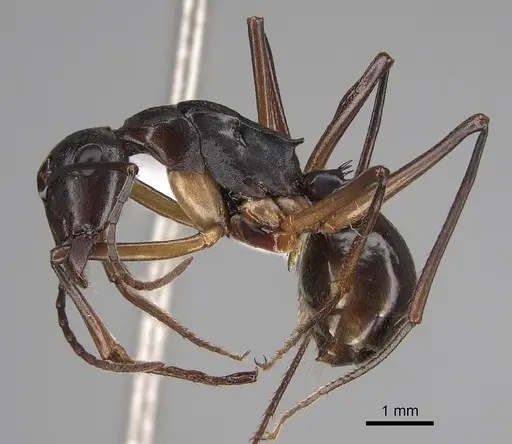
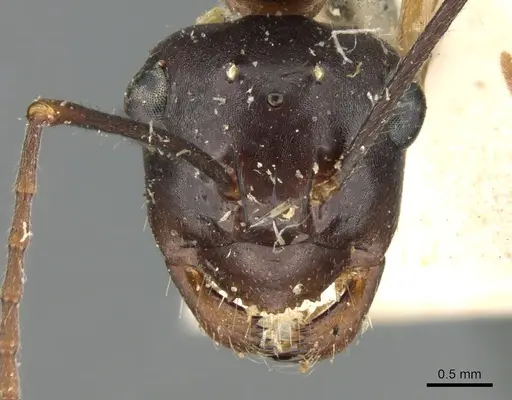
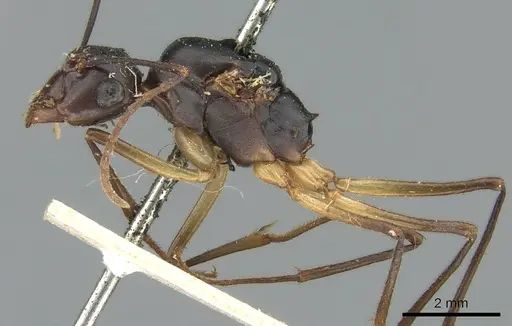
Polyrhachis pyrrhus is an ant species of the genus Polyrhachis. It is primarily documented in 1 countries , including Australia. Detailed taxonomic data and occurrence records can be further explored via authoritative databases such as AntWeb or the Global Biodiversity Information Facility (GBIF).
Polyrhachis pyrrhus
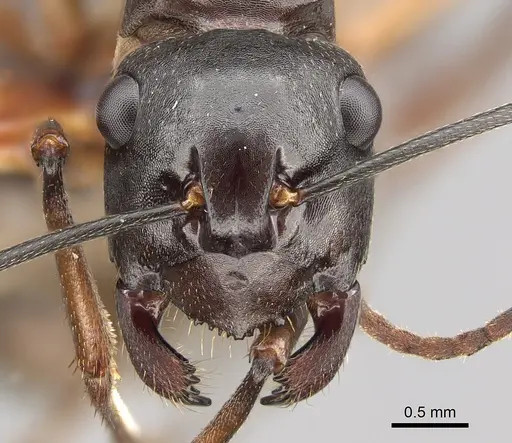
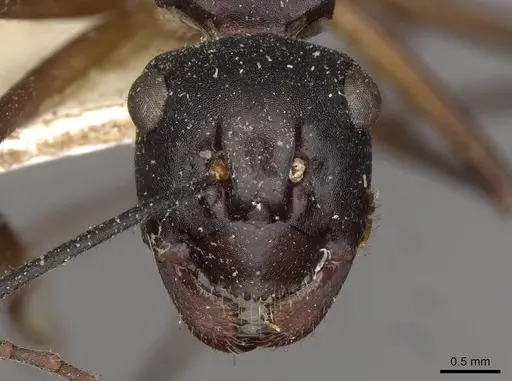
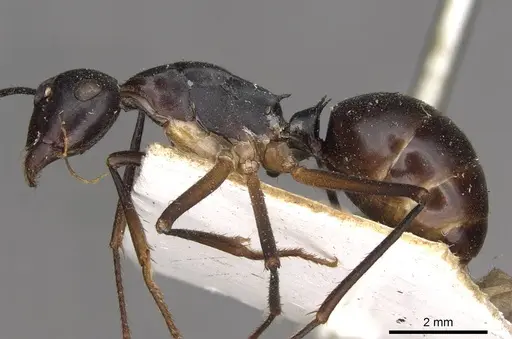
Polyrhachis pyrrhus is an Australian ant species belonging to the Formicinae subfamily. Workers are modest in size with the characteristic dark coloration typical of many Polyrhachis species. This species is found across various regions of Australia, including Western Australia, the Pilbara region, and the Northern Territory [1]. One of the most striking features of this species is its nesting behavior, it constructs remarkable clay nests that resemble large clay vases half-buried in the ground, with entrance holes sometimes large enough to admit an animal the size of a rat [1]. As members of the Formicinae subfamily, these ants do not have a functional stinger. Instead, they defend themselves by spraying formic acid, similar to other ants in this group like carpenter ants.
Quick Summary
- Difficulty: Medium
- Origin & Habitat: Australia, particularly found in Western Australia including the south-west region, Pilbara, and Northern Territory. These ants build distinctive clay nests in the ground, creating spectacular vase-like structures [1].
- Colony Type: Colony structure is not well documented for this species. Based on typical Polyrhachis behavior, colonies likely establish with a single queen (monogyne) but may have multiple queens in some populations.
- Colony: Monogyne
- Founding: Claustral
- Size & Growth:
- Queen: Estimated 10-12mm based on genus typical sizes, not directly measured for this species
- Worker: Estimated 6-9mm based on genus typical sizes, not directly measured for this species
- Colony: Unknown for this specific species, Polyrhachis colonies typically reach several hundred to a few thousand workers
- Growth: Moderate, estimated based on related Formicinae species
- Development: Estimated 6-10 weeks based on typical Formicinae development at warm temperatures (Development time is estimated from related species, specific data for P. pyrrhus is not available. Warm Australian climate suggests faster development during summer months.)
- Antkeeping:
- Temperature: Keep at 24-28°C during active season. Being an Australian species, they prefer warm conditions. A heating cable on one side of the nest can create a temperature gradient [1].
- Humidity: Moderate humidity around 50-70%. Their clay nest-building in nature suggests they can handle some variation. Provide a water tube but avoid waterlogging the nest.
- Diapause: Likely experiences reduced activity during cooler Australian winter months. Reduce temperature to 15-18°C for 2-3 months if colony shows reduced activity, but this species may not require full hibernation given Australia's climate.
- Nesting: This species naturally builds clay nests in the ground. In captivity, a naturalistic setup with soil and clay mixture works well, or a Y-tong/plaster nest with moisture chambers can replicate their preferences. They need enough space for their distinctive nest construction behavior.
- Behavior: Polyrhachis pyrrhus is not particularly aggressive toward keepers. Workers are active foragers, likely hunting for small insects and collecting honeydew. As Formicinae, they will spray formic acid when threatened rather than sting. Escape prevention should be moderate, they are medium-sized ants but can climb well. Their remarkable clay nest-building behavior may transfer to captivity, so provide appropriate substrate if you want to observe this natural behavior.
- Common Issues: limited specific care data, much is inferred from genus behavior, clay nesting behavior may be difficult to accommodate in standard formicariums, colonies may be sensitive to temperature drops below 20°C, wild-caught colonies may carry parasites, foraging workers may escape if barrier is not secure
Housing and Nest Setup
Polyrhachis pyrrhus naturally builds remarkable clay nests that look like large vases buried in the ground [1]. In captivity, you can replicate this by providing a naturalistic setup with a soil-clay mixture that allows them to construct their characteristic nests. Alternatively, a Y-tong (AAC) nest or plaster nest with moisture chambers works well. The key is providing enough depth and appropriate material for them to build in. If using a test tube setup for a founding colony, transfer to a larger naturalistic setup once the colony reaches 20-30 workers. These ants are medium-sized and can climb smooth surfaces, so use fluon or a barrier on the outworld.
Feeding and Diet
Like most Polyrhachis species, P. pyrrhus is omnivorous. Workers forage for small insects and other protein sources, and they also collect honeydew from aphids and scale insects. In captivity, offer a varied diet: protein sources like small crickets, mealworms, or other small insects 2-3 times per week, and sugar sources like honey water or sugar water constantly available. Fresh fruit occasionally is also appreciated. Remove uneaten protein within 24 hours to prevent mold. Since this species is not well-studied in captivity, observe what your colony accepts best and adjust accordingly.
Temperature and Seasonal Care
Being an Australian species from warm regions, Polyrhachis pyrrhus thrives at temperatures between 24-28°C. During the active summer months in Australia, they develop quickly, so maintaining warm conditions year-round (with slight reductions in winter) supports healthy colony growth. A heating cable placed on one end of the nest creates a gradient that allows workers to regulate their temperature. In winter or cooler periods, you can reduce temperatures to around 18-20°C, but avoid sudden drops. Some reduction in activity during cooler months is natural, but this species does not appear to require harsh hibernation like temperate ants do. [1]
Behavior and Defense
Polyrhachis pyrrhus workers are active foragers and likely use chemical communication to recruit nestmates to food sources, similar to other Polyrhachis species. They are not typically aggressive toward keepers, but when threatened, they will spray formic acid as a defense mechanism, this is because they belong to the Formicinae subfamily, which lacks functional stingers. The spray can irritate eyes and skin, so handle with care and wash hands after any contact. Workers are moderately fast-moving and can climb well, so ensure your escape barriers are adequate. Their most fascinating behavior is the clay nest construction, in the wild, they build spectacular vase-shaped structures with large entrance holes [1].
Colony Development
Queens are estimated to be 10-12mm based on typical Polyrhachis sizes, with workers around 6-9mm. The founding process is likely claustral, the queen seals herself in a chamber and raises her first workers (nanitics) on stored fat reserves without foraging. Development from egg to first worker likely takes 6-10 weeks at optimal warm temperatures, similar to other Formicinae. Once established, colony growth is moderate. Maximum colony size is not documented for this species but Polyrhachis colonies typically reach several hundred to a few thousand workers. Be patient with founding colonies, the first few months require minimal disturbance while the queen raises her first brood.
Frequently Asked Questions
Can I keep Polyrhachis pyrrhus in a test tube?
You can start a founding queen in a test tube setup, but this species naturally builds distinctive clay nests, so transfer to a naturalistic setup with soil or clay substrate once the colony reaches 20-30 workers. This allows them to display their natural building behavior.
What do Polyrhachis pyrrhus eat?
They are omnivorous. Offer small insects like crickets or mealworms as protein 2-3 times per week, and provide constant access to sugar sources like honey water or sugar water. They likely also collect honeydew in the wild.
How long does it take for the first workers to emerge?
Based on typical Formicinae development, expect first workers (nanitics) in about 6-10 weeks at warm temperatures (24-28°C). This is an estimate since specific development data for P. pyrrhus is not available.
Are Polyrhachis pyrrhus good for beginners?
This species is rated as medium difficulty. While not the most challenging, the limited specific care data means you may need to adapt based on colony behavior. Their clay nesting requirements and warm temperature needs make them better suited for keepers with some experience.
How big do Polyrhachis pyrrhus colonies get?
Maximum colony size is not specifically documented, but Polyrhachis species typically reach several hundred to a few thousand workers. Growth is moderate, expect a few years to reach large colony size.
Why are my Polyrhachis pyrrhus dying?
Common causes include temperatures below 20°C (they prefer warmth), improper humidity (avoid waterlogging but also don't let them dry completely), or stress from disturbance during founding. Also ensure escape barriers are secure and remove uneaten protein to prevent mold.
When should I move my colony to a formicarium?
Move from test tube to a larger setup (naturalistic or Y-tong) once the colony reaches 20-30 workers or the test tube becomes cramped. This species benefits from having space and appropriate substrate for their natural clay-building behavior.
Can I keep multiple Polyrhachis pyrrhus queens together?
This is not recommended. While colony structure is not fully documented, Polyrhachis species are typically single-queen colonies. Combining unrelated queens often leads to fighting. If you acquire multiple foundresses, house them separately.
References

This caresheet is licensed under CC BY-SA 4.0 .
ANTWEB1008266
View on AntWeb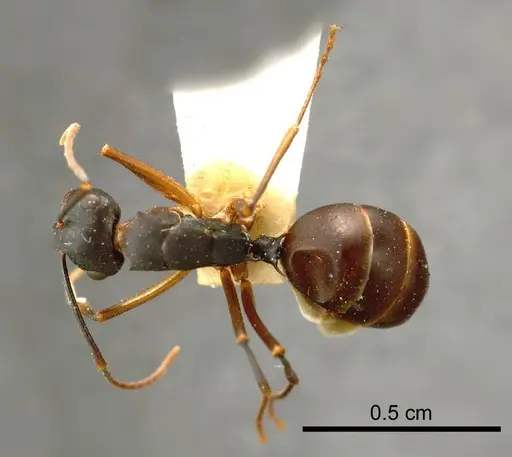
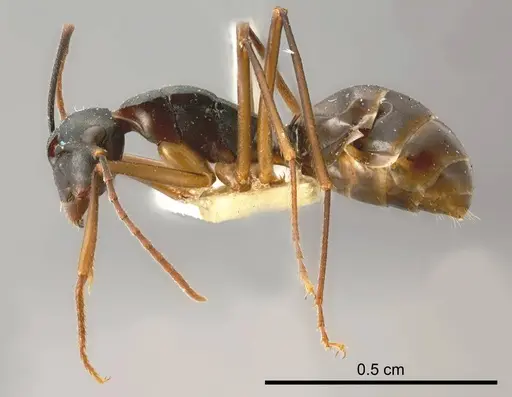
CASENT0887771
View on AntWeb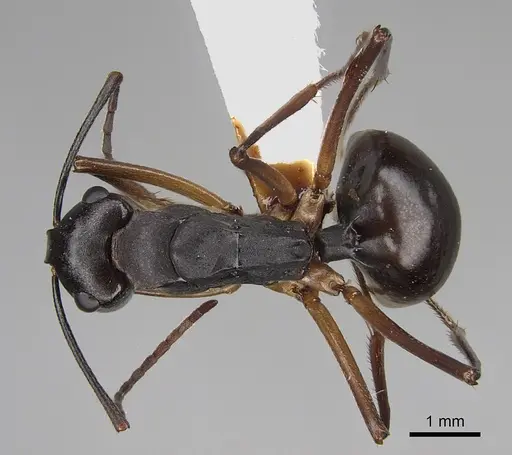
CASENT0906561
View on AntWeb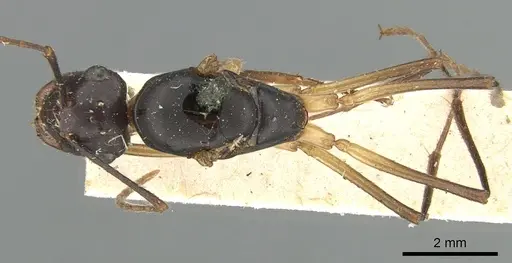
CASENT0910778
View on AntWeb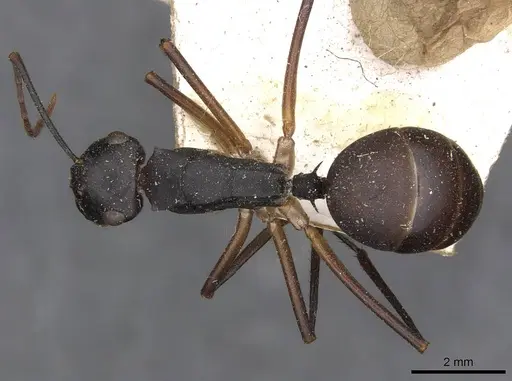
Literature
Loading...Loading products...