

Polyrhachis punctillata
- Scientific Name
- Polyrhachis punctillata
- Subgenus
- Myrma
- Tribe
- Camponotini
- Subfamily
- Formicinae
- Author
- Roger, 1863
- Distribution
- Found in 2 countries
Polyrhachis punctillata Overview
Polyrhachis punctillata is an ant species of the genus Polyrhachis. It is primarily documented in 2 countries , including India, Sri Lanka. Detailed taxonomic data and occurrence records can be further explored via authoritative databases such as AntWeb or the Global Biodiversity Information Facility (GBIF).
Polyrhachis punctillata
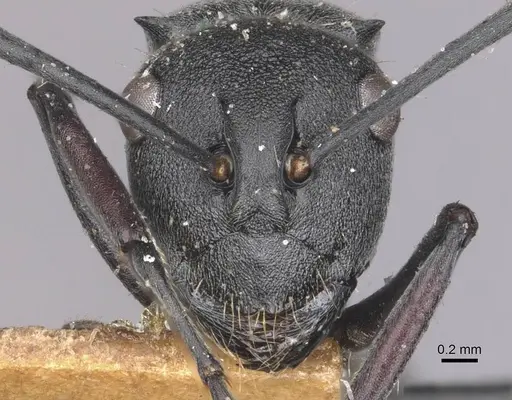
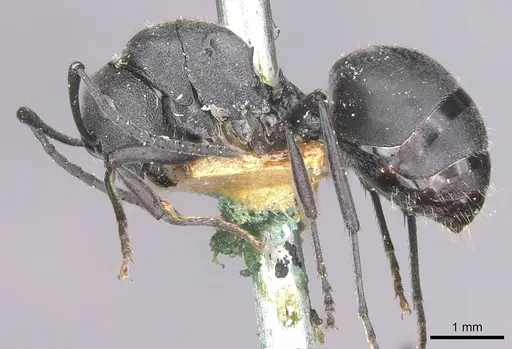
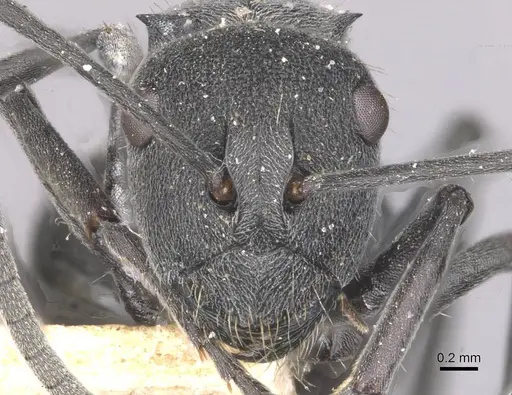
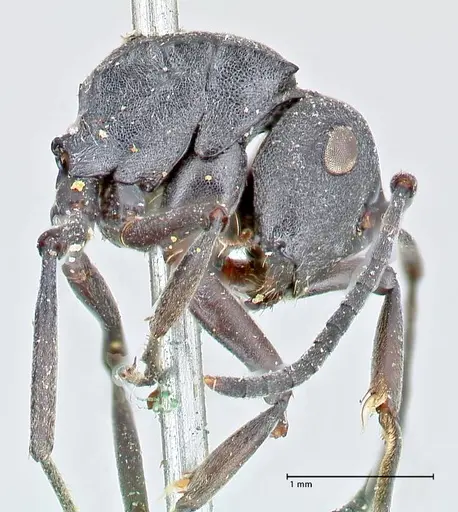
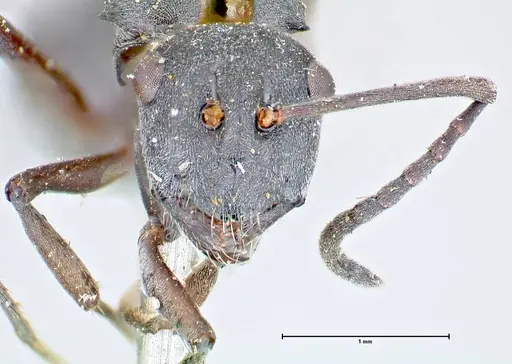
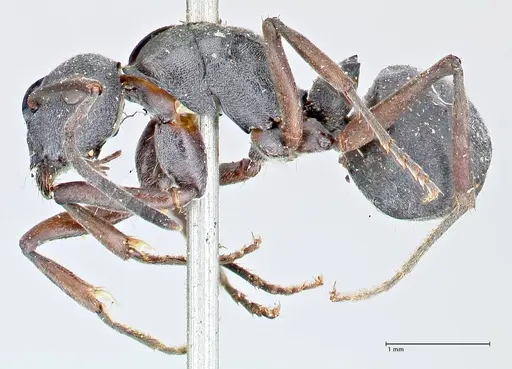
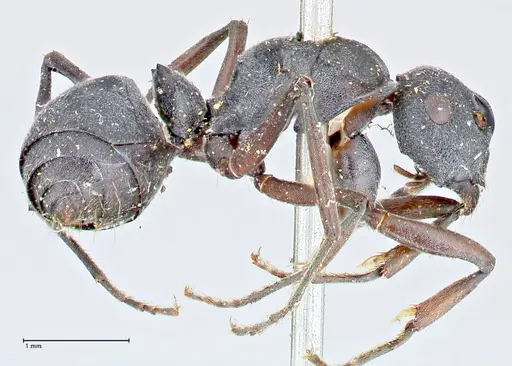
Polyrhachis punctillata is a spiny ant species native to South and Southeast Asia. Workers are black and measure 5-6mm, with distinctive spines protruding from the thorax and petiole, a hallmark of the Polyrhachis genus. The body has fine, silky pubescence and a roughened texture. This species belongs to the Formicinae subfamily and is part of the Camponotini tribe, which includes carpenter ants and their relatives. Colonies are found across a wide geographic range spanning India, Sri Lanka, Nepal, Bhutan, Myanmar, and southern China, living in diverse habitats from lowland coconut plantations to elevations around 1400m in the Himalayas. As a subordinate species within the Camponotini group, they tend to be less aggressive than many other ants.
Quick Summary
- Difficulty: Medium
- Origin & Habitat: Native to the Indomalaya and Palaearctic regions, found across India, Sri Lanka, Nepal, Bhutan, Myanmar, and southern China (Yunnan, Sichuan, Guangxi, Hainan). They inhabit diverse environments from wet to dry zones and have been collected in agricultural land, coconut plantations, and forested areas up to 1400m elevation [1][2][3][4].
- Colony Type: Colony structure is not well documented in scientific literature. Based on typical Polyrhachis patterns, they likely establish single-queen colonies, though this requires confirmation for this specific species.
- Founding: Claustral
- Size & Growth:
- Queen: Unconfirmed, estimated 8-10mm based on genus patterns
- Worker: 5-6mm [1]
- Colony: Likely moderate (hundreds of workers) based on genus patterns, exact numbers unconfirmed
- Growth: Moderate, estimated based on related Formicinae species
- Development: Estimated 6-10 weeks at optimal temperature based on typical Formicinae development (Development time is estimated, no direct studies found for this species. Related Formicinae like Camponotus typically take 6-10 weeks from egg to first worker.)
- Antkeeping:
- Temperature: Keep at 22-26°C, they tolerate a range from roughly 20°C up to around 28°C. Being found across varied climates from tropical lowlands to 1400m elevation suggests they can adapt to different temperatures. A gentle gradient allowing them to choose their preferred zone works best.
- Humidity: Moderate humidity around 50-70% works well. They inhabit areas from wet to dry zones, suggesting tolerance to varied moisture levels. Provide a moist nest area but allow some drier zones for the outworld.
- Diapause: Likely, based on their presence in temperate China and Himalayan regions, they probably require a winter rest period. However, specific diapause requirements are unconfirmed for this species.
- Nesting: In nature they nest in soil, under stones, and in rotting wood. For captivity, a Y-tong or plaster nest works well. They are not strongly arboreal like some Polyrhachis species, so ground-based nests are appropriate. Provide a nest with chambers scaled to their 5-6mm worker size.
- Behavior: These ants are generally calm and not aggressive, fitting their classification as a subordinate Camponotini species. Workers forage on the ground and in low vegetation, collecting honeydew and small insects. They are not known for painful stings. Their small size (5-6mm) means they can squeeze through small gaps, so escape prevention should be moderate to good. They are moderately active and will readily explore the outworld for food.
- Common Issues: limited documentation means exact care requirements are uncertain, be prepared to adjust based on colony behavior, moderate escape risk due to small worker size, use well-fitting barriers, slow founding phase is common for claustral queens, avoid disturbing the founding chamber, winter dormancy may be required if kept in temperate regions but specifics are unconfirmed, wild-caught colonies may carry parasites, quarantine and observe new colonies
Housing and Nest Setup
Polyrhachis punctillata can be housed in standard ant keeping setups. A Y-tong (acrylic) nest or plaster nest works well for this species. The chambers should be appropriately sized for workers that are 5-6mm, not too large, but spacious enough for the colony to move freely. Because they are ground-nesting rather than arboreal, avoid setups designed for tree-dwelling ants. Provide a water tube for humidity and a separate outworld for foraging. Escape prevention should be moderate, while not the smallest ants, they can still squeeze through small gaps, so ensure lids fit tightly and any connections between nest and outworld are secure. [1]
Feeding and Diet
Like most Formicinae, Polyrhachis punctillata likely has an omnivorous diet. They probably feed on honeydew from aphids and scale insects in addition to small insects. In captivity, offer a mix of sugar sources (honey water, sugar water) and protein (small insects like fruit flies, pinhead crickets, mealworms). Based on their collection methods in studies (honey baiting was successful), they readily accept sweet liquids. Feed protein 2-3 times per week and keep a sugar source available at all times. Remove uneaten prey after 24-48 hours to prevent mold.
Temperature and Seasonal Care
Maintain temperatures around 22-26°C for optimal colony health and development. This species tolerates a range from roughly 20°C to 28°C, reflecting its wide distribution from tropical lowlands to cooler Himalayan elevations. A temperature gradient allows the ants to self-regulate. If you live in a temperate region, you may need to provide winter cooling, but specific diapause requirements are not well documented. Based on their presence in China and high-elevation Bhutan, a cool period around 10-15°C for 2-3 months during winter is likely beneficial, though not absolutely required for colonies kept in stable indoor conditions. [4]
Colony Founding and Growth
Queens likely seal themselves in a claustral chamber and raise the first brood using stored fat reserves, this is typical for Formicinae ants. The founding phase can take 1-2 months before the first workers (nanitics) emerge. Be patient and avoid disturbing the founding chamber during this time. Once the first workers arrive, the colony enters a growth phase. Expect moderate growth rates, colonies likely reach several hundred workers over 1-2 years under good conditions. The key to successful founding is providing a quiet, dark location and resisting the urge to check on the queen too frequently.
Behavior and Temperament
Polyrhachis punctillata is a calm, subordinate species within the Camponotini tribe, meaning they are less aggressive than many other ants and typically avoid conflict. Workers are moderately active and will forage in the outworld for food. They are not known for painful stings, making them a good choice for keepers who want an interesting spiny ant without the defensive behavior of some species. Their black coloration with distinctive spines makes them visually striking. They are ground-dwelling and have been collected using various methods including soil sifting, hand collecting, honey baiting, and pitfall trapping, indicating flexible foraging strategies.
Frequently Asked Questions
How long does it take for Polyrhachis punctillata to get their first workers?
The egg-to-worker timeline is estimated at 6-10 weeks based on related Formicinae species. The exact time depends on temperature, warmer conditions (around 24-26°C) speed development, while cooler temperatures slow it down. The claustral founding phase typically takes 1-2 months before nanitics emerge.
What do Polyrhachis punctillata ants eat?
They are omnivorous like most Formicinae. Offer sugar water or honey regularly as an energy source, and protein in the form of small insects (fruit flies, pinhead crickets, mealworms) 2-3 times per week. They readily accept honey baits based on collection studies.
What temperature do Polyrhachis punctillata need?
Keep them at 22-26°C. They tolerate a range from roughly 20-28°C, reflecting their wide distribution from tropical areas to cooler highland regions. A gentle temperature gradient allows them to choose their preferred zone.
Are Polyrhachis punctillata good for beginners?
They are a medium-difficulty species. Their calm temperament and attractive spiny appearance make them appealing, but limited documented care information means you may need to adjust conditions based on colony behavior. They are more forgiving than some tropical species but require more attention than common beginner ants like Lasius.
How big do Polyrhachis punctillata colonies get?
Colony size is not well documented, but based on typical Polyrhachis patterns, they likely reach several hundred workers over 1-2 years. They are not among the largest ant species, workers are only 5-6mm.
Do Polyrhachis punctillata need hibernation?
Based on their presence in temperate China and high-elevation Himalayan regions, a winter rest period is likely beneficial. Provide cool conditions around 10-15°C for 2-3 months if you keep them in a temperate climate. However, specific diapause requirements are unconfirmed.
Can I keep multiple Polyrhachis punctillata queens together?
This is not documented. Based on typical Formicinae patterns, they likely establish single-queen colonies. Combining unrelated queens is not recommended without evidence they can coexist peacefully.
Where is Polyrhachis punctillata found in the wild?
They range across South and Southeast Asia: India, Sri Lanka, Nepal, Bhutan, Myanmar, and southern China (Yunnan, Sichuan, Guangxi, Hainan). They live in diverse habitats from lowland agricultural areas to elevations around 1400m.
References

This caresheet is licensed under CC BY-SA 4.0 .
CASENT0906797
View on AntWeb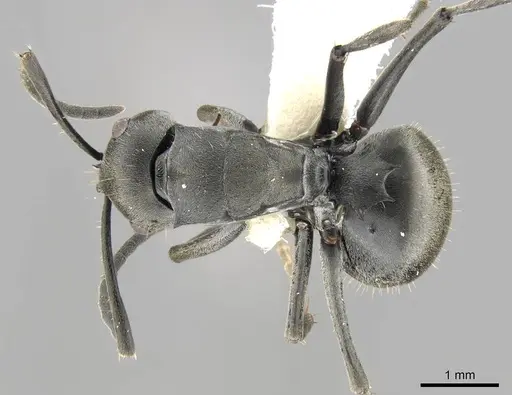
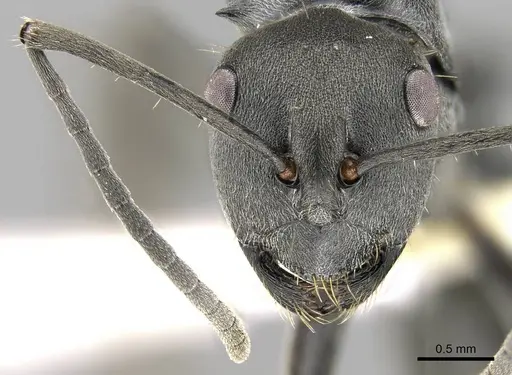
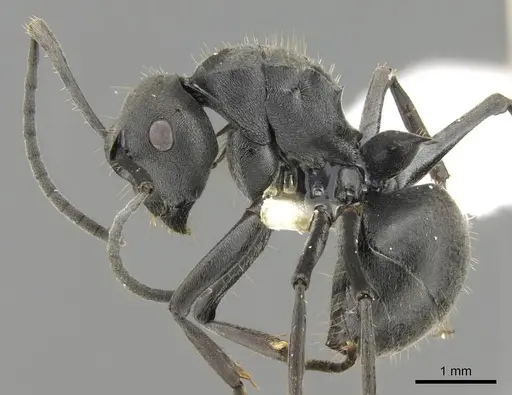
CASENT0910935
View on AntWeb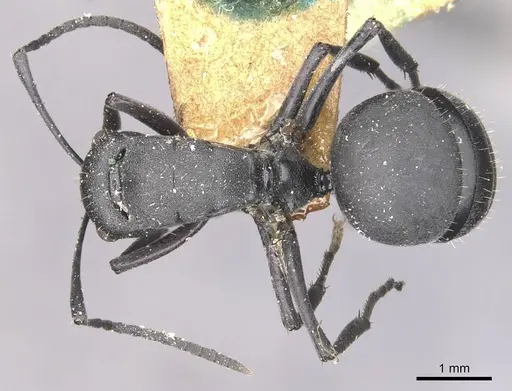
CASENT0910936
View on AntWeb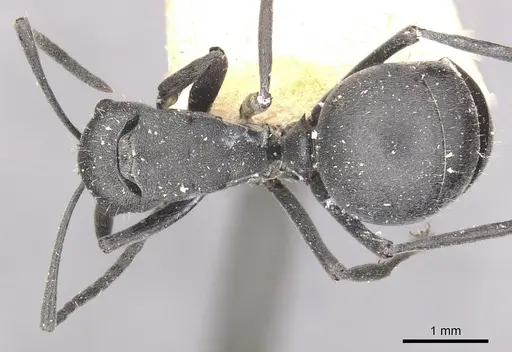
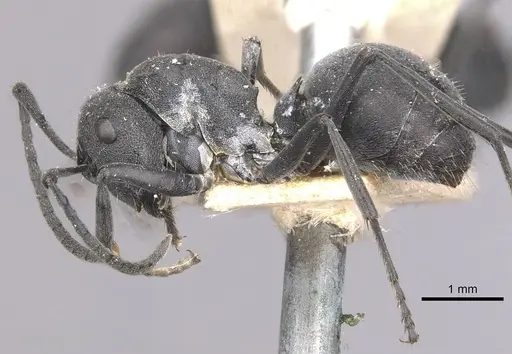
FOCOL2620
View on AntWeb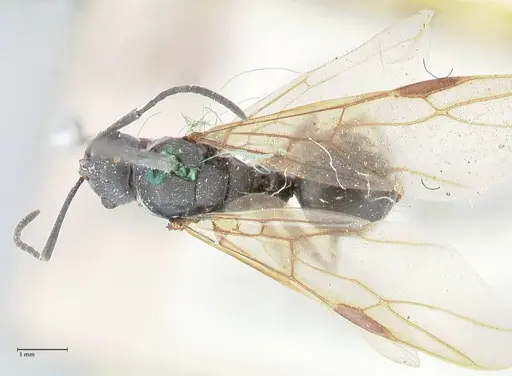
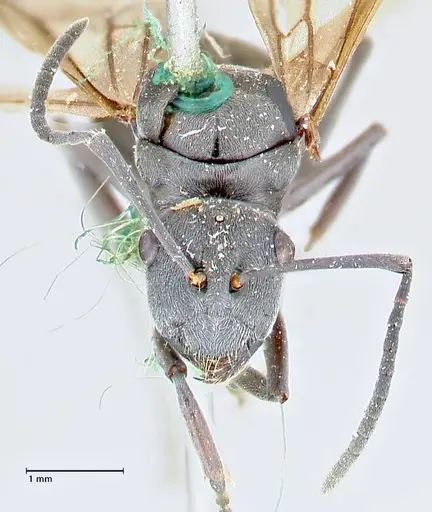
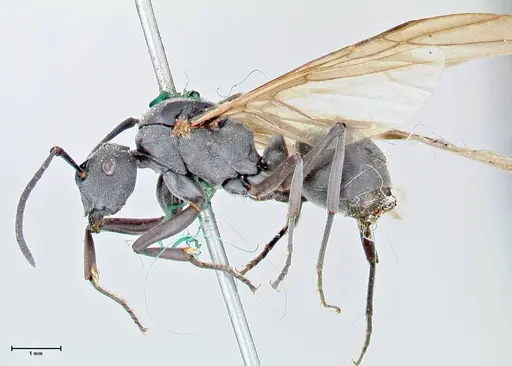
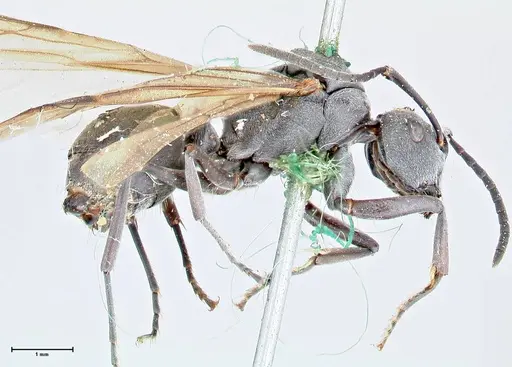
FOCOL2621
View on AntWeb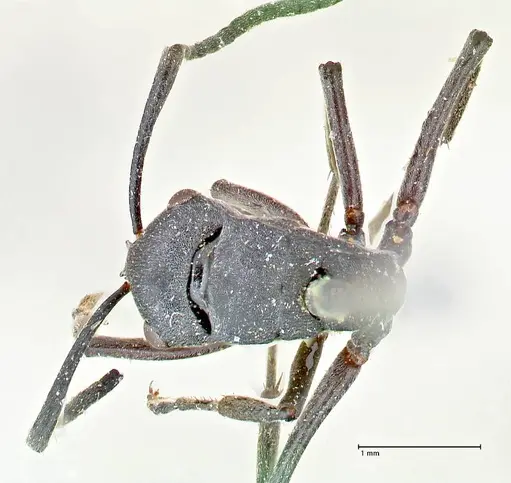
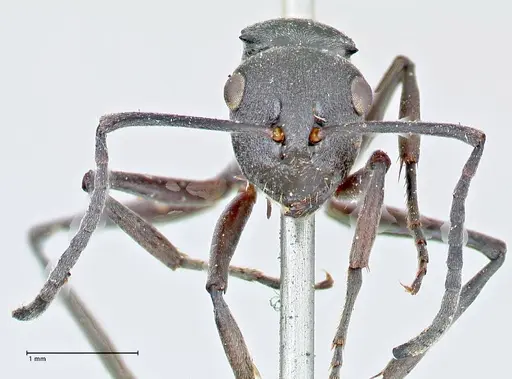
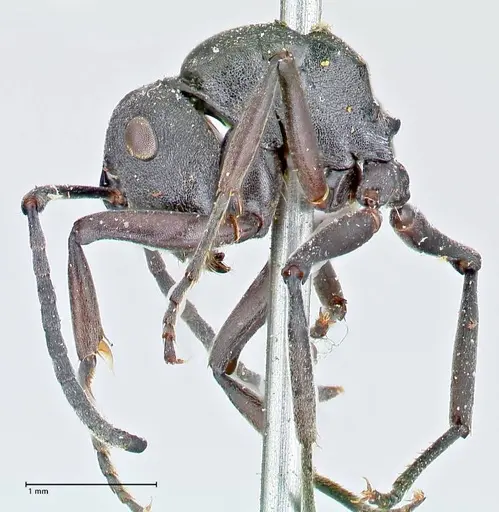
FOCOL2622
View on AntWeb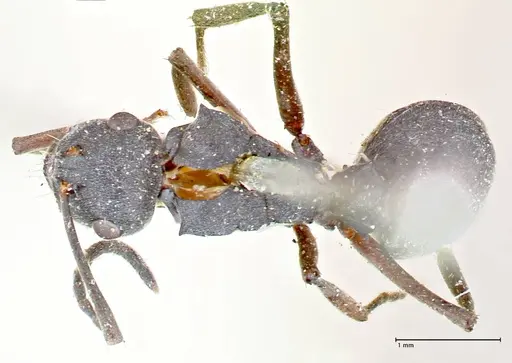
Literature
Loading...Loading products...