

Polyrhachis pruinosa
- Scientific Name
- Polyrhachis pruinosa
- Subgenus
- Myrma
- Tribe
- Camponotini
- Subfamily
- Formicinae
- Author
- Mayr, 1872
- Distribution
- Found in 1 countries
Polyrhachis pruinosa Overview
Polyrhachis pruinosa is an ant species of the genus Polyrhachis. It is primarily documented in 1 countries , including Malaysia. Detailed taxonomic data and occurrence records can be further explored via authoritative databases such as AntWeb or the Global Biodiversity Information Facility (GBIF).
Polyrhachis pruinosa
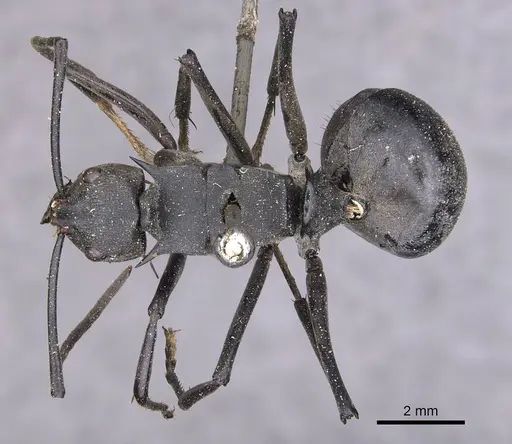
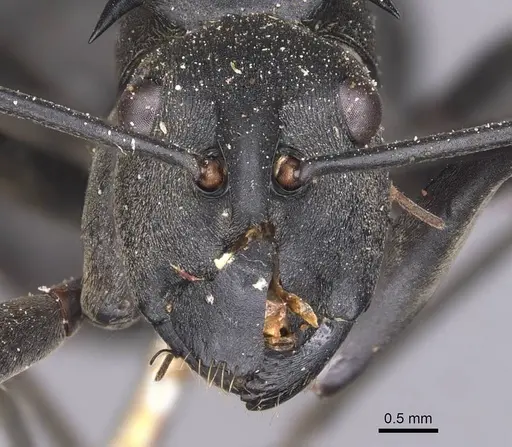
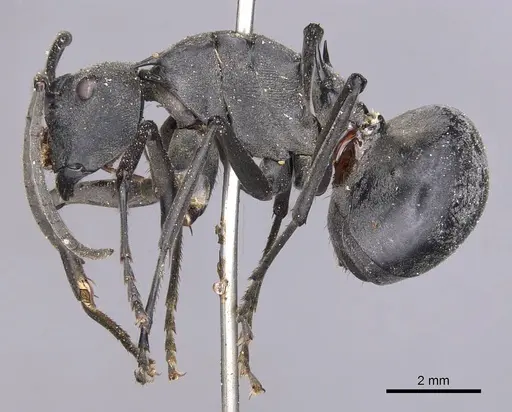
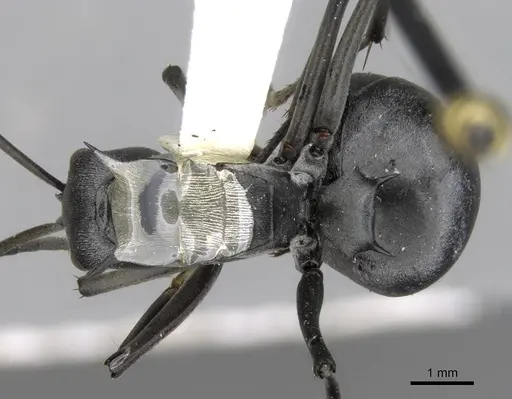
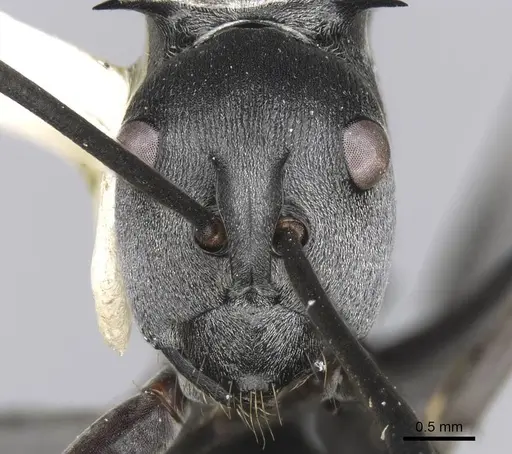
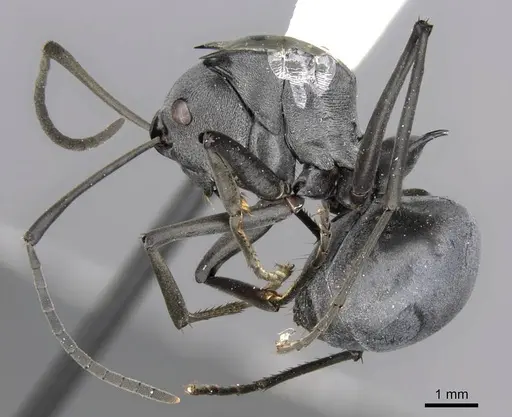
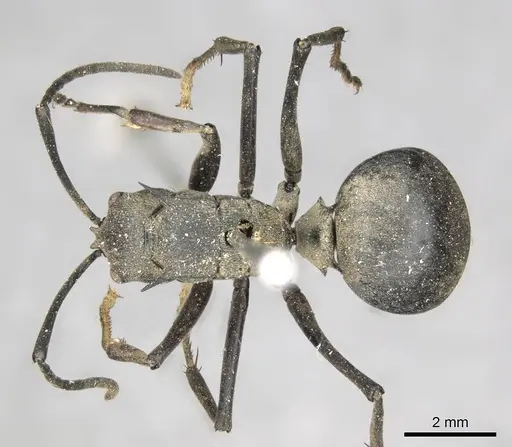
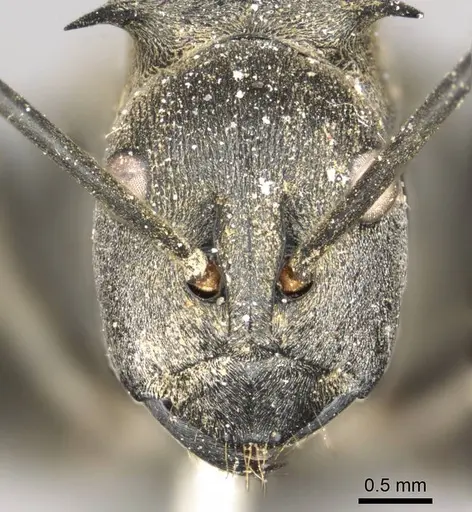
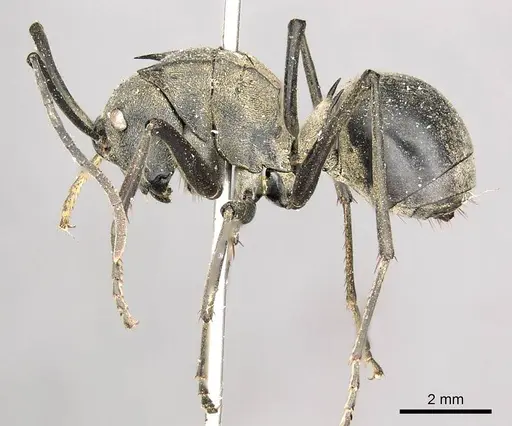
Polyrhachis pruinosa is a medium-sized ant species belonging to the subgenus Myrma, native to Southeast Asia. Workers measure around 6-8mm and feature the distinctive spiny projections (propodeal spines) typical of the genus, along with a dusty or frosted appearance that gives the species its name 'pruinosa' (meaning dusty or frosted). This species is found across Borneo, Indonesia, Malaysia, and Singapore, typically in forested areas [1].
One of the most interesting aspects of P. pruinosa is its association with carnivorous pitcher plants. While not a dedicated plant-ant like some related species, these ants are known to interact with Nepenthes pitcher plants in their range, though they are not the specialized symbiont that Colobopsis schmitzi is. The genus Polyrhachis is known for its diverse nesting habits, with many species nesting in elevated locations such as tree hollows, under bark, or in woody debris rather than in ground nests [2][3].
Quick Summary
- Difficulty: Medium
- Origin & Habitat: Native to the Indomalaya region, found throughout Borneo, Indonesia, Malaysia, and Singapore. Inhabits forested areas where it nests in elevated locations such as tree hollows, under bark, or in rotting wood [2][3][1].
- Colony Type: Likely monogyne (single queen colonies) based on typical Polyrhachis patterns, though colony structure has not been specifically documented for this species.
- Colony: Monogyne
- Founding: Claustral
- Size & Growth:
- Queen: Estimated 9-12mm based on genus patterns for Myrma subgenus species
- Worker: 6-8mm [1]
- Colony: Likely reaches several hundred workers based on typical Polyrhachis colony development
- Growth: Moderate, typical for tropical Formicinae
- Development: Estimated 6-8 weeks at tropical temperatures (25-28°C) based on related species development (Development time is estimated from related Polyrhachis species, direct observations for this specific species are unavailable)
- Antkeeping:
- Temperature: Keep at 24-28°C. As a tropical species from Southeast Asia, they need warm, stable conditions. A gentle temperature gradient allowing workers to self-regulate is beneficial [1].
- Humidity: Moderate humidity around 60-80%. Provide a moist nest area but ensure good ventilation to prevent mold. These ants are adapted to humid forest environments [1].
- Diapause: No, as a tropical species, they do not require hibernation. Keep temperatures consistent year-round [1].
- Nesting: Best kept in naturalistic setups with wood or bark pieces, or in Y-tong/plaster nests that can accommodate their moderate size. They prefer enclosed spaces with some moisture retention. Avoid completely dry setups.
- Behavior: Polyrhachis pruinosa is generally calm and not particularly aggressive, though they will defend their nest if threatened. Workers are active foragers and will search for food both on the ground and on vegetation. They have the ability to grip surfaces well, which is how some related species can even escape from carnivorous pitcher plant fluid [4]. They are moderate escape artists, use standard barrier methods but they are not as tiny as some other genera. They are primarily nectar-feeding but will also scavenge on small insects.
- Common Issues: colonies can stall if temperatures drop below 24°C, keep them warm, poor ventilation leading to mold growth in the nest, too-dry conditions causing workers to become sluggish or brood development to fail, wild-caught colonies may have parasites or be stressed from collection, limited availability in the antkeeping hobby makes established colonies harder to find
Housing and Nest Preferences
Polyrhachis pruinosa does well in naturalistic setups that mimic their natural arboreal habitat. A setup with rotting wood pieces, bark, or cork bark works excellently, these ants naturally nest in elevated locations under bark or in wood cavities. You can also use Y-tong (acrylic) nests with narrow to medium chambers, or plaster nests that hold some moisture. The key is providing an enclosed, slightly humid space that still has adequate ventilation. Avoid completely dry setups or very small test tubes, as these ants are larger than species like Temnothorax and need more space. An outworld with natural decorations like wood and plants allows them to forage naturally. [2][3][1]
Feeding and Diet
In the wild, Polyrhachis pruinosa is primarily nectarivorous, feeding on honeydew from aphids and scale insects, and nectar from flowers. They will also scavenge on small insects and arthropods for protein. In captivity, offer sugar water or honey regularly (every few days), and provide protein sources such as small crickets, mealworms, fruit flies, or other small insects once or twice weekly. They are not aggressive predators like some ant genera, so prey items should be small enough to handle. Fresh fruit can also be offered occasionally. Always remove uneaten prey after 24-48 hours to prevent mold. [1]
Temperature and Seasonal Care
As a tropical species from Southeast Asia, Polyrhachis pruinosa needs warm conditions year-round. Keep the nest area at 24-28°C (75-82°F). Temperatures below 24°C can slow colony development and cause workers to become less active. A heating cable or mat on one side of the nest can create a gentle gradient, but ensure the heating is not too intense and does not dry out the nest too quickly. Since they do not undergo diapause, maintain consistent temperatures throughout the year. Room temperature in a warm home is often suitable, but monitor during winter if your home cools down. [1]
Behavior and Colony Dynamics
Polyrhachis ants are known for their distinctive spiny appearance and generally calm temperament. Workers of P. pruinosa are active foragers that will explore both the ground and vertical surfaces. They are not particularly aggressive toward keepers but will defend their nest if disturbed. The genus is known for good grip and climbing ability, related species have even been observed escaping from carnivorous pitcher plant fluid, demonstrating their ability to navigate smooth surfaces [4]. Colonies grow moderately, with queen laying eggs continuously in warm conditions. Workers have relatively long lifespans compared to some other genera. The colony will establish a clear foraging pattern once settled.
Frequently Asked Questions
How long does it take for Polyrhachis pruinosa to produce first workers?
Expect first workers (nanitics) around 6-8 weeks after the queen lays eggs, assuming temperatures are maintained at 25-28°C. This is an estimate based on related Polyrhachis species, as specific development data for P. pruinosa is not available.
Can I keep Polyrhachis pruinosa in a test tube?
Test tubes are not ideal for this species once the colony grows beyond a small founding cluster. They prefer naturalistic setups with wood or bark, or Y-tong/plaster nests. A test tube can work for founding but transfer to a proper nest once the colony has 10-15 workers.
What temperature do Polyrhachis pruinosa need?
Keep them at 24-28°C (75-82°F). As a tropical species, they need warm conditions year-round. Avoid temperatures below 24°C as this can slow or stall colony development.
Do Polyrhachis pruinosa need hibernation?
No, they do not require hibernation. As a tropical species from Southeast Asia, they need consistent warm temperatures year-round. Do not expose them to cold temperatures or attempt to cool them down in winter.
How big do Polyrhachis pruinosa colonies get?
Based on related species, colonies likely reach several hundred workers over time. They are not among the largest Polyrhachis species but can still become substantial colonies with proper care.
What do Polyrhachis pruinosa eat?
They are primarily nectarivorous, offer sugar water or honey regularly. They also need protein from small insects like fruit flies, small crickets, or mealworms. Offer protein once or twice weekly and keep sugar sources available constantly.
Is Polyrhachis pruinosa good for beginners?
They are rated as medium difficulty. They are more forgiving than some tropical species but do require warm temperatures and proper humidity. They are not as commonly available as beginner species like Lasius or Camponotus, so established colonies may be harder to find.
Can I keep multiple queens together?
Polyrhachis pruinosa is likely monogyne (single queen). It is not recommended to combine unrelated queens, as they will likely fight. If you capture a queen, house her alone for founding.
Why is my Polyrhachis pruinosa colony not growing?
Check temperature first, they need 24-28°C. Also ensure humidity is adequate (not too dry) and that they have consistent access to sugar and protein. Poor ventilation causing mold can also stress colonies. Make sure they are not being disturbed frequently.
References

This caresheet is licensed under CC BY-SA 4.0 .
Literature
Loading...Loading products...