

Polyrhachis proxima
- Scientific Name
- Polyrhachis proxima
- Subgenus
- Myrma
- Tribe
- Camponotini
- Subfamily
- Formicinae
- Author
- Roger, 1863
- Distribution
- Found in 5 countries
Polyrhachis proxima Overview
Polyrhachis proxima is an ant species of the genus Polyrhachis. It is primarily documented in 5 countries , including China, Indonesia, Malaysia. Detailed taxonomic data and occurrence records can be further explored via authoritative databases such as AntWeb or the Global Biodiversity Information Facility (GBIF).
Polyrhachis proxima
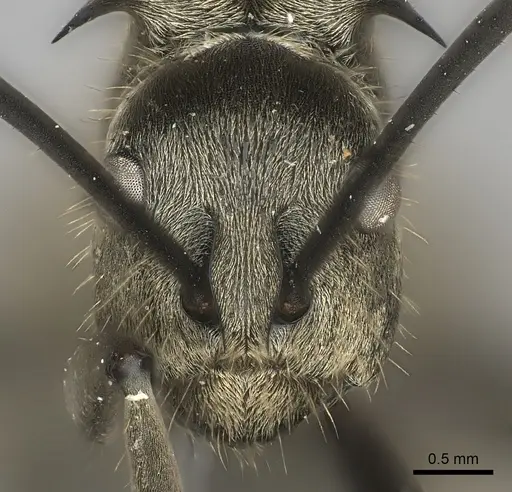
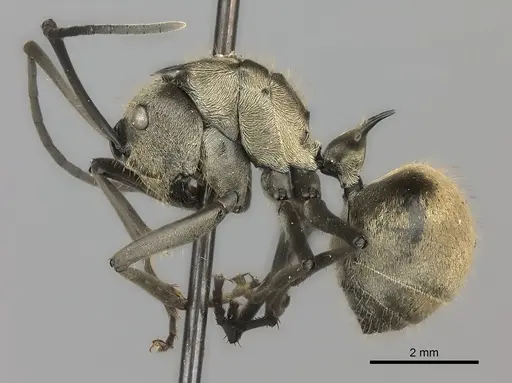
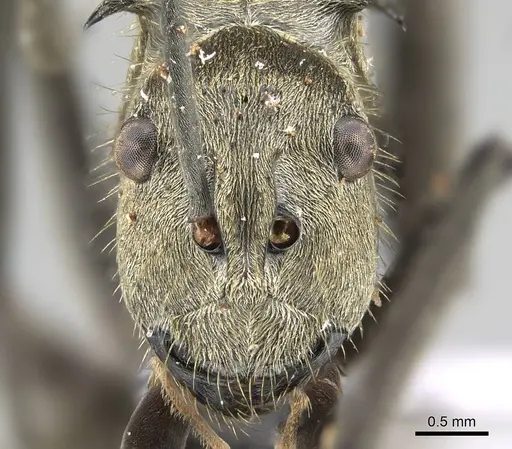
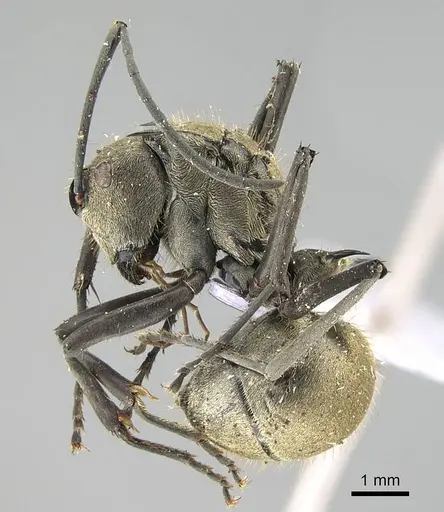
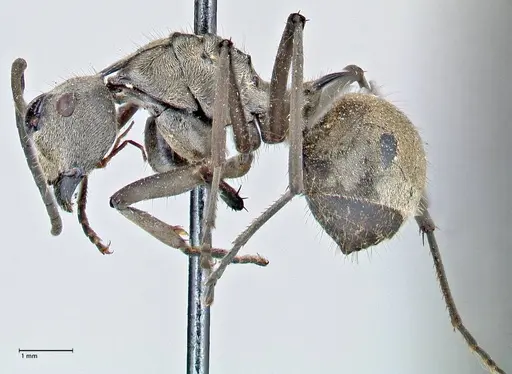
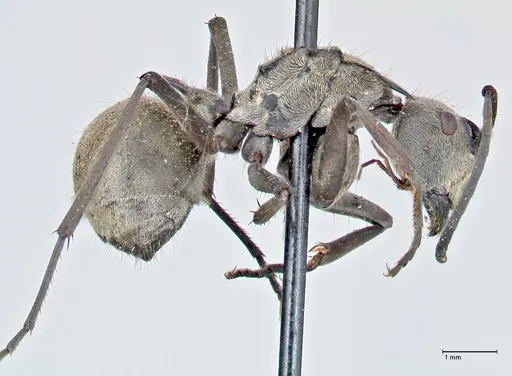
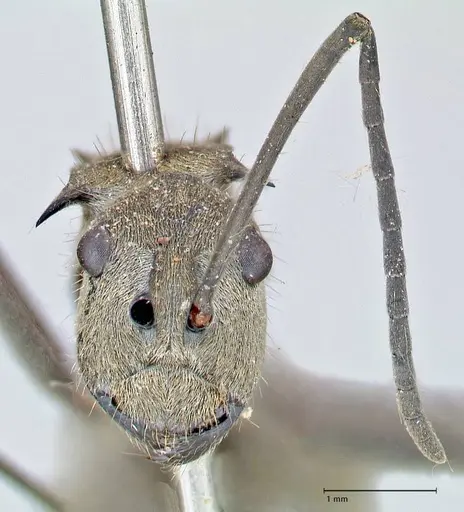
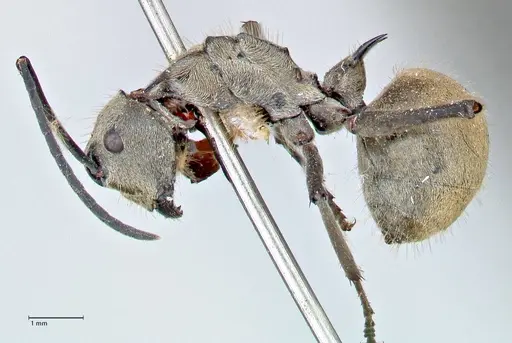
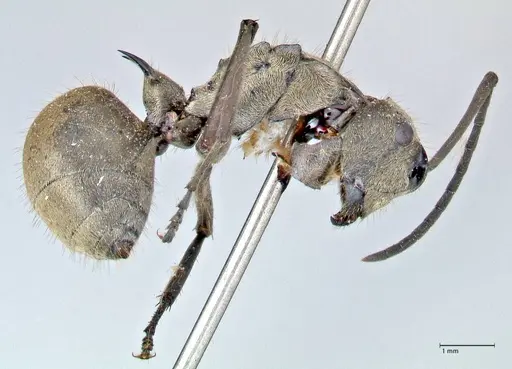
Polyrhachis proxima is a medium-sized ant belonging to the subgenus Myrma, native to Southeast Asia and southern China. Workers measure 8-9mm and are striking in appearance, completely black with dense golden shining pubescence that gives them a golden sheen. Their thorax is strongly arched, and they have distinctive lateral nodal spines on their waist. The abdomen is massive and broadly oval [1]. This species is a habitat specialist, strongly associated with rubber plantations rather than primary or secondary forests [2]. They are polydomous, meaning they nest in multiple connected locations, and colonies can have multiple queens [3][4].
Quick Summary
- Difficulty: Medium
- Origin & Habitat: Native to the Indomalaya region including Cambodia, India, Indonesia, Laos, Singapore, Sri Lanka, Thailand, Vietnam, and extends into southern China (Yunnan, Guangxi, Fujian) [5][6]. Found in mixed deciduous and dry dipterocarp forests, as well as rubber plantations [7][2].
- Colony Type: Polygynous (multiple queens per colony) and polydomous (multiple connected nests) [3][4]. Colonies can have multiple queens working together, and they maintain several nest sites.
- Colony: Optionally polygyne
- Founding: Claustral
- Size & Growth:
- Queen: Unconfirmed, related species in the subgenus Myrma typically range 10-14mm
- Worker: 8-9mm [1]
- Colony: Likely moderate to large based on polygynous structure, estimated several hundred workers
- Growth: Moderate, based on typical Polyrhachis development patterns
- Development: Estimated 8-12 weeks at optimal temperature (around 24-28°C) based on typical Formicinae development (Development time inferred from genus-level patterns, pupal cocoons are present [3])
- Antkeeping:
- Temperature: Keep at 24-28°C. This is a tropical species from Southeast Asia, so warmth is important. A gentle gradient with a heating cable on one side works well.
- Humidity: Moderate to high humidity (60-80%). They naturally occur in tropical forests and rubber plantations, so keep the nest substrate moist but not waterlogged.
- Diapause: No, this is a tropical species that does not require hibernation. Maintain warm temperatures year-round.
- Nesting: Naturally nests both subterranean and in tree trunks [7]. In captivity, they do well in Y-tong (AAC) nests or naturalistic setups with soil substrate. They are polydomous, so providing multiple connected chambers or allowing them to expand into additional space is beneficial.
- Behavior: Workers are active foragers that use tandem running to recruit nestmates to food sources [8]. They collect honeydew and dead insects [8]. They are not particularly aggressive but will defend their nest. Workers are medium-sized (8-9mm) so escape prevention should be moderate, they are not tiny but can squeeze through small gaps. They are often found in urban green areas in Thailand [9].
- Common Issues: tropical species requires warm temperatures year-round, cold drafts can be fatal, polydomous nesting means they may need more space than typical single-nest species, habitat specialist may have specific substrate preferences, they prefer soil and plant material, can be attacked by army ants (Aenictus) in the wild, keep colony secure from other insects, zombie ant fungus (Ophiocordyceps) can parasitize this species in nature, rare in captivity but worth monitoring [10]
Housing and Nest Setup
Polyrhachis proxima is adaptable and can be kept in various setups. In the wild, they nest both underground and in tree trunks [7], so a naturalistic setup with a soil chamber works well. Y-tong (AAC) nests are also suitable, especially if you provide a moisture reservoir. Since they are polydomous (maintain multiple connected nests) [3], consider giving them extra space or allowing expansion into additional formicarium sections. A nest depth of 10-15mm with chambers sized appropriately for 8-9mm workers is ideal. They do well with moderate humidity (60-80%) and will use both the moist areas and drier spots within the nest for temperature regulation.
Feeding and Diet
Like most Polyrhachis species, P. proxima is omnivorous with a preference for sweet liquids and protein. Workers collect honeydew from aphids and scale insects in nature [8], so offering sugar water or honey water regularly is appreciated. They also scavenge dead insects [8], so provide protein sources like mealworms, small crickets, or other feeder insects 2-3 times per week. They are not particularly aggressive hunters, so prey should be small enough to handle or already dead. Fresh fruit can also be offered occasionally. Remove uneaten prey after 24-48 hours to prevent mold.
Temperature and Seasonal Care
This is a tropical species native to Southeast Asia, so warm temperatures are essential. Keep the nest area at 24-28°C year-round. Unlike temperate species, they do not require diapause (winter hibernation). A heating cable on one side of the nest creates a gentle temperature gradient that allows ants to regulate their own temperature by moving between chambers. Avoid placing the nest near air conditioning vents or cold windows. Room temperature in most homes (20-24°C) may be slightly cool, consider using a small heat mat or placing the nest in a warmer room. Signs of being too cold include workers clustering together and reduced activity. [2][9]
Colony Structure and Behavior
Polyrhachis proxima is polygynous, meaning colonies naturally have multiple queens working together [3]. This is unusual compared to many ant species and means you won't have queen conflicts. They are also polydomous, maintaining multiple connected nest sites rather than a single nest [3][4]. Workers communicate through tandem running, where one worker leads another directly to a food source [8]. This is an efficient recruitment method. Colonies can be moderate to large in size. The species is not particularly aggressive but will defend against threats. Workers are medium-sized (8-9mm) so they are not extreme escape artists, but standard escape prevention (fluon on test tube rims, tight-fitting lids) is still recommended.
Growth and Development
Workers are 8-9mm in size [1]. The species produces cocoons for their pupae [3], which is typical for the subgenus Myrma. Development from egg to worker likely takes 8-12 weeks at optimal temperature (around 26°C), based on typical Formicinae development patterns. First workers (nanitics) will be slightly smaller than mature workers. As the colony grows, expect worker size to increase. Since colonies are polygynous, growth can be relatively fast initially due to multiple egg-layers. However, overall colony growth is moderate, these are not fast-growing species like some tropical Pheidole.
Field Observations and Ecology
In the wild, Polyrhachis proxima shows interesting ecological patterns. It is a habitat specialist strongly associated with rubber plantations rather than primary or secondary forests [2]. This makes it somewhat unique among ants, it has adapted to the plantation environment. In Thailand, it shows 15% frequency of occurrence across urban habitats, particularly in green areas (43% in green areas vs 0% in residential/commercial areas) [9]. This suggests they prefer areas with some vegetation cover. They have been recorded at various elevations and are attacked by army ants (Aenictus) in the wild [6]. They can also be parasitized by the zombie ant fungus Ophiocordyceps unilateralis [10], though this is rare in captivity.
Frequently Asked Questions
How long does it take for Polyrhachis proxima to get their first workers?
Based on typical Formicinae development, expect 8-12 weeks from egg to first worker at optimal temperature (around 26°C). This is an estimate since specific development data for this species is not available. Provide warm, stable temperatures to support fastest development.
Do Polyrhachis proxima ants need hibernation?
No, this is a tropical species from Southeast Asia and does not require hibernation or diapause. Keep them warm year-round at 24-28°C. Cold temperatures can slow their development and may even be fatal.
Can I keep multiple queens together in Polyrhachis proxima?
Yes, this species is naturally polygynous, meaning colonies have multiple queens working together [3]. Unlike many ant species where multiple queens will fight, P. proxima colonies naturally accommodate multiple egg-layers. You do not need to separate queens.
What do Polyrhachis proxima ants eat?
They are omnivorous. Offer sugar water or honey water as a constant energy source. For protein, provide small feeder insects like mealworms or small crickets 2-3 times per week. They also scavenge dead insects in nature [8]. Remove uneaten food after 24-48 hours.
Are Polyrhachis proxima good for beginners?
This species is rated Medium difficulty. They are more challenging than common beginner species like Lasius or Messor but not as difficult as some exotic ants. They require warm tropical temperatures year-round and do not tolerate cold. Their polygynous colony structure is actually helpful for beginners since you don't need to worry about queen conflicts. They are moderate in size and relatively calm.
How big do Polyrhachis proxima colonies get?
Colony size is estimated at several hundred workers based on their polygynous structure and related species. Since they are polydomous (maintain multiple nests), they can expand significantly if given space. They are not among the largest Polyrhachis species but can still reach substantial colony sizes.
Why are my Polyrhachis proxima dying?
The most common causes are: cold temperatures (tropical species, keep at 24-28°C), too dry conditions (they prefer moderate humidity), or poor nutrition. Also check for escape prevention issues, while not tiny, they can still escape through small gaps. If newly collected from the wild, they may have parasites. Ensure you are providing both sugar and protein foods.
References

This caresheet is licensed under CC BY-SA 4.0 .
CASENT0217791
View on AntWeb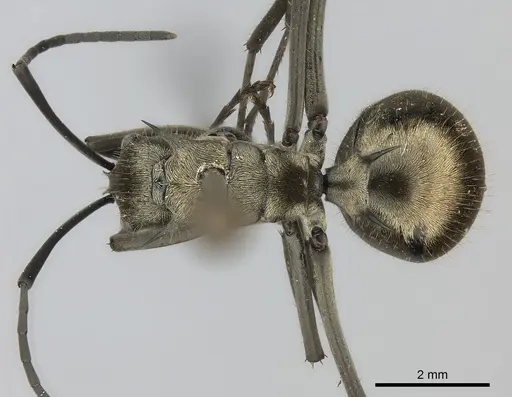
CASENT0919885
View on AntWeb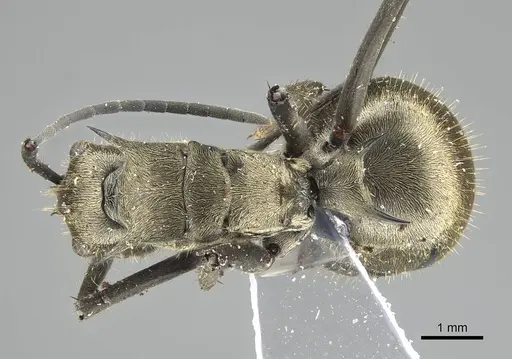
FOCOL2624
View on AntWeb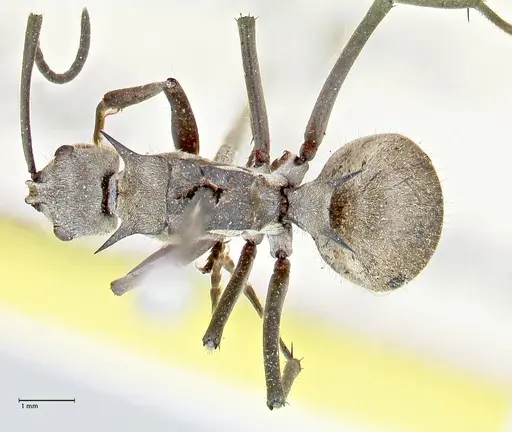
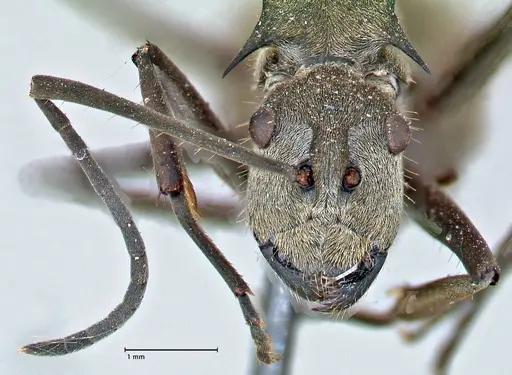
FOCOL2625
View on AntWeb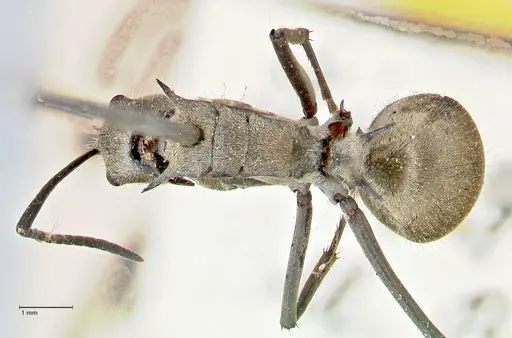
Literature
Loading...Loading products...