

Polyrhachis prometheus
- Scientific Name
- Polyrhachis prometheus
- Subgenus
- Campomyrma
- Tribe
- Camponotini
- Subfamily
- Formicinae
- Author
- Santschi, 1920
- Distribution
- Found in 1 countries
Polyrhachis prometheus Overview
Polyrhachis prometheus is an ant species of the genus Polyrhachis. It is primarily documented in 1 countries , including Australia. Detailed taxonomic data and occurrence records can be further explored via authoritative databases such as AntWeb or the Global Biodiversity Information Facility (GBIF).
Polyrhachis prometheus
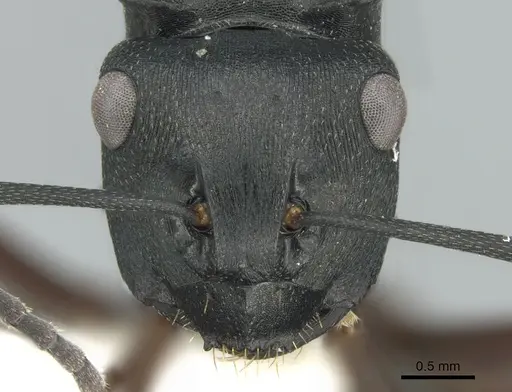
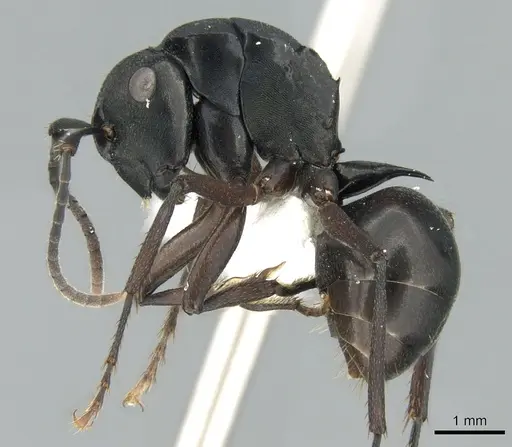
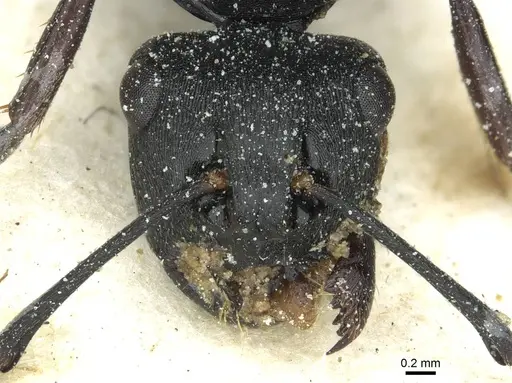
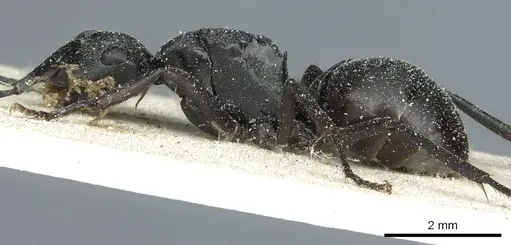
Polyrhachis prometheus is a large, striking ant species native to northern Australia. Workers measure 7-9mm with a distinctive dark brown to black coloration and remarkably long, slender spines protruding from the petiole (the narrow waist section). The species belongs to the micans species-group within the subgenus Campomyrma, characterized by a narrow, parallel-sided propodeal dorsum and elongated dorsal petiolar spines that make them easily recognizable. Queens are even larger at 9.5-10mm and share the same spiny appearance. This species has the widest distribution of any micans-group species, ranging from the Pilbara and Kimberley regions of Western Australia across the Northern Territory to Queensland as far south as Gladstone [1].
Quick Summary
- Difficulty: Medium
- Origin & Habitat: Northern Australia including Western Australia (Pilbara, Kimberley), Northern Territory, and Queensland. Found in tropical to subtropical monsoonal regions with subterranean nesting habits [2][3].
- Colony Type: Colony structure is unconfirmed for this specific species. Based on typical Polyrhachis patterns, likely single-queen colonies.
- Size & Growth:
- Queen: 9.52-9.98 mm [1]
- Worker: 7.46-9.02 mm [1]
- Colony: Unknown, no specific colony size data available
- Growth: Moderate, inferred from typical Polyrhachis development patterns
- Development: Estimated 6-10 weeks based on related Polyrhachis species development (Pupal cocoons are present in this species [2][3]. Direct development data for P. prometheus is unavailable.)
- Antkeeping:
- Temperature: Keep at 24-28°C. Based on Australian tropical/subtropical distribution, they prefer warm conditions. A gentle gradient allowing workers to self-regulate is beneficial.
- Humidity: Moderate humidity around 50-70%. As subterranean nesters, they appreciate some moisture but avoid waterlogging. Provide a water tube and allow the nest to partially dry between rehydrations.
- Diapause: Minimal to none required. Being from tropical northern Australia, they do not experience harsh winters. A slight reduction in temperature during cooler months may be beneficial but true hibernation is not necessary.
- Nesting: Subterranean nesting species. In captivity, they do well in Y-tong (AAC) nests, plaster nests, or naturalistic setups with deep soil substrate. Provide deep chambers as they naturally nest underground [2].
- Behavior: Generally calm and non-aggressive compared to some other Formicinae. Workers are active foragers but not particularly defensive. They have a moderate escape risk due to their size, standard barrier methods like fluon on test tube rims work well. They are primarily omnivorous, foraging for nectar, honeydew, and small insects. The long spines serve as a defensive adaptation, making them harder for predators to handle.
- Common Issues: colonies may be slow to establish, patience is required during founding phase, subterranean nesting means they need deeper nest chambers than surface-nesting species, wild-caught colonies may have parasites or diseases that cause colony failure, limited availability makes this species harder to acquire, temperature drops below 20°C may slow or stop brood development
Housing and Nest Setup
Polyrhachis prometheus is a subterranean nester, meaning they naturally dig and live in underground chambers. In captivity, they adapt well to several nest types. Y-tong (acrylic) nests work excellently because they provide dark, enclosed chambers that mimic underground conditions. Plaster nests are another good option as they allow you to control humidity levels. For a naturalistic approach, use a deep soil-filled setup of at least 5-10cm depth to allow them to dig their own tunnels. Regardless of nest type, ensure there are multiple chambers connected by tunnels, these ants like to organize their colony with separate areas for the queen, brood, and food storage. The outworld (foraging area) should be simple and easy to clean, with a water tube for drinking [2][3].
Feeding and Diet
Like most Polyrhachis species, P. prometheus is omnivorous. In the wild, they forage for nectar, honeydew from sap-sucking insects, and small invertebrates. In captivity, offer a varied diet including sugar water or honey as an energy source, and protein sources like small crickets, mealworms, or other insects. They typically accept both liquid and solid foods. Feed protein 2-3 times per week, and keep sugar water or honey available at all times. Remove uneaten prey after 24-48 hours to prevent mold. Fresh water should always be accessible. While not confirmed for this specific species, Polyrhachis generally have moderate food requirements and are not particularly voracious eaters compared to some predatory ants.
Temperature and Heating
Being from tropical northern Australia, these ants prefer warm conditions. Maintain temperatures between 24-28°C for optimal brood development. They can tolerate temperatures a few degrees higher or lower, but growth will slow outside this range. A heating cable or heat mat on one side of the nest creates a temperature gradient, allowing workers to move between warmer and cooler areas as needed. Place the heating on top of the nest, not underneath, to prevent excessive drying. Room temperature around 24°C is often suitable without additional heating. Avoid temperatures below 20°C for extended periods as this can stress the colony and halt brood development.
Humidity and Water
As subterranean nesters, they prefer moderate humidity levels around 50-70%. The nest substrate should be damp but never waterlogged, think of the moisture level in forest soil rather than a soaked sponge. Provide a water tube in the outworld for drinking access. In acrylic or plaster nests, you can control humidity by adding water to a hydration chamber or misting the nest material lightly. Monitor for condensation, a little is good, but excessive moisture leads to mold problems. Allow the nest to partially dry between waterings rather than keeping it constantly wet. The outworld should remain relatively dry.
Seasonal Care and Activity Patterns
In their native range across northern Australia, these ants experience a tropical climate with distinct wet and dry seasons rather than cold winters. In captivity, they do not require true hibernation or diapause. During the cooler winter months in temperate regions, you may notice reduced activity and slower brood development, which is normal. Simply maintain slightly lower temperatures (around 20-22°C) during this period rather than forcing a full dormancy. The wet season in their natural habitat brings increased rainfall, you can simulate this by slightly increasing humidity during summer months. Their activity level remains relatively steady year-round given adequate warmth.
Behavior and Colony Dynamics
Polyrhachis prometheus workers are active foragers but generally calm in temperament. The long spines on the petiole serve as a primary defense mechanism, making them appear larger and more difficult for predators to handle. Unlike some aggressive ant species, they are not particularly defensive and rarely bite unless directly threatened. Colonies grow gradually, expect several months for a founding queen to produce her first nanitic workers, then steady growth over the first year or two. Workers have decent longevity compared to many ant species, which helps colony stability. The presence of pupal cocoons [2] means the brood is well-protected during development. Queens are physogastric (abdomen swells with eggs) during peak laying periods.
Frequently Asked Questions
How long does it take for Polyrhachis prometheus to produce first workers?
Expect 6-10 weeks from egg to first worker under optimal conditions (24-28°C). Founding queens may take longer as they are claustral (seal themselves in) and raise the first brood alone without foraging. Patience is essential, some colonies take 2-3 months before the first workers emerge.
Can I keep multiple Polyrhachis prometheus queens together?
Not recommended without documented evidence of pleometrosis (multiple queen founding) for this species. Most Polyrhachis are monogyne (single queen). If you acquire multiple foundress queens, house them separately to prevent fighting and colony loss.
What size colony does Polyrhachis prometheus reach?
Colony size data is not published for this species. Based on related Polyrhachis species, expect moderate colony sizes of several hundred workers at maturity over 2-3 years. They are not known for reaching supercolony sizes.
Are Polyrhachis prometheus good for beginners?
This is a medium-difficulty species. While not as challenging as some exotic species, they require warm temperatures and proper nesting setup (subterranean habits). Beginners should have experience with basic ant keeping before attempting this species.
Do Polyrhachis prometheus need hibernation?
No. Being from tropical northern Australia, they do not require true hibernation. A slight temperature reduction during winter months (around 20-22°C) is acceptable but not mandatory.
Why is my Polyrhachis prometheus colony dying?
Common causes include: temperatures below 20°C, excessive humidity causing mold, improper feeding, or stress from excessive disturbance. Wild-caught colonies may also carry parasites. Review temperature, humidity, and feeding before assuming disease.
How often should I feed Polyrhachis prometheus?
Offer protein (insects) 2-3 times per week. Keep sugar water or honey available at all times. Remove uneaten prey after 24-48 hours. Adjust based on colony size, larger colonies eat more, but avoid overfeeding.
References

This caresheet is licensed under CC BY-SA 4.0 .
CASENT0906566
View on AntWeb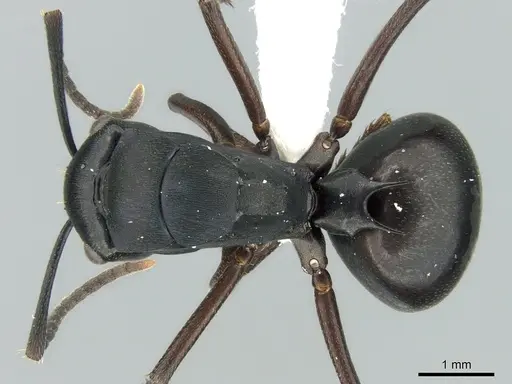
CASENT0912094
View on AntWeb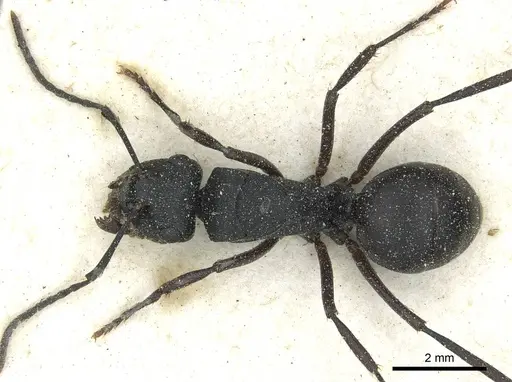
Literature
Loading...Loading products...