

Polyrhachis pilosa
- Scientific Name
- Polyrhachis pilosa
- Subgenus
- Cyrtomyrma
- Tribe
- Camponotini
- Subfamily
- Formicinae
- Author
- Donisthorpe, 1938
- Distribution
- Found in 1 countries
Polyrhachis pilosa Overview
Polyrhachis pilosa is an ant species of the genus Polyrhachis. It is primarily documented in 1 countries , including Australia. Detailed taxonomic data and occurrence records can be further explored via authoritative databases such as AntWeb or the Global Biodiversity Information Facility (GBIF).
Polyrhachis pilosa
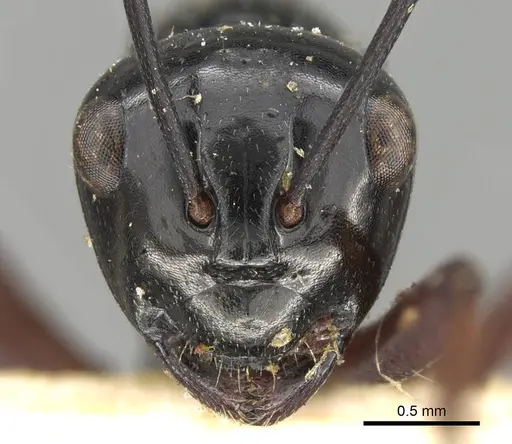
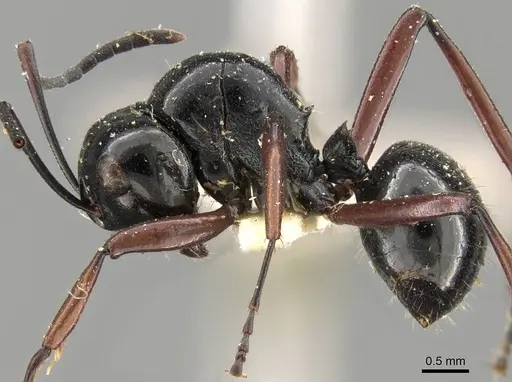
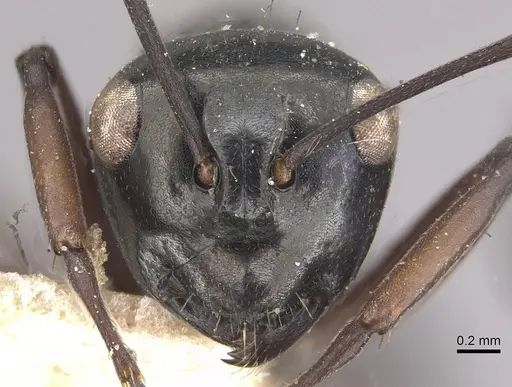
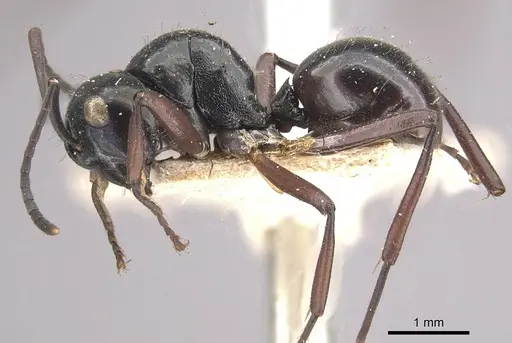
Polyrhachis pilosa is a medium-sized arboreal ant native to eastern Australia, recognizable by its distinctive covering of long, erect hairs on the head and mesosoma. Workers measure around 6-8mm and feature an evenly convex mesosomal dorsum and subequal petiolar spines, with the propodeum completely unarmed. These ants are weaver ants that construct silk nests by weaving larval silk between leaves and branches, though they notably lack pupal cocoons [1][2].
What makes P. pilosa particularly interesting for antkeepers is its adaptability, in recent years, these ants have become increasingly common in suburban parks and gardens, nesting not only between leaves but also in various artificial cavities around houses, including door and window frames. This suggests they're more flexible in their nesting requirements than many other arboreal species, potentially making them more approachable for captive care.
Quick Summary
- Difficulty: Medium
- Origin & Habitat: Eastern Australia, from around Townsville in Queensland south to Taree in northern New South Wales. Found in rainforests and forested areas at elevations ranging from 200m to over 1200m asl[3].
- Colony Type: Colony structure is not well-documented in scientific literature. Based on typical Polyrhachis patterns, likely monogyne (single queen) colonies, though this requires confirmation for this specific species.
- Founding: Claustral
- Size & Growth:
- Queen: Estimated 8-10mm based on genus patterns
- Worker: 6-8mm
- Colony: Likely several hundred workers based on related Polyrhachis species
- Growth: Moderate, estimated based on typical Formicinae development
- Development: Estimated 6-8 weeks at optimal temperature based on genus patterns (Development time is inferred from related Formicinae species, specific data for P. pilosa is unavailable)
- Antkeeping:
- Temperature: Keep at 24-28°C, mimicking their subtropical to tropical Australian habitat. A gentle gradient allowing warmer and cooler areas is recommended.
- Humidity: Moderate to high humidity (60-80%). As arboreal nesters, they benefit from moisture but require good ventilation to prevent mold in silk structures.
- Diapause: Likely a mild winter slowdown period given their Australian distribution, though specific diapause requirements are unconfirmed. Consider reducing temperatures slightly during winter months.
- Nesting: Arboreal nesters that weave silk between leaves and branches. In captivity, they do well in naturalistic setups with live plants or artificial structures they can weave between. Y-tong nests with added plant material or flexible tubing systems also work well. Avoid fully enclosed nests without climbing opportunities.
- Behavior: Generally calm and non-aggressive compared to many weaver ant species. Workers are active foragers that readily explore vertical spaces. They have a moderate escape risk due to their size, standard barrier methods like fluon on smooth surfaces work well. As weaver ants, they spend significant time constructing and maintaining silk structures, which is fascinating to observe.
- Common Issues: silk nest collapse, their woven nests are delicate and can be damaged by disturbance or poor humidity, mold growth in nest structures, requires good ventilation while maintaining humidity, escape through small gaps, despite medium size, they can squeeze through surprisingly small openings, stress from colony relocation, arboreal species can be sensitive to nest changes, overheating risk, being from shaded forest habitats, direct heat sources can be harmful
Housing and Nest Setup
Polyrhachis pilosa requires an arboreal setup that allows for vertical nesting and weaving behavior. Unlike ground-nesting ants, they need access to branches, leaves, or other structures they can connect with silk. A naturalistic vivarium with live plants works exceptionally well, you can watch them weave leaves together to form nests. Alternatively, a Y-tong nest connected to an outworld with climbing branches or cork bark pieces provides a good balance of observation and natural behavior.
The outworld should include plenty of vertical climbing surfaces since these ants naturally forage and nest upward. Live plants like pothos or ferns give them natural weaving substrates. Keep the nest area humid but ensure good air circulation to prevent mold from damaging their silk structures. A water reservoir in the formicarium helps maintain humidity without over-wetting. [1][3]
Feeding and Diet
Like most Polyrhachis species, P. pilosa is omnivorous with a preference for protein-rich foods. Offer them small insects like fruit flies, pinhead crickets, and mealworms. They also readily accept sugar sources, a small dish of sugar water or honey diluted with water works well. In a naturalistic setup, they may tend aphids for honeydew if plants are present.
Feed protein foods 2-3 times per week, and keep a sugar source available at all times. Remove uneaten prey after 24-48 hours to prevent mold. These ants are moderate feeders, they won't clear large quantities quickly, so adjust portions based on what they consume. Fresh water should always be available.
Temperature and Heating
Maintain temperatures between 24-28°C for optimal colony health and development. This species comes from eastern Australia's subtropical to tropical regions, so they prefer warmth but not extreme heat. Room temperature in most homes (around 22-24°C) is acceptable, but you may need a small heating cable or mat on one side of the nest to reach optimal range.
Place heating on top of the nest rather than underneath to avoid drying out the silk structures. Create a temperature gradient so ants can self-regulate by moving between warmer and cooler areas. Avoid direct strong lighting that could overheat the enclosure, these ants naturally live in shaded forest canopies. [3]
Weaving Behavior and Colony Maintenance
The most fascinating aspect of keeping P. pilosa is observing their weaving behavior. Workers use larval silk to bind leaves, twigs, or other materials together to create protective nest chambers. This behavior is absent in many common ant species, making it a unique experience for antkeepers.
To encourage weaving, provide multiple small leaves or pieces of moss in the nest area. The ants will gradually connect these with silk. Avoid disturbing newly constructed nests too often, as this causes stress and may lead them to abandon the structure. A calm environment with minimal vibration allows them to build extensive silk networks. Watching them coordinate leaf positioning during nest construction is genuinely rewarding. [1][2]
Seasonal Care and Winter Period
While specific diapause requirements are unconfirmed for P. pilosa, their Australian distribution suggests they benefit from a mild winter slowdown period. During Australian winter (roughly June-August in the southern hemisphere), reduce temperatures to around 18-20°C and reduce feeding frequency. The colony won't become completely dormant but will show reduced activity.
Do not cool them dramatically, they're not adapted to harsh winters. A simple reduction to room temperature during winter months is typically sufficient. Continue providing minimal food and water during this period. Resume normal temperatures and feeding in spring as activity increases. [3]
Frequently Asked Questions
Can I keep Polyrhachis pilosa in a test tube?
Test tubes are not ideal for P. pilosa because they're arboreal weaver ants that need vertical space and materials to weave. A test tube limits their natural weaving behavior. Instead, use a naturalistic setup with plants or a Y-tong nest with climbing structures.
How long until first workers in Polyrhachis pilosa?
Based on typical Formicinae development, expect first workers (nanitics) around 6-8 weeks after the queen lays eggs, assuming temperatures around 26°C. Specific development data for this species is unavailable, so monitor your colony and adjust conditions if development seems stalled.
Are Polyrhachis pilosa good for beginners?
P. pilosa is rated as medium difficulty. While they're more adaptable than some arboreal species (they'll nest in artificial cavities), their weaving behavior requires a more complex setup than simple ground-nesting ants. They're better suited for keepers with some experience who can provide the vertical, naturalistic enclosure they need.
What do Polyrhachis pilosa eat?
They're omnivorous, preferring protein-rich foods like small insects (fruit flies, pinhead crickets, mealworms) and sugar sources (honey water, sugar water). Feed protein 2-3 times weekly with constant access to sugar water.
When should I move Polyrhachis pilosa to a formicarium?
Move them when the colony reaches around 30-50 workers and you've established a proper arboreal setup. They do best in naturalistic vivariums rather than traditional formicariums. Ensure the new setup has suitable weaving materials before transferring.
Do Polyrhachis pilosa need hibernation?
They likely need a mild winter slowdown period rather than true hibernation. Reduce temperatures to 18-20°C during winter months and reduce feeding. Avoid dramatic cooling, they're from subtropical Australia and not adapted to harsh winters.
Why is my Polyrhachis pilosa colony not weaving?
Weaving requires appropriate materials (leaves, moss, twigs) and calm conditions. Ensure the colony has multiple small leaves or similar materials to work with, maintain humidity above 60%, and minimize disturbance. New colonies may take time to establish weaving behavior.
Can I keep multiple queens together?
Colony structure is unconfirmed for this species. Based on typical Polyrhachis patterns, they're likely monogyne (single queen). Combining unrelated queens is not recommended without documented evidence that they accept multiple foundresses.
How big do Polyrhachis pilosa colonies get?
Based on related species, colonies likely reach several hundred workers. Specific colony size data is unavailable for P. pilosa. With proper care, expect moderate growth over 1-2 years to a established colony size.
References

This caresheet is licensed under CC BY-SA 4.0 .
CASENT0906790
View on AntWeb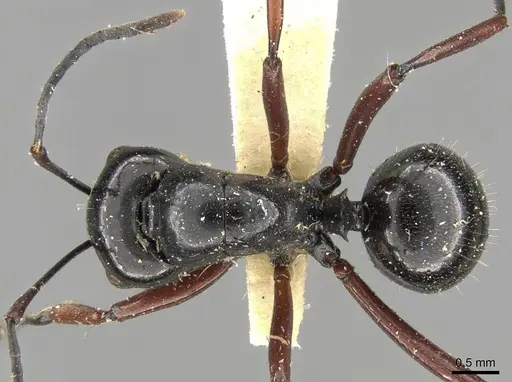
CASENT0910964
View on AntWeb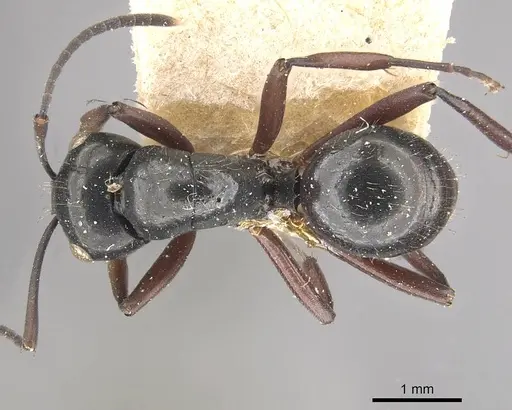
Literature
Loading...Loading products...