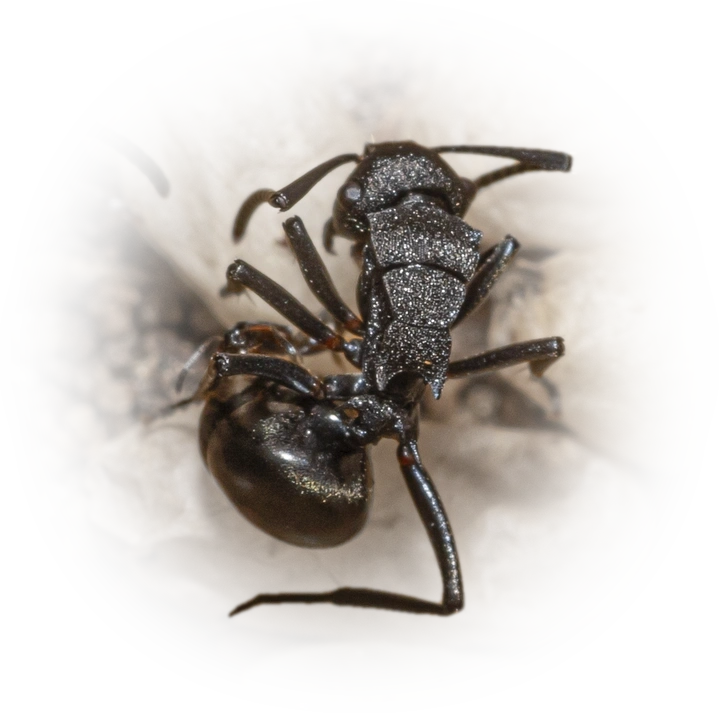

Polyrhachis phryne
- Scientific Name
- Polyrhachis phryne
- Subgenus
- Campomyrma
- Tribe
- Camponotini
- Subfamily
- Formicinae
- Author
- Forel, 1907
- Distribution
- Found in 1 countries
Polyrhachis phryne Overview
Polyrhachis phryne is an ant species of the genus Polyrhachis. It is primarily documented in 1 countries , including Australia. Detailed taxonomic data and occurrence records can be further explored via authoritative databases such as AntWeb or the Global Biodiversity Information Facility (GBIF).
Polyrhachis phryne
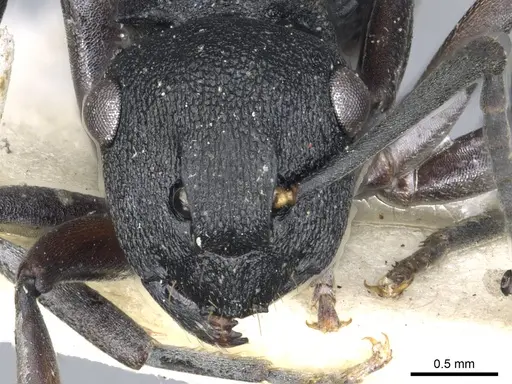
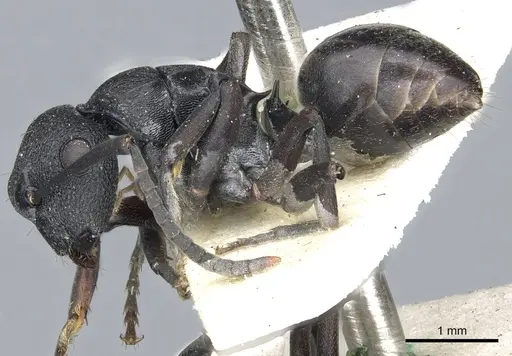
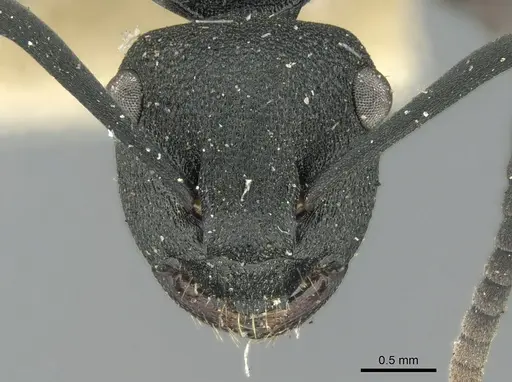
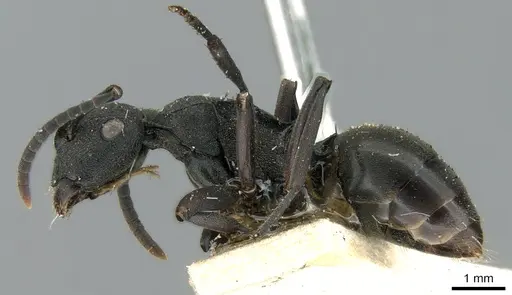
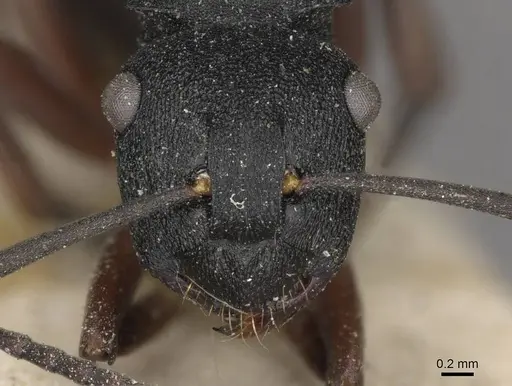
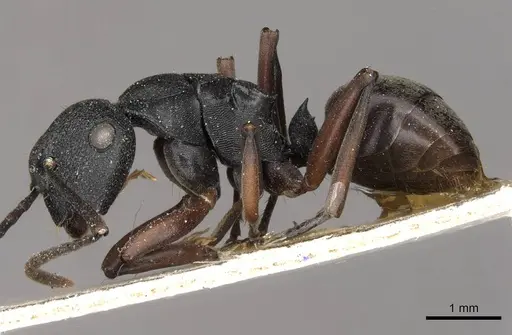
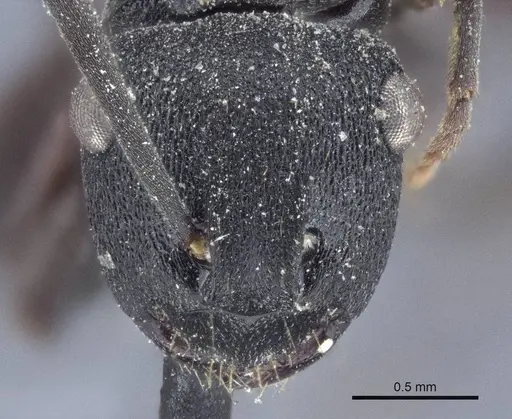
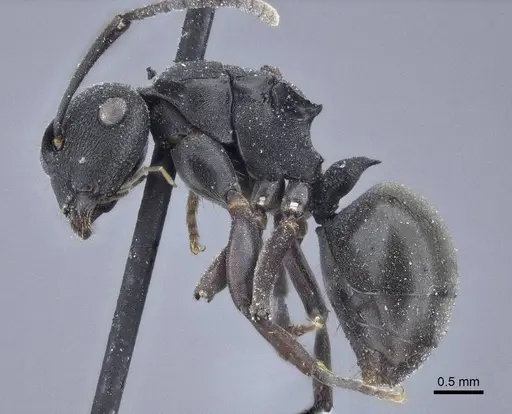
Polyrhachis phryne is a medium-sized ant native to Australia, belonging to the subgenus Campomyrma. Workers are typically dark in color with distinctive spines on the thorax, a characteristic feature of the Polyrhachis genus. This species is one of the most widespread ants in Australia, documented from all Australian states except the Northern Territory and Tasmania [1]. They nest subterranean, meaning underground, and have pupal cocoons, they spin cocoons around their pupae before they emerge as adult ants [2][3].
Quick Summary
- Difficulty: Medium
- Origin & Habitat: Australia, found across all Australian states except NT and Tasmania, in various habitats including eucalypt forests, semi-arid Mallee regions, and open forest areas [1][4]. This is a widespread species adapted to Australian conditions.
- Colony Type: Colony structure is unconfirmed. Polyrhachis species can be single-queen or multi-queen depending on the specific species, but no specific data exists for P. phryne.
- Founding: Claustral
- Size & Growth:
- Queen: Estimated 10-12mm based on genus patterns, no specific measurement found for this species
- Worker: Estimated 6-8mm based on genus, related Polyrhachis species typically range 5-10mm
- Colony: Likely moderate, Polyrhachis colonies typically reach several hundred workers, though exact data for this species is unavailable
- Growth: Moderate, based on typical Polyrhachis development patterns
- Development: Estimated 6-10 weeks at optimal temperature based on related Polyrhachis species development [5] (Development time is inferred from genus-level data since species-specific measurements are not available)
- Antkeeping:
- Temperature: Keep at 24-28°C for optimal development. Australian Polyrhachis species benefit from a warm setup with a slight temperature gradient allowing workers to self-regulate. Room temperature (22-24°C) may be acceptable if kept stable.
- Humidity: Moderate humidity around 50-70%. These ants prefer drier conditions compared to tropical species, they come from semi-arid to forested Australian regions. Allow the nest substrate to dry partially between water additions.
- Diapause: Likely required in temperate climates. Australian ants typically need a winter rest period. Reduce temperature to 15-18°C for 2-3 months during winter if keeping in a climate with cold winters.
- Nesting: Subterranean nester, they dig underground chambers. In captivity, a Y-tong (AAC) nest or plaster nest works well. Provide deep enough chambers for colony expansion. A naturalistic setup with soil substrate also works if escape prevention is adequate.
- Behavior: Generally peaceful and not aggressive, they belong to the Subordinate Camponotini functional group, meaning they are less aggressive than many other ants [4]. Workers are active foragers but not particularly territorial or defensive. Escape risk is moderate, they are not tiny ants but can squeeze through small gaps if openings exist. They accept a variety of food sources and are opportunistic feeders.
- Common Issues: colonies may decline if kept too cold, maintain warm temperatures year-round, overwatering can cause fungal problems in nests, allow substrate to dry between water additions, wild-caught colonies may have parasites, quarantine and monitor new colonies, slow growth compared to faster-developing species may frustrate beginners, escape prevention is needed, check for small gaps in setup regularly
Housing and Nest Setup
Polyrhachis phryne is a subterranean nester, meaning they naturally dig chambers underground. In captivity, provide them with a nest that allows for soil or other substrate they can dig through. A Y-tong (AAC) formicarium works well, as does a plaster nest with chambers deep enough for the colony to expand into. Since they come from various Australian habitats ranging from semi-arid Mallee to wet eucalypt forest, they are adaptable but prefer conditions that are not overly humid. Make sure the nest has areas where they can retreat if conditions become too warm or dry. Outworld space should be adequate for foraging, a simple container connected to the nest works fine. Escape prevention is important, check all connections and lids regularly. [1][2][3]
Feeding and Diet
Polyrhachis ants are omnivorous and opportunistic, like most ants in the Camponotini tribe. Offer a varied diet including protein sources (small insects like fruit flies, crickets, mealworms) and sugar sources (sugar water, honey, or diluted honey). In the wild, they forage for honeydew from aphids and scale insects, plus dead insects and other protein. Feed protein 2-3 times per week and keep sugar water available constantly. Remove uneaten prey after 24-48 hours to prevent mold. These ants are not specialized predators, so a varied diet works well. Observe your colony's preferences, some colonies favor protein while others consume more sugar.
Temperature and Seasonal Care
Maintain temperatures around 24-28°C for optimal colony health and development. These are Australian ants adapted to warmer conditions, though they can tolerate brief temperature drops. A heating cable on one side of the nest creates a gradient workers can use to regulate their own temperature. During winter in temperate climates, consider reducing temperature to 15-18°C for 2-3 months to simulate their natural seasonal cycle. This diapause period helps maintain colony health long-term. However, if your room temperature stays above 18°C year-round, they may remain active without issues, Australian species are flexible regarding temperature as long as it's not extreme. [1]
Behavior and Colony Dynamics
Polyrhachis phryne belongs to the Subordinate Camponotini functional group, meaning they are relatively peaceful ants that avoid conflict with more aggressive species [4]. Workers are active foragers that search for food both on the ground and in low vegetation. They are not particularly defensive and rarely sting, making them suitable for observation. The colony will grow gradually, expect moderate growth rather than the explosive expansion seen in some faster-developing species. Workers live several months to over a year, so the colony maintains its size well once established. The presence of cocoons means you may see wrapped pupae before new workers emerge, which is interesting to observe.
Growth and Development
Colony growth is moderate, Polyrhachis species do not develop as quickly as some tropical ants but are not particularly slow either. The queen lays eggs which develop through larval stages before spinning cocoons and emerging as workers. This process takes an estimated 6-10 weeks at optimal temperature based on related species [5]. First workers (nanitics) are typically smaller than mature workers but will quickly become integrated into the workforce. As the colony grows, the queen's egg production increases, leading to faster colony expansion. A mature colony may reach several hundred workers over several years. Be patient with founding colonies, the first few months are slow but growth accelerates once the colony reaches 20-30 workers.
Frequently Asked Questions
How long does it take for Polyrhachis phryne to produce first workers?
Expect first workers around 6-10 weeks after the queen lays eggs, at optimal temperature. This is based on related Polyrhachis species since specific development data for P. phryne is not available.
What do Polyrhachis phryne ants eat?
They are omnivorous, offer protein (insects like fruit flies, mealworms, small crickets) 2-3 times per week and keep sugar water or honey available constantly. They also collect honeydew in the wild.
What temperature do Polyrhachis phryne ants need?
Keep them at 24-28°C for optimal development. A slight temperature gradient allows workers to regulate their own conditions. They can tolerate room temperature (22-24°C) if stable.
Do Polyrhachis phryne ants need hibernation?
In temperate climates with cold winters, a 2-3 month diapause at 15-18°C is recommended. If kept in a consistently warm environment year-round, they may remain active without issues.
How big do Polyrhachis phryne colonies get?
Based on typical Polyrhachis growth patterns, expect several hundred workers at maturity. This species is widespread across Australia but specific colony size data is not available.
Is Polyrhachis phryne good for beginners?
They are intermediate in difficulty, not as challenging as some exotic species but requiring more attention than common Lasius ants. Their moderate growth rate and peaceful nature make them suitable for keepers with some experience.
Can I keep multiple queens together?
Colony structure data is not available for this species. It is unknown whether they are single-queen or multi-queen colonies. Combining unrelated queens is not recommended without specific evidence they can coexist.
Why is my Polyrhachis phryne colony declining?
Common causes include temperatures that are too low, overly humid conditions leading to fungal problems, or insufficient protein in the diet. Check your temperature settings and ensure proper ventilation while maintaining appropriate humidity.
References

This caresheet is licensed under CC BY-SA 4.0 .
CASENT0901972
View on AntWeb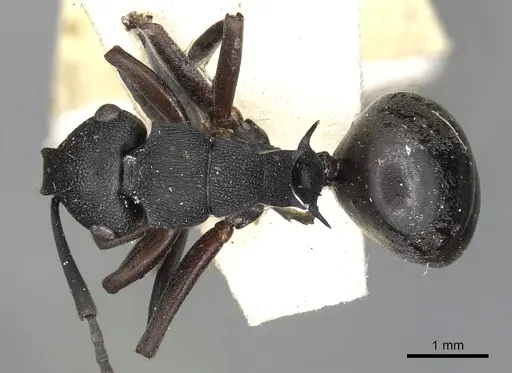
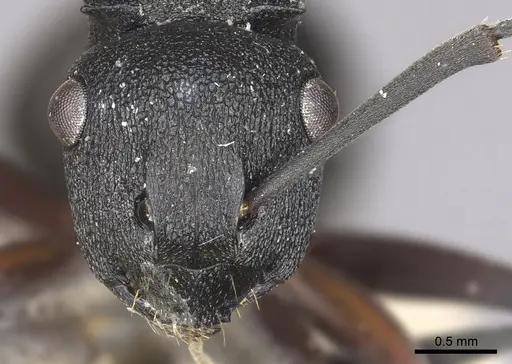
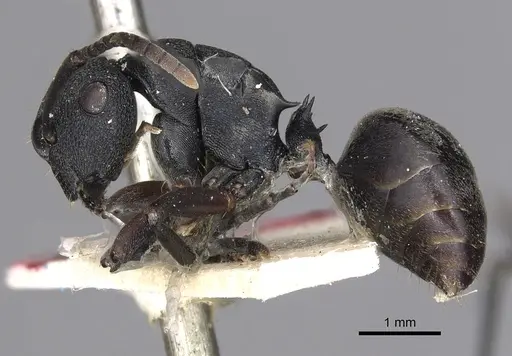
CASENT0903305
View on AntWeb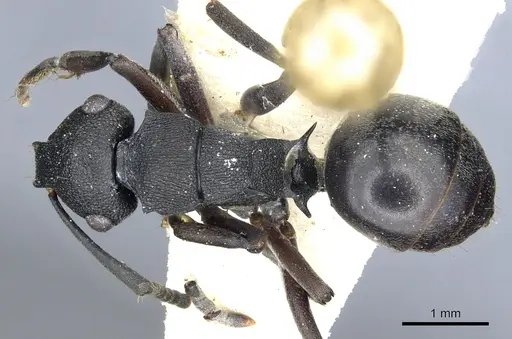
CASENT0906565
View on AntWeb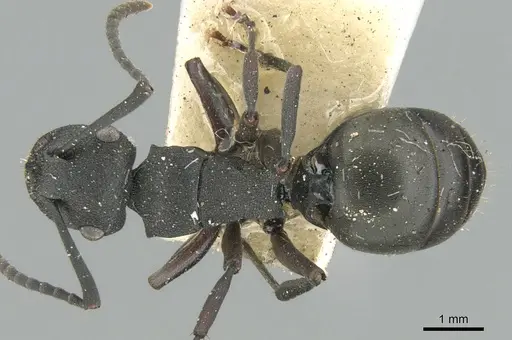
CASENT0910777
View on AntWeb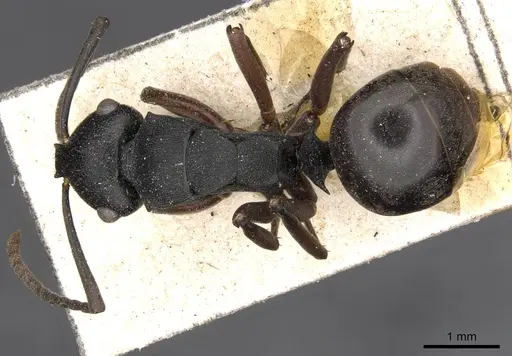
CASENT0916644
View on AntWeb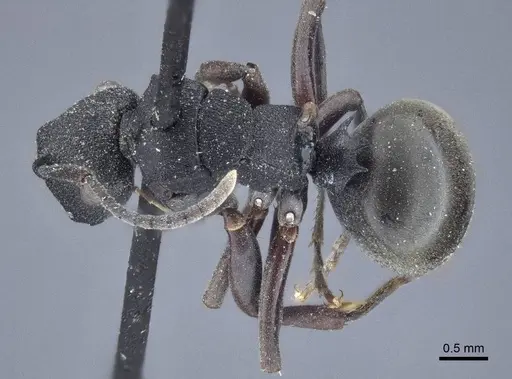
Literature
Loading...Loading products...