

Polyrhachis pellita
- Scientific Name
- Polyrhachis pellita
- Subgenus
- Myrmhopla
- Tribe
- Camponotini
- Subfamily
- Formicinae
- Author
- Menozzi, 1922
- Distribution
- Found in 1 countries
Polyrhachis pellita Overview
Polyrhachis pellita is an ant species of the genus Polyrhachis. It is primarily documented in 1 countries , including Philippines. Detailed taxonomic data and occurrence records can be further explored via authoritative databases such as AntWeb or the Global Biodiversity Information Facility (GBIF).
Polyrhachis pellita
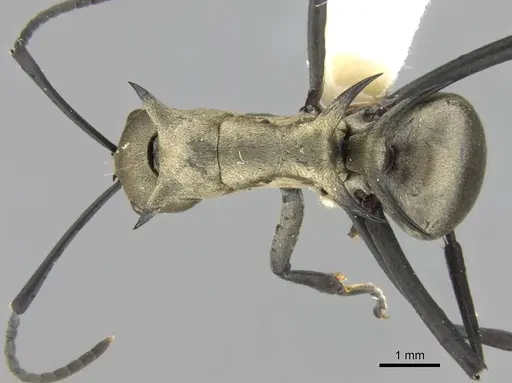
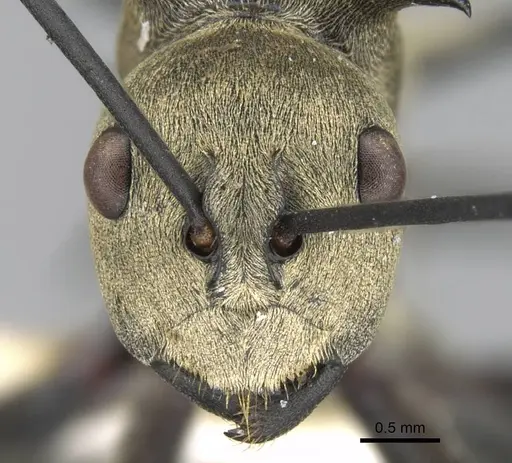
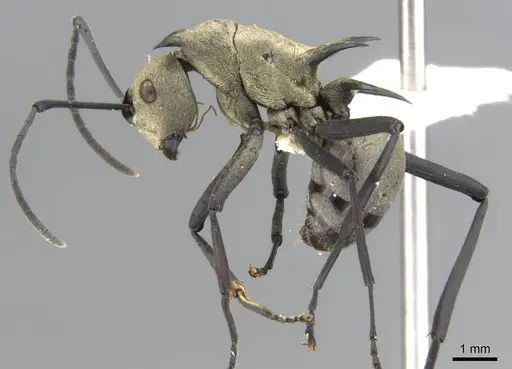
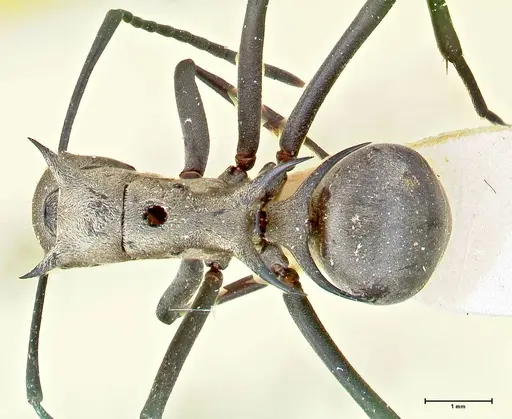
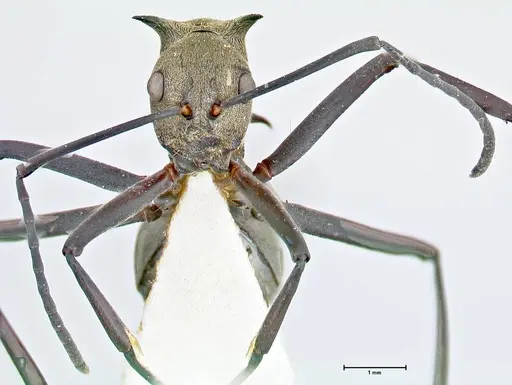
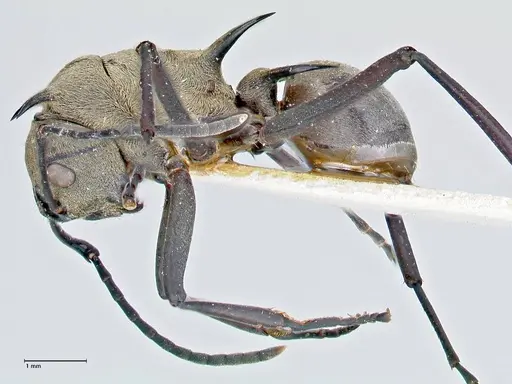
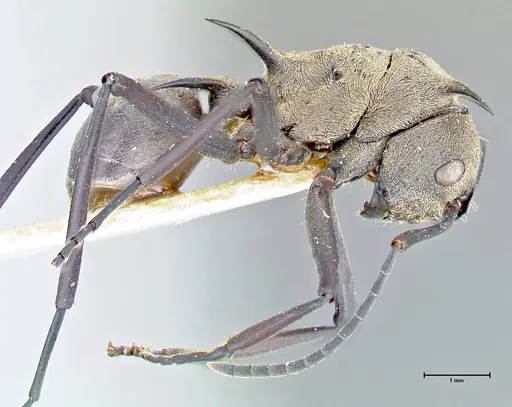
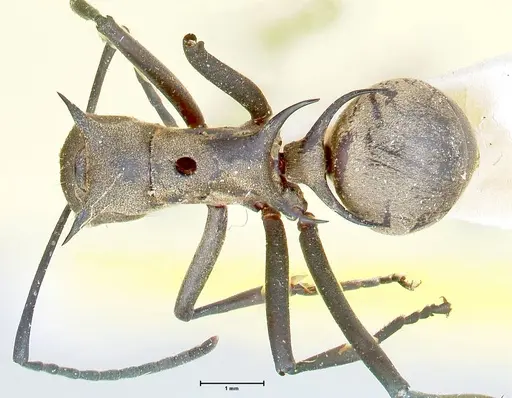
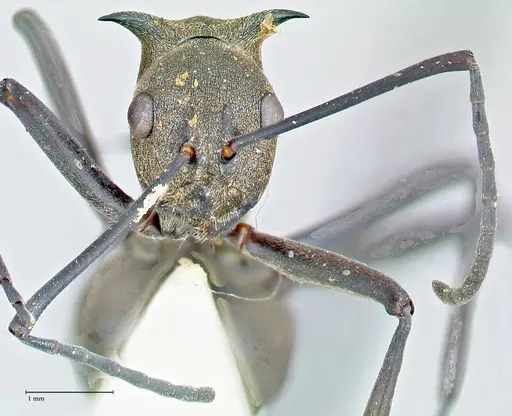
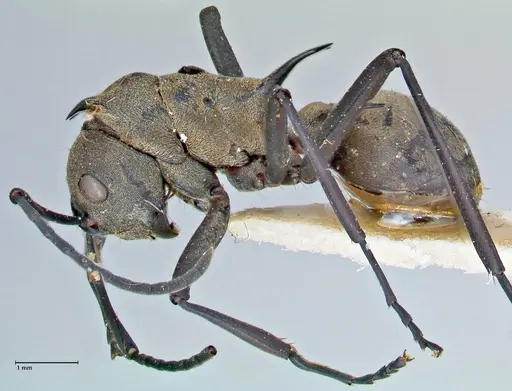
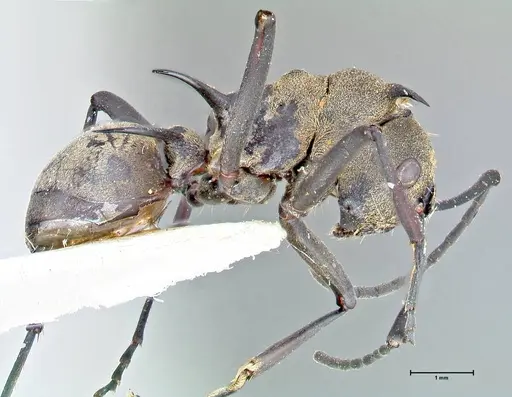
Polyrhachis pellita is a medium-sized ant species endemic to the Philippines, belonging to the subgenus Myrmhopla. Workers are robust with distinctive spines on the thorax and a somewhat hairy or 'pellita' (Latin for 'covered with hair') appearance. The genus Polyrhachis is known for their elaborate nests often constructed from leaves and plant material woven together, earning them the nickname 'weaver ants' (though this is more associated with Oecophylla). Queens are similar in general morphology but larger than workers. This species was originally described as Polyrhachis pellita before being recognized as the same species [1].
Quick Summary
- Difficulty: Medium
- Origin & Habitat: Philippines, specifically found in the Indomalaya region, particularly Mindanao Island. Endemic to the Philippines [2]. In their natural habitat, they likely inhabit forested areas, potentially nesting in vegetation or under bark.
- Colony Type: Likely monogyne (single queen colonies) based on typical Polyrhachis patterns, though colony structure is not directly documented for this specific species.
- Colony: Monogyne
- Founding: Claustral
- Size & Growth:
- Queen: Approximately 8-10mm based on related Polyrhachis species in the Myrmhopla subgenus, estimated
- Worker: Approximately 6-8mm based on genus patterns, estimated
- Colony: Likely reaches several hundred workers based on typical Polyrhachis colony sizes, estimated
- Growth: Moderate, estimated based on tropical ant development patterns
- Development: Approximately 6-8 weeks at tropical temperatures (25-28°C), estimated from genus patterns (Development time is estimated from related Polyrhachis species, direct observations for this specific species are not available)
- Antkeeping:
- Temperature: Keep at 24-28°C (warm tropical conditions). A slight temperature gradient is beneficial. Room temperature within this range is acceptable [1].
- Humidity: Moderate to high humidity (60-80%). These are tropical ants that likely prefer humid conditions. Keep the nest substrate slightly moist but not waterlogged.
- Diapause: No, as a tropical species from the Philippines, they do not require hibernation or winter dormancy. Keep them warm year-round.
- Nesting: Polyrhachis species often prefer arboreal or semi-arboreal setups. A naturalistic setup with plants, or a Y-tong/plaster nest with some vertical space works well. They may construct nests from plant material if given the opportunity. Provide some climbing structures.
- Behavior: Polyrhachis pellita is generally calm and not particularly aggressive compared to some other Formicinae. Workers are active foragers, likely hunting small insects and tending aphids for honeydew. They have a moderate escape risk due to their size, standard containment measures (fluon on test tube edges, tight-fitting lids) are sufficient. They are not known for painful stings but may bite if threatened. They are diurnal and active during the day.
- Common Issues: tropical species requires consistent warmth, cold temperatures can slow or stop brood development, limited available care information means keepers must adapt from related species, humidity must be maintained, dry conditions can cause brood failure, escape prevention is needed but not extreme, their size makes standard barriers effective, wild-caught colonies may be stressed from collection and transport
Housing and Nest Setup
Polyrhachis pellita does well in a naturalistic or semi-naturalistic setup that mimics their tropical arboreal habitat. A Y-tong (acrylic) nest works well, or you can use a plaster nest with some vertical space. Provide climbing structures like twigs, cork bark, or fake plants since they are semi-arboreal. A test tube setup works for founding colonies, use a water reservoir but keep it moderate to avoid flooding. Once established, you can connect the nest to an outworld with foraging space. Ensure the outworld has some vertical elements for climbing. [1]
Feeding and Diet
Like most Polyrhachis species, these ants are omnivorous. They likely accept sugar sources (honey water, sugar water) and protein (small insects like fruit flies, mealworms, crickets). In nature, they probably forage for honeydew from aphids and scale insects, plus small prey. Feed protein 2-3 times per week and keep a sugar source available at all times. Remove uneaten prey after 24-48 hours to prevent mold. [1]
Temperature and Humidity
As a tropical species from the Philippines, Polyrhachis pellita needs warm conditions year-round. Keep the nest area at 24-28°C. A heating cable on one side of the nest can create a gentle gradient if your room temperature is below this range. Place the heating on top of the nest, not underneath, to avoid excessive evaporation. Humidity should be moderate to high (60-80%). The nest substrate should feel slightly damp. Mist the outworld occasionally but avoid standing water. [1]
Colony Development
A newly mated queen will seal herself in a claustral chamber and lay eggs after feeding on her stored fat. First workers (nanitics) will be smaller than normal workers. After the nanitics emerge, the colony enters a growth phase. Expect the first workers within 6-8 weeks at optimal temperature. Growth is moderate, colonies may reach 50-100 workers in the first year under good conditions. Maximum colony size is not documented but likely reaches several hundred workers based on related species.
Behavior and Temperament
Polyrhachis pellita is generally calm and not overly aggressive. Workers are active foragers, searching for food both on the ground and in vegetation. They are diurnal, being most active during daylight hours. When threatened, they may bite but are not considered dangerous to humans. They are not known for painful stings. Standard escape prevention (fluon barriers, tight lids) is sufficient, they are not extreme escape artists like some tiny species. [1]
Frequently Asked Questions
How long does it take for Polyrhachis pellita to produce first workers?
At optimal temperatures (24-28°C), expect first workers in approximately 6-8 weeks after the queen lays eggs. This is estimated from related Polyrhachis species since specific development data is not available for this species.
Do Polyrhachis pellita ants need hibernation?
No. As a tropical species from the Philippines, they do not require hibernation or winter dormancy. Keep them warm year-round at 24-28°C.
What do Polyrhachis pellita eat?
They are omnivorous. Feed them small insects (fruit flies, mealworms, small crickets) for protein 2-3 times per week, and provide a constant sugar source like honey water or sugar water.
Are Polyrhachis pellita good for beginners?
They are rated as medium difficulty. They require warm, humid conditions year-round and have specific tropical needs. Beginners should research their requirements thoroughly before purchasing.
How big do Polyrhachis pellita colonies get?
Colony size is not directly documented, but based on related species, they likely reach several hundred workers. Expect moderate growth over 1-2 years.
Can I keep multiple Polyrhachis pellita queens together?
This is not recommended. Polyrhachis species are typically monogyne (single queen colonies). Combining unrelated queens has not been documented and likely results in fighting.
When should I move my Polyrhachis pellita colony to a formicarium?
Move them when the test tube nest becomes crowded or the water reservoir needs frequent refilling. For Polyrhachis, this is typically when the colony reaches 30-50 workers.
Where is Polyrhachis pellita naturally found?
This species is endemic to the Philippines, specifically found in the Indomalaya region including Mindanao Island.
References

This caresheet is licensed under CC BY-SA 4.0 .
Literature
Loading...Loading products...