

Polyrhachis paxilla
- Scientific Name
- Polyrhachis paxilla
- Subgenus
- Hagiomyrma
- Tribe
- Camponotini
- Subfamily
- Formicinae
- Author
- Smith, 1863
- Distribution
- Found in 2 countries
Polyrhachis paxilla Overview
Polyrhachis paxilla is an ant species of the genus Polyrhachis. It is primarily documented in 2 countries , including Australia, Papua New Guinea. Detailed taxonomic data and occurrence records can be further explored via authoritative databases such as AntWeb or the Global Biodiversity Information Facility (GBIF).
Polyrhachis paxilla
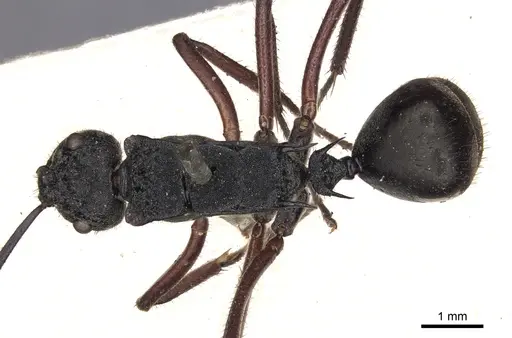
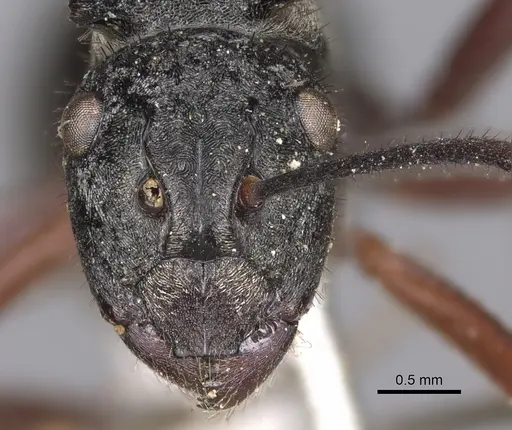
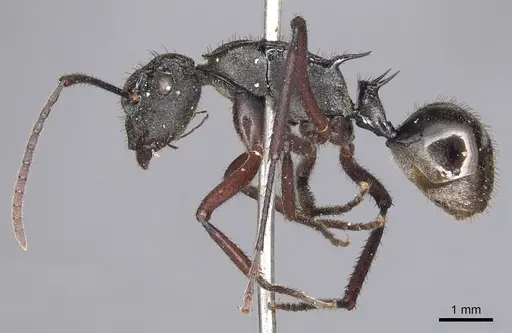
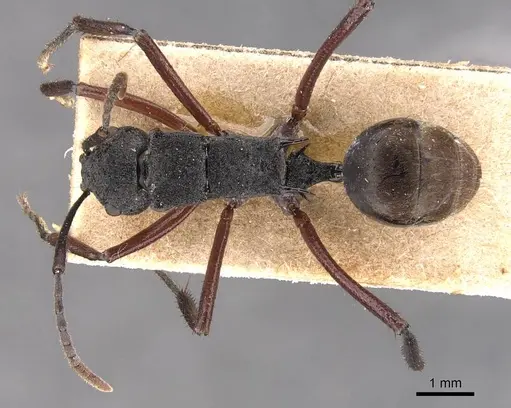
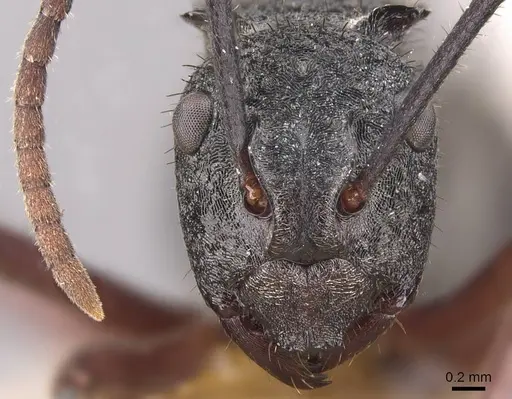
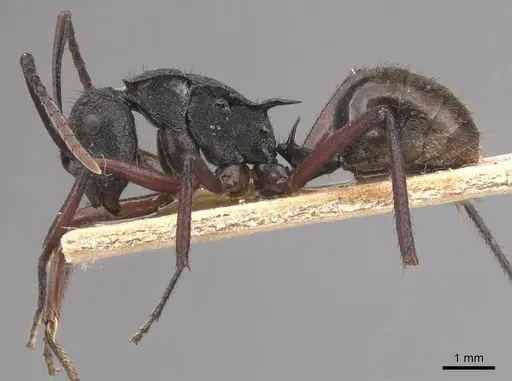
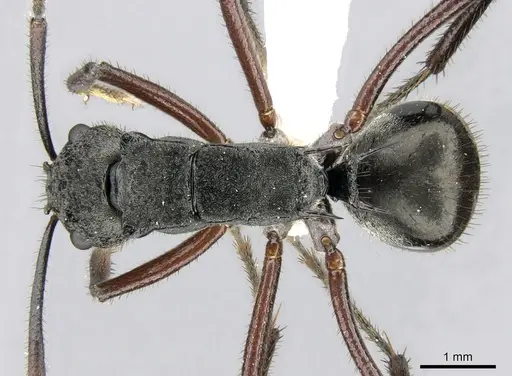
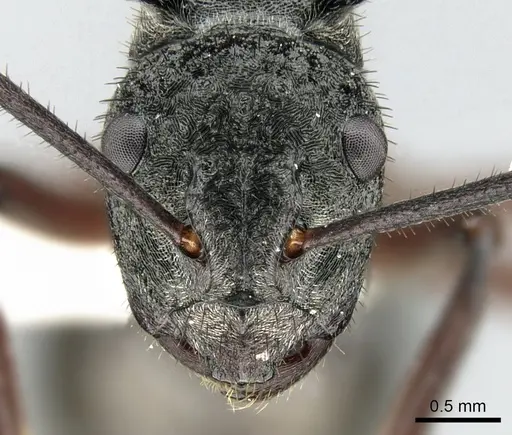
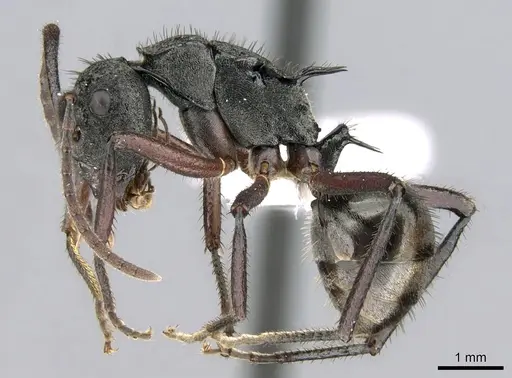
Polyrhachis paxilla is a medium-sized arboreal ant belonging to the subgenus Hagiomyrma. Workers measure 7.36-8.92 mm and feature a distinctive vermiculate-rugose sculpturation across their head, mesosoma, and petiole, giving them a textured, wrinkled appearance. Their pronotal humeri are distinctly dilated into rounded or angular laminate prominences, and they possess slender propodeal spines. The body is black to very dark reddish-brown with lighter reddish-brown legs and antennae. This species is native to the Australasian region, found in Indonesia, Papua New Guinea, and Cape York Peninsula in Australia [1]. They are lignicolous (wood-nesting) ants, with documented nests in dry hollow bamboo internodes in lowland rainforest edges within swampy grassland [1].
Quick Summary
- Difficulty: Medium
- Origin & Habitat: Indonesia, Papua New Guinea, and Cape York Peninsula in Australia. Found in lowland rainforest edges within swampy grassland, nesting in dry hollow bamboo [1].
- Colony Type: Colony structure is unconfirmed. No data available on whether they are single-queen (monogyne) or multi-queen (polygyne).
- Size & Growth:
- Queen: ~8.77 mm [1]
- Worker: 7.36-8.92 mm [1]
- Colony: Unknown, no colony size data available
- Growth: Moderate, inferred from typical Polyrhachis growth patterns
- Development: Estimated 6-10 weeks based on related Polyrhachis species development (Direct development data unavailable, estimate based on typical Formicinae timelines at 24-26°C)
- Antkeeping:
- Temperature: Keep at 24-28°C. As a tropical species from lowland rainforest areas, they need warm conditions. A heating cable on one side of the nest creates a gentle gradient
- Humidity: Moderate humidity around 60-75%. They nest in dry bamboo in nature, so avoid overly damp conditions. Provide a moisture gradient with a dry area and a moist section
- Diapause: Unlikely, tropical species from PNG and northern Australia does not require hibernation. Keep at stable warm temperatures year-round
- Nesting: Lignicolous (wood-nesting). Provide a nest with wood cavities or bamboo-style chambers. Y-tong (AAC) nests or plaster nests with carved tunnels work well. Avoid overly humid substrates as they prefer dry nesting cavities [1][2]
- Behavior: Generally calm and non-aggressive. As an arboreal species, they are good climbers and may attempt to escape. Their small size (under 9mm) means escape prevention should be moderate, standard formicarium barriers are usually sufficient. They are active foragers and will search for food throughout the nest. Workers are moderately sized and easy to observe.
- Common Issues: tropical species may decline if temperatures drop below 22°C, keep warm year-round, dry nesting preference means over-humid conditions can cause mold problems in the nest, colony size is unknown so growth expectations are uncertain, no data on founding behavior, new keepers should expect a long claustral founding period, escape prevention needed as they are arboreal and good climbers
Nest Preferences and Housing
Polyrhachis paxilla is a lignicolous species, meaning they naturally nest in wood cavities. In the wild, they have been found in dry hollow bamboo internodes in Papua New Guinea and similar habitats in Australia [1]. For captivity, Y-tong (AAC) nests or plaster nests with carved wood-style tunnels work best. The key is providing dry nesting chambers, these ants prefer drier conditions compared to many other ant species. Avoid setups that keep the nest constantly damp, as this can lead to mold issues. A naturalistic setup with cork bark or wood pieces can also work well. Since they are arboreal by nature, they appreciate vertical space and will often explore upward. Use standard escape prevention like fluon on test tube rims or formicarium edges, though they are not particularly escape-prone at their size.
Feeding and Diet
Polyrhachis ants are typically omnivorous, feeding on honeydew from aphids and scale insects, small insects, and nectar. In captivity, offer a varied diet of sugar water or honey as a constant energy source. For protein, provide small insects like fruit flies, small crickets, or mealworms. Unlike some specialized predators, they are generalist feeders. Feed protein prey 2-3 times per week, and keep sugar sources available at all times. Remove uneaten prey after 24-48 hours to prevent mold. Some Polyrhachis species will accept fruit, but this varies by individual colony. Observe your colony's preferences and adjust accordingly.
Temperature and Seasonal Care
As a tropical species from Papua New Guinea and northern Australia, Polyrhachis paxilla requires warm temperatures year-round. Keep the nest area between 24-28°C for optimal brood development. Temperatures below 22°C can slow activity and may harm the colony long-term. Use a heating cable or heating mat on one side of the nest to create a gentle temperature gradient, allowing the ants to self-regulate. Place the heating element on top of the nest to avoid drying out the substrate too quickly. Since they come from a tropical climate with minimal seasonal temperature variation, they do not require hibernation or diapause. Maintain consistent warm conditions throughout the year. [1]
Behavior and Temperament
Polyrhachis paxilla is generally a calm, non-aggressive species. Workers are moderately active and will forage throughout the nest and outworld. As an arboreal species, they are good climbers and may explore vertical surfaces. They are not particularly aggressive toward keepers and rarely show defensive behavior. Their small size (under 9mm) makes them easy to observe, and their distinctive sculptured appearance makes them visually interesting in a formicarium. Standard escape prevention is recommended, but they are not known as particularly problematic escape artists compared to some smaller species. They do not possess a painful sting, making them safe for handling if necessary. [1]
Colony Development and Growth
Little specific data exists on colony development for P. paxilla. Based on typical Polyrhachis and Formicinae patterns, expect a claustral founding where the queen seals herself in and lives off stored fat reserves until first workers emerge. The first workers (nanitics) will be smaller than mature workers. Colony growth is moderate, these are not fast-growing like some Myrmica or Lasius species, but neither are they particularly slow. A well-established colony may eventually reach several hundred workers, though exact maximum size is unknown for this species. Patience is key during the founding phase, which may take several months before the first workers appear.
Humidity and Water
Polyrhachis paxilla prefers drier nesting conditions than many other ant species, reflecting their natural nesting in dry bamboo. Keep nest humidity moderate, around 60-75%, with some drier areas available. The outworld can be kept slightly more humid, but the nest chambers should remain relatively dry to prevent mold. Provide a water source in the outworld, a small test tube with a cotton ball or a shallow water dish works well. Mist the outworld occasionally, but avoid directly misting the nest. Monitor for condensation on nest walls, as excessive moisture can be harmful. The key is balance, not too wet, not too dry. [1]
Frequently Asked Questions
How long does it take for Polyrhachis paxilla to produce first workers?
The exact timeline is unknown for this species, but based on related Polyrhachis species, expect 6-10 weeks from egg to worker at optimal temperature (24-28°C). The claustral founding period may take several months before eggs are even laid, so be patient with a newly mated queen.
What is the best nest type for Polyrhachis paxilla?
Y-tong (AAC) nests or plaster nests with wood-style tunnels work best. They are lignicolous (wood-nesting) ants that naturally nest in dry bamboo, so provide dry nesting chambers. Avoid constantly damp substrates.
Do Polyrhachis paxilla ants need hibernation?
No. As a tropical species from Papua New Guinea and northern Australia, they do not require hibernation. Keep them warm year-round at 24-28°C.
Are Polyrhachis paxilla good for beginners?
They are rated Medium difficulty. While not overly demanding, they require warm temperatures year-round and specific dry nesting conditions. New antkeepers should ensure they can maintain consistent heat before acquiring this species.
What do Polyrhachis paxilla eat?
They are omnivorous. Offer sugar water or honey as a constant energy source, and protein prey like small insects (fruit flies, small crickets, mealworms) 2-3 times per week.
How big do Polyrhachis paxilla colonies get?
The maximum colony size is unknown. Based on related species, expect several hundred workers at maturity. Growth is moderate, patience is required during founding.
Can I keep multiple queens together?
This is unknown. No research exists on colony structure (monogyne vs polygyne) for this species. It is not recommended to combine unrelated foundress queens unless you have specific guidance for this species.
When should I move Polyrhachis paxilla to a formicarium?
Wait until the colony has at least 20-30 workers and is actively foraging in an outworld. For claustral founders, do not disturb during the founding phase, wait for the first workers to emerge and strengthen the colony before transferring.
Why is my Polyrhachis paxilla colony declining?
Check temperature first, they need 24-28°C and may decline below 22°C. Also ensure the nest is not too humid, they prefer dry nesting conditions. Review feeding, they need protein prey regularly and constant sugar access.
References

This caresheet is licensed under CC BY-SA 4.0 .
Literature
Loading...Loading products...