

Polyrhachis pagana
- Scientific Name
- Polyrhachis pagana
- Subgenus
- Cyrtomyrma
- Tribe
- Camponotini
- Subfamily
- Formicinae
- Author
- Santschi, 1928
- Distribution
- Found in 1 countries
Polyrhachis pagana Overview
Polyrhachis pagana is an ant species of the genus Polyrhachis. It is primarily documented in 1 countries , including India. Detailed taxonomic data and occurrence records can be further explored via authoritative databases such as AntWeb or the Global Biodiversity Information Facility (GBIF).
Polyrhachis pagana
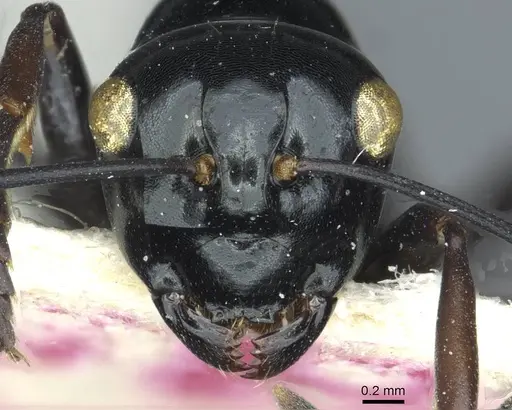
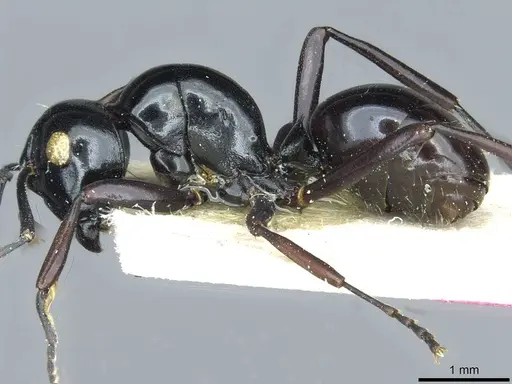
Polyrhachis pagana is a striking spiny ant species native to India, specifically found in Karnataka and Tamil Nadu regions. Workers measure approximately 6.75mm in length and feature a distinctively shiny black body with black appendages, which sets them apart from the similar P. rastellata that has orange-red legs [1]. The pronotum is robust and widest across the shoulders, and the mesosoma is almost evenly rounded with a steep propodeal declivity [2]. This species belongs to the subgenus Cyrtomyrma, known for their spiny morphology and arboreal tendencies.
Quick Summary
- Difficulty: Medium
- Origin & Habitat: India (Karnataka and Tamil Nadu) in the Indomalaya region [3]. Found in tropical and subtropical habitats, likely in forested areas of the Western Ghats.
- Colony Type: Colony structure is unconfirmed for this species. Many Polyrhachis species are monogyne (single queen), but specific data for P. pagana is lacking.
- Size & Growth:
- Queen: Unknown, no specific measurements available for queens
- Worker: 6.75±0.72 mm [1]
- Colony: Unknown, typical Polyrhachis colonies reach several hundred workers
- Growth: Moderate, based on typical Polyrhachis development patterns
- Development: Estimated 8-12 weeks at optimal temperature based on related Polyrhachis species (Development time is inferred from genus-level data as species-specific measurements are unavailable)
- Antkeeping:
- Temperature: Keep at 24-28°C, these are tropical ants requiring warm conditions. A gentle gradient allowing them to self-regulate is ideal.
- Humidity: Moderate to high humidity (60-80%). Provide a moist nest substrate but ensure good ventilation to prevent mold.
- Diapause: Unlikely required, being a tropical Indian species, they probably do not need a true hibernation period. However, a slight cool-down period during winter months may be beneficial.
- Nesting: Polyrhachis species often prefer arboreal or ground nests in rotting wood or under bark. In captivity, Y-tong (AAC) nests or naturalistic setups with wood pieces work well. Provide both nest chambers and foraging area.
- Behavior: Polyrhachis pagana is generally calm and not overly aggressive. Workers are active foragers, likely collecting honeydew and small insects. They are moderate escape artists, use standard barrier methods but they are not as prone to escaping as tiny species. They may show territorial behavior around the nest entrance.
- Common Issues: tropical species requires consistent warmth, cold drafts can be fatal, colonies may be slow to establish initially, patience is needed, escape prevention should be maintained though they are not extreme escape artists, humidity balance is critical, too wet causes mold, too dry causes desiccation, wild-caught colonies may have parasites that affect captive survival
Housing and Nest Preferences
Polyrhachis pagana does well in Y-tong (AAC) formicarium nests which provide the dark, secure chambers they prefer. Alternatively, a naturalistic setup with rotting wood pieces or cork bark works well, as this species often nests in wood in the wild. The nest should be kept humid but not waterlogged. Provide a generous outworld area for foraging, as workers are active and will patrol for food. Ensure the setup has good ventilation to prevent mold buildup while maintaining adequate humidity. [2]
Feeding and Diet
In the wild, Polyrhachis ants are omnivorous, feeding on honeydew from aphids and scale insects, and hunting small insects. In captivity, offer a varied diet including sugar water or honey as a constant energy source, and protein sources like small crickets, mealworms, or other insects 2-3 times per week. Some Polyrhachis species also accept seeds or fruit. Remove uneaten prey after 24-48 hours to prevent mold. Fresh water should always be available.
Temperature and Seasonal Care
As a tropical species from India, P. pagana requires warm temperatures between 24-28°C. Temperatures below 20°C for extended periods can weaken or kill the colony. Use a heating cable or mat on one side of the nest to create a gentle thermal gradient, allowing ants to self-regulate their temperature. Unlike temperate species, they do not require a true hibernation diapause, but you may reduce feeding and slightly lower temperatures (by 2-4°C) during winter months to simulate natural seasonal slowdown.
Behavior and Colony Dynamics
Polyrhachis pagana workers are active and alert, with typical spiny ant behavior. They are generally non-aggressive toward keepers but will defend their nest if threatened. Workers forage individually, searching for honeydew and prey. The colony will establish scent trails to reliable food sources. Unlike some arboreal species, they readily traverse the outworld for foraging. Colony growth is moderate, expect several months before seeing significant numbers as the queen raises her first brood claustrally.
Frequently Asked Questions
How long does it take for Polyrhachis pagana to produce first workers?
Expect first workers (nanitics) in approximately 8-12 weeks after the queen lays eggs, assuming optimal temperature around 26°C. This is an estimate based on related Polyrhachis species as specific development data for P. pagana is not available.
What temperature range is best for Polyrhachis pagana?
Keep them warm at 24-28°C. This tropical species does not tolerate cool temperatures well. Use a heating cable on one side of the nest to maintain warmth, especially if room temperature falls below 24°C.
Can I keep Polyrhachis pagana in a test tube?
Test tubes can work for founding colonies, but you will need to move them to a proper formicarium once the colony reaches 20-30 workers. Polyrhachis species prefer nests with some wood material or a Y-tong setup that provides dark chambers and humidity control.
How big do Polyrhachis pagana colonies get?
Based on typical Polyrhachis colony sizes, expect several hundred workers at maturity. Specific colony size data for P. pagana is not available, but the genus commonly produces colonies of 200-500+ workers.
Is Polyrhachis pagana good for beginners?
This species is rated as medium difficulty. While not as challenging as some exotic species, it does require consistent warmth and proper humidity management. Beginners should have some antkeeping experience before attempting this species.
What do Polyrhachis pagana ants eat?
They are omnivorous. Feed sugar water or honey constantly for energy, and offer protein sources like small insects (crickets, mealworms) 2-3 times per week. They may also accept fruit or seeds experimentally.
Does Polyrhachis pagana need hibernation?
No, hibernation is not required. This is a tropical species from India that does not experience cold winters. You may slightly reduce temperatures in winter but a true diapause is not necessary.
When should I move my colony to a formicarium?
Move from a test tube setup to a formicarium once the colony reaches 20-30 workers or when the test tube becomes cramped. A Y-tong or naturalistic setup with wood material works well for this species.
Why are my Polyrhachis pagana workers dying?
Common causes include: temperatures too low (below 20°C), humidity imbalance (too dry or too wet/moldy), poor nutrition, or parasites from wild-caught colonies. Check temperature and humidity first, ensure food variety is adequate, and consider if the colony was wild-caught which often brings parasite issues.
References

This caresheet is licensed under CC BY-SA 4.0 .
CASENT0912107
View on AntWeb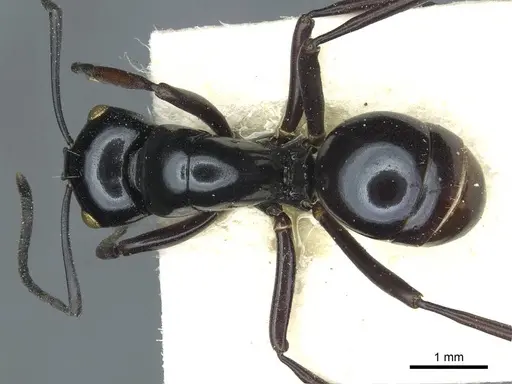
Literature
Loading...Loading products...