

Polyrhachis otleti
- Scientific Name
- Polyrhachis otleti
- Subgenus
- Myrma
- Tribe
- Camponotini
- Subfamily
- Formicinae
- Author
- Forel, 1916
- Distribution
- Found in 1 countries
Polyrhachis otleti Overview
Polyrhachis otleti is an ant species of the genus Polyrhachis. It is primarily documented in 1 countries , including Congo, Democratic Republic of the. Detailed taxonomic data and occurrence records can be further explored via authoritative databases such as AntWeb or the Global Biodiversity Information Facility (GBIF).
Polyrhachis otleti
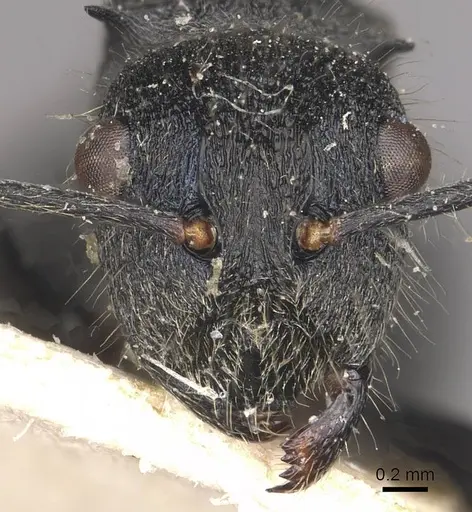
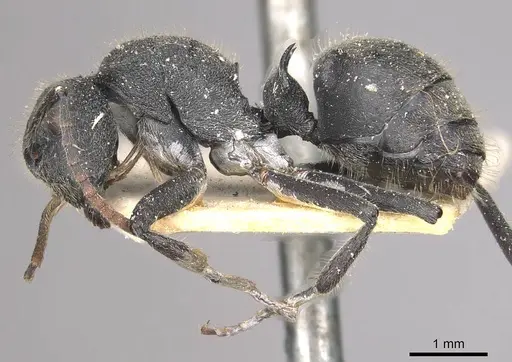
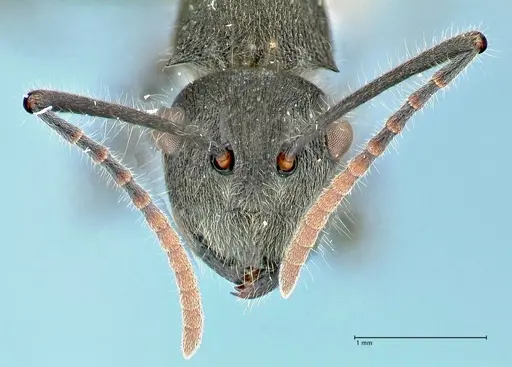
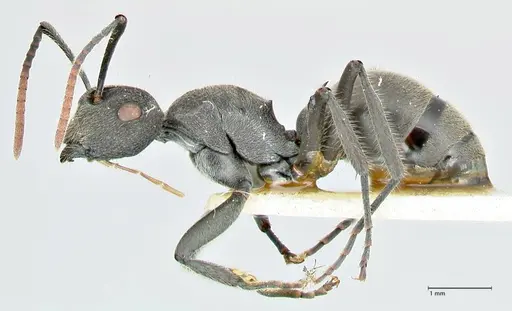
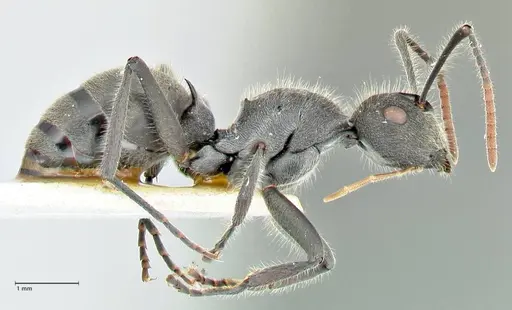
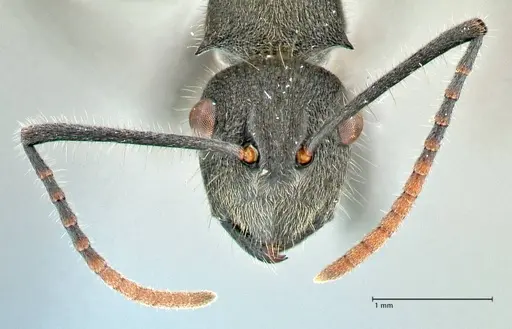
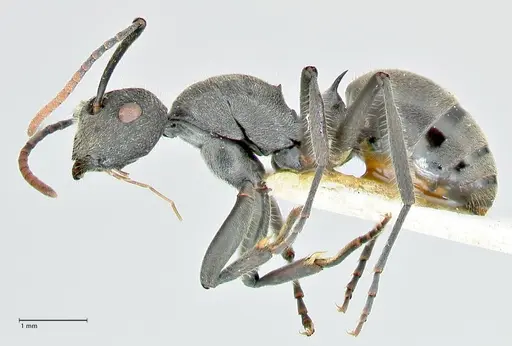
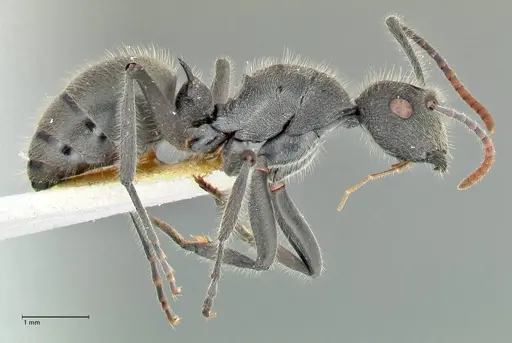
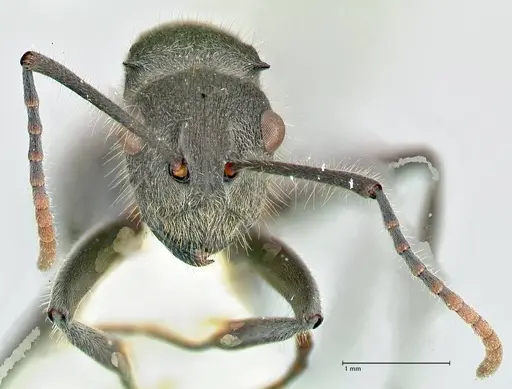
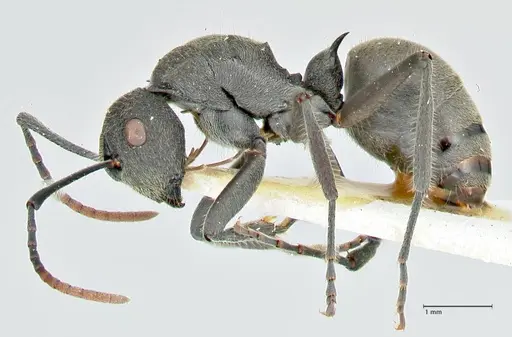
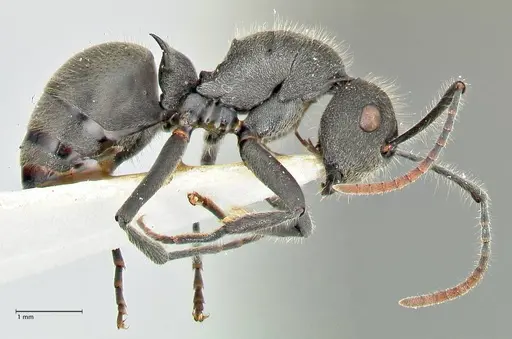
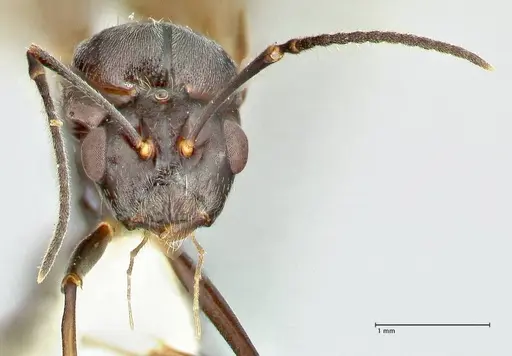
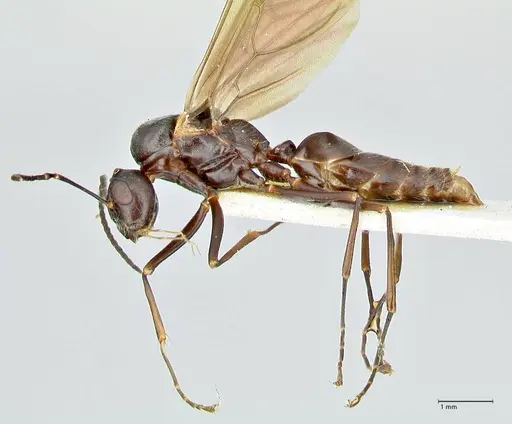
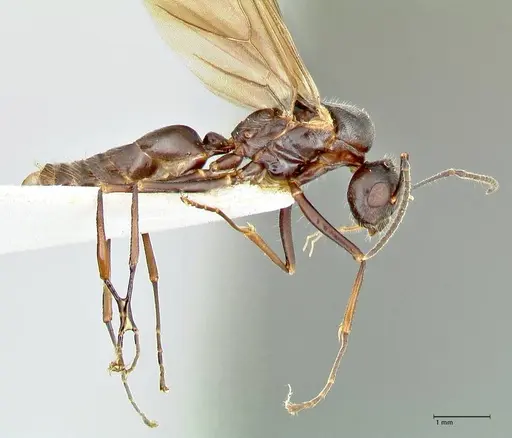
Polyrhachis otleti is a moderately large, hairy ant species belonging to the revoili species-group within the subgenus Myrma. Workers measure 6.8-7.6mm and have a distinctive appearance with a black dull body, long white hairs covering much of the body, and a pair of triangular spines on the pronotum. The propodeum has well-developed ridges at the rear, and the petiole features a pair of long dorsal spines and shorter lateral spines. This species is found across West and Central Africa, including Nigeria, Ghana, Democratic Republic of Congo, Central African Republic, and Tanzania [1][2].
What makes P. otleti unusual is its nest-building behavior. Unlike most ants that simply occupy pre-existing cavities, these ants actively construct protective nests using silk mixed with vegetable matter and bark fragments. They nest in tree bark crevices or rot holes, typically several feet above ground level, with the nest entrance covered by a fibrous mat that extends outward from the hole. This silk-based construction is a hallmark of the genus Polyrhachis, making them fascinating for keepers interested in arboreal ant behavior.
Quick Summary
- Difficulty: Medium
- Origin & Habitat: West and Central Africa, found in Nigeria, Ghana, Democratic Republic of Congo, Central African Republic, and Tanzania. In nature, they nest in tree bark crevices and rot holes, typically 5 feet or more above ground level in shaded cocoa plots and forest areas [2].
- Colony Type: Likely single-queen colonies based on typical Polyrhachis patterns, though colony structure has not been specifically documented for this species.
- Colony: Monogyne
- Founding: Claustral
- Size & Growth:
- Queen: Similar to workers but with reduced pronotal spines. Estimated 7-8mm based on worker size range.
- Worker: 6.8-7.6mm total length. Head length 1.40-1.68mm, head width 1.19-1.39mm [1].
- Colony: Colony size has not been documented. Related Polyrhachis species typically reach several hundred workers.
- Growth: Moderate, no specific development data available for this species
- Development: Estimated 6-10 weeks based on typical Formicinae development patterns at tropical temperatures (Development time is unconfirmed for this specific species. Related Polyrhachis species in the revoili-group suggest several months from egg to adult worker.)
- Antkeeping:
- Temperature: Keep at 24-28°C, these are tropical ants from West/Central Africa that need warm conditions. A heating cable on one side of the nest creates a suitable gradient.
- Humidity: Maintain moderate to high humidity, around 60-80%. Their natural habitat in cocoa plots and forest areas is humid. Provide a water tube for drinking water.
- Diapause: No, as a tropical species, they do not require hibernation. Keep them warm year-round.
- Nesting: These ants are lignicolous (wood-dwelling) and prefer arboreal setups. A Y-tong (AAC) nest or naturalistic setup with cork bark or wood pieces works well. They will construct silk-covered structures, so include some suitable materials. They do well in formicariums with wood-based substrates.
- Behavior: Polyrhachis otleti is generally calm and not particularly aggressive. Workers are moderately active and forage for food both in the nest area and outworld. Their moderate size (nearly 8mm) means escape prevention is important but not as critical as for tiny species. They are arboreal by nature, so they will explore upward and may attempt to climb. They use silk in nest construction, which is unusual among ants and makes them interesting to observe.
- Common Issues: tropical warmth requirements mean colonies can struggle in cool rooms or air-conditioned spaces, arboreal nature means they may not use ground-level foraging areas, provide climbing structures, silk nest-building behavior requires appropriate materials in captivity, wild-caught colonies may carry parasites that can cause colony failure, slow initial growth during founding phase can lead to impatient keepers overfeeding or disturbing the queen
Nest Preferences and Housing
Polyrhachis otleti is a lignicolous species, meaning it nests in wood. In the wild, they occupy tree bark crevices and rot holes, typically 5 feet or more above ground. The nests are distinctive, workers construct a fibrous mat covering the entrance using silk mixed with small pieces of bark and vegetable matter. This mat can extend quite far from the actual nest entrance.
For captive care, provide a nest that mimics this arboreal, wood-dwelling preference. A Y-tong (AAC) nest works well, or you can use a naturalistic setup with cork bark or wooden elements. The key is giving them wood-based material they can work with. Some keepers report success with plaster nests that include wood inserts. Avoid fully soil-based nests unless mixed with wood fragments.
These ants are arboreal, so they will appreciate climbing structures in their outworld. Provide branches, cork pieces, or other vertical elements they can walk on. The outworld should have some vertical space for exploration.
Feeding and Diet
Polyrhachis ants are typically omnivorous, feeding on honeydew from aphids and scale insects, small insects, and nectar. In captivity, offer a varied diet including sugar water or honey as a constant energy source. For protein, provide small insects like fruit flies, small crickets, or mealworm pieces.
Feed protein prey 2-3 times per week, and keep a sugar source available at all times. Remove any uneaten prey after 24-48 hours to prevent mold. These ants are moderate feeders, they won't clear a plate of food instantly, but they will steadily consume offerings over time.
Because they are arboreal and may not travel far from the nest, place food near their foraging areas. They may not immediately venture far into a large outworld, so positioning food accessibly helps ensure they eat.
Temperature and Care
As a tropical species from West and Central Africa, Polyrhachis otleti requires warm temperatures. Keep the nest area between 24-28°C. Below 22°C, colony activity may slow significantly, and prolonged cool conditions can be harmful. Use a heating cable or small heat mat on one side of the nest to create a temperature gradient, allowing workers to choose their preferred warmth.
Room temperature may be sufficient in warm climates or heated rooms, but monitor with a thermometer. Place the heating element on top of the nest rather than underneath to avoid drying out the nest material. These ants need consistent warmth year-round, they do not enter diapause or hibernation.
Humidity should be moderate to high, around 60-80%. Their natural habitat in forest and cocoa plots is humid. Provide a water tube or small water source for drinking. Mist the outworld occasionally but avoid saturating the nest area.
Behavior and Colony Life
Polyrhachis otleti workers are moderately sized at nearly 8mm and covered in long white hairs, giving them a distinctive fuzzy appearance. They are not particularly aggressive and typically respond to disturbance by investigating rather than attacking. When their nest is disturbed, workers emerge to check for threats rather than immediately fleeing or fighting.
The most fascinating aspect of this species is its silk-based nest construction. Workers produce silk (from their labial glands) and mix it with vegetable matter and bark fragments to create protective coverings over their nest entrances. This behavior is common in the genus Polyrhachis but still unusual enough to make these ants particularly interesting to watch.
Colonies grow moderately, founding queens raise the first brood alone (likely claustral), and initial workers (nanitics) will be smaller. Growth rate is not documented but expect several months before you have a established colony with multiple workers. Patience is key during the founding phase.
Frequently Asked Questions
How long does it take for Polyrhachis otleti to have first workers?
The exact timeline is unconfirmed for this species, but based on typical Formicinae development, expect 6-10 weeks from egg to first worker at optimal temperatures (24-28°C). The founding queen will seal herself in and raise the first brood alone.
Can I keep Polyrhachis otleti in a test tube?
Test tubes can work for founding colonies, but these ants prefer wood-based nesting. A Y-tong nest or cork bark setup is more appropriate for their lignicolous nature. If using test tubes, ensure they have access to a water source and consider moving them to a more suitable nest once the colony grows.
What do Polyrhachis otleti ants eat?
They are omnivorous. Offer sugar water or honey as a constant energy source, and protein prey like small insects (fruit flies, small crickets, mealworm pieces) 2-3 times per week. They may also accept nectar or fruit.
Are Polyrhachis otleti good for beginners?
This species is rated Medium difficulty. The main challenges are providing appropriate arboreal housing with wood materials and maintaining tropical temperatures. If you can provide warmth (24-28°C) and a suitable nest, they are manageable for intermediate antkeepers.
Do Polyrhachis otleti need hibernation?
No. As a tropical African species, they do not require hibernation or winter cooling. Keep them warm year-round at 24-28°C. Cool temperatures can harm the colony.
How big do Polyrhachis otleti colonies get?
Colony size is not specifically documented, but related Polyrhachis species typically reach several hundred workers. Expect moderate growth over several months to a few years.
When should I move my Polyrhachis otleti to a formicarium?
Move them once the colony reaches 20-30 workers and the test tube or founding setup becomes cramped. They prefer wood-based nests, so a Y-tong or naturalistic setup with cork works well. They are arboreal, so include climbing structures.
Can I keep multiple Polyrhachis otleti queens together?
This is not recommended. While colony structure is not specifically documented, Polyrhachis species are typically single-queen colonies. Combining unrelated queens typically leads to fighting. Start with one founding queen.
References

This caresheet is licensed under CC BY-SA 4.0 .
CASENT0087978
View on AntWeb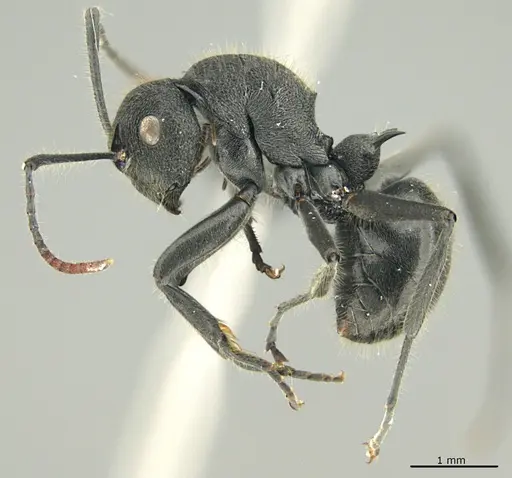
CASENT0227549
View on AntWeb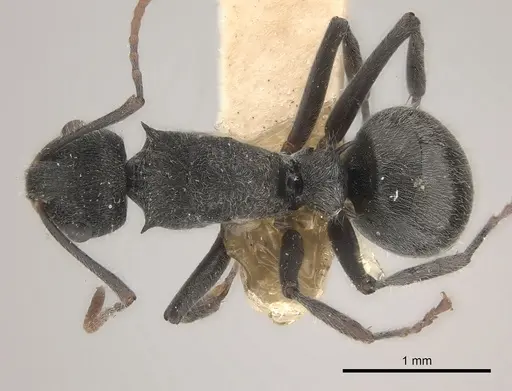
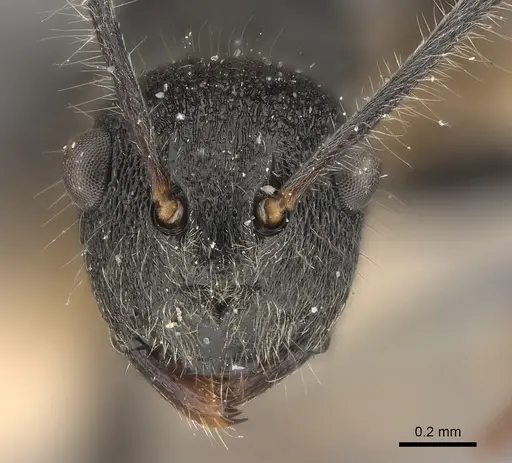
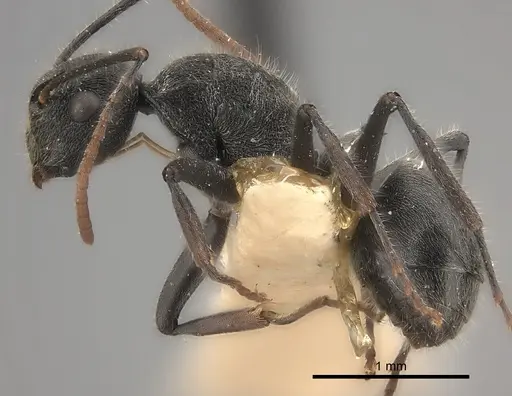
CASENT0910950
View on AntWeb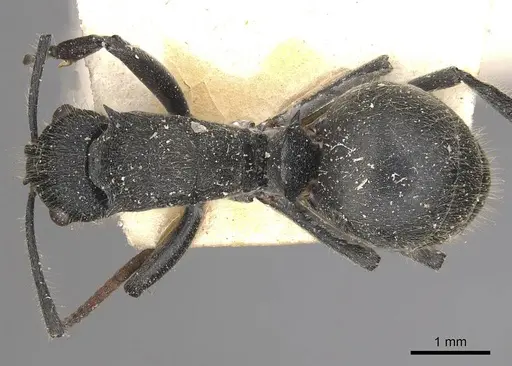
FOCOL2580
View on AntWeb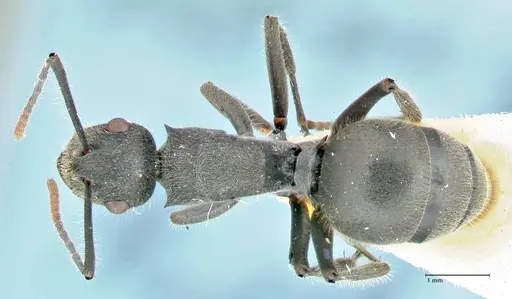
FOCOL2581
View on AntWeb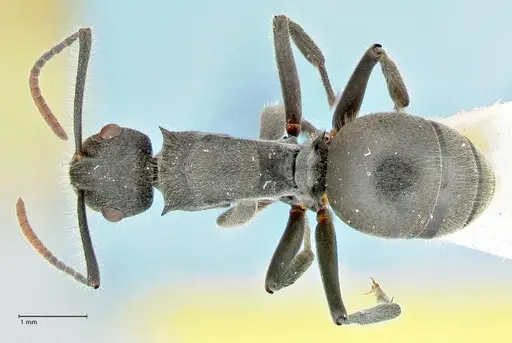
FOCOL2582
View on AntWeb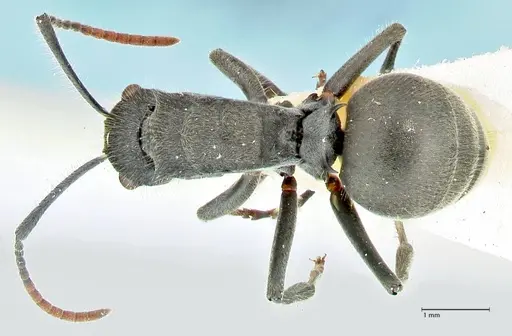
FOCOL2583
View on AntWeb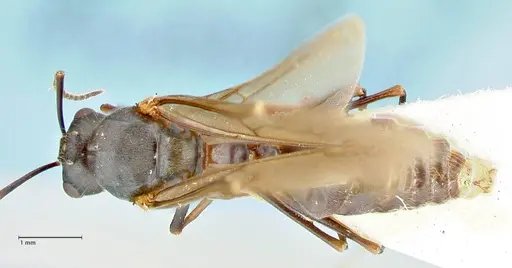
Literature
Loading...Loading products...