

Polyrhachis osae
- Scientific Name
- Polyrhachis osae
- Subgenus
- Myrmatopa
- Tribe
- Camponotini
- Subfamily
- Formicinae
- Author
- Mann, 1919
- Distribution
- Found in 1 countries
Polyrhachis osae Overview
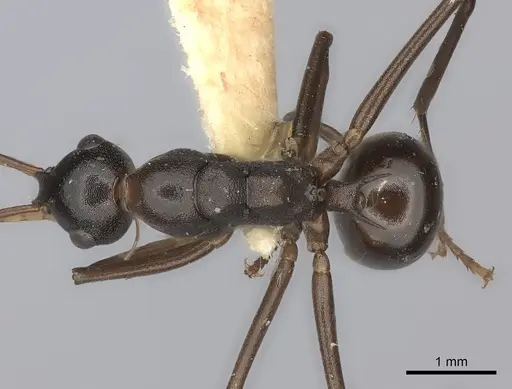
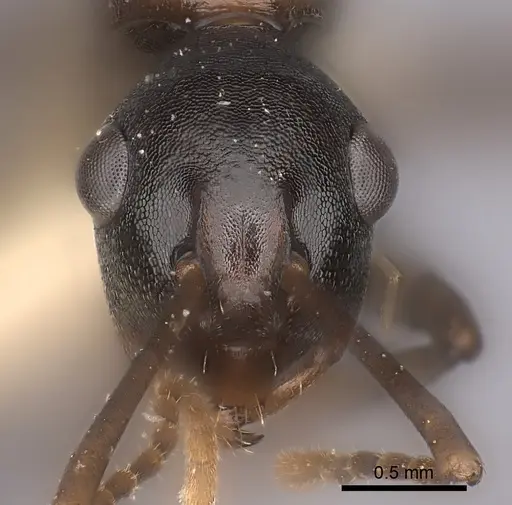
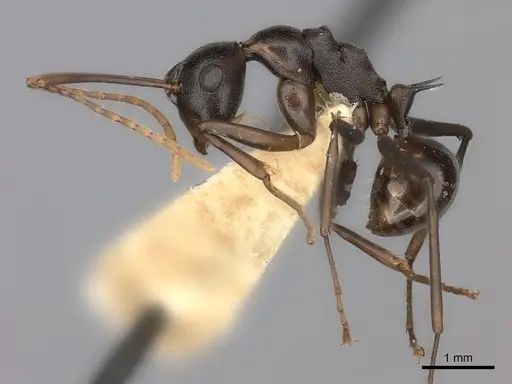
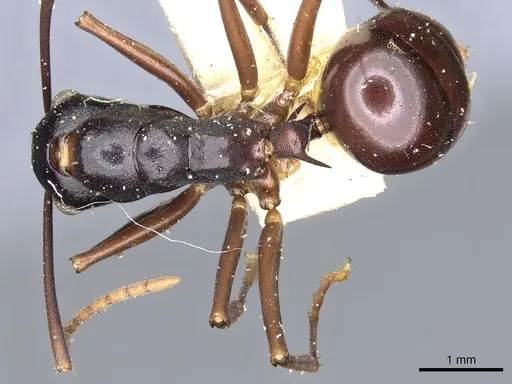
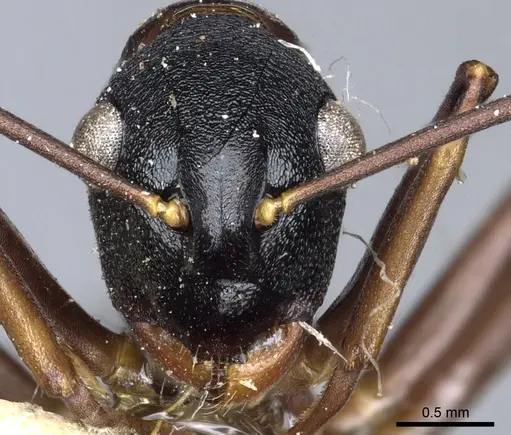
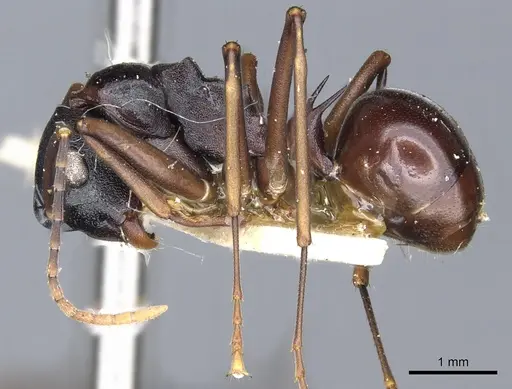
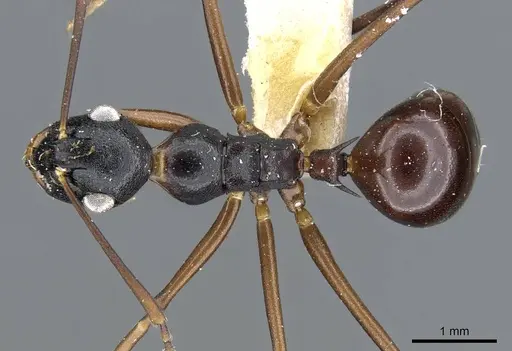
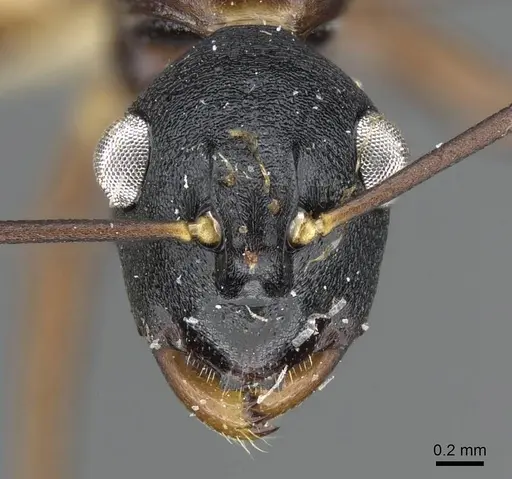
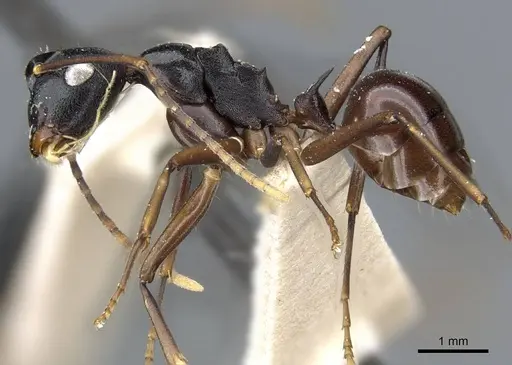
Polyrhachis osae is an ant species of the genus Polyrhachis. It is primarily documented in 1 countries , including Solomon Islands. Detailed taxonomic data and occurrence records can be further explored via authoritative databases such as AntWeb or the Global Biodiversity Information Facility (GBIF).
Polyrhachis osae
Polyrhachis osae is a tropical arboreal ant species native to the Solomon Islands archipelago in the South Pacific. Workers are moderate-sized for the genus, with the characteristic hooked spines (cerci) on their thorax that give Polyrhachis their common name of 'spiny ants.' They were first described by William Mann in 1919 from specimens collected on Makira (formerly San Cristoval) and surrounding islands [1]. These ants are arboreal nesters, meaning they build their colonies in trees and elevated locations rather than in soil, using silk and carton material to construct their nests [2]. Unlike many Formicinae, they lack cocoons during the pupal stage, with larvae developing directly into naked pupae [2].
Quick Summary
- Difficulty: Medium
- Origin & Habitat: Solomon Islands (Makira, Guadalcanal, Ugi, San Cristoval), tropical rainforest environment with high humidity and consistent warm temperatures year-round [3][1].
- Colony Type: Polygyne, colonies contain multiple queens that work together in the same nest [4]. This is unusual among Formicinae and means your colony can have multiple egg-laying queens simultaneously.
- Colony: Polygyne
- Size & Growth:
- Queen: Estimated 8-10mm based on genus patterns, direct measurements not available
- Worker: Estimated 5-7mm based on genus patterns
- Colony: Unknown for this specific species, related Polyrhachis species typically reach several hundred workers
- Growth: Moderate, based on typical genus development patterns
- Development: Estimated 6-8 weeks at tropical temperatures (25-28°C) based on related species development [2]. (Development is typical for tropical Formicinae, faster than temperate species due to year-round warm conditions. Larvae lack cocoons, which may slightly accelerate development.)
- Antkeeping:
- Temperature: Keep at 24-28°C (tropical range). A slight gradient allowing workers to choose warmer or cooler areas is ideal. Avoid temperatures below 22°C for extended periods [2].
- Humidity: High humidity is essential, aim for 70-85% relative humidity. Arboreal nesting means they prefer humid conditions. Use moist (not waterlogged) nest materials and consider misting the outworld [2][4].
- Diapause: No, as a tropical species, they do not require hibernation or winter dormancy. Maintain consistent temperatures year-round.
- Nesting: Arboreal specialists. They need elevated nest spaces with access to vertical structures. Y-tong (AAC) nests work well, or you can create a naturalistic setup with branches and cork bark. They use silk to bind nest materials together, so provide some loose material they can work with [2][4].
- Behavior: Generally calm and non-aggressive foragers. Workers are moderately active and will search for food both on the ground and on elevated surfaces. They are not known for stinging and pose no danger to keepers. Escape risk is moderate, they are good climbers but not particularly small, so standard escape prevention (fluon on rim edges) is sufficient. Their polygyne nature means multiple queens coexist peacefully, and the colony will not attack additional queens if introduced carefully during founding [4].
- Common Issues: tropical humidity requirements mean dry housing will quickly stress and kill colonies, arboreal nature means they need vertical space and climbing structures, flat horizontal nests are unnatural, lack of diapause means temperature drops can cause colony decline rather than dormancy, polygyne structure means colonies may be slower to produce alates (reproductives) as resources are shared among multiple queens, cocoon-less pupae are more vulnerable to disturbance, avoid excessive nest inspections during pupal stage
Housing and Nest Setup
Polyrhachis osae requires arboreal-style housing that mimics their natural tree-nesting behavior. Unlike ground-nesting ants that thrive in horizontal formicaria, these ants prefer vertical space with climbing structures. A Y-tong (AAC) nest works well, or you can create a naturalistic setup using cork bark, branches, and other elevated surfaces. The nest chamber should be positioned so workers can move vertically rather than horizontally. Because they use silk to bind nest materials, consider adding small pieces of cotton or organic material they can manipulate. The outworld should include climbing branches or mesh that allows workers to traverse above the nest level. Keep humidity high by moistening the nest substrate and occasional misting, these tropical ants quickly suffer in dry conditions. [2][4]
Feeding and Diet
Polyrhachis osae is an omnivorous forager like most Formicinae. They likely collect honeydew from sap-sucking insects and hunt small invertebrates in the wild. In captivity, offer a varied diet: sugar water or honey as an energy source, and protein sources like small insects (fruit flies, small crickets, mealworms). Feed protein 2-3 times per week and keep sugar sources available constantly. They are arboreal foragers, so place food on elevated surfaces when possible rather than just on the ground. Remove uneaten prey after 24 hours to prevent mold. Fresh water should always be available.
Temperature and Seasonal Care
As a Solomon Islands endemic, Polyrhachis osae requires tropical conditions year-round. Maintain temperatures between 24-28°C with minimal fluctuation. Unlike temperate ants, they do not enter diapause or hibernation, keeping them too cool will cause colony decline rather than dormancy. Use a gentle heat source if your room temperature falls below 24°C, such as a heating cable on one side of the nest creating a warm gradient. Avoid sudden temperature changes and keep them away from air conditioning vents or cold windows. Their natural environment has consistent warmth and humidity, so stability matters more than exact numbers. [2][3]
Colony Structure and Multi-Queen Care
This species is confirmed polygyne, meaning colonies naturally contain multiple egg-laying queens [4]. This is relatively rare among Formicinae and has important implications for keepers. Unlike monogyne species where adding a second queen leads to fighting, polygyne colonies are more tolerant of multiple reproductives. However, this also means your colony may produce fewer alates (reproductives) as resources are distributed among multiple queens rather than concentrated on one. Queens can be kept together during founding, and the colony will typically accept multiple queens long-term. If you acquire a wild colony, expect multiple functional queens rather than a single dominant one.
Growth and Development
Polyrhachis osae lacks cocoons during the pupal stage, larvae develop directly into naked pupae [2]. This is unusual among Formicinae and means pupae are more vulnerable to disturbance and mold. Minimize nest inspections during pupal development to avoid damaging them. Based on related species, expect 6-8 weeks from egg to first worker at optimal tropical temperatures. Growth rate is moderate, not as fast as some tropical invasives but faster than temperate species that have longer development times. Nanitics (first workers) will be smaller than mature workers but should be functional immediately. Colony growth accelerates as more workers hatch and begin foraging.
Frequently Asked Questions
Can I keep Polyrhachis osae in a test tube?
A test tube can work for a founding queen or very small colony, but it's not ideal long-term. These are arboreal ants that prefer vertical space and climbing structures. A Y-tong nest or naturalistic setup with branches is much better for their long-term health and development.
How long until first workers with Polyrhachis osae?
Expect 6-8 weeks from egg to first worker at optimal temperatures of 25-28°C. This is based on related species development patterns since specific timing for P. osae has not been documented.
Can I keep multiple queens together?
Yes, this species is polygyne, meaning multiple queens naturally coexist in the same colony. Unlike monogyne species, they are tolerant of multiple reproductives. You can keep multiple foundress queens together or add queens to an existing colony.
What temperature do Polyrhachis osae need?
Keep them at 24-28°C (tropical range). They do not tolerate cool temperatures and have no diapause requirement. A heating cable or heat mat on one side of the nest can help maintain these temperatures.
Are Polyrhachis osae good for beginners?
They are rated as medium difficulty. The main challenges are maintaining high humidity and providing appropriate arboreal-style housing. If you have experience with tropical ants and can provide the humidity they need, they can be rewarding.
Do Polyrhachis osae need hibernation?
No, as a tropical Solomon Islands species, they do not require hibernation or any winter dormancy period. Maintain consistent tropical temperatures year-round.
How big do Polyrhachis osae colonies get?
Exact colony size is unknown for this species, but related Polyrhachis species typically reach several hundred workers. Their polygyne structure means growth may be slower than single-queen species but colonies can be very long-lived with multiple queens.
What do Polyrhachis osae eat?
They are omnivorous. Offer sugar sources (honey, sugar water) constantly for energy, and protein (small insects like fruit flies, crickets, mealworms) 2-3 times per week. They are arboreal foragers so place food on elevated surfaces when possible.
Why are my Polyrhachis osae dying?
The most common causes are low humidity (below 60%) and temperatures below 22°C. These tropical arboreal ants are sensitive to dry conditions and cool temperatures. Check your humidity levels and ensure heating is adequate. Also ensure they have proper escape prevention, while not tiny, they are good climbers.
References

This caresheet is licensed under CC BY-SA 4.0 .
Literature
Loading...Loading products...