

Polyrhachis olybria
- Scientific Name
- Polyrhachis olybria
- Tribe
- Camponotini
- Subfamily
- Formicinae
- Author
- Forel, 1912
- Distribution
- Found in 4 countries
Polyrhachis olybria Overview
Polyrhachis olybria is an ant species of the genus Polyrhachis. It is primarily documented in 4 countries , including Indonesia, Malaysia, Philippines. Detailed taxonomic data and occurrence records can be further explored via authoritative databases such as AntWeb or the Global Biodiversity Information Facility (GBIF).
Polyrhachis olybria
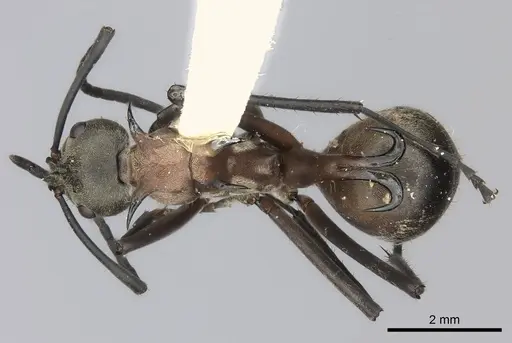
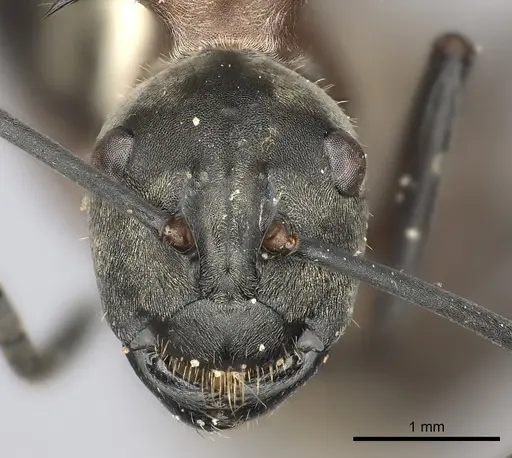
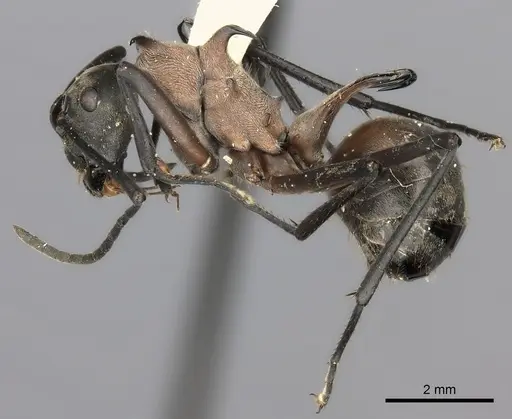
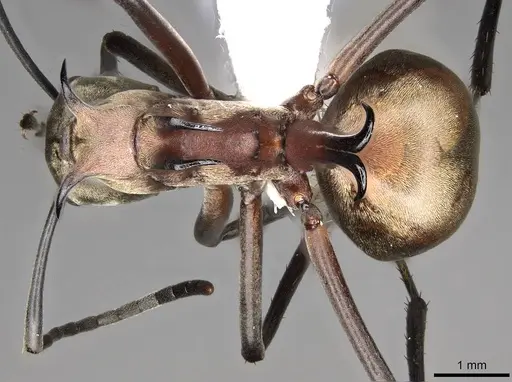
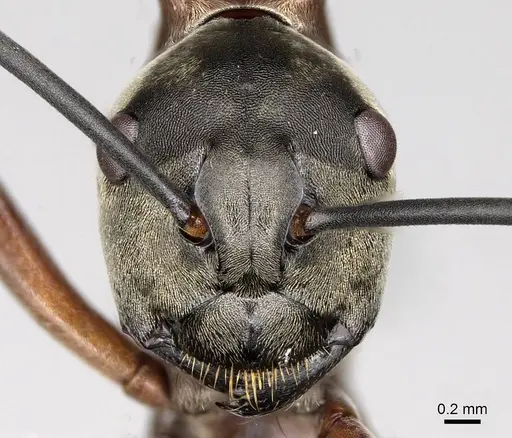
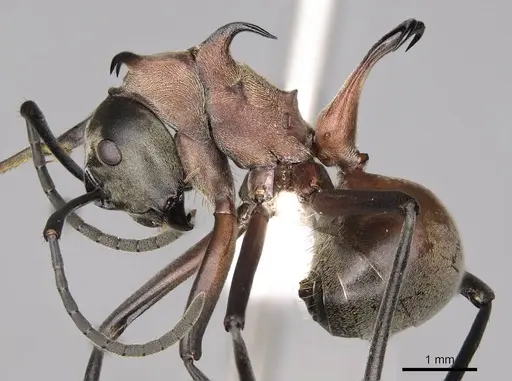
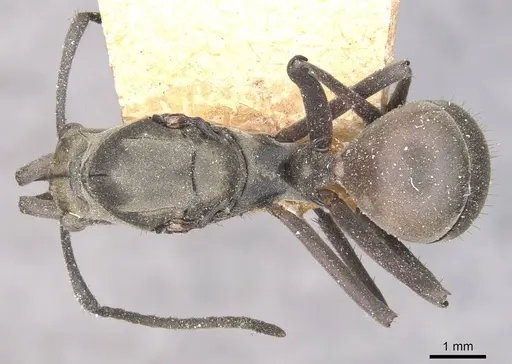
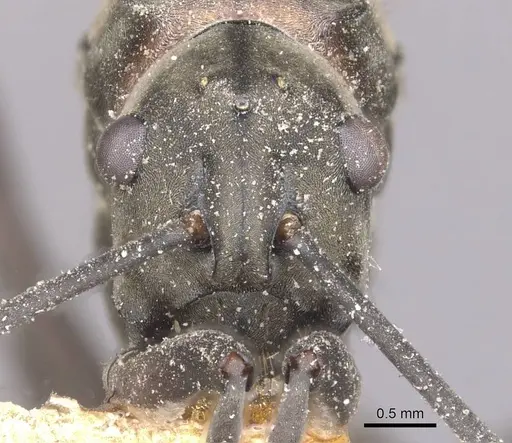
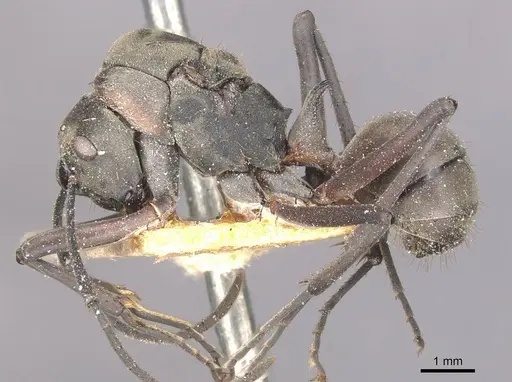
Polyrhachis olybria is a relatively large spiny ant (workers 8-11mm, queens 10-11mm) found across Southeast Asia, from Thailand and Malaysia through Borneo, Sumatra, Java, and the Philippines [1]. Workers are distinctive with their reddish-brown first gastral segment (the rear body section) and sharp spines projecting from the pronotum, mesonotum, and propodeum [1]. The head and body are mostly black to dark reddish-brown, with lighter reddish-brown legs and coxae.
What makes P. olybria unusual is its nesting habits. Most Polyrhachis species are tree-nesting (arboreal), but this species is one of the exceptions that nests in the ground or in rotting logs on the forest floor [1]. This terrestrial lifestyle, combined with its relatively large size and striking spines, makes it an interesting species for antkeepers looking for something different from the typical arboreal Polyrhachis.
Quick Summary
- Difficulty: Medium
- Origin & Habitat: Southeast Asia, Thailand, peninsular Malaysia, Singapore, Borneo, Sumatra, Java, and Philippines. Found in tropical rainforest environments, typically nesting in the ground or in rotten logs [1][2].
- Colony Type: Monogyne (single queen) colonies with multiple nests per colony [3]. Each colony can have several nest sites connected by foraging trails.
- Colony: Monogyne
- Size & Growth:
- Queen: 10.08-11.24 mm [1]
- Worker: 8.11-9.88 mm [1]
- Colony: Unknown maximum, likely moderate to large given the multiple-nest structure [3]
- Growth: Moderate, estimated based on typical Polyrhachis development patterns
- Development: Estimated 8-12 weeks at tropical temperatures (25-28°C) based on genus patterns (Direct development data unavailable, Polyrhachis generally have moderate development times. Cocoons are present in this species [4].)
- Antkeeping:
- Temperature: Keep at 24-28°C (tropical warmth). A heating cable on one side of the nest creates a gradient allowing workers to self-regulate. Room temperature may suffice in warm homes [1].
- Humidity: High humidity (70-85%) matching their rainforest origin. Keep the nest substrate consistently moist but not waterlogged. Provide a water tube as a constant moisture source [1].
- Diapause: Unlikely, being a tropical species from Southeast Asia, they probably do not require a true hibernation. However, they may slow down slightly during cooler periods [1].
- Nesting: Terrestrial nesting in moist substrate. Y-tong (AAC) nests or plaster nests work well. They prefer narrow chambers and will use multiple connected nest boxes due to their multi-nest colony structure [3]. A naturalistic setup with damp soil/decorations also works since they naturally nest in rotting logs and soil [1].
- Behavior: Generally calm and non-aggressive for a large ant. Workers are diurnal and forage actively during the day [5]. They are known to tend hemipterans (sap-sucking insects) for honeydew, which is a sugar source [5]. Escape risk is moderate, their large size (8-11mm) makes them easier to contain than tiny ants, but they are strong climbers. Use standard barrier methods (fluon on rim edges). They form well-defined foraging trails between their multiple nest sites [3].
- Common Issues: multi-nest structure means they need more space than single-nest species, consider connecting multiple nest areas, tropical humidity requirements can lead to mold if ventilation is poor, balance humidity with airflow, ground-nesting behavior means they need deeper substrate or appropriate nest chambers, not suitable for shallow setups, large size and diurnal activity means they are more visible than nocturnal species, place nest in a visible location if you want to observe them, wild-caught colonies may be difficult to establish in captivity due to stress from collection and transport
Housing and Nest Setup
Polyrhachis olybria is a terrestrial nester, unlike many of its arboreal relatives. This means they need nest setups that provide moist soil or substrate rather than simply attaching to wood or branches. A Y-tong (AAC) formicarium works well with chambers scaled to their large size (at least 8-10mm wide passages). Plaster nests also work, as long as you keep them consistently moist.
Because they naturally have multiple nests per colony in the wild, consider connecting two or three nest areas with tubing to give them options. This mimics their natural multi-nest structure and can reduce stress [3]. The nest should be kept dark (cover with an opaque sleeve or cardboard) since they are ground-nesting ants that prefer dark, humid chambers.
The outworld (foraging area) can be a standard plastic or glass container. Since they are large ants (8-11mm), they cannot squeeze through typical ant farm barriers, but standard escape prevention (fluon on rim edges) is still good practice.
Feeding and Diet
In the wild, P. olybria is known to participate in trophobioses, they tend hemipterans (sap-sucking insects like aphids and scale insects) and collect the honeydew these insects produce [5]. This means they are accustomed to sugar sources in their diet. They are also diurnal foragers, so they actively search for food during daylight hours.
In captivity, offer a mixed diet: sugar water or honey as a constant energy source (they will readily take this due to their honeydew-collecting behavior in the wild), and protein sources like mealworms, crickets, or other feeder insects. Feed protein 2-3 times per week, and keep sugar water available at all times. Remove uneaten prey after 24-48 hours to prevent mold.
Their large size means they can tackle larger prey items than tiny ants, but start with appropriately sized insects (mealworm-sized or smaller).
Temperature and Humidity
Being a tropical species from Southeast Asia, P. olybria needs warm, humid conditions. Keep the nest area at 24-28°C, this is typical room temperature in many homes, but you may need a heating cable or heat mat in cooler climates. Place the heating element on top of the nest, not underneath, to avoid drying out the substrate too quickly.
Humidity is critical. These ants come from rainforest environments in Borneo, Sumatra, and surrounding areas where humidity is constantly high [1]. Keep the nest substrate consistently moist, it should feel damp to the touch but not have standing water. A water tube connected to the nest setup helps maintain humidity through evaporation. If you see condensation on the nest walls, the humidity is good. If the substrate dries out quickly, increase misting frequency or add more water sources.
Since they do not hibernate (being tropical), you can maintain these conditions year-round without a winter cooling period.
Colony Structure and Growth
P. olybria colonies are monogyne (single queen) but have a distinctive multi-nest structure, a single colony maintains several connected nest sites rather than one central nest [3]. This is unusual among ants and means the colony spreads out over a larger area.
Queens are large (10-11mm) and can live for many years, producing workers continuously once established. Workers are also large (8-11mm) with distinctive spines on the thorax and rear. The brood develops in cocoons [4], which is typical for Formicinae ants.
Growth is moderate, expect several months from founding to the first batch of workers (nanitics), then gradual growth over the first year. Colonies likely reach several hundred workers at maturity, though exact maximum colony size is not documented. Be patient with founding colonies, they grow steadily but not rapidly.
Behavior and Observation
These ants are diurnal and relatively calm, making them good for observation. Workers actively forage during the day and will establish trails between their multiple nest sites [3]. They are not particularly aggressive, they will retreat rather than attack when disturbed, though they can bite if threatened.
Their large size and distinctive appearance (the spines are very visible under magnification) make them an interesting species to watch. The workers have a reddish-brown first gastral segment that contrasts with their otherwise dark body [1], making them visually distinctive.
Because they are ground-nesting and prefer dark, humid conditions, you may see less activity than with arboreal species that nest in transparent setups. Consider using a clear observation nest or removable cover so you can peek in on the colony without disturbing them.
Frequently Asked Questions
How long does it take for Polyrhachis olybria to produce first workers?
Expect 8-12 weeks from founding to first workers (nanitics) at tropical temperatures (25-28°C). This is an estimate based on typical Polyrhachis development patterns, as specific development timing for this species has not been documented. The queen will remain sealed in her founding chamber until her first workers emerge.
Can I keep multiple Polyrhachis olybria queens together?
No. This species is monogyne, colonies have a single queen [3]. Multiple unrelated queens will fight. Only keep one queen per colony. However, established colonies naturally have multiple nest sites, so once your colony grows, consider connecting additional nest areas.
What do I feed Polyrhachis olybria?
They accept a varied diet. Offer sugar water or honey constantly (they are known to collect honeydew in the wild [5]), and protein sources like mealworms, crickets, or other feeder insects 2-3 times per week. Their large size means they can handle bigger prey than tiny ants. Remove uneaten prey after 24-48 hours.
Are Polyrhachis olybria good for beginners?
They are intermediate in difficulty. Their large size and relatively calm temperament make them manageable, but they have specific humidity and temperature requirements (tropical warmth and high humidity) that require more attention than temperate species. They also need more space due to their multi-nest colony structure. If you can maintain warm, humid conditions consistently, they are a rewarding species.
When should I move my colony to a formicarium?
Start in a test tube setup for the founding queen. Once the colony reaches 20-30 workers and you see them producing brood consistently (after several months), you can move them to a larger nest setup. Because they are ground-nesting and prefer multiple nest sites, consider a Y-tong or plaster formicarium with connected chambers. Move them when the test tube becomes crowded or the water reservoir runs low.
Do Polyrhachis olybria need hibernation?
No. Being a tropical species from Southeast Asia, they do not require hibernation [1]. Keep them at warm, tropical temperatures (24-28°C) year-round. They may slow slightly during cooler periods, but do not attempt to cool them for winter dormancy.
Why is my Polyrhachis olybria colony not growing?
Check three things: temperature (should be 24-28°C), humidity (substrate should be consistently moist), and food (sugar water available constantly, protein offered 2-3 times weekly). Also ensure the nest is dark and quiet, they prefer dark, undisturbed conditions. If the queen has died, the colony will not produce new workers. A healthy queen should lay eggs regularly.
How big do Polyrhachis olybria colonies get?
Exact maximum colony size is not documented, but the multi-nest structure suggests they can grow quite large, likely several hundred workers at maturity [3]. Growth is moderate, taking a year or more to reach significant numbers. Be patient and ensure proper care conditions.
References

This caresheet is licensed under CC BY-SA 4.0 .
Literature
Loading...Loading products...