

Polyrhachis oedipus
- Scientific Name
- Polyrhachis oedipus
- Subgenus
- Myrmhopla
- Tribe
- Camponotini
- Subfamily
- Formicinae
- Author
- Forel, 1893
- Distribution
- Found in 1 countries
Polyrhachis oedipus Overview
Polyrhachis oedipus is an ant species of the genus Polyrhachis. It is primarily documented in 1 countries , including Sri Lanka. Detailed taxonomic data and occurrence records can be further explored via authoritative databases such as AntWeb or the Global Biodiversity Information Facility (GBIF).
Polyrhachis oedipus
Polyrhachis oedipus is a spiny ant species belonging to the subgenus Myrmhopla, found across the Indomalaya region including India, Sri Lanka, and Burma [1][2]. Workers are typical of the genus Polyrhachis, featuring distinctive spines on the thorax which help distinguish them from other Formicinae ants. As a tropical species from South Asia, these ants prefer warm, humid conditions similar to their native forest habitats in India and Sri Lanka.
Quick Summary
- Difficulty: Medium
- Origin & Habitat: Native to the Indomalaya region, India, Sri Lanka, and Burma. Found in tropical and subtropical forested areas [1][2].
- Colony Type: Colony structure is unconfirmed. Most Polyrhachis species are single-queen (monogyne) colonies, but specific data for P. oedipus is lacking.
- Size & Growth:
- Queen: Estimated 10-12mm based on genus patterns for Myrmhopla subgenus
- Worker: Estimated 6-9mm based on genus typical sizes
- Colony: Estimated moderate colony size, likely several hundred workers based on related species
- Growth: Moderate, estimated based on tropical Formicinae patterns
- Development: Estimated 6-8 weeks at optimal temperature based on related Formicinae species (Direct development data unavailable, estimate based on genus-level patterns for tropical Polyrhachis)
- Antkeeping:
- Temperature: Keep at 24-28°C. As a tropical species from India and Sri Lanka, they need warm conditions year-round. A heating cable on one side of the nest creates a suitable gradient.
- Humidity: Maintain moderate to high humidity (60-80%). These forest-dwelling ants prefer damp conditions. Keep the nest substrate consistently moist but not waterlogged.
- Diapause: Likely minimal or no true diapause given their tropical origin. Some reduction in activity during cooler months may occur, but hibernation is not required.
- Nesting: Likely semi-arboreal or ground-nesting in nature. In captivity, a naturalistic setup with soil substrate or a Y-tong/plaster nest works well. They may appreciate access to elevated structures.
- Behavior: Polyrhachis ants are generally less aggressive than some genera, but will defend their nest if threatened. Workers are active foragers, likely collecting honeydew and small prey in nature. Escape prevention should be moderate, they are not tiny ants but can climb well. They are diurnal, active during daylight hours.
- Common Issues: tropical species requires consistent warmth, cold temperatures can slow or stop brood development, high humidity needs mean mold can be an issue if ventilation is poor, limited data means colony founding may be challenging, queens need secure, dark chambers, wild-caught colonies may carry parasites that affect captive survival, slow growth compared to faster-developing genera requires patience
Nest Preferences
In the wild, Polyrhachis species often nest in soil, under stones, or in decaying wood in forested areas. Some species in the Myrmhopla subgenus are semi-arboreal, nesting in elevated locations. For captive colonies, provide a nest with chambers sized appropriately for their worker size (6-9mm). A naturalistic setup with moist soil substrate works well, or you can use a Y-tong/plaster nest. Many keepers find that these ants appreciate having some vertical space or structures to climb on, reflecting their potentially semi-arboreal nature. [2]
Feeding and Diet
Polyrhachis ants are omnivorous, similar to other Formicinae. They likely feed on honeydew from aphids and scale insects in nature, along with small insects and other protein sources. In captivity, offer sugar water or honey as a constant energy source. For protein, provide small insects like fruit flies, small crickets, or mealworms. Feed protein sources 2-3 times per week, and keep sugar water available at all times. Remove any uneaten prey after 24 hours to prevent mold issues.
Temperature and Care
As a tropical species from India and Sri Lanka, Polyrhachis oauth requires warm temperatures to thrive. Keep the nest area at 24-28°C consistently. A small heating cable placed on one side of the nest can create a temperature gradient, allowing ants to self-regulate. Avoid temperatures below 20°C for extended periods, as this can slow brood development and potentially harm the colony. Room temperature in most homes (20-24°C) may be marginal, consider using a heat source for optimal results.
Behavior and Temperament
Polyrhachis ants are generally considered docile and non-aggressive compared to some other ant genera. They focus on foraging and colony maintenance rather than territorial defense. Workers are active during the day and will readily explore their outworld in search of food. They can climb smooth surfaces but are not particularly known for escaping, standard barrier methods like fluon on container rims should suffice. When disturbed, they may retreat into their nest rather than attack.
Frequently Asked Questions
How long does it take for Polyrhachis oauth to get their first workers?
Estimated 6-8 weeks from egg to worker at optimal temperature (24-28°C). This is based on typical Formicinae development patterns since specific data for this species is unavailable.
Can I keep Polyrhachis oauth in a test tube?
Test tubes can work for founding colonies, but you may need to upgrade to a larger nest as the colony grows. Ensure the test tube has a water reservoir and maintain high humidity around it.
What temperature do Polyrhachis oauth ants need?
Keep them warm at 24-28°C. As a tropical species from India and Sri Lanka, they need consistent warmth year-round. A heating cable or heat mat on one side of the nest helps maintain optimal temperatures.
Are Polyrhachis oauth good for beginners?
This species is rated as medium difficulty. While not the hardest species to keep, the lack of specific care data and their tropical temperature requirements make them better suited for keepers who already have some experience with ant keeping.
How big do Polyrhachis oauth colonies get?
Estimated to reach several hundred workers based on related species in the genus. Exact maximum colony size is unknown due to limited data on this specific species.
Do Polyrhachis oauth need hibernation?
No true hibernation is required. As a tropical species, they do not experience cold winters in their native habitat. You may notice reduced activity during cooler months, but a formal diapause period is not necessary.
What do Polyrhachis oauth eat?
They are omnivorous. Offer sugar water or honey as a constant energy source, along with small insects like fruit flies, small crickets, or mealworms for protein. Feed protein 2-3 times per week.
When should I move my Polyrhachis oauth to a formicarium?
Move them when the colony reaches around 20-30 workers and the test tube setup becomes cramped. Make sure the formicarium provides appropriate humidity and chamber sizes for their worker size.
Can I keep multiple Polyrhachis oauth queens together?
This has not been studied for this specific species. Most Polyrhachis are single-queen colonies, so combining unrelated queens is not recommended without evidence they can coexist.
References

This caresheet is licensed under CC BY-SA 4.0 .
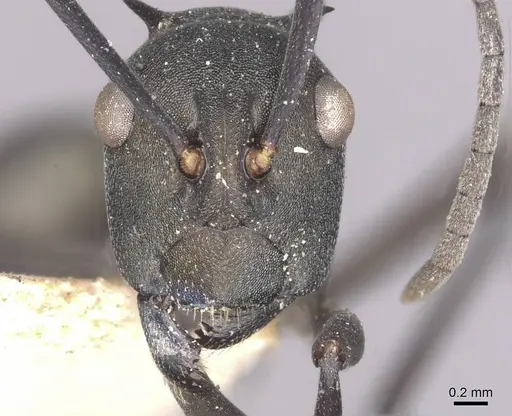
CASENT0906763
View on AntWeb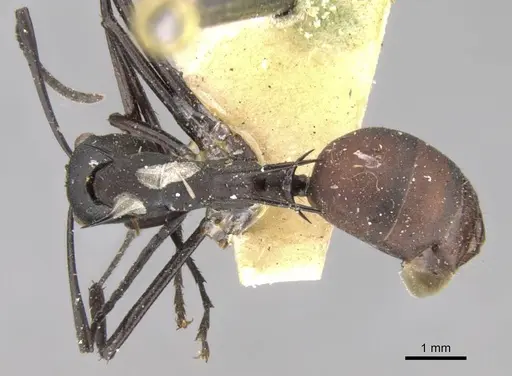
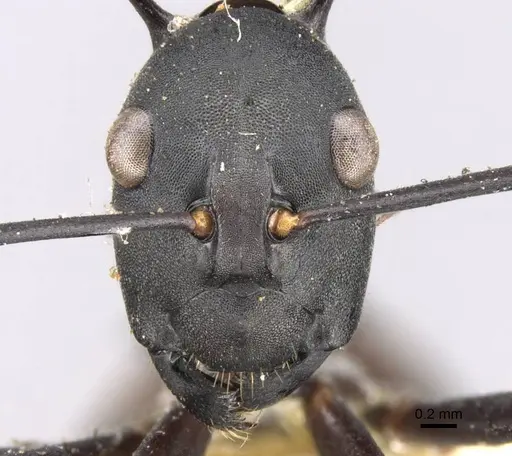
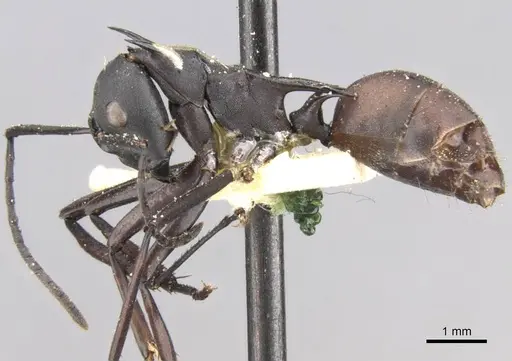
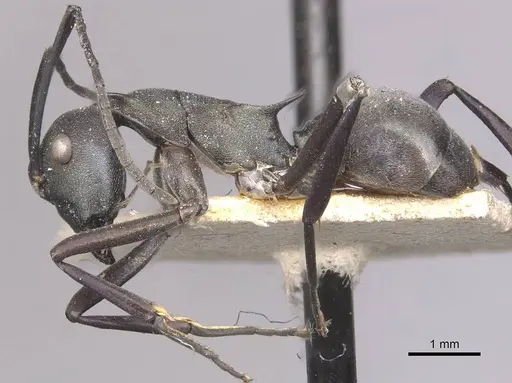
CASENT0910874
View on AntWeb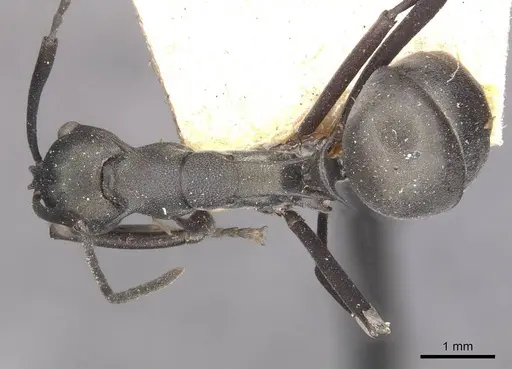
Literature
Loading...Loading products...