

Polyrhachis ochracea
- Scientific Name
- Polyrhachis ochracea
- Subgenus
- Myrmhopla
- Tribe
- Camponotini
- Subfamily
- Formicinae
- Author
- Karavaiev, 1927
- Distribution
- Found in 1 countries
Polyrhachis ochracea Overview
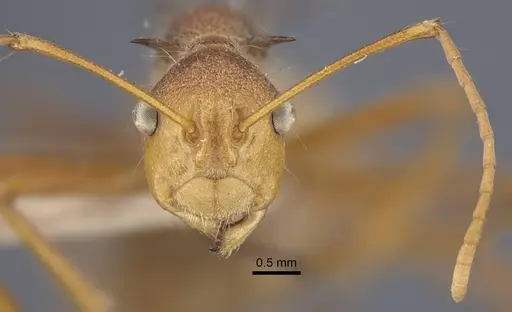
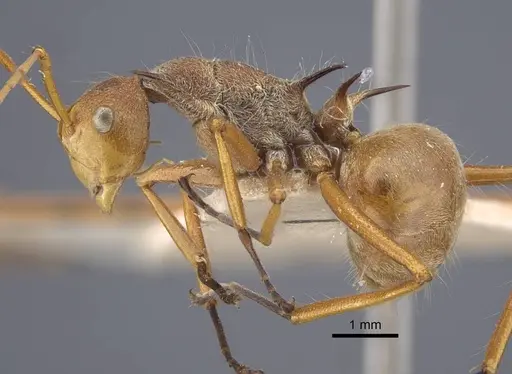
Polyrhachis ochracea is an ant species of the genus Polyrhachis. It is primarily documented in 1 countries , including Indonesia. Detailed taxonomic data and occurrence records can be further explored via authoritative databases such as AntWeb or the Global Biodiversity Information Facility (GBIF).
Polyrhachis ochracea
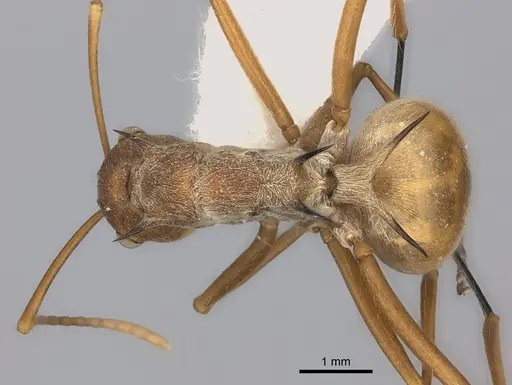
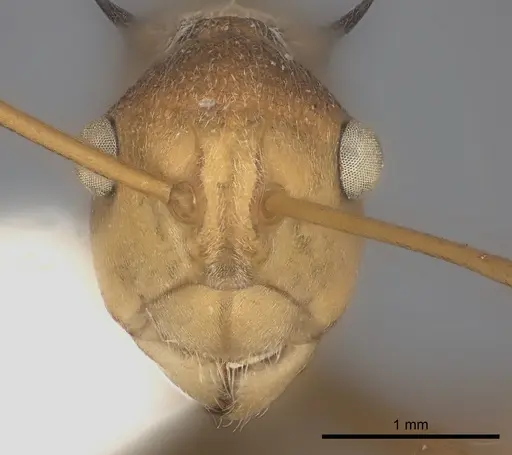
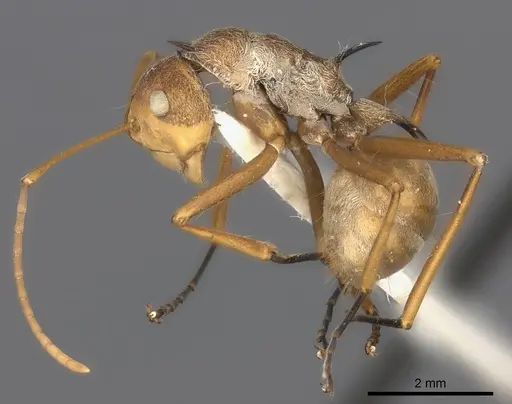
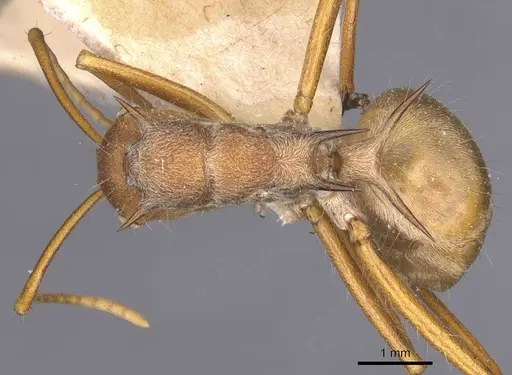
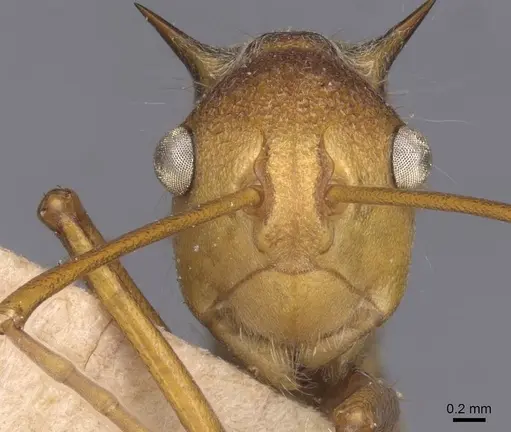
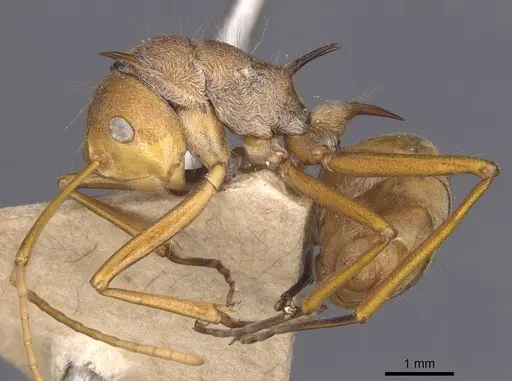
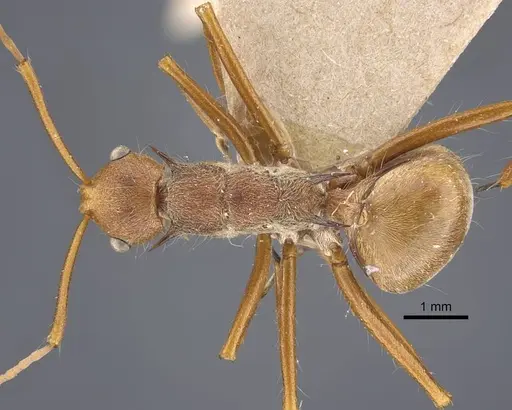
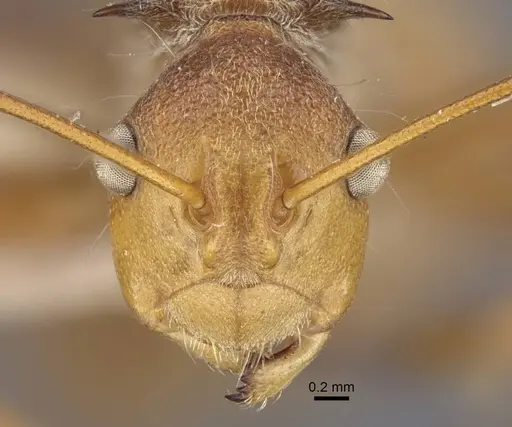
Polyrhachis ochracea is a tropical arboreal ant belonging to the subgenus Myrmhopla, part of the ochracea-group. Workers are modest in size with the characteristic Polyrhachis morphology, they have a rounded mesosoma and often show metallic or iridescent coloration. This species is native to the Indomalaya region, specifically found in Borneo, Java (Indonesia), and Malaysia [1]. Unlike many Formicinae, this species builds arboreal nests and uses silk to construct their homes, weaving together leaves or other plant material in tree canopies [2]. They are one of the more unusual Formicinae because their pupae are encased in cocoons, unlike most ants in this subfamily which have naked pupae [2].
Quick Summary
- Difficulty: Medium
- Origin & Habitat: Tropical forests of Borneo, Java, and Malaysia. They are arboreal nesters, building their colonies in trees using silk to bind nest materials together [2][1].
- Colony Type: Likely monogyne (single queen) based on typical Polyrhachis colony structure, though this specific species has not been extensively studied.
- Colony: Monogyne
- Founding: Claustral
- Size & Growth:
- Queen: Estimated 8-10mm based on genus patterns, not directly measured for this species
- Worker: Estimated 5-8mm based on genus typical size range
- Colony: Unknown for this specific species, Polyrhachis colonies can reach several hundred workers
- Growth: Moderate, tropical species with year-round activity when warm
- Development: Estimated 6-8 weeks at tropical temperatures (25-28°C) (Development timeline is inferred from related Polyrhachis species, direct data not available for P. ochracea)
- Antkeeping:
- Temperature: Keep warm at 24-28°C. Being tropical, they need consistent warmth year-round. A heating cable on one side of the nest creates a suitable gradient [2].
- Humidity: High humidity, aim for 70-80%. Their arboreal nature means they prefer moist air but not saturated conditions. Mist the outworld occasionally and keep the nest substrate lightly moist [2].
- Diapause: No, as a tropical species, they do not require hibernation. Keep them warm year-round [2].
- Nesting: Arboreal specialists, they need vertical space and climbing opportunities. A naturalistic setup with live or artificial plants works well. They will weave leaves together with silk, so provide flexible materials they can manipulate. Acrylic nests with chambers can work but include branches or cork bark for climbing [2].
- Behavior: Generally peaceful and not aggressive toward keepers. They are active foragers and will search for food throughout their territory. Workers are medium-sized and can climb smooth surfaces. Escape prevention is moderate, they are not tiny but can climb well. Watch for escape attempts, especially if the colony is small and stressed. They are diurnal, actively foraging during daylight hours [2].
- Common Issues: tropical species die if temperatures drop below 20°C, keep them warm year-round, arboreal nature means they need vertical space, horizontal-only nests cause stress, cocooned pupae need humidity but not saturation, too wet causes fungal problems, wild-caught colonies may have parasites, quarantine and observe new colonies, silk-weaving behavior requires appropriate materials, provide leaves or flexible nesting media
Housing and Nest Setup
Polyrhachis ochracea requires an arboreal-style setup that reflects their natural tree-nesting behavior. Unlike ground-nesting ants, they need vertical space with climbing structures. A naturalistic terrarium works best, include live or artificial plants, branches, and cork bark that the ants can walk on and potentially weave with silk. The outworld should have plenty of climbing opportunities. For the nest area, you can use an acrylic formicarium but add branches or vertical elements inside. Some keepers successfullly keep them in setups with multiple connected chambers that allow vertical movement. The key is providing enough height and structure, these ants are not suited to flat, horizontal-only nests [2].
Temperature and Heating
Being a tropical species from Southeast Asia, Polyrhachis ochracea needs warm temperatures year-round. Keep the nest area between 24-28°C. Room temperature is often insufficient unless you live in a consistently warm climate. Use a heating cable or small heat mat on one side of the nest to create a temperature gradient, this allows the ants to choose their preferred temperature. Avoid temperatures below 20°C as prolonged cold can weaken and kill colonies. Unlike temperate species, they do not enter diapause and need consistent warmth to maintain activity and brood development [2].
Feeding and Diet
Polyrhachis ochracea is omnivorous like most ants in the Formicinae subfamily. They accept sugar sources readily, offer sugar water, honey, or diluted maple syrup. For protein, provide small insects like fruit flies, small crickets, or mealworms. They are arboreal foragers, so place food on elevated surfaces or platforms rather than on the ground. Feed them small prey items 2-3 times per week, and keep sugar water available constantly. Remove uneaten prey after 24 hours to prevent mold. Being a tropical species, they may have higher moisture needs, a small water dish in the outworld helps [3].
Humidity and Moisture
These ants need higher humidity than typical temperate species, aim for 70-80% relative humidity. Their arboreal lifestyle means they are used to humid forest canopy conditions. Keep the nest substrate lightly moist but not waterlogged. Mist the outworld occasionally, especially if you notice workers clustering near moisture. The key is consistency, avoid cycles of drying out followed by heavy wetting. Since they have cocooned pupae, humidity is particularly important during pupal development. Too dry and cocoons may desiccate, too wet and mold becomes a problem. A balanced approach is damp substrate that never fully dries out [2].
Unique Silk-Weaving Behavior
One of the most interesting aspects of Polyrhachis ochracea is their use of silk in nest construction. Workers produce silk from their labial glands and use it to bind together leaves, debris, or other materials to create sheltered nests in tree branches. In captivity, you can observe this behavior by providing flexible materials like fresh leaves, moss, or thin strips of paper. The ants will manipulate these materials and bind them with silk. This behavior is more commonly associated with weaver ants (Oecophylla), but Polyrhachis species do similar nest-building. Providing materials for this behavior enriches the colony and lets them express natural instincts [2].
Colony Development
Polyrhachis ochracea colonies grow moderately fast at optimal temperatures. The queen is claustral, she seals herself in a chamber and raises the first brood alone, living off her stored fat reserves until nanitic (first) workers emerge. Development from egg to worker takes approximately 6-8 weeks at 25-28°C. The first workers (nanitics) are typically smaller than normal workers. Unlike most Formicinae, their pupae are cocooned, which means you may see white silk-covered pupae in the nest rather than naked pupae. This is an unusual trait within their subfamily. Colonies can reach several hundred workers over time with proper care [2].
Frequently Asked Questions
Can I keep Polyrhachis ochracea in a test tube?
Test tubes are not ideal for this species. They are arboreal ants that need vertical space and climbing structures. A test tube setup lacks the height and climbing opportunities they need. Use a naturalistic terrarium or an acrylic formicarium with branches and vertical elements instead [2].
Do Polyrhachis ochracea ants need hibernation?
No, they do not need hibernation. As a tropical species from Borneo and Malaysia, they require warm temperatures year-round. Keep them at 24-28°C consistently. Unlike temperate ants, they remain active throughout the year and do not enter diapause [2].
How long does it take for Polyrhachis ochracea to produce first workers?
At optimal temperatures of 25-28°C, expect first workers (nanitics) approximately 6-8 weeks after the queen lays eggs. This is typical for tropical Polyrhachis species. The exact timeline depends on temperature, cooler conditions slow development significantly [2].
What do Polyrhachis ochracea ants eat?
They are omnivorous. Offer sugar water, honey, or maple syrup as a constant carbohydrate source. For protein, provide small insects like fruit flies, small crickets, or mealworms 2-3 times per week. Place food on elevated surfaces since they are arboreal foragers. Remove uneaten prey after 24 hours [3].
Are Polyrhachis ochracea good for beginners?
They are rated as medium difficulty. They require more specific conditions than common temperate species, specifically warm temperatures and high humidity year-round. If you can maintain 24-28°C consistently and provide an arboreal-style setup, they are manageable. However, beginners might find the heating and humidity requirements challenging [2].
When should I move Polyrhachis ochracea to a formicarium?
Move them when the colony reaches around 50-100 workers and the test tube or founding setup becomes cramped. For arboreal species like this, choose a formicarium with vertical space and climbing opportunities rather than a horizontal design. Ensure the formicarium maintains humidity well and includes materials they can potentially weave with [2].
How big do Polyrhachis ochracea colonies get?
Colonies can reach several hundred workers with proper care. The exact maximum is not documented for this specific species, but related Polyrhachis species typically reach 300-500 workers. Growth rate is moderate, faster at warm tropical temperatures (25-28°C) [2].
Why are my Polyrhachis ochracea dying?
The most common causes are temperatures below 20°C (tropical species are cold-sensitive), low humidity causing desiccation, or improper setup lacking vertical climbing space. Check that temperatures are consistently warm, humidity is adequate (70-80%), and the setup allows for arboreal behavior. Also check for parasites, which can affect wild-caught colonies [2].
Can I keep multiple Polyrhachis ochracea queens together?
This is not recommended. Polyrhachis species are typically monogyne (single queen). Combining unrelated queens has not been documented for this species and would likely result in aggression. If you capture a founding queen, house her alone until she establishes her colony [2].
References

This caresheet is licensed under CC BY-SA 4.0 .
Literature
Loading...Loading products...