

Polyrhachis obtusa
- Scientific Name
- Polyrhachis obtusa
- Subgenus
- Chariomyrma
- Tribe
- Camponotini
- Subfamily
- Formicinae
- Author
- Emery, 1897
- Distribution
- Found in 2 countries
Polyrhachis obtusa Overview
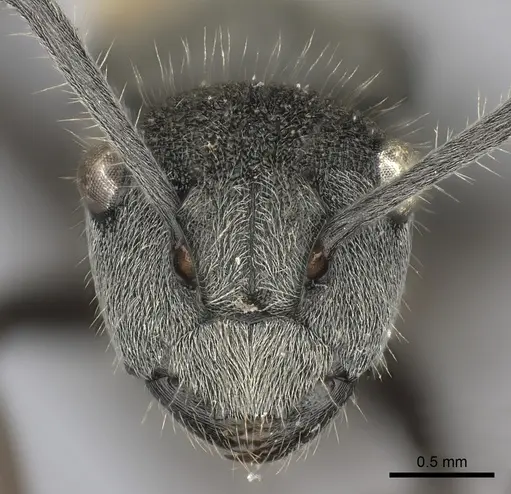
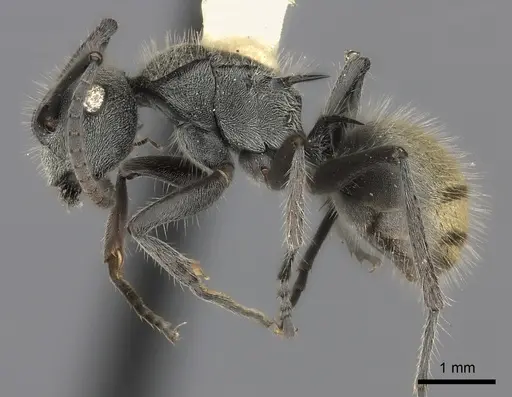
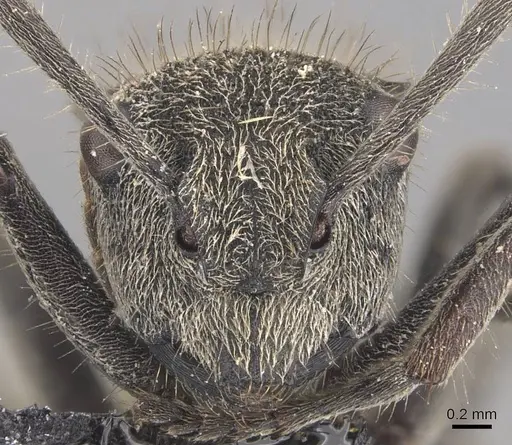
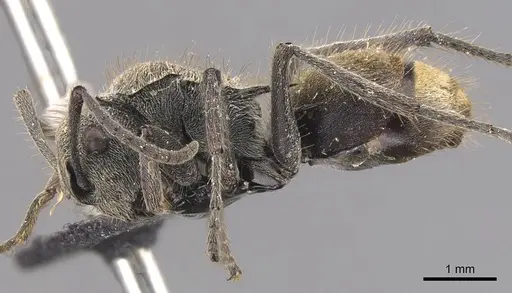
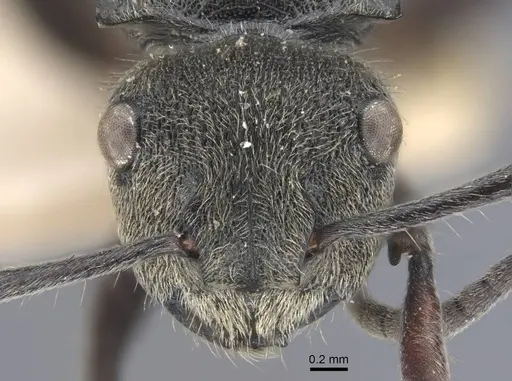
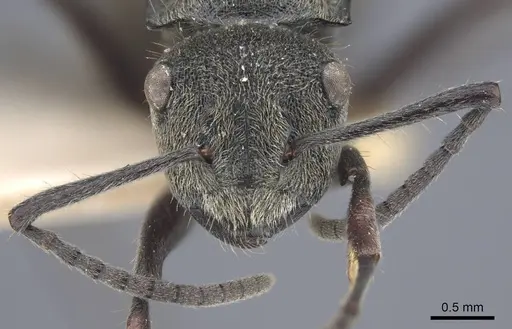
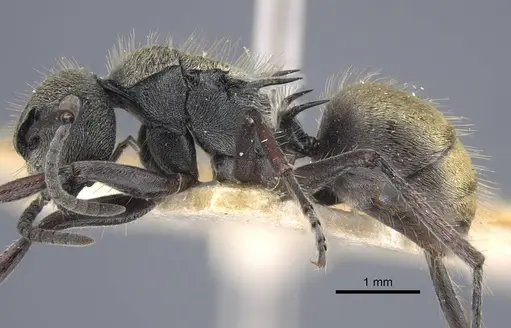
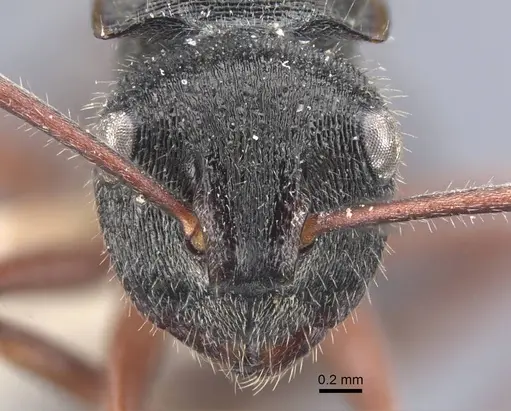
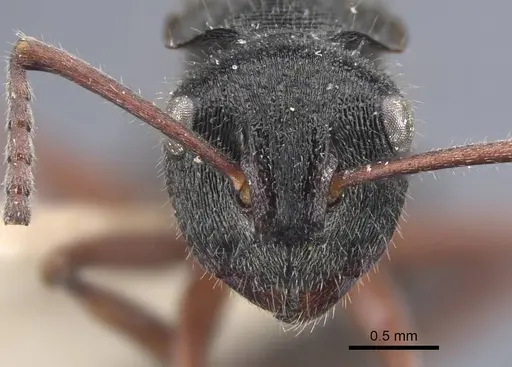
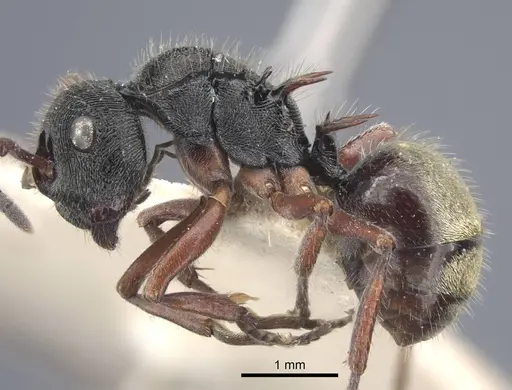
Polyrhachis obtusa is an ant species of the genus Polyrhachis. It is primarily documented in 2 countries , including Indonesia, Papua New Guinea. Detailed taxonomic data and occurrence records can be further explored via authoritative databases such as AntWeb or the Global Biodiversity Information Facility (GBIF).
Polyrhachis obtusa
Polyrhachis obtusa is a tropical ant species originally described from New Britain and also found in Papua [1]. The genus Polyrhachis is known for its spiny ants, many of which have distinctive spines on the thorax. As a species from the Papua New Guinea region, these ants inhabit a humid tropical environment. Little specific information exists about this particular species in the scientific literature, but they are likely tree-nesting or semi-arboreal given the genus typical behavior.
Quick Summary
- Difficulty: Unknown, limited species-specific data available
- Origin & Habitat: New Britain and Papua (Papua New Guinea region), tropical humid forest environment [1]
- Colony Type: Colony structure is unconfirmed for this species. Most Polyrhachis species are monogyne (single queen) colonies, but this has not been verified for P. obtusa.
- Size & Growth:
- Queen: Unknown, estimated 10-14mm based on typical Polyrhachis genus size range
- Worker: Unknown, estimated 6-10mm based on genus patterns
- Colony: Unknown, likely several hundred workers based on typical genus colony sizes
- Growth: Unknown, estimated moderate based on tropical species patterns
- Development: Unknown, estimated 6-8 weeks based on typical Polyrhachis development at tropical temperatures (Development timeline is unconfirmed for this species. Estimates based on genus-level patterns for tropical Polyrhachis species.)
- Antkeeping:
- Temperature: Estimated 24-28°C based on tropical distribution. Provide a gentle gradient and monitor colony activity.
- Humidity: High humidity required, aim for 70-85% relative humidity consistent with their Papua New Guinea forest habitat.
- Diapause: Unlikely, tropical species from a region with minimal seasonal temperature variation. No diapause expected.
- Nesting: Likely arboreal or semi-arboreal. In captivity, a naturalistic setup with vertical surfaces, cork bark, or a Y-tong/plaster nest with humid conditions would likely work well. Provide climbing structures.
- Behavior: Behavior is unconfirmed for this species. Most Polyrhachis are moderate in temperament, not particularly aggressive, and are active foragers. Escape prevention should be considered given typical worker size, they are not tiny but can climb well. Provide outworld space for foraging.
- Common Issues: Limited species-specific information makes care recommendations uncertain, proceed with caution, Humidity control is critical for tropical species, too dry can be fatal, Tropical species are sensitive to temperature drops, avoid cold drafts, Colony growth rate is unknown, don't panic if growth seems slow, Wild-caught colonies may have parasites or disease, quarantine and monitor
Origin and Natural Habitat
Polyrhachis obtusa originates from the Papua New Guinea region, specifically documented in New Britain and Papua [1]. This area features a humid tropical climate with year-round warmth. The specific microhabitat within this region is not well documented in scientific literature, but Polyrhachis species in general often nest in elevated locations such as in trees, under bark, or in hollow twigs, rather than in ground nests. This suggests P. obtusa may be arboreal or semi-arboreal in its nesting preferences.
Temperature and Humidity Requirements
As a tropical species from the Papua New Guinea region, Polyrhachis obtusa will likely require warm and humid conditions. Estimated optimal temperature is in the range of 24-28°C, which aligns with typical tropical forest temperatures. Avoid temperatures below 22°C or sudden temperature drops. Humidity should be kept high, around 70-85% relative humidity. This can be achieved by keeping the nest substrate moist but not waterlogged, and using a water reservoir in test tube setups. Mist the outworld occasionally to maintain humidity. A heating cable on one side of the nest can help maintain warmth if room temperature is below optimal range.
Nesting Preferences
The natural nesting behavior of Polyrhachis obtusa is not specifically documented, but the genus Polyrhachis is known for often being arboreal or semi-arboreal. Many species in this genus nest in elevated locations, under bark, in hollow twigs, or in similar above-ground locations. In captivity, a naturalistic setup with cork bark, vertical surfaces, or a Y-tong/plaster nest with humid conditions would likely be appropriate. Provide climbing structures in the outworld to accommodate their likely arboreal nature. Ensure the nest maintains adequate humidity without becoming stagnant.
Feeding and Diet
Specific dietary information for Polyrhachis obtusa is not available in the scientific literature. Based on typical Polyrhachis genus behavior, they are likely omnivorous, accepting both sugar sources (honey, sugar water) and protein sources (insects, small arthropods). In captivity, offer a mix of sugar water or honey as a constant energy source, and protein foods such as small crickets, mealworms, or other insects 2-3 times per week. Remove uneaten prey after 24-48 hours to prevent mold. Observe your colony's preferences and adjust feeding accordingly.
Colony Development and Growth
The colony development timeline for Polyrhachis obtusa has not been specifically studied. Based on typical Polyrhachis genus patterns for tropical species, estimate an egg-to-worker development time of approximately 6-8 weeks at optimal temperatures (around 26°C). Initial workers (nanitics) will likely be smaller than mature workers. Colony growth rate is estimated as moderate, don't be alarmed if growth seems slow compared to faster-growing genera like Lasius or Tapinoma. Provide consistent care conditions and adequate food to support healthy colony development.
Frequently Asked Questions
How long does it take for Polyrhachis obtusa to produce first workers?
The exact timeline is unconfirmed for this species. Based on typical Polyrhachis genus patterns for tropical species, expect approximately 6-8 weeks from egg to first worker at optimal temperatures around 26°C.
What temperature do Polyrhachis obtusa ants need?
Estimated 24-28°C based on their tropical distribution in Papua New Guinea. Avoid temperatures below 22°C and protect from cold drafts.
Do Polyrhachis obtusa ants need hibernation?
No, as a tropical species from a region with minimal seasonal temperature variation, they do not require hibernation or diapause.
What do Polyrhachis obtusa ants eat?
Specific dietary preferences are unconfirmed, but based on genus patterns they are likely omnivorous. Offer sugar sources (honey, sugar water) constantly and protein (small insects) 2-3 times per week.
Are Polyrhachis obtusa ants good for beginners?
Difficulty level is uncertain due to limited species-specific data. This species is not recommended as a first ant due to the lack of documented care information. Consider starting with more established species like Lasius, Camponotus, or Tetramorium.
What size colony does Polyrhachis obtusa reach?
Maximum colony size is unconfirmed for this species. Based on typical Polyrhachis genus patterns, expect several hundred workers at maturity.
Can I keep multiple Polyrhachis obtusa queens together?
Colony structure is unconfirmed for this species. Most Polyrhachis are monogyne (single queen), but this has not been verified for P. obtusa. Do not combine unrelated queens without documented evidence that they will tolerate each other.
What type of nest is best for Polyrhachis obtusa?
Based on likely arboreal or semi-arboreal nature, a naturalistic setup with cork bark, vertical surfaces, or a Y-tong/plaster nest with humid conditions would likely be appropriate. Provide climbing structures.
Why is my Polyrhachis obtusa colony not growing?
Growth rate is unknown but estimated as moderate. Ensure optimal temperature (24-28°C), high humidity (70-85%), and adequate protein feeding. Slow growth can also result from the queen focusing on colony establishment rather than rapid production.
References

This caresheet is licensed under CC BY-SA 4.0 .
CASENT0217785
View on AntWeb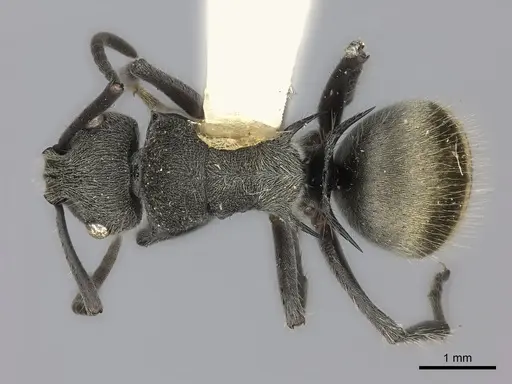
CASENT0905579
View on AntWeb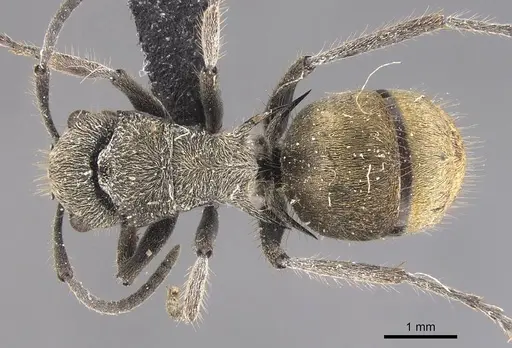
CASENT0917181
View on AntWeb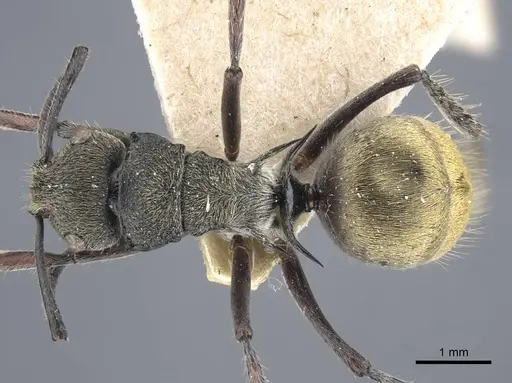
CASENT0917183
View on AntWeb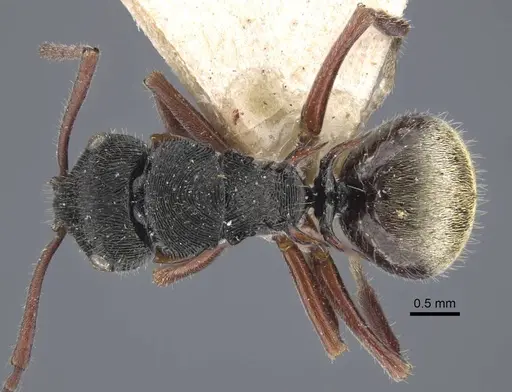
Literature
Loading...Loading products...