

Polyrhachis obesior
- Scientific Name
- Polyrhachis obesior
- Subgenus
- Myrma
- Tribe
- Camponotini
- Subfamily
- Formicinae
- Author
- Viehmeyer, 1916
- Distribution
- Found in 1 countries
Polyrhachis obesior Overview
Polyrhachis obesior is an ant species of the genus Polyrhachis. It is primarily documented in 1 countries , including Malaysia. Detailed taxonomic data and occurrence records can be further explored via authoritative databases such as AntWeb or the Global Biodiversity Information Facility (GBIF).
Polyrhachis obesior
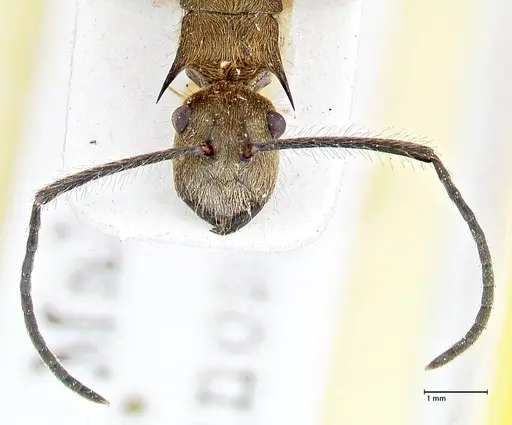
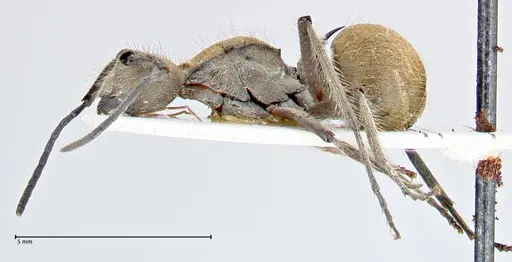
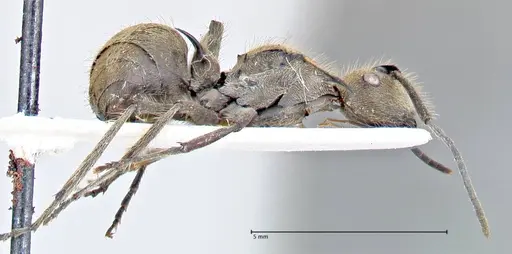
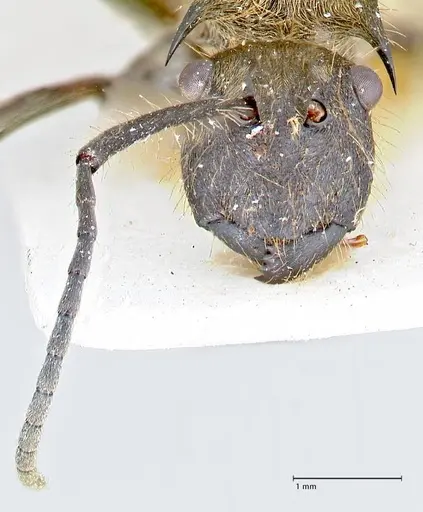
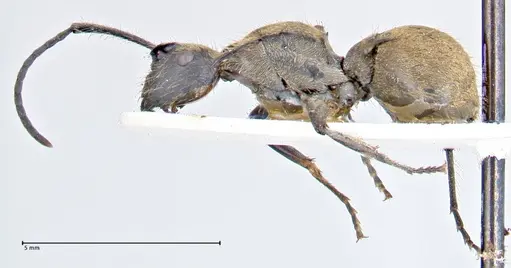
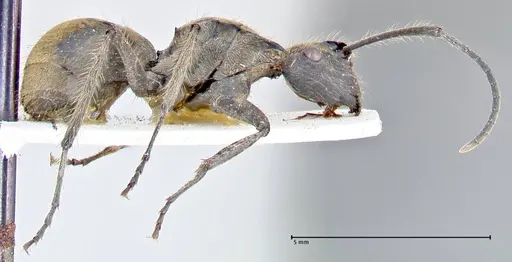
Polyrhachis obesior is a spiny ant species native to Southeast Asia, found across Borneo, Indonesia, Malaysia, the Philippines, and Singapore [1]. Workers are robust ants with distinctive spines projecting from their thorax and petiole, a characteristic feature of the genus Polyrhachis that gives them their common name. The species was originally described as a variety of P. mayri in 1916 and was raised to full species status in 1998. It closely resembles P. illaudata but can be distinguished by its petiole morphology: the ridge between the central pair of spines protrudes anteriorly, and the central spines are more widely divergent [2]. This is a tropical species from the Indomalaya region, indicating it prefers warm, humid conditions typical of Southeast Asian rainforests.
Quick Summary
- Difficulty: Medium
- Origin & Habitat: Southeast Asia, Borneo, Indonesia, Malaysia, Philippines, and Singapore. Found in tropical rainforest environments [1].
- Colony Type: Likely single-queen (monogyne) colonies based on typical Polyrhachis genus patterns. Colony size likely reaches several hundred workers in mature colonies.
- Colony: Monogyne
- Founding: Claustral
- Size & Growth:
- Queen: Estimated 10-12mm based on genus Polyrhachis patterns
- Worker: Estimated 6-9mm based on genus patterns
- Colony: Likely several hundred workers based on related Polyrhachis species
- Growth: Moderate, estimated based on tropical Formicinae patterns
- Development: Estimated 6-10 weeks at optimal tropical temperatures (25-28°C) based on related Formicinae species (Development time is inferred from genus-level data, direct measurements for P. obesior are not available)
- Antkeeping:
- Temperature: Keep at 25-28°C. Tropical species requiring warm conditions. A heating cable on one side of the nest creates a suitable gradient.
- Humidity: High humidity required, aim for 70-80% relative humidity. Keep the nest substrate consistently moist but not waterlogged. Mist occasionally and provide a water tube.
- Diapause: No, this is a tropical species that does not hibernate. Maintain warm temperatures year-round.
- Nesting: In nature, Polyrhachis species often nest in rotting wood, under bark, or in soil. In captivity, a Y-tong (AAC) nest, plaster nest, or naturalistic setup with moist substrate works well. Provide narrow chambers and moderate darkness.
- Behavior: Polyrhachis obesior is a moderately active forager. Workers are not particularly aggressive but will defend the nest if threatened. They have a functional stinger but are not considered dangerous to humans. Workers forage for nectar, honeydew, and small insects. Escape prevention should be moderate, while not tiny, they can squeeze through small gaps if motivated. They are primarily nocturnal or crepuscular foragers.
- Common Issues: tropical species dies if temperatures drop below 20°C for extended periods, high humidity requirements mean mold can be a problem if ventilation is poor, slow colony growth compared to temperate species can frustrate beginners, wild-caught colonies may carry parasites that cause problems in captivity, test tube setups can dry out quickly in dry climates, monitor moisture levels
Housing and Nest Setup
Polyrhachis obesior does well in a variety of nest types. A Y-tong (AAC) formicarium with narrow chambers works well for smaller colonies. For established colonies, a plaster nest or naturalistic setup with moist soil provides the humidity they need. The nest should be kept dark, these ants prefer dim conditions and will be more active in darker setups. An outworld area for foraging is essential, connected to the nest via tubing. Use a test tube with a water reservoir as a humidity chamber attached to the nest. Escape prevention should be moderate, while not tiny, they can escape through small gaps, so ensure all connections are secure.
Feeding and Diet
Like most Polyrhachis species, P. obesior is omnivorous. Offer sugar water or honey as an energy source, replace every 2-3 days. For protein, provide small insects like fruit flies, pinhead crickets, or mealworms. They will also accept other protein sources like bloodworms or small pieces of fish. Feed protein 2-3 times per week for established colonies. Remove any uneaten prey after 24 hours to prevent mold. Fresh water should always be available.
Temperature and Seasonal Care
This is a strict tropical species. Keep the nest area at 25-28°C consistently. A heating cable placed on top of the nest (never underneath, as it dries out moisture) can help maintain temperatures. Room temperature may be sufficient in warm, climate-controlled homes, but monitor with a thermometer. Unlike temperate ants, they do not require hibernation or cooling periods. Maintain warm conditions year-round. Cold drafts or air conditioning can stress or kill colonies. If your room temperature is below 22°C, use supplemental heating.
Colony Development and Growth
Colony growth is moderate rather than rapid. A newly mated queen will lay her first eggs within a week or two of sealing into a founding chamber. Eggs develop through larval and pupal stages before the first workers (nanitics) emerge. This process likely takes 6-10 weeks at optimal temperatures, similar to other Formicinae. Initial colony growth is slow, the queen alone tends the first brood. Once nanitics emerge, growth accelerates as workers take over foraging and brood care. A mature colony may reach several hundred workers over several years. Patience is key with this species.
Behavior and Temperament
Workers are moderately active and will explore the outworld in search of food. They are not particularly aggressive toward keepers but will defend the nest if disturbed. Unlike some Formicinae, they do not have painful stings, the stinger is present but too small to penetrate human skin effectively. Workers are primarily crepuscular or nocturnal, becoming more active in dim light. They communicate through chemical trails and will recruit nestmates to good food sources. Colonies are generally calm and enjoyable to watch.
Frequently Asked Questions
How long does it take for Polyrhachis obesior to produce first workers?
Expect first workers (nanitics) in about 6-10 weeks at optimal temperatures of 25-28°C. This is based on related Formicinae species, direct development data for P. obesior is not available.
What temperature do Polyrhachis obesior need?
Keep them warm at 25-28°C. This is a tropical species that cannot tolerate cool temperatures, avoid anything below 20°C for extended periods.
Can I keep multiple queens together?
Not recommended. Polyrhachis are typically single-queen species. Combining unrelated foundresses has not been studied for this species and could result in fighting.
Do Polyrhachis obesior need hibernation?
No. This is a tropical species that does not hibernate. Maintain warm temperatures year-round.
What do Polyrhachis obesior eat?
They are omnivorous. Offer sugar water or honey for energy, and protein sources like small insects (fruit flies, pinhead crickets, mealworms) 2-3 times per week.
How big do Polyrhachis obesior colonies get?
Based on related species, colonies likely reach several hundred workers over several years. Growth is moderate, not rapid.
Is Polyrhachis obesior good for beginners?
Difficulty is medium. They require warm, humid conditions year-round and have slower growth than temperate species. Experience with tropical ants is helpful.
When should I move them to a formicarium?
Move from a test tube setup to a proper nest (Y-tong, plaster, or naturalistic) when the colony reaches 20-30 workers and the test tube becomes crowded.
Why is my colony declining?
Check temperature first, they need 25-28°C. Then check humidity, too dry causes desiccation, too wet causes mold. Also ensure they have adequate protein and sugar. Parasites are also a possibility with wild-caught colonies.
References

This caresheet is licensed under CC BY-SA 4.0 .
FOCOL2631
View on AntWeb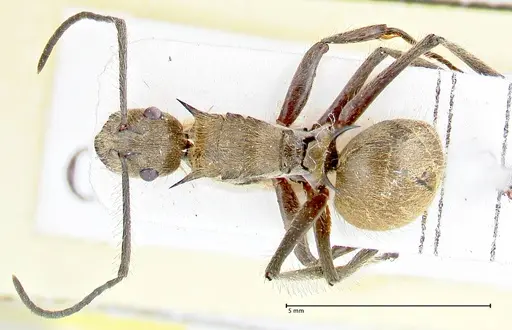
FOCOL2632
View on AntWeb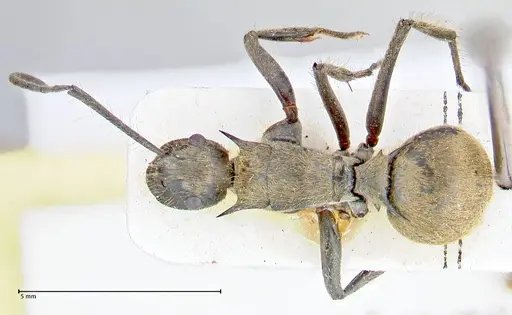
Literature
Loading...Loading products...