

Polyrhachis nudata
- Scientific Name
- Polyrhachis nudata
- Subgenus
- Myrmhopla
- Tribe
- Camponotini
- Subfamily
- Formicinae
- Author
- Smith, 1860
- Distribution
- Found in 1 countries
Polyrhachis nudata Overview
Polyrhachis nudata is an ant species of the genus Polyrhachis. It is primarily documented in 1 countries , including Indonesia. Detailed taxonomic data and occurrence records can be further explored via authoritative databases such as AntWeb or the Global Biodiversity Information Facility (GBIF).
Polyrhachis nudata
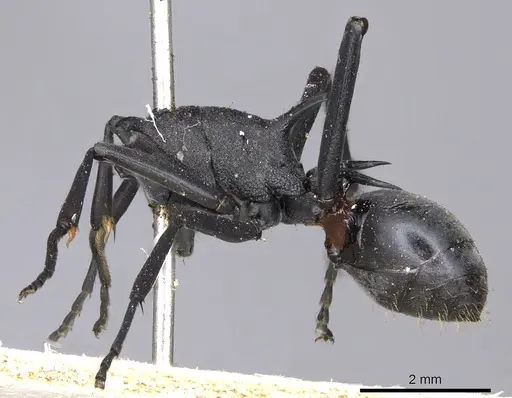
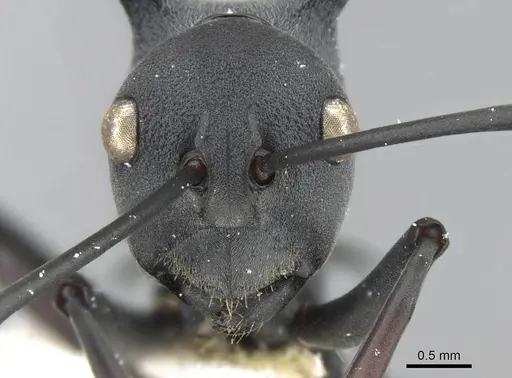
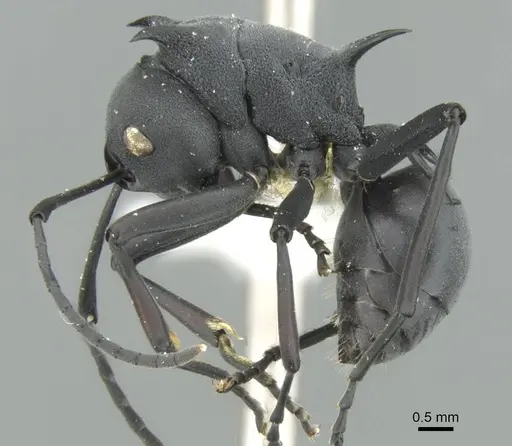
Polyrhachis nudata is a medium-sized ant belonging to the armata species-group within the subgenus Myrmhopla. Workers are distinctive with their spiny propodeum (the section behind the waist) and relatively smooth, glossy body surface. They measure around 6-8mm as workers. This species is native to the Indonesian islands of Sulawesi and Sumatra, where they inhabit tropical forests at elevations between 200-1130 meters [1][2][3].
These ants are arboreal, meaning they nest in vegetation rather than in soil. They are typically found in forest canopies, as evidenced by fogging and malaise samples collected from trees [4]. Like other Polyrhachis species, they are generalist foragers that will scavenge for insects, honeydew, and nectar. They are generally calm-tempered compared to some other Formicinae, though they can be defensive if their nest is disturbed.
Quick Summary
- Difficulty: Medium
- Origin & Habitat: Native to Sulawesi and Sumatra in Indonesia. Found in tropical natural and agroforest environments at elevations of 200-1130m [1][4].
- Colony Type: Likely monogyne (single queen) based on typical Polyrhachis patterns. Colony size is unconfirmed but related species typically reach several hundred workers.
- Colony: Monogyne
- Founding: Claustral
- Size & Growth:
- Queen: Estimated 9-11mm based on genus patterns for armata-group species
- Worker: Estimated 6-8mm based on genus patterns [1]
- Colony: Estimated several hundred workers based on related species
- Growth: Moderate
- Development: Estimated 6-8 weeks at tropical temperatures based on genus patterns for Polyrhachis (Development time is inferred from related tropical Polyrhachis species, actual timing may vary)
- Antkeeping:
- Temperature: Keep at 24-28°C. These are tropical ants from Sulawesi, so they need warm conditions. A heating cable on one side of the nest creates a temperature gradient [4].
- Humidity: Moderate to high humidity (60-80%). As arboreal ants from tropical forests, they prefer humid conditions but need ventilation to prevent mold. Mist occasionally and provide a water tube.
- Diapause: No, these are tropical ants that do not require hibernation. Keep temperatures stable year-round.
- Nesting: Arboreal setup works best. Y-tong (AAC) nests with narrow chambers or naturalistic setups with branches/foliage simulate their natural canopy nesting. They do not need soil substrates.
- Behavior: Generally calm and non-aggressive. They are arboreal foragers, so they will explore their outworld actively. Workers are medium-sized (6-8mm) with good climbing ability, ensure escape prevention is adequate. They do not have a stinger but can spray formic acid as defense. They are generalist feeders accepting both protein and sugar sources.
- Common Issues: tropical species requires consistent warmth, cold drafts can stress or kill colonies, arboreal nature means they may not accept ground-level foraging, provide elevated feeding stations, escape prevention is important, they are good climbers, humidity control is key, too dry causes stress, too wet promotes mold, slow colony growth compared to ground-nesting species can frustrate beginners
Housing and Nest Setup
Polyrhachis nudata is an arboreal species, so your setup should reflect their natural canopy-dwelling lifestyle. Y-tong (AAC) nests work well because they provide smooth, enclosed chambers that mimic tree hollows. Alternatively, a naturalistic setup with branches, cork, or artificial foliage allows them to nest as they would in the wild. Avoid deep soil setups, these ants prefer above-ground spaces. Since they are good climbers, ensure your outworld has barriers or fluon on the edges to prevent escapes. A test tube setup can work for founding colonies, but be prepared to move them to a more spacious arboreal setup once the colony reaches 20-30 workers. [1][4]
Feeding and Diet
Like most Polyrhachis species, P. nudata is a generalist feeder. Offer protein sources like small insects (fruit flies, small crickets, mealworms) and sugar sources such as honey water or sugar water. They will also collect honeydew if you haveaphids or scale insects available. Feed protein 2-3 times per week and keep sugar water available at all times. Remove uneaten prey after 24-48 hours to prevent mold. Since they are arboreal foragers, place food on elevated platforms or branches rather than on the ground. [4]
Temperature and Humidity
Being from tropical Sulawesi, these ants need warm and humid conditions. Maintain temperatures between 24-28°C year-round. A small heating cable placed on one side of the nest creates a gradient that allows the ants to regulate their own temperature. For humidity, aim for 60-80%. You can achieve this with a water tube attached to the nest and occasional misting of the outworld. However, ensure adequate ventilation, stagnant, overly humid conditions promote mold which can be fatal to colonies. Room temperature in most homes may be too cold, so monitor with a thermometer. [4]
Colony Growth and Development
Colony growth will be moderate rather than rapid. A claustral founding queen will seal herself in a small chamber and raise her first workers (nanitics) alone on her stored fat reserves. The first workers typically emerge after 6-8 weeks at optimal temperatures, though this is estimated based on related Polyrhachis species. Initial colony growth is slow, expect several months to reach 50 workers. After that, growth accelerates as more workers are produced. Unlike some fast-growing genera, Polyrhachis colonies tend to be more long-lived and sustainable. Patience is key with this species.
Behavior and Temperament
Polyrhachis nudata is generally calm and not particularly aggressive. Workers are active foragers that will explore their environment systematically. They are arboreal by nature, so they spend more time climbing than walking on flat surfaces. When threatened, they may spray formic acid rather than sting, this is a defense mechanism of Formicinae ants. They are not known for escape artistry compared to some tiny species, but their climbing ability means you should still use barrier tape or fluon on enclosure edges. They are diurnal, most active during daylight hours. [4]
Frequently Asked Questions
How long does it take for Polyrhachis nudata to produce first workers?
Expect first workers (nanitics) to emerge around 6-8 weeks after the queen lays eggs, assuming temperatures of 24-28°C. This is an estimate based on related Polyrhachis species, actual timing may vary.
Can I keep Polyrhachis nudata in a test tube?
Test tubes work for founding colonies, but you will need to move them to an arboreal setup (Y-tong or naturalistic) once the colony reaches 20-30 workers. They are tree-dwelling ants and prefer enclosed chambers off the ground.
What temperature do Polyrhachis nudata need?
Keep them at 24-28°C. These are tropical ants from Sulawesi that need consistent warmth. A heating cable on part of the nest helps maintain optimal temperatures.
Do Polyrhachis nudata need hibernation?
No. As tropical ants from Indonesia, they do not require diapause or hibernation. Keep temperatures stable year-round without cooling periods.
Are Polyrhachis nudata good for beginners?
They are rated as medium difficulty. They require warm, humid conditions and an arboreal setup, which is slightly more specialized than typical ground-nesting ants. Some antkeeping experience is helpful.
How big do Polyrhachis nudata colonies get?
Based on related species, colonies likely reach several hundred workers. Growth is moderate rather than rapid, so expect several months to a year to reach significant numbers.
What do Polyrhachis nudata eat?
They are generalist feeders. Offer small insects (fruit flies, small crickets, mealworms) for protein and sugar water or honey for carbohydrates. They will also scavenge and collect honeydew.
Why are my Polyrhachis nudata dying?
Common causes include: temperatures below 24°C (cold stress), too dry conditions, mold from poor ventilation, or improper setup (they need arboreal nesting, not soil). Check each of these factors.
When should I move my colony to a formicarium?
Move from a test tube to a Y-tong or naturalistic arboreal setup once the colony reaches 20-30 workers or when the test tube becomes cramped. Do not use standard formicariums with soil, these ants prefer above-ground chambers.
References

This caresheet is licensed under CC BY-SA 4.0 .
CASENT0901829
View on AntWeb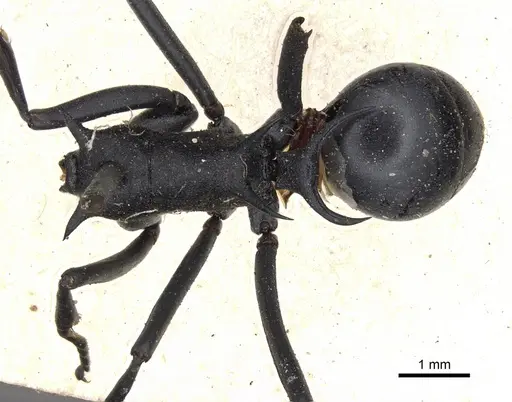
CASENT0906776
View on AntWeb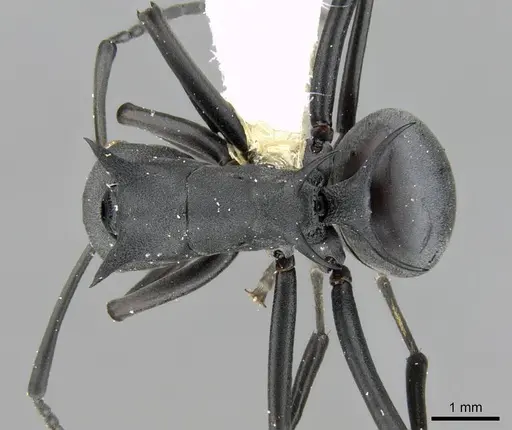
Literature
Loading...Loading products...