

Polyrhachis noesaensis
- Scientific Name
- Polyrhachis noesaensis
- Subgenus
- Myrma
- Tribe
- Camponotini
- Subfamily
- Formicinae
- Author
- Forel, 1915
- Distribution
- Found in 1 countries
Polyrhachis noesaensis Overview
Polyrhachis noesaensis is an ant species of the genus Polyrhachis. It is primarily documented in 1 countries , including Philippines. Detailed taxonomic data and occurrence records can be further explored via authoritative databases such as AntWeb or the Global Biodiversity Information Facility (GBIF).
Polyrhachis noesaensis
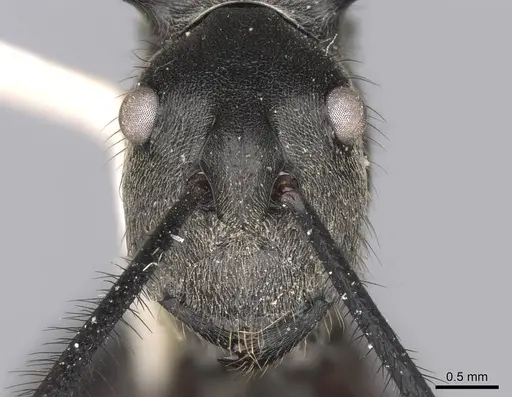
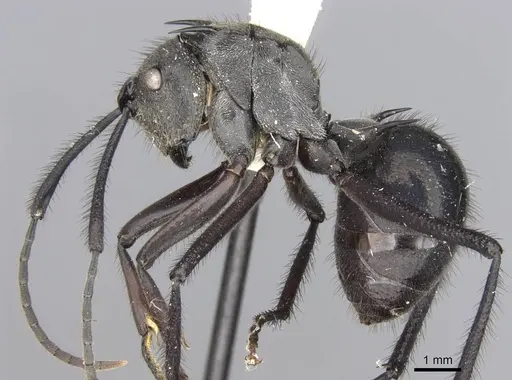
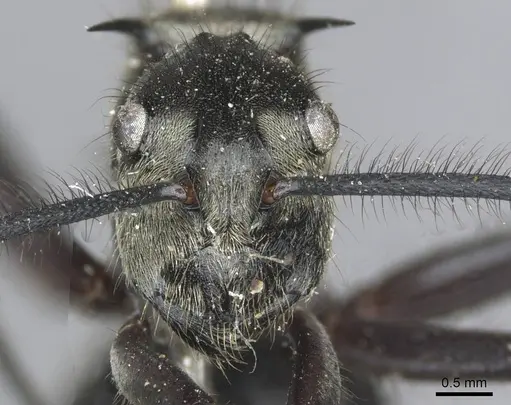
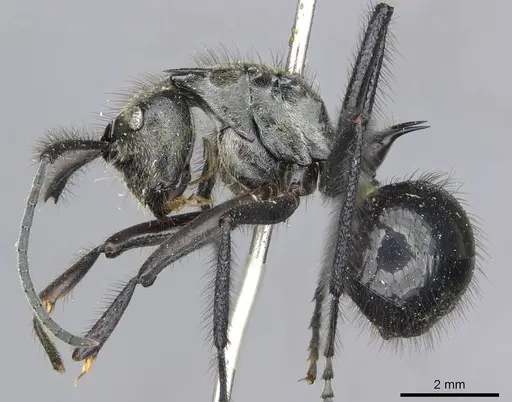
Polyrhachis noesaensis is a medium-sized ant belonging to the subgenus Myrma, characterized by its distinctive spines on the thorax and dark coloration. Workers measure approximately 6-8mm, with the genus commonly known as 'spiny ants' due to their prominent spines. This species is native to the Indomalaya region, found across Borneo, Indonesia, Malaysia, and the Philippines, where it inhabits tropical rainforest environments [1][2]. The species was originally described as a variety of Polyrhachis villipes by Forel in 1915 and was elevated to full species status by Kohout in 1998. Colonies in the wild typically contain around 155 workers on average, though they can range from just 2 to nearly 400 individuals [3].
Quick Summary
- Difficulty: Medium
- Origin & Habitat: Tropical rainforest regions of Borneo, Indonesia, Malaysia, and the Philippines. Found at various locations in the Maliau Basin Conservation Area including Ginseng Camp, Agathis Camp, and Maliau Falls [1][2].
- Colony Type: Single-queen (monogyne) colonies based on typical Polyrhachis patterns. Colonies in the wild have been observed with replacement reproductives present in some situations.
- Colony: Monogyne
- Founding: Claustral
- Size & Growth:
- Queen: Estimated 10-12mm based on genus patterns for Myrma subgenus
- Worker: 6-8mm based on genus descriptions
- Colony: Up to approximately 400 workers [3]
- Growth: Moderate, based on typical Polyrhachis development
- Development: 8-12 weeks estimated based on related Polyrhachis species (Development time is estimated from genus-level data as species-specific timing has not been studied)
- Antkeeping:
- Temperature: Keep at 24-28°C, which matches their tropical rainforest origin. A slight temperature gradient allows workers to self-regulate.
- Humidity: Tropical species requiring high humidity around 70-85%. Keep the nest substrate consistently moist but not waterlogged. Regular misting helps maintain appropriate levels.
- Diapause: No, as a tropical species, they do not require hibernation. Maintain consistent warm conditions year-round.
- Nesting: In the wild, Polyrhachis (Myrma) species often nest in vegetation, under bark, or in hollow twigs. In captivity, a Y-tong (AAC) nest or naturalistic setup with tight chambers works well. Provide some vertical space as they are somewhat arboreal.
- Behavior: Polyrhachis ants are generally calm and not overly aggressive, though they will defend their nest if threatened. Workers are active foragers that search for food both on the ground and on vegetation. They have a functional acidopore and can spray formic acid as a defense. Escape prevention is important due to their moderate size, standard barriers work well but ensure lids are secure.
- Common Issues: tropical humidity requirements mean mold can develop if ventilation is poor, balance airflow carefully, colonies may stress if temperatures drop below 22°C, keep them warm, wild-caught colonies may carry parasites from their natural habitat, quarantine and observe new colonies, smaller colonies are vulnerable to stress during relocation, minimize disturbances until established
Housing and Nest Setup
Polyrhachis noesaensis does well in a Y-tong (AAC) acrylic nest or a naturalistic setup. Since they come from tropical rainforest environments, they need consistent warmth and humidity. A test tube setup can work for founding colonies, but transfer to a proper nest once the colony reaches 20-30 workers. The nest should have chambers sized appropriately for their worker size of 6-8mm. Provide a water reservoir to maintain humidity, and consider adding a small outworld area where foragers can search for food. Some keepers successfull use a combination of test tube for the nest chamber connected to a foraging area. [1][2]
Feeding and Diet
Like most Polyrhachis species, these ants are omnivorous. They accept sugar sources readily, offer sugar water, honey, or diluted honey water as a constant energy source. For protein, provide small insects such as fruit flies, small crickets, mealworms, or other appropriately sized prey. In their natural habitat, they forage for honeydew from aphids and scale insects, as well as small arthropods. Feed protein sources 2-3 times per week, and keep sugar water available at all times. Remove uneaten prey after 24-48 hours to prevent mold. [3]
Temperature and Humidity Management
As a tropical species from Borneo and surrounding regions, P. noesaensis requires warm conditions. Keep the nest area at 24-28°C. A heating cable on one side of the nest can create a temperature gradient, but avoid direct heat that could dry out the nest too quickly. Humidity should be maintained at 70-85%. Use a water reservoir connected to the nest or regular light misting to achieve this. The substrate or nest material should feel consistently moist but never waterlogged. Poor humidity can lead to brood death and colony decline. [1][2]
Behavior and Foraging
Workers of Polyrhachis noesaensis are active foragers that will search for food both on the ground and on vegetation, reflecting their arboreal tendencies in the wild. They are generally non-aggressive toward keepers but will defend their nest if threatened. Like other Formicinae, they possess an acidopore and can spray formic acid as a defense mechanism, though this is rarely a concern for keepers. Colony activity increases with warmer temperatures, and workers will become more active in searching for food. They are moderate in size, so standard escape prevention measures work well, but ensure all connections between nest and outworld are secure. [3]
Colony Growth and Development
Colonies in the wild have been documented with an average of around 155 workers, though some colonies can reach nearly 400 individuals [3]. The founding queen seals herself in a claustral chamber and raises the first workers alone, living off her stored fat reserves until the nanitic (first) workers emerge. Development from egg to worker is estimated at 8-12 weeks based on related Polyrhachis species, as specific timing for this species has not been studied. Growth is moderate, colonies typically take several months to reach 50 workers and may take a year or more to reach larger sizes. Patience is key with this species.
Seasonal Care
As a tropical species from Southeast Asia, Polyrhachis noesaensis does not require hibernation or diapause. Maintain consistent warm temperatures and humidity year-round. Avoid any cooling periods that might simulate winter, this can stress or kill the colony. Room temperature in most homes (around 20-22°C) may be too cool, so additional heating is often necessary. Keep the colony away from air conditioning vents, drafts, and windows that get cold at night. Consistent conditions lead to the best colony growth and longevity. [1][2]
Frequently Asked Questions
How long does it take for Polyrhachis noesaensis to produce first workers?
Based on related Polyrhachis species, expect 8-12 weeks from egg to first worker. The claustral queen seals herself in and raises the first brood alone using stored fat reserves. Patience is essential, some colonies take longer depending on temperature and feeding.
What do Polyrhachis noesaensis ants eat?
They are omnivorous. Offer sugar water or honey constantly for energy, and feed protein sources like small insects (fruit flies, small crickets, mealworms) 2-3 times per week. They will also collect honeydew in captivity if offered aphids.
Are Polyrhachis noesaensis good for beginners?
They are rated as medium difficulty. They require tropical conditions (warmth and humidity) which may require additional equipment. If you can maintain 24-28°C with 70-85% humidity, they are manageable for intermediate antkeepers.
How big do Polyrhachis noesaensis colonies get?
Based on field data, colonies can reach up to approximately 400 workers [3]. This is moderate compared to some other ant species.
Do Polyrhachis noesaensis need hibernation?
No. As a tropical species from Borneo and the Philippines, they do not require hibernation. Keep them warm year-round at 24-28°C.
Can I keep multiple queens together?
This species is typically monogyne (single queen). Combining unrelated queens is not recommended as they likely will fight. In the wild, single-queen colonies are standard.
What is the best nest type for Polyrhachis noesaensis?
A Y-tong (AAC) acrylic nest or a naturalistic setup works well. They prefer tight chambers scaled to their 6-8mm worker size. Ensure the nest can maintain humidity and provide a water reservoir.
Why is my colony declining?
Common causes include temperatures below 22°C, humidity too low (below 60%), mold from poor ventilation, or stress from excessive disturbance. Check that conditions match their tropical requirements and that food is being consumed.
Where is Polyrhachis noesaensis found in the wild?
They are native to the Indomalaya region, specifically Borneo, Indonesia, Malaysia, and the Philippines. They inhabit tropical rainforest environments and have been recorded in the Maliau Basin Conservation Area in Sabah, Borneo [1][2].
References

This caresheet is licensed under CC BY-SA 4.0 .
CASENT0906818
View on AntWeb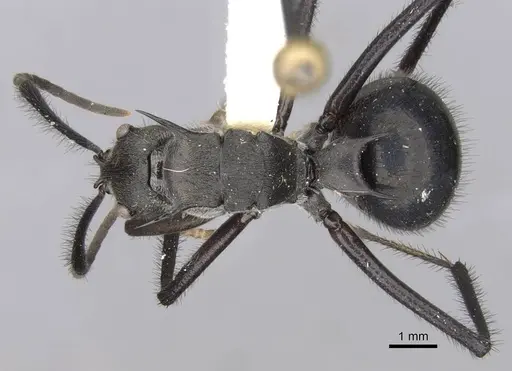
CASENT0910932
View on AntWeb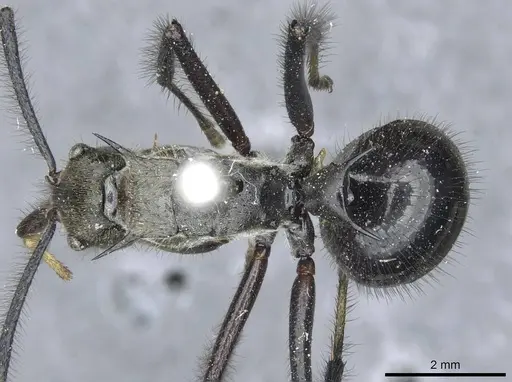
Literature
Loading...Loading products...