

Polyrhachis murina
- Scientific Name
- Polyrhachis murina
- Subgenus
- Myrma
- Tribe
- Camponotini
- Subfamily
- Formicinae
- Author
- Emery, 1893
- Distribution
- Found in 1 countries
Polyrhachis murina Overview
Polyrhachis murina is an ant species of the genus Polyrhachis. It is primarily documented in 1 countries , including Malaysia. Detailed taxonomic data and occurrence records can be further explored via authoritative databases such as AntWeb or the Global Biodiversity Information Facility (GBIF).
Polyrhachis murina
Polyrhachis murina is a medium-sized ant species native to the Indomalaya region, found throughout Borneo and Sumatra. Workers measure 6.55-7.00 mm in total length, making them a substantial species that commands attention in any colony setup. They belong to the aculeata species-group within the subgenus Myrma, characterized by their relatively stable morphology across their range [1].
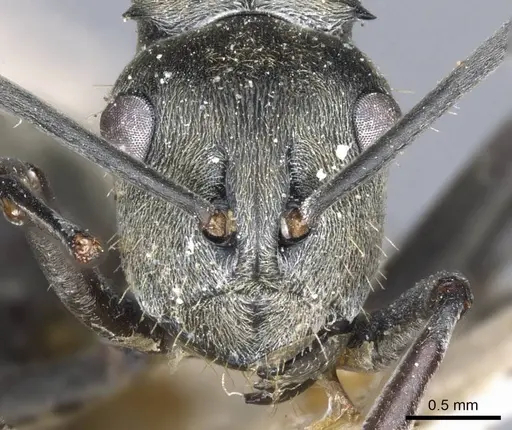
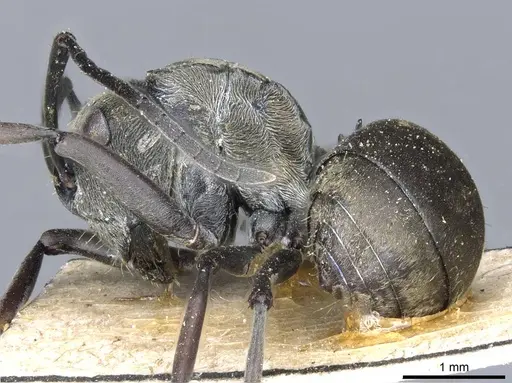
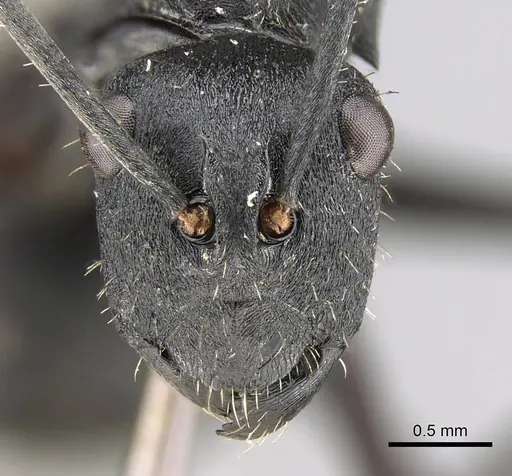
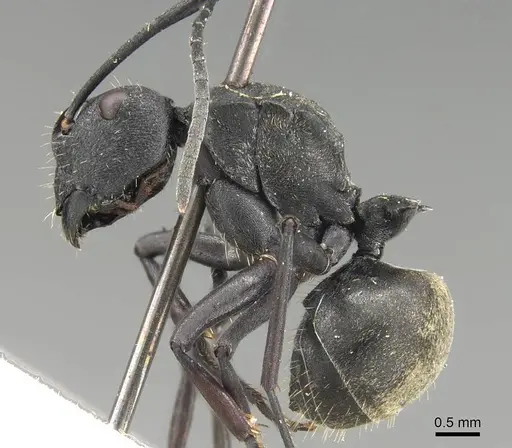
These ants have a distinctive appearance with very short pronotal spines (barely as long as their basal width), a finely reticulate-punctate mesosomal dorsum partly hidden by closely appressed silvery to pale golden pubescence, and shorter dorsal petiolar spines. Their head features numerous short, erect hairs between the eyes and occipital corners. The pubescence color varies from golden to silvery to dull greyish depending on the population [1]. As a tropical species from the rainforests of Borneo and Sumatra, they require warm and humid conditions to thrive in captivity.
Quick Summary
- Difficulty: Medium
- Origin & Habitat: Borneo and Sumatra in the Indomalaya region. They are a tropical rainforest species found in natural habitats across these islands [1][2].
- Colony Type: Colony structure is unconfirmed. Most Polyrhachis species in the Myrma subgenus are monogyne (single-queen colonies), but this has not been specifically documented for P. murina.
- Size & Growth:
- Queen: Unknown, queen measurements have not been documented for this species
- Worker: 6.55-7.00 mm [1]
- Colony: Unknown, colony size has not been documented in scientific literature
- Growth: Moderate, inferred from typical Polyrhachis growth patterns
- Development: Unknown, no direct development data exists for this species. Based on related Formicinae species, expect 6-10 weeks at optimal temperature. (Development timeline is unconfirmed. Related Polyrhachis species typically take 6-10 weeks from egg to worker at tropical temperatures.)
- Antkeeping:
- Temperature: Keep at 24-28°C. As a tropical species from Borneo and Sumatra, they need warm conditions year-round. A heating cable on one side of the nest creates a suitable gradient.
- Humidity: High humidity required, aim for 70-85%. These are rainforest ants from damp tropical environments. Keep the nest substrate consistently moist but not waterlogged.
- Diapause: No, as a tropical species, they do not require hibernation. Maintain warm temperatures year-round.
- Nesting: In nature, they likely nest in rotting wood or under bark in the rainforest floor, similar to other Myrma subgenus species. In captivity, a Y-tong (AAC) nest or plaster formicarium with good humidity retention works well. Provide a moist nesting area with some drier areas available for the ants to regulate their own humidity.
- Behavior: Polyrhachis murina is a relatively calm species with moderate activity levels. They are not particularly aggressive but will defend their nest if threatened. Workers are medium-sized at 6-7mm, making them less prone to escape than tiny ants, but standard escape prevention (Fluon barriers) should still be used. They are omnivorous, feeding on honeydew from aphids and scale insects, and small insects. They forage primarily at night but will accept food during the day. Their moderate size makes them visible and engaging to watch.
- Common Issues: humidity control is critical, these tropical ants die quickly in dry conditions, maintaining warm temperatures year-round is essential, they are not cold-tolerant, escape prevention is still necessary despite their moderate size, slow colony growth can frustrate beginners, be patient with founding colonies, wild-caught colonies may carry parasites that can decimate captive colonies
Housing and Nest Setup
Polyrhachis murina requires a nest that maintains high humidity while providing good ventilation. A Y-tong (AAC) nest works well for this species, as does a plaster formicarium or a naturalistic setup with moist substrate. The nest should have chambers sized appropriately for a medium-sized ant, not too tight, but with enough space for the colony to expand. Because they come from tropical rainforest environments, the nest material should retain moisture well. Place a water reservoir or moisture chamber connected to the nest to maintain humidity. A test tube setup can work for founding colonies, but transfer to a proper formicarium once the colony reaches 20-30 workers. Ensure the outworld (foraging area) is spacious enough for workers to move around and for you to place food dishes. [1][2]
Feeding and Diet
In the wild, Polyrhachis murina feeds on honeydew from aphids and scale insects, as well as small insects they capture or scavenge. In captivity, offer a varied diet: sugar water or honey as a constant energy source, and protein sources like mealworms, small crickets, or other insects 2-3 times per week. They are not specialized predators, so any small arthropods work well as prey. Fresh fruit can sometimes be accepted. Remove uneaten prey after 24-48 hours to prevent mold. For founding colonies, the queen will not eat, she relies on stored fat reserves until her first workers (nanitics) emerge. Once workers are present, they will readily accept sugar water and small prey items. [2]
Temperature and Seasonal Care
As a tropical species from Borneo and Sumatra, Polyrhachis murina requires warm temperatures year-round. Keep the nest area at 24-28°C (75-82°F). Temperatures below 22°C can slow colony development significantly, and prolonged exposure to temperatures below 20°C can be fatal. Use a heating cable or heating mat on one side of the nest to create a gentle temperature gradient, allowing ants to regulate their own body temperature by moving between warmer and cooler areas. Do not hibernate this species, they do not experience cold winters in their native habitat. Room temperature may be sufficient if your home stays in the mid-70s°F, otherwise provide supplemental heating. Monitor colony activity as a guide, if workers cluster near the heat source, increase temperature slightly, if they avoid it and seem sluggish, the nest may be too warm. [1][2]
Humidity Management
Polyrhachis murina requires high humidity, reflecting their origins in the tropical rainforests of Borneo and Sumatra. Aim for 70-85% relative humidity within the nest. The substrate or nest material should feel consistently moist but never waterlogged, standing water can drown colonies and promote mold. Use a moisture reservoir or mist the nest regularly, checking daily until you understand how quickly your setup dries out. In dry environments, you may need to mist more frequently or use a moisture chamber. Adequate ventilation is also important to prevent stagnant air and mold growth, but avoid excessive airflow that dries the nest quickly. The key is balance, damp but not wet, ventilated but not drafty. [2]
Behavior and Colony Dynamics
Polyrhachis murina is a relatively calm and non-aggressive species, making them suitable for antkeeping. Workers are moderately active and will forage for food both day and night. They are not known for being particularly defensive, but they will protect their nest if it is disturbed. The colony will establish foraging trails to food sources once workers are active. Unlike some Formicinae species, they do not have a painful sting, though they can bite if provoked. Colony growth is moderate, founding colonies may take several months to produce their first workers, and reaching significant numbers (100+ workers) can take a year or more depending on conditions. Be patient with founding colonies and avoid disturbing the queen unnecessarily. [1][2]
Frequently Asked Questions
How long does it take for Polyrhachis murina to produce first workers?
The exact timeline is unconfirmed for this species, but based on related Polyrhachis species, expect 6-10 weeks from egg to first worker at optimal temperature (24-28°C). Founding colonies can be slow, be patient and avoid disturbing the queen unnecessarily.
What temperature do Polyrhachis murina ants need?
Keep them at 24-28°C (75-82°F). They are tropical ants from Borneo and Sumatra and need warm conditions year-round. A heating cable on one side of the nest creates a suitable gradient.
Do Polyrhachis murina ants need hibernation?
No. As a tropical species, they do not require hibernation or winter cooling. Maintain warm temperatures year-round, temperatures below 20°C can be harmful.
What do Polyrhachis murina ants eat?
They are omnivorous. Offer sugar water or honey as a constant energy source, and protein sources like mealworms, small crickets, or other insects 2-3 times per week. They also feed on honeydew in the wild.
How big do Polyrhachis murina colonies get?
The maximum colony size is unconfirmed for this species. Based on related Polyrhachis species, colonies likely reach several hundred workers over time. They are not known for producing supercolonies.
Are Polyrhachis murina ants good for beginners?
They are rated as medium difficulty. While not as challenging as some species, they do require specific conditions, warm temperatures and high humidity year-round. Beginners should be prepared to maintain these conditions consistently.
Can I keep multiple Polyrhachis murina queens together?
The colony structure is unconfirmed for this species. Most Polyrhachis (Myrma) are monogyne (single-queen), but this has not been documented for P. murina specifically. It is not recommended to combine unrelated foundress queens unless you have specific evidence they can coexist.
What humidity do Polyrhachis murina ants need?
High humidity, aim for 70-85%. These are rainforest ants from Borneo and Sumatra. Keep the nest substrate consistently moist but not waterlogged.
When should I move Polyrhachis murina to a formicarium?
You can keep them in a test tube setup for the founding stage. Once the colony reaches 20-30 workers and the test tube shows signs of drying or condensation issues, transfer to a proper formicarium like a Y-tong nest or plaster formicarium.
Are Polyrhachis murina ants escape artists?
They are medium-sized ants (6-7mm workers), so they are less prone to escape than tiny species. However, standard escape prevention (Fluon barriers on the rim of the outworld) should still be used.
References

This caresheet is licensed under CC BY-SA 4.0 .
CASENT0905612
View on AntWeb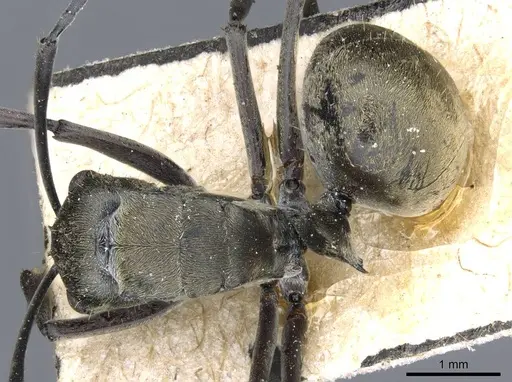
CASENT0906800
View on AntWeb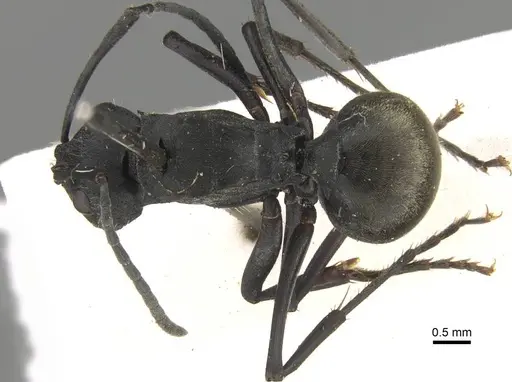
Literature
Loading...Loading products...