

Polyrhachis monteithi
- Scientific Name
- Polyrhachis monteithi
- Subgenus
- Cyrtomyrma
- Tribe
- Camponotini
- Subfamily
- Formicinae
- Author
- Kohout, 2006
- Distribution
- Found in 1 countries
Polyrhachis monteithi Overview
Polyrhachis monteithi is an ant species of the genus Polyrhachis. It is primarily documented in 1 countries , including Australia. Detailed taxonomic data and occurrence records can be further explored via authoritative databases such as AntWeb or the Global Biodiversity Information Facility (GBIF).
Polyrhachis monteithi
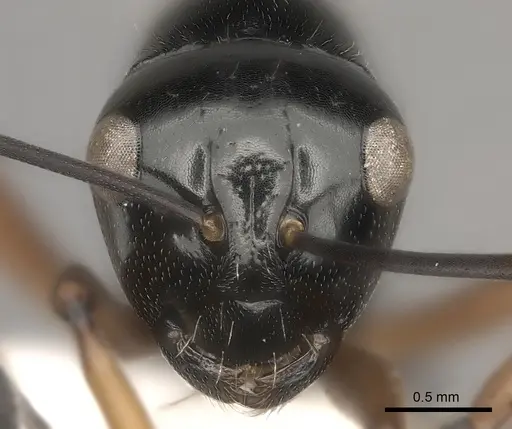
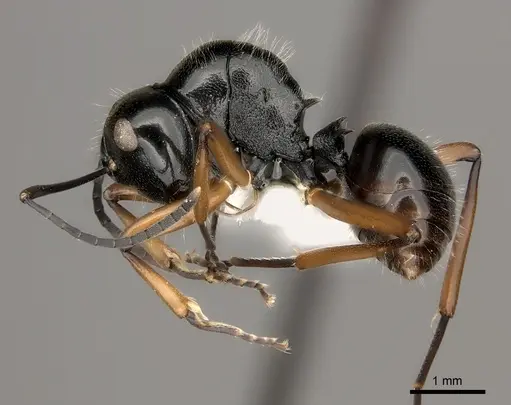
Polyrhachis monteithi is a medium-sized arboreal ant native to the rainforests of north Queensland, Australia. Workers measure 5.54-6.75mm and queens reach 7.11-7.76mm. The species is characterized by its distinctly hairy appearance and black coloration with reddish-brown legs. Unlike many ants, they lack cocoons, their pupae develop naked. This species is one of the most common Cyrtomyrma weaver ants in north Queensland rainforests, where it builds nests by weaving silk and vegetation debris between the leaves of low trees and shrubs.
What makes P. monteithi special is its weaver ant behavior, these ants use silk produced by their larvae to bind leaves together, creating secure arboreal nests. They also have distinctive propodeal spines and four spines on their petiole (the narrow waist section). This combination of hairy body, spiny waist, and weaver nest-building makes them a visually interesting species for antkeepers who can meet their specific care needs.
Quick Summary
- Difficulty: Medium
- Origin & Habitat: North Queensland rainforests, Australia. Found from Cooktown south to Mackay. Nests in silk and vegetation debris between leaves of low rainforest trees and shrubs, also in small rainforest patches and gallery forests along rivers and creeks.
- Colony Type: Likely monogyne (single queen colonies) based on typical Polyrhachis patterns, though colony structure is not specifically documented for this species.
- Colony: Monogyne
- Founding: Claustral
- Size & Growth:
- Queen: 7.11-7.76mm
- Worker: 5.54-6.75mm
- Colony: Unknown for this specific species, typical Polyrhachis colonies can reach several hundred workers
- Growth: Moderate, based on typical Polyrhachis development patterns
- Development: 6-10 weeks estimated based on related Polyrhachis species (Development time is estimated as this species has not been specifically studied. Polyrhachis species typically develop from egg to worker in 6-10 weeks at tropical temperatures. Unlike most ants, they lack cocoons, so pupae are visible and develop more quickly.)
- Antkeeping:
- Temperature: Keep at 24-28°C. As a tropical rainforest species from north Queensland, they need warm, stable temperatures. A heating cable on one side of the nest creates a suitable gradient. Avoid temperatures below 20°C for extended periods.
- Humidity: High humidity required, aim for 70-85%. These rainforest ants need consistently moist conditions. Mist the outworld regularly and keep the nest substrate damp but not waterlogged. Provide a water tube for drinking.
- Diapause: No, as a tropical species from north Queensland, they do not require hibernation. Maintain warm temperatures year-round.
- Nesting: Arboreal nesters that use silk to bind leaves together. In captivity, a naturalistic setup with live plants or artificial foliage works well. Y-tong (AAC) nests with multiple chambers can also work, but provide materials they can weave (cotton, leaves, small plants). They do not need cocoon substrates since pupae develop naked.
- Behavior: Weaver ant behavior, workers use silk to construct nests from vegetation. They are arboreal and will establish nests in elevated positions. Workers are moderately active and will forage for honeydew and small prey. They have a moderate escape risk due to their size, but standard barrier methods work well. Queens seal themselves in during founding (claustral) based on typical Polyrhachis patterns.
- Common Issues: high humidity maintenance can be challenging, poor humidity leads to desiccation and colony decline, arboreal nature means they need vertical space and weaving materials, flat horizontal nests may not be accepted, lack of cocoons means pupae are vulnerable to disturbance, avoid moving nests unnecessarily, tropical species cannot tolerate cool temperatures, cold exposure kills colonies, new colonies have slow initial growth, keepers may overfeed or disturb them prematurely
Nest Preferences and Housing
Polyrhachis monteithi is an arboreal species that builds nests between leaves using silk. In captivity, you need to replicate this weaving behavior. A naturalistic setup with live plants or artificial foliage works best, provide small plants, cotton fibers, or fabric strips that workers can manipulate with silk. Alternatively, a Y-tong (AAC) formicarium with multiple chambers can work, but add weaving materials in the outworld. Place the nest setup in a vertical orientation rather than flat, as they prefer elevated positions. The outworld should have branches, plants, or mesh structures for them to build their characteristic leaf nests. Keep the nest area humid and the outworld with a water source.
Feeding and Diet
Like other Polyrhachis species, P. monteithi likely has an omnivorous diet. They probably feed on honeydew from sap-sucking insects, nectar from flowers, and small arthropods for protein. In captivity, offer sugar water or honey regularly as a carbohydrate source. For protein, provide small insects like fruit flies, small crickets, or mealworms. They may also accept protein jelly or other prepared ant foods. Feed small amounts 2-3 times per week, removing uneaten food after 24 hours. Always provide a fresh water source. As a tropical species, they are likely active year-round and will eat consistently throughout the year.
Temperature and Seasonal Care
As a north Queensland rainforest species, P. monteithi needs warm conditions year-round. Keep the nest area at 24-28°C during the active season. A small heating cable or heat mat on one side of the formicarium creates a temperature gradient so ants can choose their preferred zone. Never let temperatures drop below 20°C for extended periods, this can weaken and kill colonies. Unlike temperate species, they do not require a winter dormancy period. Maintain consistent warmth and humidity throughout the year. If your room temperature is below 24°C, use supplemental heating. Monitor colony activity, if workers become sluggish, the temperature may be too low.
Weaver Ant Behavior and Colony Setup
The most distinctive feature of Polyrhachis monteithi is their weaver ant behavior. Unlike most ants that nest in soil or wood, these ants use silk produced by their larvae to bind leaves and vegetation together, creating secure arboreal nests. This is why they lack cocoons, the silk is used for nest construction rather than pupal protection. When setting up your colony, provide materials they can work with: small leaves, cotton fibers, fabric strips, or live plants work well. Workers will carry larvae around and use them to spin silk, binding the materials into nests. This behavior is fascinating to watch and is a major reason keepers enjoy this species. Expect to see them actively manipulating materials in the outworld.
Growth and Development
Polyrhachis monteithi lacks cocoons, their pupae develop naked, which is unusual among ants. This means you can see the pupae directly in the nest, which is both interesting and means you should avoid disturbing the nest during the pupal stage. Based on typical Polyrhachis development, expect 6-10 weeks from egg to first worker at optimal temperatures. New colonies grow slowly at first, the queen alone tends the first brood, and these founding workers (nanitics) will be smaller than normal workers. As the colony grows, subsequent broods produce larger workers. Colonies likely reach several hundred workers at maturity. Be patient with new colonies, it can take several months to a year before you see significant worker numbers.
Frequently Asked Questions
How long does it take for Polyrhachis monteithi to produce first workers?
Expect 6-10 weeks from egg to first worker at optimal temperatures (24-28°C). This is an estimate based on related Polyrhachis species, as this specific species has not been studied. New colonies grow slowly at first, the queen raises the first brood alone, and these founding workers will be smaller than normal workers.
What do Polyrhachis monteithi ants eat?
They are omnivorous. Offer sugar water or honey as a regular carbohydrate source. For protein, provide small insects like fruit flies, small crickets, or mealworms. They may also accept protein jelly or other prepared ant foods. Always provide fresh water.
Can I keep Polyrhachis monteithi in a test tube?
Test tubes can work for founding colonies, but this arboreal species prefers vertical space and weaving materials. For established colonies, a naturalistic setup with plants or a Y-tong nest with weaving materials in the outworld works better. They need materials to create their characteristic silk-bound nests.
Do Polyrhachis monteithi ants need hibernation?
No. As a tropical rainforest species from north Queensland, they do not require hibernation. Keep them warm year-round at 24-28°C. Cold temperatures can kill these ants.
Are Polyrhachis monteithi good for beginners?
They are rated as medium difficulty. They require high humidity and warm temperatures year-round, plus need weaving materials for their arboreal nests. If you can maintain consistent tropical conditions and provide the right setup, they are rewarding ants to keep.
How big do Polyrhachis monteithi colonies get?
Colony size is not specifically documented, but typical Polyrhachis species reach several hundred workers at maturity. Growth is moderate, expect several months to a year before you see significant worker numbers from a new colony.
When should I move my Polyrhachis monteithi colony to a formicarium?
Move them when the test tube or founding setup becomes crowded, typically when you have 20-30+ workers. For this arboreal species, choose a naturalistic setup with plants or provide a Y-tong nest with weaving materials in the outworld.
Why does my Polyrhachis monteithi colony have no cocoons?
This is normal! Polyrhachis monteithi and other Cyrtomyrma species lack cocoons, their pupae develop naked. This is unusual among ants and is related to their weaver behavior, where silk is used for nest construction rather than pupal protection.
Can I keep multiple queens together in Polyrhachis monteithi?
Not recommended. While colony structure is not specifically documented, Polyrhachis species are typically monogyne (single queen). Combining unrelated queens has not been studied for this species and may result in aggression.

This caresheet is licensed under CC BY-SA 4.0 .
CASENT0217435
View on AntWeb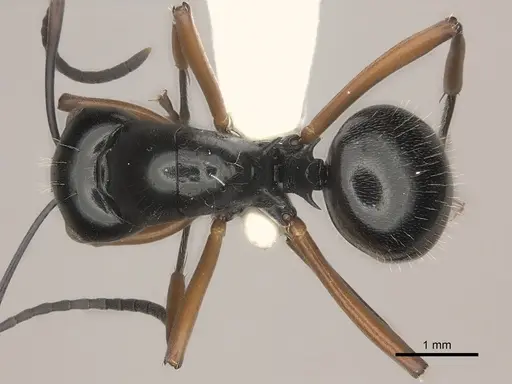
Literature
Loading...Loading products...