

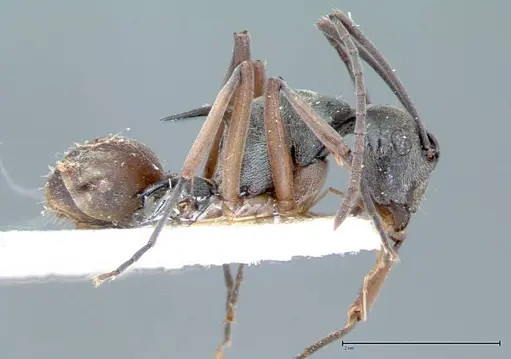
Polyrhachis mitrata
- Scientific Name
- Polyrhachis mitrata
- Subgenus
- Myrmhopla
- Tribe
- Camponotini
- Subfamily
- Formicinae
- Author
- Menozzi, 1932
- Distribution
- Found in 1 countries
Polyrhachis mitrata Overview
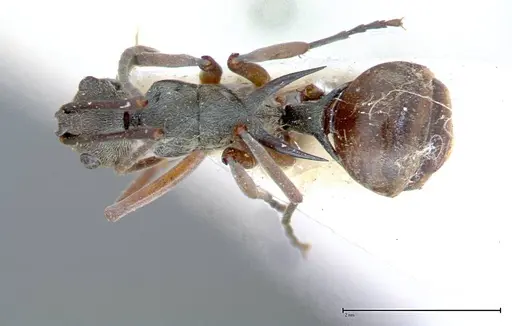
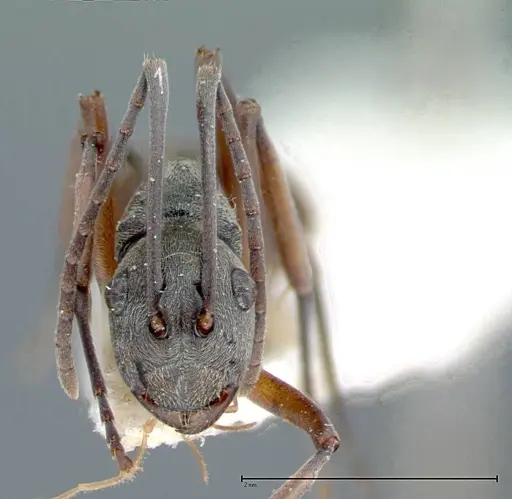
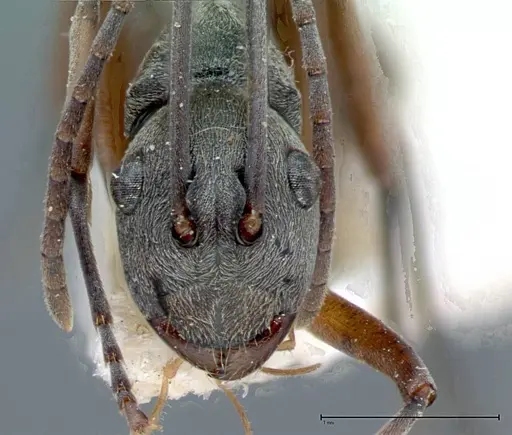
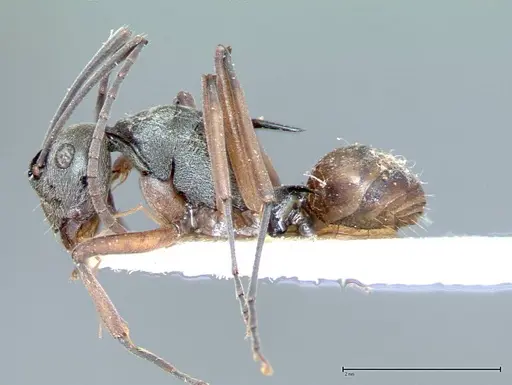
Polyrhachis mitrata is an ant species of the genus Polyrhachis. It is primarily documented in 1 countries , including Philippines. Detailed taxonomic data and occurrence records can be further explored via authoritative databases such as AntWeb or the Global Biodiversity Information Facility (GBIF).
Polyrhachis mitrata
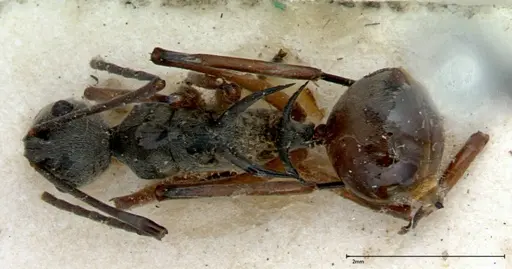
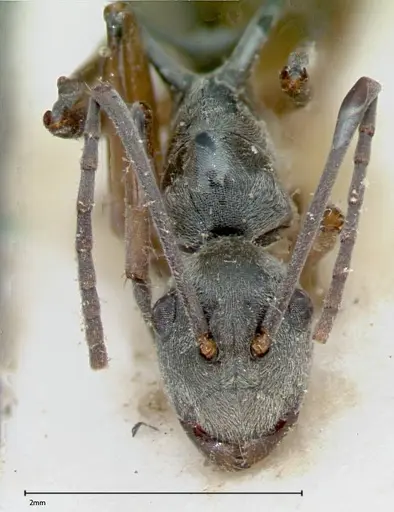
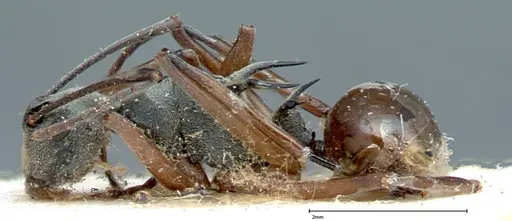
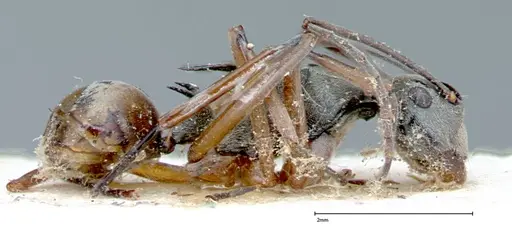
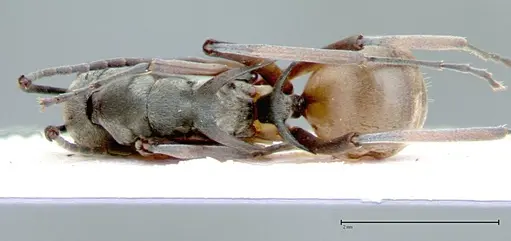
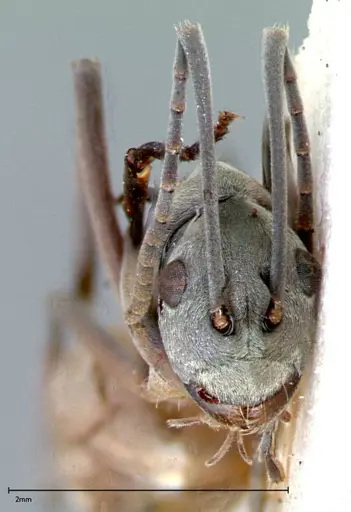
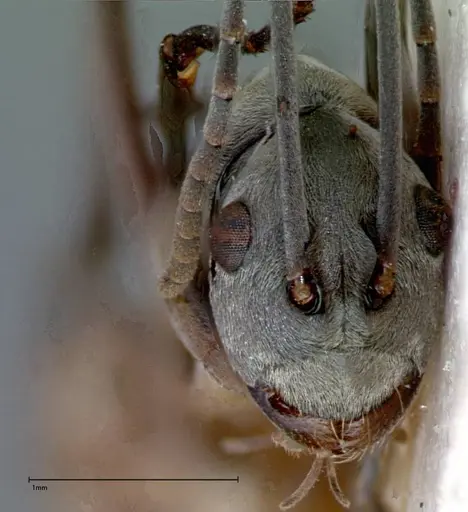
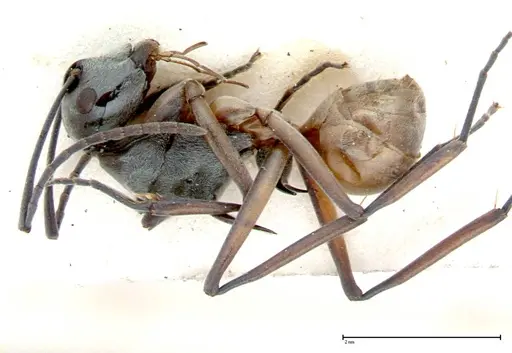
Polyrhachis mitrata is a tropical ant species belonging to the subgenus Myrmhopla, part of the mucronata-group. Workers are medium-sized ants with the distinctive spiny protrusions characteristic of Polyrhachis species. They are native to Southeast Asia, found throughout the Philippines, Borneo, Indonesia, and Malaysia [1][2]. This species is arboreal by nature, nesting in vegetation rather than in soil, and uses silk to construct their nests by binding together leaves and plant material [3]. The presence of cocooned pupae distinguishes them from many other Formicinae ants that have naked pupae [3].
Quick Summary
- Difficulty: Medium
- Origin & Habitat: Tropical Southeast Asia, found in Borneo, the Philippines, Indonesia, and Malaysia. They inhabit humid forest environments and are arboreal nesters, constructing nests in vegetation using silk [1][3].
- Colony Type: Likely single-queen colonies based on typical Polyrhachis patterns, though colony structure is not directly documented for this species.
- Colony: Monogyne
- Founding: Claustral
- Size & Growth:
- Queen: Estimated 8-10mm based on genus Polyrhachis patterns
- Worker: Estimated 5-7mm based on genus patterns
- Colony: Likely several hundred workers based on related species
- Growth: Moderate, estimated based on tropical arboreal ant patterns
- Development: Estimated 6-8 weeks at tropical temperatures (25-28°C) based on related Polyrhachis species (Development time is inferred from genus patterns, direct measurements for this specific species are unavailable)
- Antkeeping:
- Temperature: Keep at 24-28°C. Being a tropical species, they need consistently warm conditions. A heating cable on one side of the nest creates a suitable gradient [3].
- Humidity: High humidity (70-85%), these are forest ants that need moist conditions. Keep the nest area humid but ensure ventilation prevents stagnation [3].
- Diapause: No, as a tropical species, they do not require hibernation. Maintain warm conditions year-round.
- Nesting: Arboreal setup is essential. Provide vertical spaces with materials they can bind with silk, live plants, leaf arrangements, or cork bark works well. They will construct their own nests by binding materials together. Avoid ground-based setups [3][4].
- Behavior: Generally peaceful and non-aggressive compared to many ant species. Workers are active foragers, primarily hunting small insects and tending honeydew-producing insects. Their arboreal nature means they are excellent climbers. Escape prevention is important, they can climb smooth surfaces easily. They are not known for stinging and pose no danger to keepers [3].
- Common Issues: arboreal setup is critical, they will not thrive in ground-based formicariums, tropical humidity requirements mean drying out is a major risk, silk-nesting behavior requires appropriate materials, without suitable vegetation they may not establish well, escape risk through small gaps due to their climbing ability, slow colony establishment compared to ground-nesting species
Housing and Nest Setup
Polyrhachis mitrata requires an arboreal setup rather than a traditional ground nest. In the wild, they construct silk-bound nests in vegetation, binding leaves and plant material together [3]. For captivity, provide a naturalistic setup with living plants, cork bark, or arranged foliage where they can build their nest. Alternatively, a Y-tong or acrylic nest with added vertical elements and plant material can work. The key is giving them materials they can manipulate with silk. Include small branches, leaves, or moss that they can bind together. A vertical outworld connected to the nest area allows for natural foraging behavior. Ensure the setup has good ventilation while maintaining humidity [3][4].
Feeding and Diet
Like most Polyrhachis species, P. mitrata is omnivorous, feeding on small insects, honeydew, and nectar. Offer a varied diet including small live prey such as fruit flies, pinhead crickets, or mealworms. Sugar sources like honey water or sugar water should be available at all times. They are active hunters and will readily take protein-rich foods. Feed protein 2-3 times per week, and keep sugar water constantly available. Remove uneaten prey after 24 hours to prevent mold. Their arboreal foraging style means they will readily search for food throughout the enclosure [5].
Temperature and Humidity
Being a tropical species from Southeast Asia, P. mitrata requires warm and humid conditions year-round. Maintain temperatures between 24-28°C (75-82°F). A heating cable placed on part of the nest can help maintain these temperatures, but always provide a temperature gradient so ants can self-regulate. Humidity should be kept high at 70-85%. Mist the enclosure regularly and use a water reservoir in the nest area. However, ensure adequate ventilation to prevent stagnant air and mold growth. The arboreal nature of this species means they are accustomed to variable humidity in their forest canopy habitats [3].
Colony Development and Growth
Colony growth is moderate compared to some faster-growing species. The queen lays eggs which develop through larval stages before spinning cocoons and emerging as workers [3]. Unlike many Formicinae, Polyrhachis species have cocooned pupae. First workers (nanitics) will be smaller but should quickly begin foraging and caring for subsequent brood. A mature colony may reach several hundred workers. Growth rate depends heavily on temperature and feeding consistency. Colonies typically establish more slowly than ground-nesting species due to their arboreal nature and the time needed to construct silk nests [3].
Behavior and Temperament
Polyrhachis mitrata is generally calm and non-aggressive, making them suitable for keepers who want an observable species without aggressive defenders. Workers are active and constantly moving, creating engaging colonies to watch. Their spiny appearance serves as a defense mechanism, predators find them difficult to swallow. They are excellent climbers and will explore vertical spaces thoroughly. They do not possess a painful sting and pose no danger to keepers. Their most interesting behavior is the silk-binding nest construction, where workers cooperate to weave leaves and plant material together into protective chambers [3][4].
Frequently Asked Questions
Can I keep Polyrhachis mitrata in a test tube?
Test tubes are not ideal for this species. They are arboreal ants that need vertical spaces and materials to bind with silk. A naturalistic setup with plants or cork bark, or a modified arboreal formicarium, works much better. Test tubes can be used for founding colonies temporarily but should be upgraded to a proper arboreal setup once the colony reaches 20-30 workers.
How long does it take for Polyrhachis mitrata to produce first workers?
Based on related Polyrhachis species, expect 6-8 weeks from egg to first worker at optimal temperatures (25-28°C). The queen will seal herself in a chamber and raise the first brood alone. Once workers emerge, they will begin expanding the nest and foraging.
What do Polyrhachis mitrata eat?
They are omnivorous. Offer small live insects (fruit flies, pinhead crickets, small mealworms), and keep sugar water or honey available at all times. They will also consume nectar and honeydew if available. Feed protein 2-3 times per week.
Are Polyrhachis mitrata good for beginners?
They are rated as medium difficulty. They require an arboreal setup rather than a simple test tube setup, which adds complexity. However, they are peaceful, non-aggressive, and fascinating to watch. Beginners should research arboreal setups before acquiring this species.
Do Polyrhachis mitrata need hibernation?
No, they do not require hibernation. Being a tropical species from Southeast Asia, they need warm conditions year-round. Maintain temperatures between 24-28°C throughout the year.
When should I move my Polyrhachis mitrata colony to a formicarium?
Move them when the colony reaches around 30-50 workers and the founding setup becomes cramped. For arboreal species, ensure the new enclosure provides vertical spaces and materials for silk nest construction.
How big do Polyrhachis mitrata colonies get?
Based on related species, colonies likely reach several hundred workers at maturity. Growth is moderate, expect several months to reach 100 workers under good conditions.
Can I keep multiple queens together?
Polyrhachis mitrata is likely monogyne (single queen). Combining unrelated queens is not recommended as they will likely fight. Only one queen should be kept per colony.
Why is my Polyrhachis mitrata colony declining?
Common causes include: low humidity (they need 70-85%), temperatures below 24°C, insufficient protein in diet, or lack of suitable nesting materials for silk binding. Check that your setup meets their arboreal humidity requirements.
References

This caresheet is licensed under CC BY-SA 4.0 .
Literature
Loading...Loading products...