

Polyrhachis metella
- Scientific Name
- Polyrhachis metella
- Subgenus
- Hagiomyrma
- Tribe
- Camponotini
- Subfamily
- Formicinae
- Author
- Smith, 1860
- Distribution
- Found in 1 countries
Polyrhachis metella Overview
Polyrhachis metella is an ant species of the genus Polyrhachis. It is primarily documented in 1 countries , including Papua New Guinea. Detailed taxonomic data and occurrence records can be further explored via authoritative databases such as AntWeb or the Global Biodiversity Information Facility (GBIF).
Polyrhachis metella
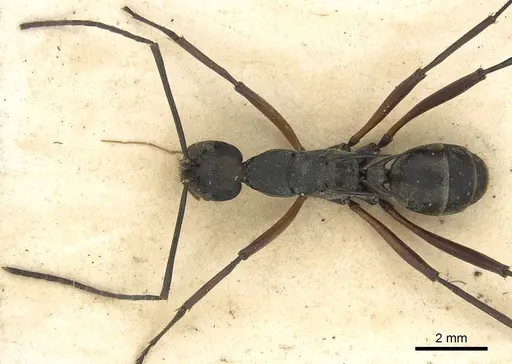
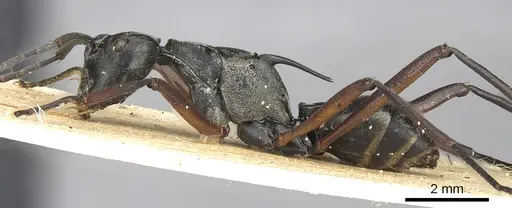
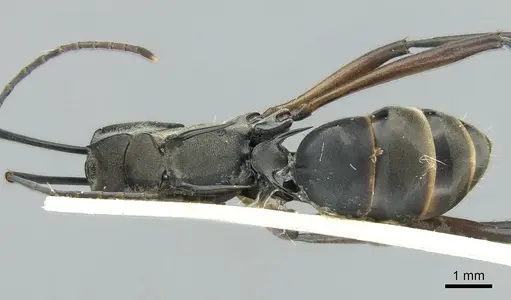
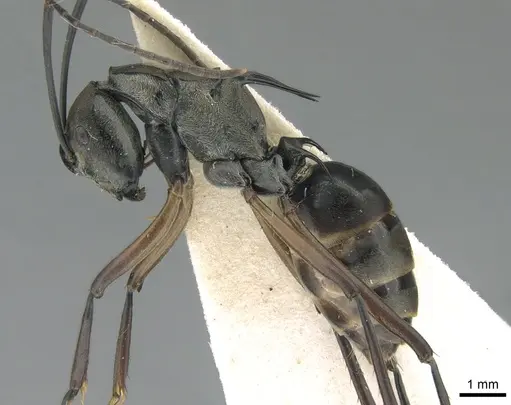
Polyrhachis metella is a striking large ant native to New Guinea and the Bismarck Archipelago. Workers measure 9-11mm with a distinctive appearance featuring very long, slender propodeal spines and appendages, a disc-shaped mesonotum, and a deeply notched clypeus. The body is black with medium reddish-brown on the gaster, mandibles, and legs, covered with golden pile that gives it an iridescent sheen. This is a rare species endemic to New Guinea, one of only two Hagiomyrma species not found on the Australian mainland. The genus Polyrhachis is known for their elaborate spines and this species has some of the longest in the subgenus.
Quick Summary
- Difficulty: Unknown, limited data available
- Origin & Habitat: New Guinea and Bismarck Archipelago, tropical rainforest regions. Subterranean nester in soil [1][2].
- Colony Type: Colony structure unconfirmed, likely single-queen based on typical Polyrhachis patterns.
- Size & Growth:
- Queen: ~11.2 mm [3], estimated from single measured queen
- Worker: 9.42-11.14 mm [3]
- Colony: Unknown, likely moderate-sized based on related Polyrhachis species
- Growth: Unknown, likely moderate
- Development: Unknown, estimated 6-10 weeks based on typical Polyrhachis development at tropical temperatures (No direct development data available. Related tropical Polyrhachis species typically develop in 6-10 weeks at warm temperatures.)
- Antkeeping:
- Temperature: Unknown, likely requires warm conditions (24-28°C) based on tropical New Guinea origin. Start in this range and observe colony activity.
- Humidity: Likely requires high humidity, aim for 70-85% similar to other New Guinea Polyrhachis species. Keep substrate consistently moist but not waterlogged.
- Diapause: Unlikely, tropical species from consistent climate. No diapause expected.
- Nesting: Subterranean nester, requires soil or soil-like nesting medium. A naturalistic setup with deep soil chambers or a plaster/acrylic nest with soil chamber works well. Avoid completely dry conditions.
- Behavior: Behavior is poorly documented. Likely similar to other Polyrhachis species, relatively non-aggressive, arboreal to subterranean habits. Escape risk moderate due to large size, standard barriers should suffice. They have pupal cocoons which is unusual for Formicinae.
- Common Issues: limited availability, this is a rarely kept species, no established captive breeding in the hobby, specific humidity and temperature requirements unclear due to limited data, wild-caught colonies may struggle to adapt to captive conditions, growth rate and development timeline unknown makes planning difficult
Appearance and Identification
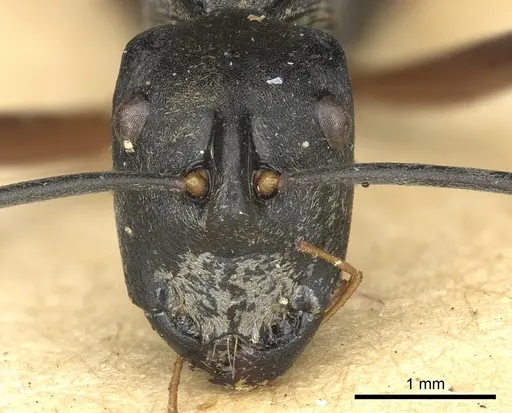
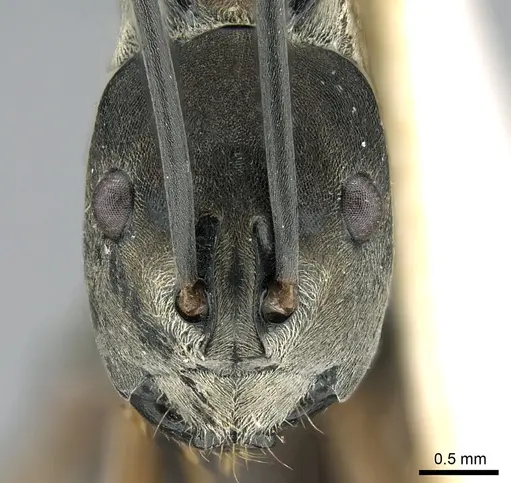
Polyrhachis metella is one of the larger Polyrhachis species with workers reaching 9-11mm. The most distinctive features are the extremely long, slender propodeal (middle section) spines that point backward, and similarly long spines on the petiole (the narrow waist segment). The mesonotum has an unusual disc-shaped appearance when viewed from above. The clypeus (the plate covering the mouth) has a deep U-shaped notch. The entire body is black with a covering of golden pile that creates an iridescent sheen, particularly visible on the gaster. Legs and antennae are reddish-brown. Queens are similar but larger at around 11mm with the typical sexual features including larger eyes and ocelli. [3]
Distribution and Habitat
This species is endemic to New Guinea and the Bismarck Archipelago, making it one of the more restricted Polyrhachis species. It is considered rare in the wild and has been missing from most recent collections. The type specimen was collected from Dory in New Guinea, with additional records from Bachian Island. They are subterranean nesters, building colonies underground in soil rather than in trees or vegetation like some related Polyrhachis species. The tropical climate of New Guinea is warm and humid year-round with high rainfall. [3]
Nesting Behavior
Polyrhachis metella is one of the subterranean-nesting species in the genus, unlike many Polyrhachis that nest in vegetation or rotting wood. They construct underground nests which likely consist of chambers connected by tunnels. This species has pupal cocoons, which is actually unusual for the Formicinae subfamily where most species have naked pupae. For captive care, this suggests they need soil or a soil-like medium for proper colony establishment. A naturalistic setup with a deep soil chamber or a plaster nest with soil-filled chambers would be most appropriate. [1][2]
Care Requirements
Due to the limited data on this specific species, care recommendations must be based on related Polyrhachis species and the known tropical origin. Keep the nest area warm, likely in the 24-28°C range, with a slight gradient allowing the ants to choose their preferred temperature. Humidity should be kept high, around 70-85%, with consistently moist but not waterlogged substrate. Provide a water source and sugar water or honey as an energy source. Protein should come from small insects or other arthropods. Since they are subterranean nesters, ensure the nesting medium allows for proper tunnel construction and chamber creation.
Colony Structure and Development
The colony structure of P. metella has not been documented in detail. Like most Polyrhachis species, they are likely monogyne (single queen colonies). The development timeline is unknown, but related tropical Polyrhachis species typically produce first workers (nanitics) in 6-10 weeks under warm conditions. The presence of cocoons means the pupal stage is more visible than in many Formicinae species. Colony size in the wild is unknown but likely moderate, possibly reaching dozens to low hundreds of workers based on similar species. [3]
Frequently Asked Questions
How long does it take for Polyrhachis metella to produce first workers?
The exact development timeline is unknown for this species. Based on related Polyrhachis species from tropical regions, expect approximately 6-10 weeks from egg to first worker at optimal warm temperatures (around 26°C).
What do Polyrhachis metella ants eat?
While not specifically documented for this species, Polyrhachis ants typically accept sugar sources (honey, sugar water) and protein from insects. Offer small live or frozen arthropods and maintain a constant sugar water source.
What temperature should I keep Polyrhachis metella at?
No specific data exists, but as a tropical species from New Guinea, aim for warm conditions around 24-28°C. A temperature gradient allows the colony to self-regulate.
Do Polyrhachis metella ants need hibernation?
No. As a tropical species from consistent climate regions, they do not require a diapause or hibernation period. Keep them warm year-round.
Are Polyrhachis metella ants aggressive?
Aggression levels are not documented, but Polyrhachis species are generally not particularly aggressive toward keepers. Their primary defense is their spines and ability to escape rather than stinging.
How big do Polyrhachis metella colonies get?
Maximum colony size is unknown. Based on related species, they likely reach dozens to low hundreds of workers. This is not a supercolonial species.
Can I keep multiple Polyrhachis metella queens together?
Colony structure is unconfirmed for this species. Most Polyrhachis are monogyne (single queen), so keeping multiple unrelated queens together is not recommended without evidence of polygyny.
Is Polyrhachis metella a good species for beginners?
This species is not recommended for beginners due to limited availability, lack of established captive breeding, and poorly documented care requirements. More common Polyrhachis species like P. bicolor or P. sexspinosa are better choices for those new to the genus.
References

This caresheet is licensed under CC BY-SA 4.0 .
CASENT0901839
View on AntWeb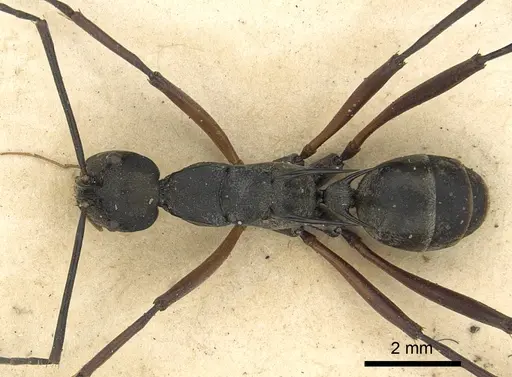
CASENT0906589
View on AntWeb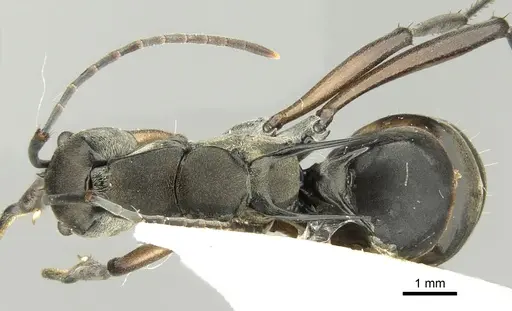
Literature
Loading...Loading products...