

Polyrhachis menelas
- Scientific Name
- Polyrhachis menelas
- Subgenus
- Myrmhopla
- Tribe
- Camponotini
- Subfamily
- Formicinae
- Author
- Forel, 1904
- Distribution
- Found in 1 countries
Polyrhachis menelas Overview
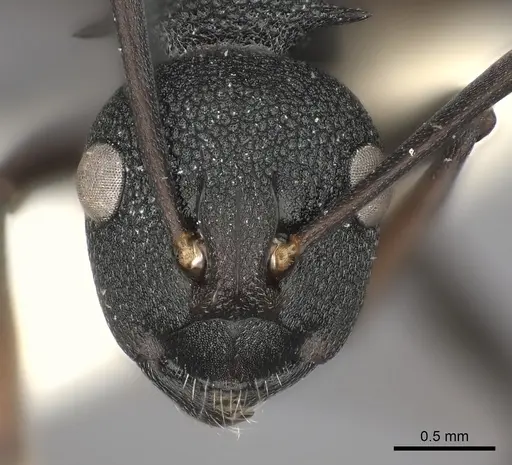
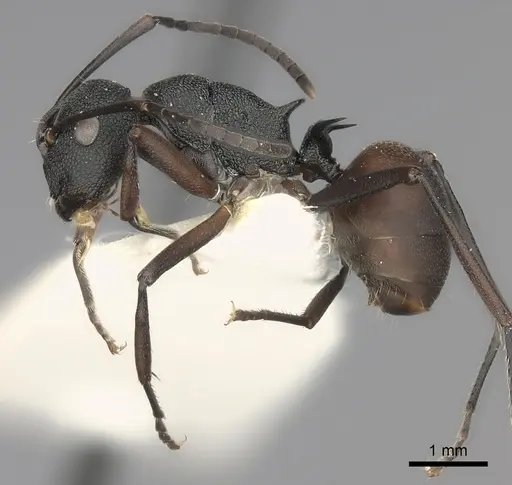
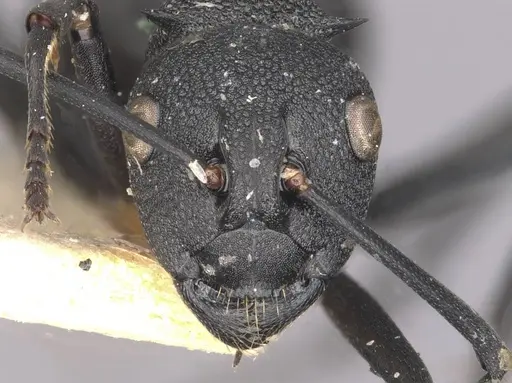
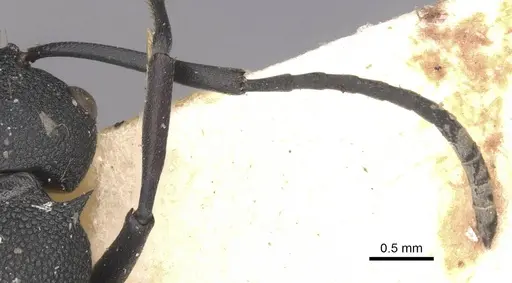
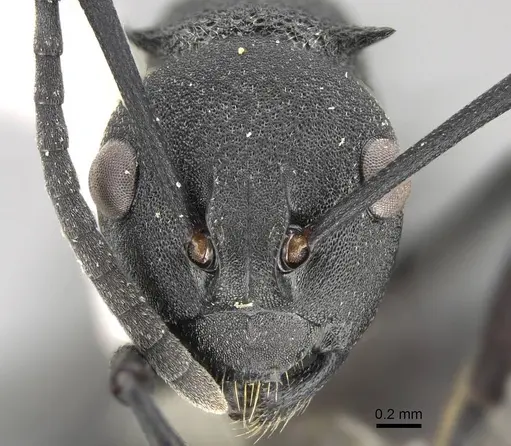
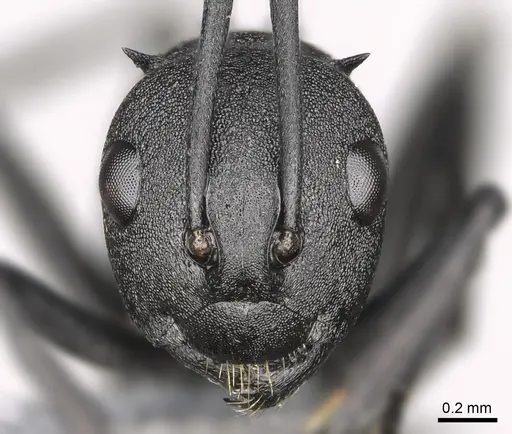
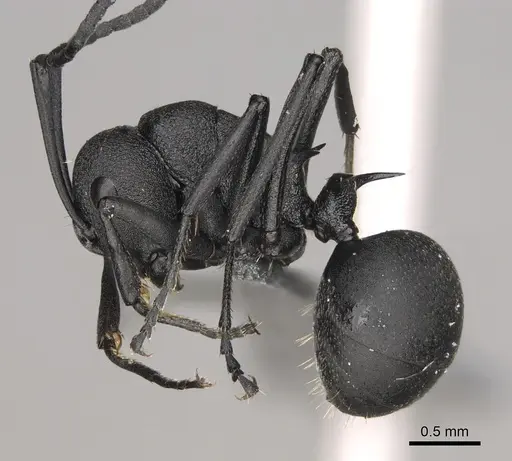
Polyrhachis menelas is an ant species of the genus Polyrhachis. It is primarily documented in 1 countries , including India. Detailed taxonomic data and occurrence records can be further explored via authoritative databases such as AntWeb or the Global Biodiversity Information Facility (GBIF).
Polyrhachis menelas
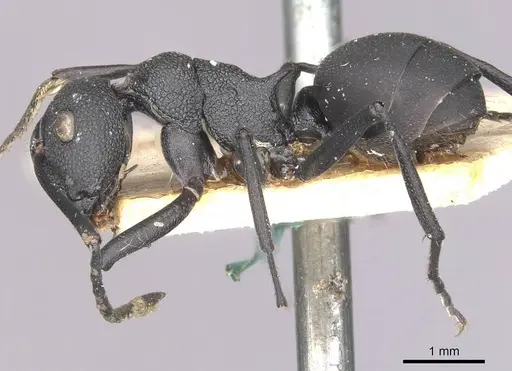
Polyrhachis menelas is a medium-sized ant species belonging to the subgenus Myrmhopla, native to the Himalayan regions of northern India. Workers measure around 6-8mm and feature the characteristic spines on the thorax that give Polyrhachis ants their common name of 'spiny ants.' The species was first described by Forel in 1904 and is recorded from Himachal Pradesh, Jammu & Kashmir, Punjab, Sikkim, and Uttarakhand at elevations up to 2100 meters [1][2]. As a Himalayan species, P. menelas appears adapted to cooler, more temperate conditions compared to many tropical Polyrhachis relatives.
Quick Summary
- Difficulty: Medium
- Origin & Habitat: Himalayan regions of northern India, specifically Himachal Pradesh, Jammu & Kashmir, Punjab, Sikkim, and Uttarakhand at elevations up to 2100 meters [1][2]. This is a mountain-adapted species from the Indomalaya region.
- Colony Type: Colony structure is unconfirmed. Most Polyrhachis species in the Myrmhopla subgenus are monogyne (single queen), though some related species can be polygynous. Further research needed.
- Size & Growth:
- Queen: Estimated 9-11mm based on genus patterns for Myrmhopla species [3]
- Worker: Estimated 6-8mm based on genus patterns [3]
- Colony: Unknown for this specific species, genus-level estimates suggest moderate colonies of several hundred workers [3]
- Growth: Moderate, inferred from temperate climate adaptation
- Development: Estimated 8-12 weeks based on related Formicinae species at optimal temperatures [3] (Development time is estimated based on genus patterns for temperate-adapted Formicinae. Actual timing may vary.)
- Antkeeping:
- Temperature: Keep at 20-24°C. As a Himalayan species, they prefer cooler conditions than tropical ants, aim for room temperature or slightly below in most homes [1]. A gentle heat gradient allows workers to regulate their temperature.
- Humidity: Moderate humidity around 50-70%. These are not high-humidity rainforest ants, they come from mountainous regions with more variable conditions. Allow the nest to dry partially between rehydrations.
- Diapause: Yes, as a Himalayan species, they require a winter dormancy period. Reduce temperature to 10-15°C for 2-3 months during winter [1].
- Nesting: Most Myrmhopla species are arboreal or semi-arboreal, often nesting in vegetation, under bark, or in hollow twigs. In captivity, they do well in acrylic nests or naturalistic setups with vertical surfaces. Avoid fully enclosed test tubes if they show preference for more open spaces.
- Behavior: Polyrhachis menelas is likely an active forager with moderate aggression when defending the colony. Workers are medium-sized and capable of delivering a mild sting, most Polyrhachis species can sting, though the pain level varies. They are escape artists due to their medium size, use standard barrier methods. They likely forage for honeydew and small insects, following typical Formicinae patterns.
- Common Issues: limited distribution data makes precise care requirements uncertain, start with genus-typical conditions and adjust, Himalayan origin means they need cooler temperatures, avoid overheating, winter dormancy is required for colony health, skipping hibernation can weaken colonies, escape prevention is needed despite medium size, they are agile climbers, specific dietary preferences are unknown, offer varied diet and observe acceptance
Natural History and Distribution
Polyrhachis menelas is native to the Himalayan mountain regions of northern India, with confirmed records from Himachal Pradesh, Jammu & Kashmir, Punjab, Sikkim, and Uttarakhand [2]. The species has been collected at elevations up to 2100 meters above sea level, making it one of the higher-altitude Polyrhachis species [1]. This altitudinal preference explains why they likely prefer cooler temperatures than most tropical ant species. The original description was published by Forel in 1904 based on worker specimens [4]. There is an unverified record from Nepal, but it has not been confirmed in the scientific literature [5].
Temperature and Seasonal Care
As a Himalayan mountain species, Polyrhachis menelas is adapted to cooler temperatures than most ant species kept in captivity. Keep the nest area at 20-24°C, this is cooler than many tropical species prefer and closer to typical room temperature in many homes. A heat gradient is still useful, allowing workers to move between warmer and cooler areas as needed. During winter, these ants require a true dormancy period. Reduce temperatures to 10-15°C for 2-3 months, mimicking the Himalayan winter. This diapause period is important for colony health and likely triggers reproductive cycles in spring. Do not skip this winter rest if you want a healthy, long-lived colony. [1]
Nesting Preferences
Polyrhachis species in the Myrmhopla subgenus are typically arboreal or semi-arboreal, nesting in vegetation, under bark, or in hollow twigs rather than in ground nests. In captivity, they do well in acrylic nests (like Y-tong style) or naturalistic setups that provide some vertical space. Unlike fully ground-nesting species, they may prefer nests with some visual access to the outside world. Provide a water tube for humidity but allow the nest to dry partially between rehydrations, they are not high-humidity species. If they seem restless or spend time near the outworld, they may prefer more open nesting conditions. [3]
Feeding and Diet
Like most Formicinae ants, Polyrhachis menelas likely has an omnivorous diet. They probably forage for honeydew from aphids and scale insects, plus small insects and other protein sources. In captivity, offer sugar water or honey as a constant energy source, plus protein-rich foods like mealworms, crickets, or other small insects. Since specific dietary acceptance is unknown for this species, observe what your colony prefers and adjust accordingly. Feed protein 2-3 times per week and keep sugar sources available constantly. [3]
Behavior and Temperament
Polyrhachis ants are known for their active foraging behavior and moderate defensive responses when their nest is threatened. Workers are medium-sized and capable of delivering a sting, while not as painful as some genera, you should handle them with care. They are agile climbers and can escape from enclosures that lack proper barriers. Most Polyrhachis species are not overly aggressive toward humans but will defend their colony vigorously. They likely use chemical communication and may show trail-forming behavior when foraging, following pheromone paths to food sources. [3]
Frequently Asked Questions
How long does it take for Polyrhachis menelas to produce first workers?
Based on related Formicinae species, expect 8-12 weeks from egg to first worker at optimal temperatures around 22°C. This is a moderate development time typical for temperate-adapted species.
What temperature is best for Polyrhachis menelas?
Keep them at 20-24°C. As a Himalayan species, they prefer cooler conditions than tropical ants. Room temperature is often ideal.
Do Polyrhachis menelas need hibernation?
Yes, they require a winter dormancy period. Reduce temperature to 10-15°C for 2-3 months during winter to maintain colony health.
Can I keep multiple Polyrhachis menelas queens together?
Colony structure is unconfirmed for this species. Most Polyrhachis are monogyne (single queen), but some related species can have multiple queens. Until more is known, keeping one queen per colony is recommended.
What do Polyrhachis menelas eat?
They likely have an omnivorous diet similar to other Formicinae, offer sugar water or honey constantly, plus protein sources like small insects 2-3 times per week.
Are Polyrhachis menelas good for beginners?
This species is rated Medium difficulty. They have specific temperature requirements (cooler than most species) and need winter dormancy. Not the best choice for a first ant but manageable for those with some experience.
How big do Polyrhachis menelas colonies get?
Colony size is unconfirmed for this specific species. Based on genus patterns, expect moderate colonies of several hundred workers.
What type of nest is best for Polyrhachis menelas?
Acrylic nests or naturalistic setups work well. They may prefer some vertical space and visual access to the outworld, as many Myrmhopla species are semi-arboreal.
Why is my Polyrhachis menelas colony declining?
Common issues include: temperatures too high (they prefer cooler conditions), skipping winter dormancy, low humidity, or insufficient protein. Check that conditions match their Himalayan mountain preferences.
References

This caresheet is licensed under CC BY-SA 4.0 .
CASENT0217804
View on AntWeb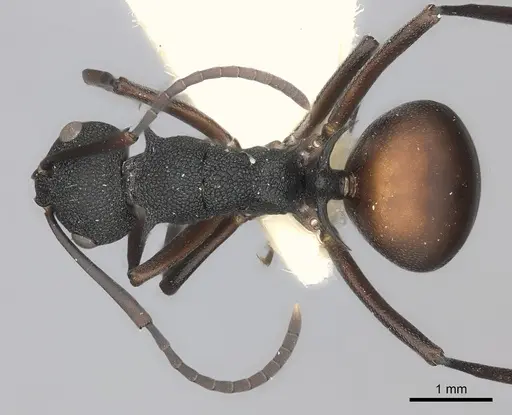
CASENT0910891
View on AntWeb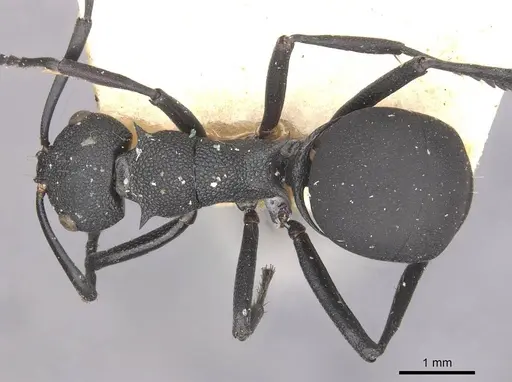
CASENT0919912
View on AntWeb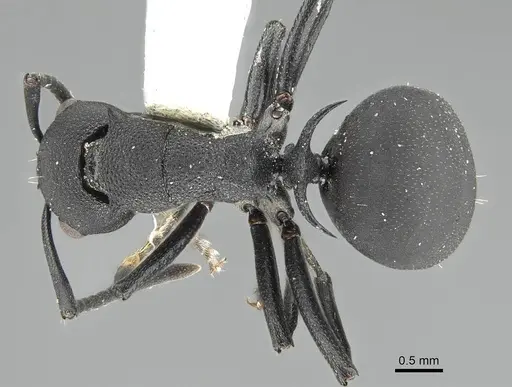
CASENT0923235
View on AntWeb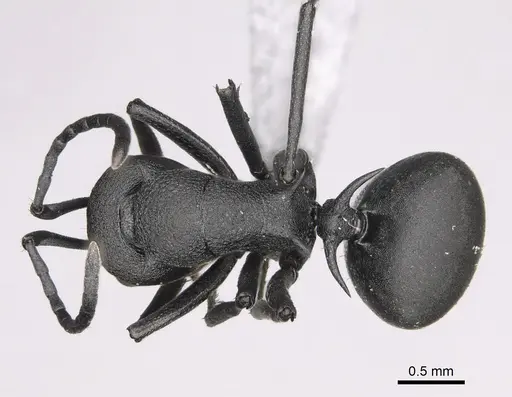
Literature
Loading...Loading products...