

Polyrhachis melpomene
- Scientific Name
- Polyrhachis melpomene
- Subgenus
- Myrmhopla
- Tribe
- Camponotini
- Subfamily
- Formicinae
- Author
- Emery, 1897
- Distribution
- Found in 1 countries
Polyrhachis melpomene Overview
Polyrhachis melpomene is an ant species of the genus Polyrhachis. It is primarily documented in 1 countries , including Papua New Guinea. Detailed taxonomic data and occurrence records can be further explored via authoritative databases such as AntWeb or the Global Biodiversity Information Facility (GBIF).
Polyrhachis melpomene
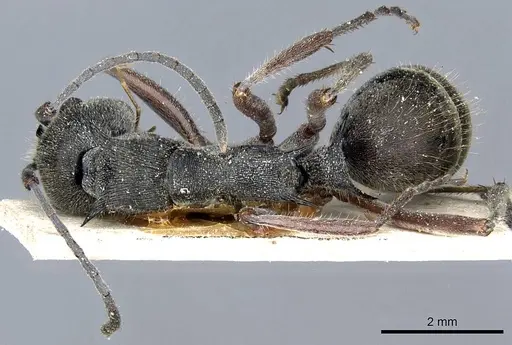
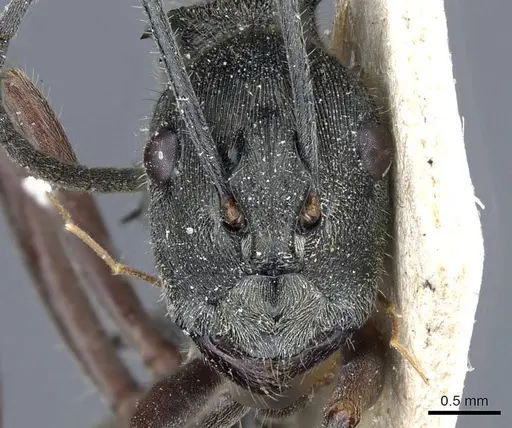
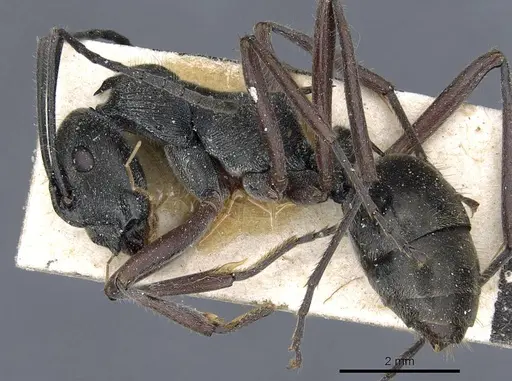
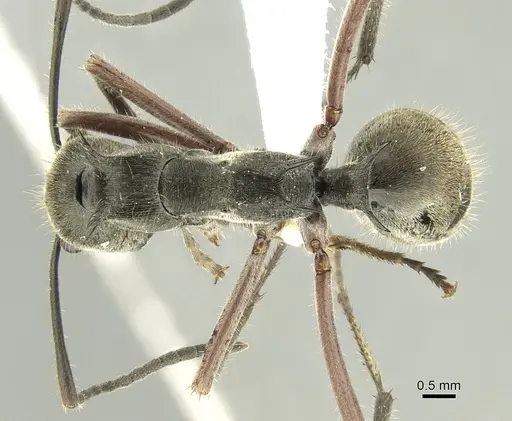
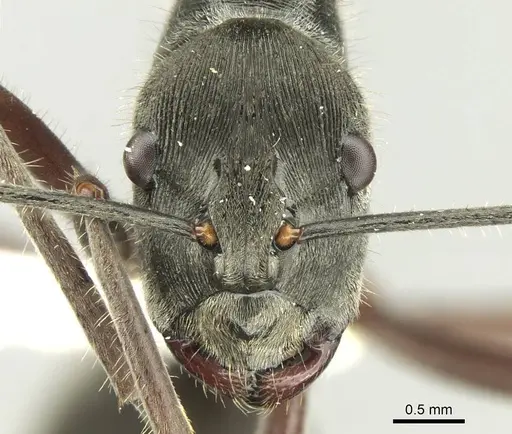
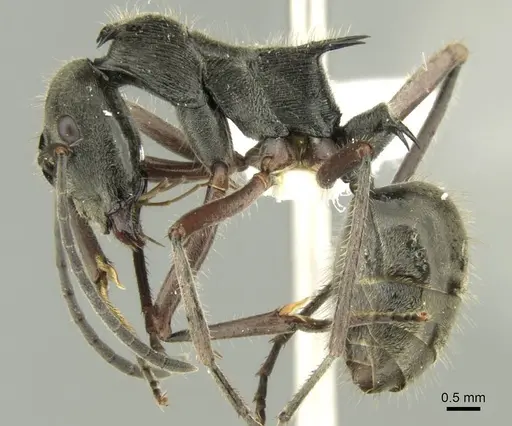
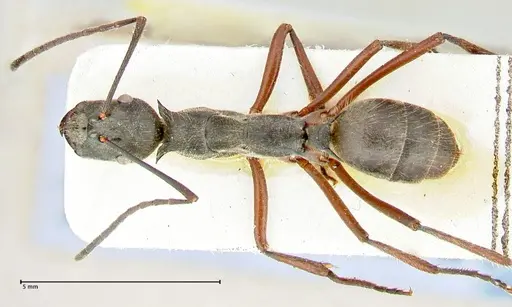
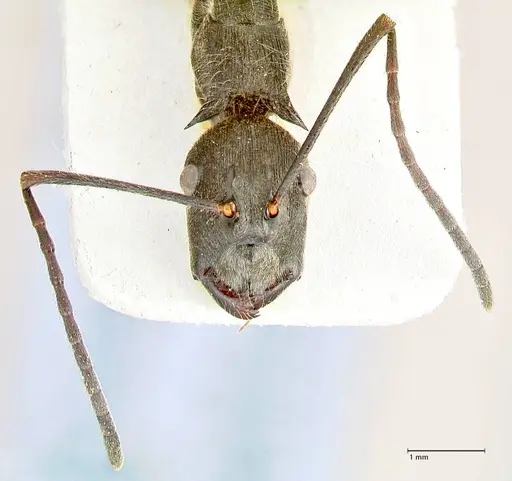
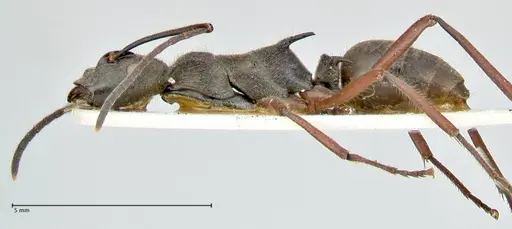
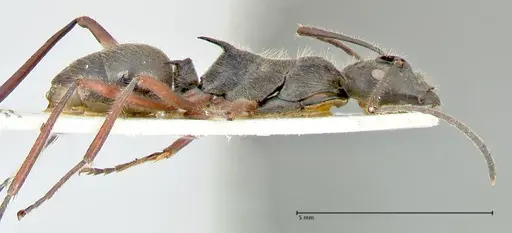
Polyrhachis melpomene is a striking ant species native to New Guinea, belonging to the subgenus Myrmhopla. Workers are characterized by their spiny appearance, with prominent spines on the thorax and gaster that give them a distinctive look. The genus Polyrhachis is known for their often elaborate defensive spines and their ability to nest in elevated locations. This species was originally described by Emery in 1897 and was previously known as Polyrhachis melpomene before being synonymized [1].
As a New Guinean species, P. melpomene inhabits a tropical rainforest environment where they typically nest in rotting wood in forest habitats. They are lignicolous, meaning they nest in wood, which is common for many Polyrhachis species. Like other Formicinae ants, they have pupal cocoons, meaning their brood develops through a wrapped pupal stage rather than exposed. This species remains relatively obscure in antkeeping due to limited distribution and availability.
Quick Summary
- Difficulty: Medium
- Origin & Habitat: New Guinea (Papua New Guinea and Indonesian Papua), tropical rainforest environment [1]
- Colony Type: Colony structure is unconfirmed. Most Polyrhachis species are monogyne (single queen), but this has not been specifically documented for P. melpomene.
- Size & Growth:
- Queen: Estimated 10-12mm based on genus patterns for Myrmhopla subgenus
- Worker: Estimated 6-9mm based on genus patterns
- Colony: Estimated moderate colonies of several hundred workers based on genus patterns
- Growth: Moderate, based on typical Polyrhachis development
- Development: Estimated 6-8 weeks at tropical temperatures (25-28°C) based on related Polyrhachis species (Development time is estimated from genus-level data since species-specific research is lacking. Cocoons are present, which is typical for the genus.)
- Antkeeping:
- Temperature: Keep at 24-28°C (warm tropical conditions). A slight temperature gradient allows ants to regulate their exposure. These are tropical ants that do not tolerate cool temperatures well.
- Humidity: Maintain moderate to high humidity (60-80%). Their natural habitat in New Guinea is humid rainforest, so keep the nest substrate moist but not waterlogged. Provide a water source.
- Diapause: No, as a tropical species, they do not require hibernation or winter dormancy. Keep temperatures stable year-round.
- Nesting: Lignicolous (wood-nesting) in nature. In captivity, they do well in wood-based nests like Y-tong (AAC) or naturalistic setups with rotting wood pieces. Avoid fully artificial acrylic nests unless they accept them. They may also accept plaster nests with wood inclusions [2][3].
- Behavior: Polyrhachis ants are generally not aggressive but will defend their nest vigorously if threatened. Workers are active foragers that search for food both on the ground and possibly on vegetation. They have spines that serve as a defense mechanism against predators. Escape prevention should be moderate, they are not particularly small but can climb well. They are not known for painful stings, though some Polyrhachis species can bite.
- Common Issues: tropical species may decline if temperatures drop below 22°C, keep them warm, wood-nesting species need appropriate nest material, test tubes alone may not be ideal, limited availability makes this species difficult to acquire for hobbyists, high humidity requirements can lead to mold if ventilation is poor, wild-caught colonies from New Guinea may have parasites or diseases
Nest Preferences and Housing
Polyrhachis melpomene is a lignicolous species, meaning it naturally nests in rotting wood [2][3]. In captivity, you should provide nest conditions that mimic this. Y-tong (AAC) nests work well for many Polyrhachis species, or you can create a naturalistic setup with pieces of rotting wood embedded in soil or plaster. The wood should be soft enough for the ants to excavate but firm enough to hold tunnels. Some keepers have success with plaster nests that include wood cavities or channels. Test tubes can work for founding colonies, but you should eventually provide them with a more appropriate wood-based nest as the colony grows. Ensure the nest has some humidity retention since wood-nesting ants prefer slightly moist conditions.
Feeding and Diet
Like most Polyrhachis species, P. melpomene is likely an omnivore that feeds on honeydew, nectar, and small insects. In captivity, offer sugar water or honey as a constant energy source. For protein, provide small insects like fruit flies, small crickets, or mealworms. Polyrhachis ants are generally not specialized predators, so standard ant feeding protocols apply. Feed protein sources 2-3 times per week, and keep sugar water available at all times. Remove any uneaten prey after 24-48 hours to prevent mold. Since this species comes from a tropical environment with abundant vegetation, they may also accept some plant-based foods like fruit pieces, though insects should form the primary protein source.
Temperature and Care
As a New Guinean tropical species, Polyrhachis melpomene requires warm conditions year-round. Keep the nest area at 24-28°C, with a slight gradient if possible so workers can choose their preferred temperature. Avoid temperatures below 22°C as this species is not adapted to cool conditions. A heating cable or mat on one side of the nest can help maintain warmth, but be careful not to overheat the colony. Since they do not undergo diapause, maintain consistent temperatures throughout the year. Room temperature may be sufficient if your home stays in the low-to-mid 20s°C range, but monitor colony behavior, if workers seem sluggish, provide gentle heating.
Humidity and Water
New Guinea has a humid tropical climate, so P. melpomene requires moderate to high humidity. Keep the nest substrate consistently moist but not waterlogged. The wood or soil should feel damp to the touch but not dripping wet. You can achieve this by misting the nest area periodically or using a water reservoir connected to the nest. A water tube or cotton wick providing drinking water should also be available. However, balance humidity with adequate ventilation to prevent mold growth, which can be fatal to ant colonies. If you see excessive condensation or mold, improve ventilation while slightly reducing misting frequency.
Behavior and Temperament
Polyrhachis ants are generally calm and not particularly aggressive toward keepers. Workers go about their foraging activities methodically and will defend their nest if it is disturbed. The most notable defensive feature is their spines, the workers have prominent spines on their thorax and gaster that make them appear more threatening and can deter predators. They are good climbers and may explore outworld setups thoroughly. Escape prevention is important, while not the smallest ants, they can squeeze through small gaps and are agile. Use standard barrier methods like Fluon on the rim of the outworld. They are primarily diurnal, foraging during daylight hours when temperatures are warmest.
Frequently Asked Questions
How long does it take for Polyrhachis melpomene to have first workers?
Based on related Polyrhachis species, expect first workers (nanitics) approximately 6-8 weeks after the queen lays eggs, when kept at optimal tropical temperatures of 25-28°C. This is an estimate since species-specific development data is not available.
What do Polyrhachis melpomene ants eat?
They are omnivores. Offer sugar water or honey constantly for energy, and feed small insects like fruit flies, small crickets, or mealworms 2-3 times per week for protein. Remove uneaten prey after 24-48 hours.
Can I keep Polyrhachis melpomene in a test tube?
Test tubes work for founding colonies, but this wood-nesting species will do better long-term in a Y-tong nest, plaster nest with wood cavities, or a naturalistic setup with rotting wood. Transfer to a more appropriate nest as the colony grows.
What temperature do Polyrhachis melpomene need?
Keep them warm at 24-28°C. This tropical species does not tolerate cool temperatures well, avoid dropping below 22°C. A heating cable on one side of the nest can help maintain warmth.
Is Polyrhachis melpomene good for beginners?
This species is rated as Medium difficulty. It requires warm, humid conditions and wood-based nesting, which is slightly more specialized than common beginner species. However, experienced antkeepers should find it manageable. Availability may be the biggest challenge.
Do Polyrhachis melpomene need hibernation?
No, as a tropical species from New Guinea, they do not require hibernation or diapause. Keep temperatures stable year-round in the warm range (24-28°C).
How big do Polyrhachis melpomene colonies get?
Based on genus patterns, colonies likely reach several hundred workers. Exact maximum size is unknown for this specific species, but they are not considered supercolony-forming.
Why is my Polyrhachis melpomene colony dying?
The most common causes are: temperatures dropping below 22°C, low humidity drying out the nest, mold from excessive moisture with poor ventilation, or parasites from wild-caught colonies. Check all environmental parameters and ensure the queen is still laying eggs.
Where is Polyrhachis melpomene found?
Polyrhachis melpomene is native to New Guinea, specifically the Papua New Guinea and Indonesian Papua regions. They inhabit tropical rainforest environments where they nest in rotting wood.
References

This caresheet is licensed under CC BY-SA 4.0 .
Literature
Loading...Loading products...